

Certification: Uniform Securities State Law
Certification Full Name: Uniform Securities State Law
Certification Provider: FINRA
Exam Code: Series 63
Exam Name: Uniform Securities State Law Examination
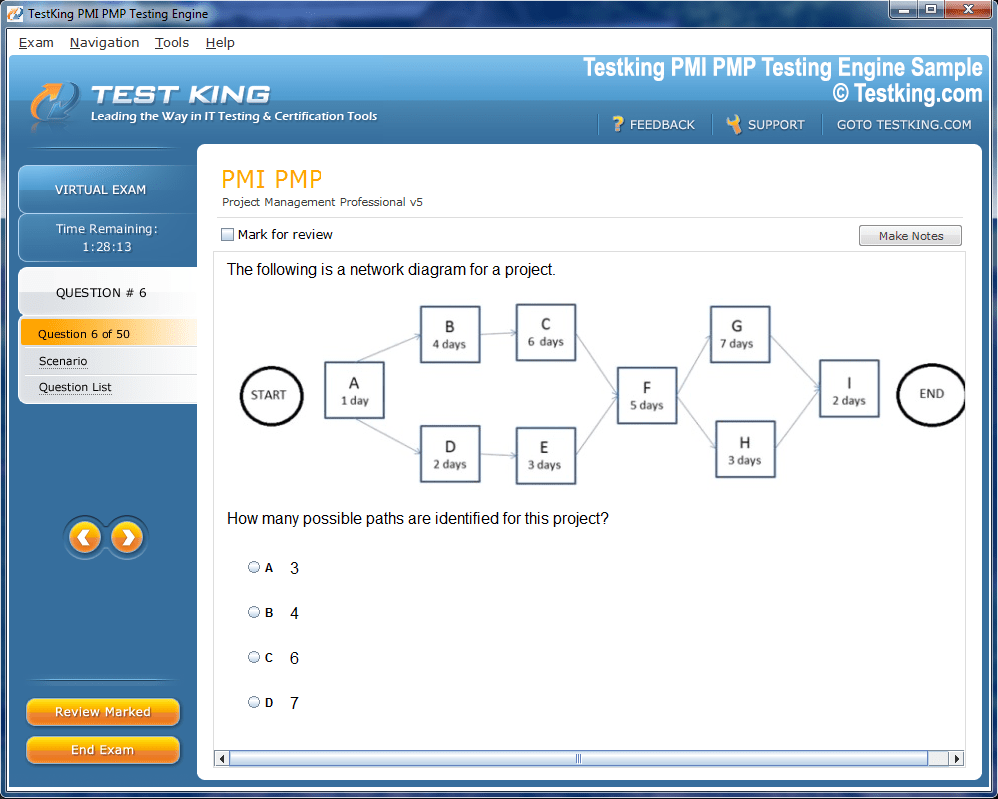
Product Screenshots
nop-1e =1
Achieving Excellence in Uniform Securities State Law Certification
The Series 63 - Uniform Securities Agent State Law Exam is a pivotal assessment designed to evaluate the knowledge and regulatory understanding of aspiring securities agents across the United States. The exam comprises sixty-five multiple-choice questions to be completed within seventy-five minutes, demanding not only comprehension of theoretical concepts but also the ability to apply those concepts within practical, real-world scenarios. It is structured into eight principal topics, each encompassing specific facets of securities law, broker-dealer regulation, ethical conduct, and client communications. Understanding the distribution of questions, their thematic weight, and the nuances of each subject area is indispensable for effective preparation. The first two topics, focusing on investment advisers and investment adviser representatives, provide the foundation upon which subsequent regulatory knowledge is built.
The Series 63 exam begins with an emphasis on the regulation of investment advisers, including both state-registered and federal-covered advisers. This topic represents approximately five percent of the exam, reflecting its importance as a foundational element rather than a dominant focus. Questions in this section explore the definition of an investment adviser, the types of services they provide, and the statutory and fiduciary obligations associated with their role. A comprehensive understanding of this subject requires not only memorization of terminology but also an appreciation for the intricate ways in which state and federal regulations intersect.
Investment advisers occupy a unique position in the financial ecosystem, acting as intermediaries who provide personalized guidance on securities investments. Unlike brokers, whose primary role is executing transactions on behalf of clients, investment advisers often engage in ongoing consultative relationships, necessitating a deep understanding of both client objectives and regulatory compliance. The exam evaluates the applicant’s ability to differentiate between various types of advisers, recognize their registration requirements, and identify exemptions under applicable statutes. While the number of questions may be relatively small, each question is constructed to test comprehension of nuanced legal distinctions and practical applications.
Following this, the examination proceeds to the regulation of investment adviser representatives, which similarly constitutes five percent of the overall test. This segment delves into the role, responsibilities, and limitations of individuals who act on behalf of registered investment advisers. Investment adviser representatives are pivotal in translating the strategic recommendations of the firm into actionable advice for clients, and they are subject to rigorous standards designed to protect the investing public. Candidates must demonstrate an understanding of how these representatives are registered, supervised, and held accountable under state and federal law. This includes knowledge of their fiduciary obligations, permissible activities, and disclosure requirements. Understanding the distinction between advisers and their representatives is essential, as misinterpretation can lead to compliance failures and ethical breaches, a common focus in exam scenarios.
The third topic on the Series 63 exam shifts attention to the regulation of broker-dealers, comprising approximately fifteen percent of the total exam weight. Broker-dealers are integral to the financial markets, acting as intermediaries that facilitate the buying and selling of securities on behalf of clients. The questions in this section encompass definitions, registration protocols, supervisory structures, compliance procedures, and the broader legal framework governing broker-dealer operations. Candidates are expected to understand the procedural nuances of registration at both state and federal levels, including initial filings, ongoing reporting obligations, and the implications of non-compliance. Regulatory scrutiny of broker-dealers is intense, given the fiduciary and transactional responsibilities inherent in their role, making this a critical portion of the exam.
Within the realm of broker-dealer regulation, the exam also examines the supervisory obligations that firms must maintain. This includes understanding internal compliance structures, recordkeeping requirements, and procedures for overseeing the activities of individual agents. Candidates are tested on their ability to identify deficiencies, anticipate regulatory interventions, and comprehend the ramifications of improper supervision. In addition, exam questions often probe the knowledge of customer protection rules, anti-fraud provisions, and the mechanisms for handling complaints and disputes. Grasping these concepts requires not only rote memorization but also the ability to synthesize complex regulatory frameworks into actionable insights.
The fourth topic, regulation of agents of broker-dealers, also carries fifteen percent of the exam’s weight. This section focuses on the roles and responsibilities of individuals acting under the umbrella of broker-dealer organizations. The distinction between the entity and the individual is critical: while broker-dealers operate as firms subject to institutional regulations, agents must comply with rules applicable to their personal conduct, registration status, and post-registration responsibilities. The exam tests knowledge of the regulatory processes governing agents, including licensing, ongoing education, ethical obligations, and supervisory relationships.
Agents of broker-dealers play a significant role in client interactions, executing transactions, providing information about investment products, and ensuring compliance with applicable laws. Exam questions may present hypothetical scenarios requiring the candidate to assess whether an agent’s actions adhere to regulatory standards, recognize potential violations, and determine appropriate remedial measures. Understanding the boundaries of permissible conduct, as well as the responsibilities owed to both the broker-dealer and the client, is crucial. This section also explores post-registration duties, such as ongoing disclosure, recordkeeping, and reporting of disciplinary actions or material changes affecting the agent’s standing.
The fifth topic, regulation of securities and issuers, represents approximately five percent of the exam. This section addresses the definition and categorization of securities, the responsibilities of issuers, and the registration requirements for public offerings. Candidates are expected to demonstrate familiarity with statutory exemptions, filing obligations, and the protections afforded to investors through state-level antifraud provisions. Exam questions may challenge the candidate to distinguish between exempt and non-exempt securities, identify the requirements for registration, and assess compliance with ongoing reporting standards. Issuers, as entities offering securities to the public, are subject to both federal and state regulations, and the exam evaluates the candidate’s ability to navigate these complex requirements.
Exemptions play a significant role in the regulation of securities and issuers. Certain offerings, transactions, or entities may qualify for exemptions from full registration, but these exemptions come with specific limitations and disclosure requirements. Understanding the scope and applicability of these exemptions is essential for candidates preparing for the exam. Additionally, the exam explores state antifraud statutes, which serve as a protective mechanism against misrepresentation, manipulation, and unethical practices in securities transactions. Candidates must recognize actions that constitute fraud, identify reporting obligations, and understand the remedies available under state law.
The sixth topic, remedies and administrative provisions, accounts for ten percent of the Series 63 exam. This section examines the powers and responsibilities of state securities administrators, the mechanisms for enforcement, and the penalties associated with non-compliance. State administrators hold authority to initiate investigations, impose sanctions, and enforce compliance measures, ensuring that market participants adhere to statutory requirements. Candidates must understand the scope of these powers, the procedural rules governing administrative actions, and the potential consequences for violations.
Administrative provisions include the process for initiating investigations, issuing cease-and-desist orders, and conducting hearings to resolve disputes. Exam questions may present complex scenarios requiring candidates to evaluate the appropriate response to regulatory violations, determine the penalties that can be imposed, and identify the safeguards in place for due process. Understanding the hierarchy of administrative authority, the interaction between state and federal regulations, and the mechanisms for appeal or review is critical for demonstrating competency in this area.
The seventh topic, communication with customers and prospects, forms a substantial portion of the exam. This section addresses the legal and ethical frameworks governing how securities professionals interact with clients, including disclosure obligations, permissible representations, and the standards for forming agreements and relationships. Candidates are expected to demonstrate a thorough understanding of communication protocols, ensuring that clients receive accurate, clear, and complete information regarding investment opportunities.
Effective communication extends beyond mere compliance; it involves clarity, transparency, and the ability to manage expectations. Questions in this section often explore the nuances of written, verbal, and electronic communication, assessing whether representations align with regulatory standards. Candidates may encounter scenarios involving disclosures about performance, fees, or risks associated with specific securities, requiring careful analysis and application of rules. The overarching goal is to ensure that clients can make informed decisions based on reliable and comprehensive information, safeguarding both the investor and the integrity of the market.
Finally, the eighth topic, ethical practices and obligations, constitutes the largest section of the Series 63 exam, with fifteen questions. This segment examines the ethical principles, fiduciary responsibilities, and professional conduct standards required in the securities industry. Candidates are assessed on their knowledge of proper disclosure regarding compensation, permissible charges for expenses, the handling of customer funds, data security measures, and the management of conflicts of interest.
Ethics in the securities profession is not merely about compliance with regulations but also about maintaining trust, integrity, and accountability. Exam questions may present situations involving potential conflicts, improper financial handling, or breaches of confidentiality, requiring candidates to evaluate the most ethical course of action. Understanding the principles behind regulations, rather than just the rules themselves, is essential for demonstrating professionalism and ensuring long-term adherence to ethical standards.
In addition to addressing the technical and legal requirements of the industry, the exam emphasizes practical scenarios that highlight real-world challenges faced by securities professionals. Candidates must synthesize knowledge from multiple sections, apply it to case studies, and recognize the interplay between legal compliance, ethical conduct, and effective client communication. Mastery of these areas ensures not only success on the exam but also readiness to perform competently and responsibly in the securities industry.
The Series 63 - Uniform Securities Agent State Law Exam, therefore, represents a comprehensive assessment of knowledge, ethical awareness, and practical skills. By examining the roles of investment advisers, investment adviser representatives, broker-dealers, and their agents, as well as the regulatory framework governing securities and issuers, the exam ensures that candidates possess a holistic understanding of the industry. Emphasis on administrative procedures, communication standards, and ethical conduct further reinforces the professional expectations placed on securities agents. Successful candidates are equipped not only to navigate the regulatory landscape but also to engage with clients responsibly, uphold fiduciary duties, and contribute to the integrity of financial markets.
Regulation of Broker-Dealers: Responsibilities and Compliance
The regulation of broker-dealers forms a critical pillar of the Series 63 examination, carrying a weight of fifteen percent. Broker-dealers serve as intermediaries in financial markets, executing transactions on behalf of clients and offering advisory services when necessary. Their operational framework is subject to intricate federal and state statutes, designed to maintain market integrity, protect investors, and ensure transparency. The exam evaluates candidates’ understanding of the multifaceted responsibilities of broker-dealers, the legal structures within which they operate, and the consequences of noncompliance.
At its core, the concept of a broker-dealer encompasses two complementary functions. As brokers, these entities facilitate the buying and selling of securities for clients, earning commissions or fees for executing trades. As dealers, they may engage in proprietary trading, purchasing and selling securities for their own accounts. The regulatory implications for each activity differ significantly, and candidates must distinguish between these roles to demonstrate a thorough comprehension of the applicable laws. Broker-dealers are required to register with the appropriate state authorities as well as with the Securities and Exchange Commission (SEC) if they operate at a federal level. This dual oversight underscores the complexity of compliance requirements and the necessity for meticulous recordkeeping, reporting, and operational transparency.
Supervision within broker-dealer organizations is a central theme in the Series 63 exam. Firms must implement rigorous supervisory structures to monitor the activities of their agents, ensuring that all actions align with regulatory mandates and ethical standards. Supervisors are tasked with evaluating trades, reviewing communications with clients, and enforcing compliance policies. Failure to uphold these supervisory responsibilities can result in regulatory sanctions, financial penalties, and reputational damage. Candidates are tested on their ability to identify lapses in supervision and determine corrective measures, reflecting the real-world importance of oversight in financial operations.
Broker-dealers must also adhere to extensive recordkeeping requirements. These include maintaining accurate documentation of transactions, communications, client agreements, and internal policies. The examination evaluates familiarity with these requirements, particularly the retention periods for different types of records and the protocols for making such records available to regulatory authorities upon request. Understanding these requirements is essential not only for passing the exam but also for ensuring that broker-dealers can demonstrate compliance in audits or investigations.
Internal compliance programs are another essential component of broker-dealer regulation. These programs are designed to educate employees, detect irregularities, and enforce adherence to legal standards. They encompass written policies, periodic training sessions, monitoring systems, and reporting mechanisms. The Series 63 exam tests candidates’ knowledge of how such programs operate, the scope of their enforcement authority, and the interaction between internal compliance mechanisms and external regulatory oversight. Compliance programs are particularly important in complex scenarios involving multiple agents, diverse products, and sophisticated clients, where the potential for inadvertent violations is high.
Regulation of Agents of Broker-Dealers: Individual Obligations
Closely related to the broader regulation of broker-dealers is the supervision of agents affiliated with these entities, a topic also carrying fifteen percent of the exam’s weight. While broker-dealers function as institutional entities, agents act as the primary point of contact for clients, executing trades, offering guidance, and representing the firm’s services. Candidates must understand the legal, ethical, and operational responsibilities of these individuals, including registration, disclosure, and ongoing compliance obligations.
Agents are required to register with state authorities, a process that involves verifying qualifications, completing educational prerequisites, and adhering to ethical standards. Post-registration, agents have continuing obligations to maintain accurate records, update licensing information, and comply with supervisory oversight. The examination often presents hypothetical situations in which candidates must evaluate whether an agent’s actions comply with regulatory standards, emphasizing the practical application of theoretical knowledge.
Understanding the fiduciary responsibilities of agents is another critical aspect. Agents are expected to act in the best interest of their clients, avoiding conflicts of interest, providing accurate information, and ensuring transparency in all communications. This includes proper disclosure of compensation, fees, and potential risks associated with investment products. Exam questions often focus on scenarios where fiduciary obligations might conflict with the agent’s interests or those of the broker-dealer, requiring candidates to discern the correct regulatory response.
Post-registration duties extend beyond routine compliance to include ongoing monitoring, client relationship management, and proactive reporting of potential violations. Candidates must be familiar with these requirements and the mechanisms by which state regulators assess adherence. Ethical behavior, clear communication, and meticulous recordkeeping are emphasized, reflecting the integral role of agents in maintaining trust and integrity in financial markets.
Regulation of Securities and Issuers
The regulation of securities and issuers constitutes five percent of the Series 63 exam and involves the identification, classification, and registration of securities, as well as oversight of the entities offering them. This topic is crucial for maintaining investor confidence, ensuring transparency, and minimizing the risk of fraud or market manipulation. Candidates are expected to understand statutory definitions, filing requirements, and ongoing compliance obligations.
Issuers are entities that create and sell securities to the public, including corporations, partnerships, and government bodies. They must comply with both state and federal regulations, including registration of offerings, disclosure of financial information, and adherence to antifraud provisions. The examination evaluates knowledge of registration exemptions, criteria for qualification, and circumstances under which securities may be offered without full registration. Exemptions are nuanced, often involving intricate conditions that must be met to ensure legal compliance, and candidates must be able to identify these distinctions accurately.
State-level antifraud provisions play a central role in the regulation of securities. These statutes prohibit misrepresentation, deceit, and other manipulative practices that could compromise the integrity of the market or harm investors. The exam challenges candidates to recognize situations where violations occur, understand the remedies available, and appreciate the responsibilities of both issuers and intermediaries in maintaining compliance. By examining practical scenarios, candidates develop the ability to apply theoretical knowledge to real-world contexts, an essential skill for successful practice in the securities industry.
Remedies and Administrative Provisions
The topic of remedies and administrative provisions, carrying ten percent of the exam weight, focuses on the powers, responsibilities, and procedural mechanisms available to state securities administrators. These officials are tasked with enforcing compliance, investigating potential violations, and imposing sanctions when necessary. Candidates must be familiar with the breadth of administrative authority, the processes for initiating actions, and the potential penalties associated with regulatory infractions.
State securities administrators possess the authority to conduct investigations, issue cease-and-desist orders, revoke registrations, and levy fines. Exam questions often present candidates with hypothetical situations in which administrators must determine the appropriate course of action. Understanding the procedural aspects of these powers, including notice requirements, hearing processes, and opportunities for appeal, is essential for accurately navigating the regulatory landscape.
Administrative provisions also encompass remedies available to aggrieved investors, including restitution, rescission, and civil penalties. Candidates must understand the mechanisms by which these remedies are applied, the criteria for eligibility, and the limitations imposed by state law. By evaluating these provisions, candidates gain insight into how regulatory enforcement functions to protect market integrity, deter misconduct, and promote investor confidence.
Communication with Customers and Prospects
Communication with clients represents a substantial portion of the Series 63 exam, reflecting the importance of accurate, transparent, and ethical interactions in securities practice. This section emphasizes the standards for disclosure, representations, agreements, and relationship management. Candidates are tested on their ability to apply regulatory principles to various modes of communication, including written, verbal, and electronic formats.
Effective communication extends beyond compliance; it requires clarity, precision, and an understanding of the client’s informational needs. Candidates may encounter exam scenarios in which a broker-dealer or agent must disclose risks, fees, or potential conflicts of interest. Recognizing the nuances of appropriate communication, including the timing, format, and content of disclosures, is essential for ensuring that clients are adequately informed and protected.
The examination also evaluates the understanding of agreements and contracts formed between agents and clients. These agreements define the scope of services, outline compensation arrangements, and specify obligations on both sides. Candidates must be familiar with the legal and regulatory implications of these agreements, as well as the standards for ethical representation and fiduciary duty. Questions may require analysis of whether communications and agreements comply with both state and federal requirements, emphasizing the interconnected nature of regulatory knowledge.
Ethical Practices and Obligations
The final section of the Series 63 exam, ethical practices and obligations, encompasses fifteen questions and forms the largest segment of the examination. This topic addresses the principles of professional conduct, fiduciary responsibility, conflict management, and client protection. Candidates must demonstrate a thorough understanding of ethical standards, including proper disclosure of compensation, management of client funds, data security, and avoidance of unlawful actions.
Ethics in the securities industry is multidimensional, encompassing both adherence to regulations and the cultivation of trust and integrity. Candidates may face hypothetical situations involving potential conflicts of interest, misrepresentation, or improper handling of client accounts. The exam requires the ability to evaluate these situations critically, determine the appropriate ethical response, and understand the legal ramifications of misconduct. By integrating ethical principles with regulatory knowledge, candidates are prepared to navigate the complexities of real-world practice while upholding professional standards.
Compensation disclosure is a critical aspect of ethical conduct. Candidates must understand the requirements for informing clients about fees, commissions, and other forms of remuneration, ensuring transparency and preventing conflicts of interest. Similarly, candidates must recognize the limitations on charging clients for expenses, distinguishing between permissible and impermissible practices. These elements are assessed in the exam to ensure that future securities professionals are equipped to maintain fiduciary integrity and protect investor interests.
Data security and client confidentiality form another crucial component. Candidates must understand the importance of safeguarding sensitive information, implementing secure systems for electronic communication, and complying with legal standards for data protection. Ethical handling of client funds, including proper segregation, accurate recordkeeping, and avoidance of misappropriation, is also emphasized. These responsibilities are integral to maintaining trust and compliance in the securities industry.
Investment Advisers: Definitions and Regulatory Nuances
Investment advisers constitute a foundational component of the Series 63 examination. Their regulation reflects the dual responsibility to provide competent financial guidance while adhering to stringent legal and ethical frameworks. The exam devotes five percent of its questions to this topic, highlighting its role as a conceptual bedrock rather than a dominant theme. Candidates must grasp the precise definition of an investment adviser, the circumstances under which registration is required, and the distinctions between state-registered and federally covered advisers. These distinctions are crucial for understanding regulatory obligations, exemptions, and fiduciary responsibilities.
State-registered investment advisers typically manage portfolios for clients within a specific state or a limited number of states and are subject to the regulations of state securities authorities. Federally covered advisers, by contrast, are generally larger firms or those managing assets above a threshold established by the Investment Advisers Act of 1940 and are primarily regulated by the Securities and Exchange Commission (SEC). The Series 63 exam evaluates candidates’ ability to identify which category an adviser falls into based on assets under management, scope of client base, and registration requirements. Understanding these differences ensures compliance and facilitates appropriate regulatory filings.
Beyond registration, candidates are expected to understand the fiduciary duties imposed on investment advisers. Advisers are legally required to act in the best interests of their clients, provide full and fair disclosure of all material facts, and avoid conflicts of interest. Questions may present scenarios in which an adviser’s recommendation might benefit the firm or the adviser at the expense of the client, requiring the examinee to evaluate ethical and regulatory considerations. The nuanced nature of fiduciary responsibility is a recurring theme, demanding careful attention to both statutory and practical implications.
Investment Adviser Representatives: Responsibilities and Oversight
Investment adviser representatives, while affiliated with registered advisers, have distinct responsibilities and regulatory obligations. Comprising five percent of the exam, this topic examines their role in client interactions, compliance with disclosure requirements, and adherence to fiduciary principles. Candidates must differentiate between the adviser and the representative, recognizing that the representative acts on behalf of the firm while remaining individually accountable for regulatory compliance.
Registration for investment adviser representatives requires verification of qualifications, completion of educational prerequisites, and adherence to ongoing continuing education standards. Post-registration, representatives must maintain accurate client records, provide transparent disclosures regarding compensation, and ensure that advice aligns with the client’s investment objectives and risk tolerance. Exam questions often present hypothetical interactions with clients, requiring candidates to determine whether the representative’s conduct meets regulatory and ethical standards.
Supervision of investment adviser representatives is a critical aspect of compliance. Registered investment advisers bear the responsibility of overseeing their representatives’ activities, ensuring that all advice, recommendations, and communications comply with applicable regulations. The Series 63 exam assesses knowledge of supervisory structures, monitoring procedures, and corrective measures when breaches occur. Candidates must understand both the procedural and ethical dimensions of supervision, including recordkeeping, reporting, and the enforcement of firm policies.
Broker-Dealers: Compliance and Operational Standards
Broker-dealers, representing fifteen percent of the exam, serve as the operational backbone of the securities marketplace. Their dual role as intermediaries and market participants necessitates comprehensive regulation to protect investors and ensure market integrity. Candidates must understand the registration requirements for broker-dealers, the distinctions between brokers and dealers, and the implications of operating in multiple jurisdictions.
Broker-dealer compliance encompasses both internal and external mechanisms. Internally, firms must implement supervisory systems, maintain detailed records of transactions, and provide training to agents on regulatory obligations. Externally, broker-dealers must adhere to federal and state reporting requirements, respond to audits and investigations, and comply with ongoing disclosure obligations. The Series 63 exam evaluates candidates’ ability to navigate these complex requirements and apply them to practical scenarios, such as handling trade discrepancies, reporting irregularities, or managing client complaints.
Supervisory responsibilities are particularly critical. Broker-dealers must monitor agent activity to prevent violations of securities laws and maintain the integrity of client relationships. Candidates are tested on their understanding of supervisory processes, including trade reviews, approval mechanisms, and escalation procedures when compliance issues arise. Mastery of this content ensures that future securities professionals can operate within both regulatory and ethical boundaries while mitigating operational risk.
Agents of Broker-Dealers: Roles and Ethical Responsibilities
Agents of broker-dealers are pivotal to client interactions, executing transactions and delivering guidance within the parameters established by the firm and regulatory authorities. Also constituting fifteen percent of the exam, this section examines the registration, post-registration duties, and ethical responsibilities of agents. Candidates must demonstrate familiarity with licensing requirements, ongoing disclosure obligations, and adherence to fiduciary principles.
Post-registration responsibilities for agents include maintaining accurate records, reporting disciplinary actions, and ensuring compliance with both state and federal regulations. Candidates may encounter questions involving hypothetical scenarios where agents must determine permissible conduct, handle potential conflicts of interest, or navigate complex client agreements. Understanding the interplay between firm policies, regulatory requirements, and client expectations is essential for accurate exam performance and professional practice.
Ethical considerations are integral to the agent’s role. These professionals must disclose compensation structures, avoid improper influence over client decisions, and safeguard confidential information. The Series 63 exam emphasizes the ability to identify potential ethical dilemmas and determine the appropriate course of action in accordance with regulatory standards. Candidates are expected to apply both theoretical knowledge and practical judgment in these scenarios, reflecting the real-world complexities of the securities industry.
Securities and Issuers: Regulatory Framework and Exemptions
The regulation of securities and issuers, representing five percent of the exam, addresses the legal and operational obligations of entities offering securities to the public. Candidates must understand the definitions of securities, the registration process, and the conditions under which exemptions may apply. Exemptions are particularly nuanced, requiring careful analysis of transaction types, entity characteristics, and investor qualifications.
Issuers are subject to a range of regulatory obligations designed to ensure transparency, protect investors, and prevent fraudulent activity. These include initial registration filings, ongoing disclosure of material information, and adherence to state-level antifraud statutes. Candidates are evaluated on their ability to differentiate between exempt and non-exempt offerings, assess compliance requirements, and identify potential violations. Understanding these distinctions is critical for maintaining regulatory compliance and protecting investor interests.
Antifraud provisions provide a safeguard against misrepresentation, manipulation, and other unethical practices. Candidates must recognize actions that constitute fraud, understand the remedies available under state law, and apply this knowledge to hypothetical scenarios. These provisions underscore the importance of transparency, integrity, and accountability in securities transactions, forming a central theme in the Series 63 exam.
Remedies and Administrative Provisions: Enforcement and Penalties
The topic of remedies and administrative provisions, weighted at ten percent, examines the authority and responsibilities of state securities administrators. These officials possess the power to investigate potential violations, issue sanctions, and enforce compliance measures. Candidates must understand the procedural rules governing administrative actions, the scope of authority, and the potential penalties associated with noncompliance.
Administrative provisions include mechanisms for initiating investigations, issuing cease-and-desist orders, and conducting hearings to resolve disputes. Candidates may encounter exam questions presenting complex scenarios in which administrators must determine appropriate remedies. Understanding the hierarchy of authority, procedural safeguards, and avenues for appeal is essential for accurate analysis and application in the examination context.
The remedies available to investors include restitution, rescission, and civil penalties. Candidates must recognize the conditions under which these remedies are applicable, the process for implementing them, and the interaction with broader regulatory frameworks. Mastery of this content ensures that candidates can navigate the complexities of enforcement actions and understand the interplay between regulatory authority and investor protection.
Communication with Clients: Standards and Practices
Communication with customers and prospects is a substantial portion of the Series 63 examination, emphasizing the importance of clarity, transparency, and ethical conduct. Candidates must demonstrate knowledge of disclosure requirements, permissible representations, and the standards for forming agreements and relationships. This includes understanding both verbal and written communication, as well as electronic correspondence in the modern financial environment.
Effective communication requires attention to detail, adherence to regulatory standards, and an appreciation for client needs. Candidates may be presented with scenarios in which disclosures regarding fees, performance, or risks must be evaluated for accuracy and completeness. Questions often assess the candidate’s ability to identify misleading statements, omissions, or exaggerated claims, reflecting the practical challenges of maintaining regulatory compliance in client interactions.
Agreements and contracts between clients and financial professionals form an essential component of communication standards. These documents define the scope of services, outline obligations, and establish the framework for compensation. Candidates must understand the regulatory implications of these agreements, including disclosure obligations, fiduciary responsibilities, and permissible limitations. Mastery of this content ensures that securities professionals can maintain ethical and legally compliant relationships with clients.
Advanced Concepts in Investment Adviser Regulation
Investment advisers occupy a critical position in the financial ecosystem, offering personalized guidance while operating within a strict regulatory framework. This segment of the Series 63 examination emphasizes advanced concepts beyond foundational definitions, exploring nuanced aspects of compliance, fiduciary duties, and supervisory responsibilities. Candidates must understand how investment advisers interact with both state and federal authorities, and how regulatory thresholds determine the level of oversight required.
State-registered advisers are primarily subject to state securities laws, which dictate registration procedures, reporting obligations, and fiduciary responsibilities. Federal-covered advisers, in contrast, are regulated under the Investment Advisers Act of 1940 and often oversee larger asset portfolios. Candidates must distinguish between these categories, recognizing differences in compliance requirements, recordkeeping, and filing thresholds. For example, federal-covered advisers may be subject to periodic SEC audits, while state-registered advisers report directly to state securities administrators. Understanding these distinctions ensures adherence to legal obligations and proper classification in real-world scenarios.
Fiduciary duties are a cornerstone of investment adviser regulation. Advisers must prioritize client interests, disclose potential conflicts, and provide advice that aligns with the client’s objectives and risk tolerance. Ethical lapses, whether intentional or inadvertent, can lead to civil liability, administrative penalties, or reputational damage. The Series 63 exam often tests candidates on their ability to analyze hypothetical situations where fiduciary responsibilities might conflict with business interests, requiring the identification of compliant and ethical courses of action.
Investment Adviser Representatives: Supervision and Accountability
Investment adviser representatives act as intermediaries between the firm and its clients. Their responsibilities include executing the guidance of registered investment advisers, providing accurate information, and maintaining compliance with regulatory and ethical standards. Candidates must understand the registration process for representatives, which includes verification of qualifications, educational prerequisites, and continuing education requirements.
Post-registration, representatives are accountable for recordkeeping, proper disclosure, and adherence to the supervisory structure established by their employing firm. Questions may present complex scenarios involving client recommendations, compensation disclosures, or potential conflicts of interest. Candidates are expected to evaluate whether the representative’s conduct aligns with both regulatory and ethical standards. Supervision by the employing firm is integral, encompassing ongoing monitoring, corrective actions, and documentation of compliance efforts. This dual accountability—between representative and firm—ensures that fiduciary obligations are consistently upheld.
Broker-Dealer Operations: Compliance and Risk Mitigation
Broker-dealers are subject to extensive regulatory oversight due to their dual role as intermediaries and market participants. Representing fifteen percent of the Series 63 exam, this topic requires candidates to understand registration, supervision, recordkeeping, and compliance mechanisms. Broker-dealers must distinguish between brokerage activities, in which they execute client orders, and dealer activities, in which they trade securities for their own account. The regulatory consequences of each role differ significantly and must be navigated carefully.
Internal compliance systems are vital for mitigating risk and ensuring adherence to legal standards. These systems include formal policies, employee training, monitoring of trade activity, and procedures for addressing deviations or violations. Candidates are tested on their understanding of these systems, including how they prevent misconduct, detect irregularities, and enforce compliance standards. The practical application of these principles is critical, as broker-dealers face significant liability for supervisory failures or breaches of fiduciary duty.
Agents of Broker-Dealers: Ethical and Practical Considerations
Agents serve as the operational interface between broker-dealers and clients, executing trades, providing advice, and ensuring regulatory compliance. The Series 63 exam emphasizes both the ethical and practical responsibilities of agents, which include proper registration, ongoing disclosure, and adherence to post-registration duties. Questions may present hypothetical situations in which agents must evaluate permissible conduct, handle conflicts of interest, or maintain transparency in client interactions.
Ethical obligations are particularly emphasized in this section. Agents must provide full disclosure of compensation, avoid misrepresentation, and safeguard confidential client information. They are also responsible for ensuring that client transactions are executed in accordance with the law, firm policies, and fiduciary principles. Post-registration duties include maintaining accurate records, reporting disciplinary actions, and participating in continuing education programs to remain informed of regulatory changes. The examination tests candidates’ ability to integrate ethical principles with practical regulatory compliance in realistic scenarios.
Securities and Issuers: Registration and Exemptions
The regulation of securities and issuers, accounting for five percent of the exam, examines the legal and operational requirements of entities offering securities to the public. Candidates must understand the definitions of securities, registration procedures, ongoing compliance obligations, and conditions for exemptions. Exemptions are nuanced, often dependent on transaction type, entity characteristics, and investor qualifications.
Issuers must navigate both state and federal regulations, including registration of offerings, disclosure of material financial information, and adherence to antifraud provisions. Candidates are evaluated on their ability to identify exempt and non-exempt securities, determine appropriate registration pathways, and recognize potential regulatory violations. Hypothetical scenarios may challenge candidates to assess whether issuers meet compliance requirements, providing insight into real-world regulatory applications.
Antifraud provisions are central to maintaining market integrity. Misrepresentation, omission of material facts, and manipulative practices are prohibited, and candidates must be able to identify actions that constitute fraud. The examination often includes case-based questions in which candidates must determine the appropriate remedies or sanctions under state law. Mastery of this content ensures that future securities professionals can safeguard investor interests and uphold regulatory standards.
Remedies and Administrative Authority
Remedies and administrative provisions, accounting for ten percent of the exam, focus on the powers of state securities administrators and the mechanisms for enforcing compliance. Administrators possess authority to investigate potential violations, issue sanctions, and impose penalties on noncompliant entities. Candidates must understand procedural rules, the scope of authority, and the remedies available to protect investors and maintain market integrity.
Administrative actions may include investigations, cease-and-desist orders, revocation of registration, and civil or financial penalties. Candidates may encounter complex hypothetical scenarios requiring evaluation of the administrator’s authority, the appropriate remedial action, and the procedural safeguards afforded to respondents. Understanding the interaction between state and federal oversight is also critical, as administrative actions may involve coordination across jurisdictions or compliance with overlapping statutory frameworks.
Investor remedies include restitution, rescission, and civil penalties. Candidates must recognize conditions under which these remedies are appropriate, the procedural mechanisms for implementation, and limitations imposed by state law. Mastery of these provisions ensures that candidates can apply regulatory knowledge to protect investors while understanding the practical and legal implications of enforcement actions.
Communication Standards with Clients
Effective communication with customers and prospects is both a regulatory and ethical requirement, forming a substantial portion of the Series 63 exam. Candidates must understand disclosure obligations, permissible representations, and the appropriate formation of agreements and client relationships. Communication extends to written, verbal, and electronic formats, each subject to scrutiny under regulatory standards.
Disclosure requirements include information about investment risks, fees, compensation, and potential conflicts of interest. Candidates may be presented with scenarios involving marketing materials, performance reporting, or advisory communications, requiring analysis of compliance with applicable regulations. Proper communication ensures that clients can make informed decisions while mitigating potential disputes or misunderstandings.
Agreements with clients are central to establishing legal and professional expectations. Contracts define the scope of services, obligations, and compensation arrangements. Candidates must understand regulatory implications of these agreements, including fiduciary obligations and limitations on representations. Questions may evaluate whether disclosures, statements, or agreements align with state and federal rules, emphasizing practical application of regulatory knowledge in client interactions.
Ethical Practices and Professional Responsibility
Ethical practices, comprising fifteen questions in the Series 63 exam, address professional conduct, fiduciary responsibility, and management of conflicts of interest. Candidates must demonstrate understanding of disclosure requirements, limitations on fees, proper handling of client funds, and data protection obligations. Ethical practice integrates regulatory knowledge with professional judgment to ensure investor protection and market integrity.
Fiduciary responsibility requires prioritization of client interests, avoidance of conflicts, and provision of accurate, transparent information. Candidates may encounter hypothetical situations involving misrepresentation, financial improprieties, or breaches of confidentiality. The examination evaluates the ability to identify ethical dilemmas, determine appropriate responses, and understand legal ramifications of misconduct.
Data security is increasingly critical in the financial industry. Candidates must recognize the importance of safeguarding sensitive client information, implementing secure electronic systems, and complying with regulatory standards. Ethical handling of client funds, accurate recordkeeping, and compliance with segregation requirements are also emphasized. By integrating ethical principles with regulatory knowledge, candidates are prepared to navigate complex professional scenarios with integrity and competence.
Integration of Regulatory Knowledge and Practical Application
The Series 63 exam tests not only theoretical knowledge but also the ability to apply regulatory principles in practical, real-world scenarios. Candidates must synthesize information from multiple topics, evaluate hypothetical situations, and determine compliant courses of action. This integration includes understanding the interplay between investment advisers, broker-dealers, agents, issuers, clients, and regulators, reflecting the interconnected nature of the financial markets.
Effective preparation requires more than memorization. Candidates must internalize the rationale behind regulations, anticipate practical challenges, and develop analytical skills to navigate complex situations. Ethical judgment, attention to detail, and awareness of fiduciary responsibilities are critical for both exam success and professional competence. By approaching the exam holistically, candidates demonstrate mastery of content, application of principles, and readiness to engage responsibly in the securities industry.
Advanced Fiduciary Responsibilities of Investment Advisers
Investment advisers operate under a framework of fiduciary responsibility that extends beyond compliance with statutory requirements. This obligation requires advisers to act in the best interests of their clients, ensuring transparency, fairness, and diligence in all professional interactions. While the foundational definitions and regulatory requirements of investment advisers were addressed in previous sections, the Series 63 exam also emphasizes complex fiduciary scenarios that test candidates’ ability to navigate ethical and legal challenges simultaneously.
Fiduciary responsibilities include the full disclosure of conflicts of interest, transparent communication regarding fees and compensation, and the prioritization of client objectives over personal or firm gains. Candidates may encounter hypothetical situations in which an adviser must decide between recommending a higher-commission product or a lower-cost solution more aligned with the client’s goals. The ability to recognize the regulatory and ethical implications of such decisions is a recurring focus of the examination. Furthermore, advisers must maintain meticulous documentation of recommendations, communications, and client approvals to provide an audit trail demonstrating compliance with fiduciary duties.
State-registered advisers and federally covered advisers may have overlapping obligations, but the nuances differ according to the level of oversight. Federal-covered advisers are subject to SEC guidance on ethical behavior, while state-registered advisers adhere to rules set forth by state securities administrators. The Series 63 exam evaluates candidates’ understanding of these distinctions, particularly regarding reporting obligations, disclosure requirements, and the handling of conflicts in different jurisdictions.
Ethical Considerations for Investment Adviser Representatives
Investment adviser representatives act as intermediaries who implement the strategic recommendations of registered advisers. Ethical considerations for representatives extend beyond following instructions; they must actively ensure that advice is suitable for clients, aligned with their investment objectives, and compliant with regulatory standards. This includes recognizing potential conflicts of interest, accurately disclosing compensation arrangements, and maintaining confidentiality of sensitive client information.
Candidates are tested on scenarios that require judgment in ethically ambiguous situations. For example, an investment adviser representative may encounter a client whose financial objectives conflict with the representative’s compensation incentives. The candidate must identify appropriate steps, including full disclosure, documentation, and potential recusal from certain recommendations, demonstrating both regulatory knowledge and practical decision-making skills. Ongoing supervision by the employing firm is also critical, as representatives are accountable not only to clients but also to the broader regulatory framework enforced by their firm and state authorities.
Broker-Dealer Compliance: Advanced Protocols
Broker-dealers form the structural backbone of the securities industry, executing trades, facilitating market liquidity, and maintaining operational compliance. While basic registration and supervision principles have been discussed in previous sections, the Series 63 exam also delves into advanced compliance protocols, internal control systems, and risk mitigation strategies. Candidates must understand how broker-dealers monitor agent activity, implement trade review procedures, and enforce firm policies to prevent violations of securities law.
Internal compliance programs include formalized policies for trade approval, periodic audits, and documentation standards. Candidates may encounter scenarios requiring assessment of an internal compliance system’s effectiveness, identification of potential weaknesses, and determination of appropriate remedial measures. This includes analyzing whether supervisory procedures adequately address high-risk transactions, detect potential fraudulent behavior, and enforce ethical standards consistently. Broker-dealers must also ensure that all agents are aware of and adhere to compliance policies through ongoing training and monitoring programs.
Risk mitigation extends to handling client complaints, identifying regulatory red flags, and maintaining operational transparency. Candidates must demonstrate understanding of how broker-dealers interact with regulatory bodies, respond to audits, and report irregularities. Mastery of these advanced protocols ensures that future professionals can uphold both legal and ethical standards while maintaining operational efficiency.
Agents of Broker-Dealers: Nuanced Responsibilities
Agents of broker-dealers carry responsibilities that blend ethical conduct, fiduciary obligations, and regulatory compliance. Their role in client interactions requires a sophisticated understanding of permissible practices, disclosure standards, and ongoing supervisory requirements. While foundational knowledge has been covered in previous parts, the Series 63 exam emphasizes nuanced responsibilities that challenge candidates to analyze real-world situations critically.
Post-registration duties include ongoing education, disclosure of disciplinary actions, and adherence to changing regulatory standards. Ethical responsibilities require agents to maintain transparency in compensation, avoid misrepresentation, and protect confidential client data. Candidates may face complex hypothetical scenarios in which an agent must determine whether a recommendation is suitable, how to disclose conflicts, and how to document communications to meet regulatory expectations. Mastery of these nuanced responsibilities ensures that agents can operate within the legal and ethical framework, preserving investor confidence and market integrity.
Securities and Issuers: Detailed Exemptions and Compliance
The regulation of securities and issuers remains a pivotal component of the Series 63 exam, with five percent of questions dedicated to this topic. Advanced preparation requires understanding exemptions in detail, as certain securities or transactions may be exempt from full registration. Candidates must analyze the applicability of exemptions based on transaction type, issuer characteristics, and investor qualifications.
Exempt securities, such as government bonds or short-term commercial paper, may avoid the full registration process, but these exemptions often carry reporting or disclosure obligations. Candidates must be able to identify when an exemption applies, understand its limitations, and recognize potential violations if the exemption is misapplied. Compliance for issuers includes ongoing disclosure of financial information, adherence to antifraud provisions, and accurate representation of the security to investors. Hypothetical scenarios in the exam often test the ability to navigate these complex requirements and determine whether issuers meet regulatory standards.
Antifraud provisions serve as a critical safeguard for investor protection. Candidates must recognize deceptive practices, identify material misstatements or omissions, and determine appropriate remedial actions. Advanced understanding of these provisions involves integrating knowledge of securities definitions, exemptions, and regulatory enforcement to assess potential violations comprehensively.
Administrative Remedies: Complex Scenarios
Remedies and administrative provisions account for ten percent of the Series 63 exam and involve the powers and responsibilities of state securities administrators. Candidates must understand the full spectrum of administrative authority, including investigation procedures, sanctions, penalties, and coordination with federal agencies when appropriate.
Complex scenarios may present violations involving multiple parties, cross-jurisdictional issues, or repeated offenses. Candidates are tested on their ability to determine appropriate remedies, evaluate the scope of administrative powers, and understand procedural safeguards. This includes knowledge of cease-and-desist orders, license revocations, monetary penalties, and mechanisms for investor restitution. Understanding how remedies protect both market integrity and individual investors is essential for successful exam performance and professional practice.
Administrative procedures also encompass due process for respondents, including notice requirements, hearings, and opportunities for appeal. Candidates must recognize the balance between regulatory enforcement and individual rights, ensuring that administrative actions are both effective and legally sound. Mastery of these complex scenarios requires integration of regulatory knowledge, ethical principles, and practical judgment.
Communication and Client Relationships: Advanced Applications
Effective communication with clients and prospects is critical for regulatory compliance and ethical practice. This section emphasizes not only foundational disclosure obligations but also advanced considerations in client interactions. Candidates are expected to evaluate representations, agreements, and the formation of client relationships, ensuring that communications comply with both state and federal regulations.
Advanced scenarios may involve the use of marketing materials, electronic communications, or complex investment recommendations. Candidates must assess the accuracy of information, disclosure of potential conflicts, and alignment with client objectives. Proper communication ensures that clients are fully informed, reducing the likelihood of disputes and enhancing trust.
Agreements with clients are evaluated in terms of their regulatory compliance and ethical implications. These documents define responsibilities, scope of services, and compensation structures. Candidates must understand how agreements interact with fiduciary duties, disclosure requirements, and ongoing supervision to ensure alignment with legal and ethical standards.
Ethical Practices: Scenario-Based Challenges
Ethical practices form a substantial portion of the Series 63 exam, emphasizing fiduciary responsibility, conflict management, and professional conduct. Candidates must analyze complex scenarios in which ethical dilemmas arise, such as conflicts of interest, improper use of client funds, or potential misrepresentation.
Data security and confidentiality are increasingly critical in ethical considerations. Candidates must understand the importance of protecting client information, implementing secure systems, and complying with regulatory standards. Proper handling of client funds, accurate recordkeeping, and transparency in compensation are essential for maintaining trust and professional integrity.
The Series 63 exam integrates ethical judgment with practical application, requiring candidates to synthesize knowledge from multiple topics. By presenting realistic scenarios, the exam assesses the ability to make decisions that uphold both regulatory compliance and ethical standards, preparing candidates for professional practice in the securities industry.
Integration of Advanced Knowledge
Particularly in the latter stages of the Series 63 examination, candidates are challenged to integrate knowledge across topics. Investment advisers, broker-dealers, agents, issuers, administrators, and clients interact in complex ways, requiring a holistic understanding of regulations, ethics, and practical application. Candidates must evaluate scenarios that involve multiple parties, potential conflicts, and overlapping regulatory requirements.
Advanced preparation involves internalizing the rationale behind regulations, anticipating real-world challenges, and developing analytical skills for scenario evaluation. Ethical judgment, attention to detail, and awareness of fiduciary duties are critical for success. By approaching the exam comprehensively, candidates demonstrate mastery of content, practical application of regulatory knowledge, and readiness to operate responsibly within the securities industry.
Comprehensive Overview of Investment Adviser Roles
Investment advisers play a pivotal role in guiding clients through complex financial markets while maintaining rigorous adherence to fiduciary standards. In the Series 63 examination, understanding the full spectrum of responsibilities assigned to investment advisers is crucial. Candidates must grasp the intricacies of state-registered versus federally covered advisers, discern their regulatory obligations, and comprehend the nuances of fiduciary duties.
State-registered advisers operate under the authority of individual state securities regulators. Their obligations encompass registration, reporting, recordkeeping, and adherence to state-specific fiduciary and ethical guidelines. Federal-covered advisers, by contrast, manage assets above a certain threshold and are primarily overseen by the Securities and Exchange Commission (SEC). Candidates are expected to differentiate between these categories, recognize how oversight mechanisms vary, and understand the implications for client management and reporting. This distinction underscores the importance of regulatory compliance tailored to organizational structure and operational scale.
Fiduciary duties extend beyond compliance, emphasizing the prioritization of client interests, transparency in communication, and avoidance of conflicts of interest. Questions on the Series 63 exam may challenge candidates to evaluate situations where personal or organizational incentives could conflict with client goals, requiring careful application of regulatory and ethical principles. Mastery of fiduciary responsibility ensures that advisers can provide recommendations that are both legally compliant and ethically sound.
Investment Adviser Representatives: Practical Responsibilities
Investment adviser representatives serve as intermediaries between registered advisers and clients. Their responsibilities are multifaceted, requiring both practical proficiency and ethical judgment. Candidates must understand registration requirements, including qualifications, examinations, and ongoing continuing education obligations.
Once registered, representatives are responsible for client communications, proper documentation, and compliance with both state and federal regulations. They must ensure that investment recommendations are suitable, disclose compensation arrangements, and maintain confidentiality of sensitive client information. The Series 63 exam often includes scenarios where representatives must navigate complex client relationships, ethical dilemmas, or compliance questions, emphasizing the application of knowledge rather than rote memorization.
Supervision is integral to representative responsibilities. Employing firms must monitor activities, enforce compliance protocols, and provide corrective measures as needed. Candidates are expected to understand both the procedural and ethical dimensions of supervision, recognizing that effective oversight protects clients, reinforces firm integrity, and ensures adherence to regulatory standards.
Broker-Dealer Operations: Integration of Compliance and Ethics
Broker-dealers form the operational infrastructure of securities markets, executing trades, facilitating liquidity, and maintaining regulatory compliance. The Series 63 exam examines candidates’ understanding of broker-dealer responsibilities, supervision of agents, and integration of ethical practices within operational frameworks.
Internal compliance programs are essential for monitoring agent activities, detecting irregularities, and enforcing regulatory standards. These programs include trade approval systems, audit mechanisms, employee training, and reporting procedures. Candidates may encounter scenarios evaluating the effectiveness of compliance measures, requiring critical analysis of whether supervisory practices sufficiently mitigate risk and enforce ethical behavior.
Risk management within broker-dealer operations encompasses client complaints, potential violations, and coordination with regulatory authorities. Candidates must understand how to implement corrective actions, maintain accurate records, and respond to audits. Ethical considerations, including proper disclosure and avoidance of conflicts of interest, are integral to broker-dealer compliance. Mastery of these concepts ensures both regulatory adherence and the preservation of investor trust.
Agents of Broker-Dealers: Advanced Ethical Considerations
Agents of broker-dealers act as the direct interface with clients, responsible for executing trades, offering guidance, and maintaining regulatory compliance. The Series 63 exam emphasizes the intersection of practical responsibilities and ethical obligations. Candidates must understand post-registration duties, including disclosure, recordkeeping, ongoing education, and adherence to firm policies.
Ethical obligations for agents include transparent communication regarding compensation, avoidance of misrepresentation, and safeguarding client information. Exam scenarios may present conflicts of interest, complex client situations, or potential regulatory violations. Candidates are expected to identify appropriate courses of action, document interactions, and ensure that all activities comply with regulatory and ethical standards. Mastery of these responsibilities reflects the real-world complexities of securities practice and highlights the importance of integrating compliance with professional judgment.
Securities and Issuers: Application of Exemptions and Compliance
Securities and issuers form a crucial aspect of the Series 63 examination. Candidates must understand registration procedures, ongoing compliance obligations, and conditions under which exemptions apply. Exemptions often depend on transaction type, issuer characteristics, and investor qualifications, and require careful analysis to ensure proper application.
Issuers must comply with state and federal regulations, including registration of offerings, disclosure of material information, and adherence to antifraud provisions. Candidates are tested on their ability to differentiate exempt from non-exempt offerings, evaluate compliance requirements, and recognize potential violations. Hypothetical scenarios often integrate multiple regulatory concepts, challenging candidates to synthesize knowledge of securities definitions, exemptions, and reporting obligations.
Antifraud provisions safeguard market integrity by prohibiting misrepresentation, deceit, and manipulative practices. Candidates must identify potential violations, evaluate the applicability of remedies, and understand the responsibilities of issuers and intermediaries in maintaining compliance. Mastery of these provisions ensures that candidates can protect investors and uphold regulatory standards in practical scenarios.
Remedies and Administrative Provisions: Enforcement in Practice
The Series 63 exam dedicates ten percent to remedies and administrative provisions, focusing on the authority of state securities administrators and the mechanisms available for enforcement. Candidates must understand investigation procedures, issuance of sanctions, and coordination with federal agencies when appropriate.
Administrative actions may include cease-and-desist orders, fines, license revocations, and civil penalties. Candidates may encounter scenarios with complex violations involving multiple parties or cross-jurisdictional issues. Understanding procedural safeguards, due process, and the hierarchy of authority ensures that candidates can accurately evaluate enforcement actions and determine appropriate remedies.
Investor remedies include restitution, rescission, and civil penalties. Candidates must recognize conditions for applicability, procedural requirements, and limitations imposed by state law. Mastery of these provisions ensures comprehensive understanding of administrative enforcement and practical application of remedies to maintain investor protection.
Communication with Clients: Standards and Nuances
Effective communication with clients is central to both ethical practice and regulatory compliance. The Series 63 exam emphasizes disclosure requirements, permissible representations, and the formation of client relationships. Candidates must evaluate written, verbal, and electronic communications for accuracy, clarity, and compliance with applicable regulations.
Disclosure includes investment risks, potential conflicts of interest, and compensation structures. Candidates may analyze hypothetical marketing materials, advisory communications, or client interactions to determine compliance. Proper communication enhances client understanding, fosters trust, and reduces the risk of disputes or regulatory scrutiny.
Agreements with clients define services, obligations, and compensation arrangements. Candidates must evaluate these documents for regulatory compliance, ethical alignment, and fiduciary responsibilities. Understanding the nuances of client agreements ensures that relationships are legally sound, professionally managed, and consistent with industry standards.
Ethical Practices: Integration and Professional Judgment
Ethical practices constitute the largest portion of the Series 63 exam, emphasizing fiduciary duty, conflict management, and professional conduct. Candidates must integrate ethical principles with regulatory knowledge to evaluate complex scenarios involving conflicts of interest, misrepresentation, improper handling of client funds, or breaches of confidentiality.
Data security and confidentiality are increasingly central to ethical considerations. Candidates must understand the importance of safeguarding client information, implementing secure systems, and complying with legal standards. Proper handling of client funds, accurate recordkeeping, and transparent disclosure of compensation reinforce professional integrity.
Scenario-based questions test candidates’ ability to synthesize knowledge from multiple topics, apply ethical judgment, and determine compliant courses of action. Mastery of ethical practices ensures readiness to navigate real-world professional challenges while upholding regulatory compliance and client trust.
Integration of Knowledge Across Topics
The Series 63 exam requires integration of knowledge across all topics, including investment advisers, broker-dealers, agents, securities, issuers, administrative remedies, client communication, and ethical practices. Candidates must evaluate multifaceted scenarios, apply regulatory and ethical principles, and demonstrate analytical proficiency.
Advanced preparation involves internalizing the rationale behind regulations, understanding the interconnected roles of industry participants, and anticipating practical challenges. Ethical judgment, attention to detail, and awareness of fiduciary responsibilities are critical for exam success and professional competence. By approaching the examination holistically, candidates demonstrate mastery of content, practical application of regulatory knowledge, and readiness for responsible practice in the securities industry.
Scenario-Based Applications and Exam Preparedness
Preparation for the Series 63 examination benefits from scenario-based practice, which helps candidates apply theoretical knowledge to realistic situations. This approach allows for evaluation of fiduciary responsibilities, compliance standards, ethical dilemmas, and administrative remedies in an integrated context. Candidates should focus on analyzing hypothetical interactions involving multiple parties, complex financial products, and regulatory challenges.
Scenario-based learning emphasizes decision-making, ethical evaluation, and practical application of regulatory knowledge. It encourages candidates to consider the consequences of actions, the applicability of exemptions, and the proper communication of information to clients. This method ensures that candidates are equipped to address the nuanced challenges they will encounter both in the examination and in professional practice.
Conclusion
The Series 63 – Uniform Securities Agent State Law Exam represents a comprehensive assessment of knowledge, ethical standards, and practical application in the securities industry. Throughout this series, key areas such as investment advisers, investment adviser representatives, broker-dealers, agents, securities, issuers, administrative remedies, client communication, and ethical practices have been explored in depth, reflecting the integrated nature of regulatory compliance and fiduciary responsibility. Mastery of these topics ensures that candidates understand both the theoretical foundations and practical scenarios they will encounter in professional practice. Investment advisers and their representatives must navigate a complex landscape of state and federal regulations while prioritizing client interests, disclosing potential conflicts, and maintaining transparency in all interactions. Broker-dealers and their agents play a central role in executing trades, supervising activity, and enforcing compliance protocols, balancing operational efficiency with ethical responsibility. The regulation of securities and issuers, including exemptions and antifraud provisions, highlights the importance of accurate disclosure, investor protection, and adherence to legal requirements.
Administrative remedies and enforcement mechanisms further reinforce the necessity of compliance, emphasizing the role of state securities administrators in maintaining market integrity and safeguarding investors. Equally important are ethical practices, including fiduciary duties, conflict management, data security, and professional judgment, which underpin the trust and credibility essential to the securities profession. Preparation for the Series 63 exam requires a holistic understanding of regulatory frameworks, scenario-based application, and ethical decision-making. By integrating these elements, candidates not only achieve examination readiness but also cultivate the expertise, judgment, and integrity necessary to operate responsibly within the dynamic landscape of the securities industry.
Frequently Asked Questions
Where can I download my products after I have completed the purchase?
Your products are available immediately after you have made the payment. You can download them from your Member's Area. Right after your purchase has been confirmed, the website will transfer you to Member's Area. All you will have to do is login and download the products you have purchased to your computer.
How long will my product be valid?
All Testking products are valid for 90 days from the date of purchase. These 90 days also cover updates that may come in during this time. This includes new questions, updates and changes by our editing team and more. These updates will be automatically downloaded to computer to make sure that you get the most updated version of your exam preparation materials.
How can I renew my products after the expiry date? Or do I need to purchase it again?
When your product expires after the 90 days, you don't need to purchase it again. Instead, you should head to your Member's Area, where there is an option of renewing your products with a 30% discount.
Please keep in mind that you need to renew your product to continue using it after the expiry date.
How often do you update the questions?
Testking strives to provide you with the latest questions in every exam pool. Therefore, updates in our exams/questions will depend on the changes provided by original vendors. We update our products as soon as we know of the change introduced, and have it confirmed by our team of experts.
How many computers I can download Testking software on?
You can download your Testking products on the maximum number of 2 (two) computers/devices. To use the software on more than 2 machines, you need to purchase an additional subscription which can be easily done on the website. Please email support@testking.com if you need to use more than 5 (five) computers.
What operating systems are supported by your Testing Engine software?
Our testing engine is supported by all modern Windows editions, Android and iPhone/iPad versions. Mac and IOS versions of the software are now being developed. Please stay tuned for updates if you're interested in Mac and IOS versions of Testking software.