

Certification: IBM Certified Associate Business Process Analyst - Curam V6.0.5
Certification Full Name: IBM Certified Associate Business Process Analyst - Curam V6.0.5
Certification Provider: IBM
Exam Code: C7010-013
Product Screenshots
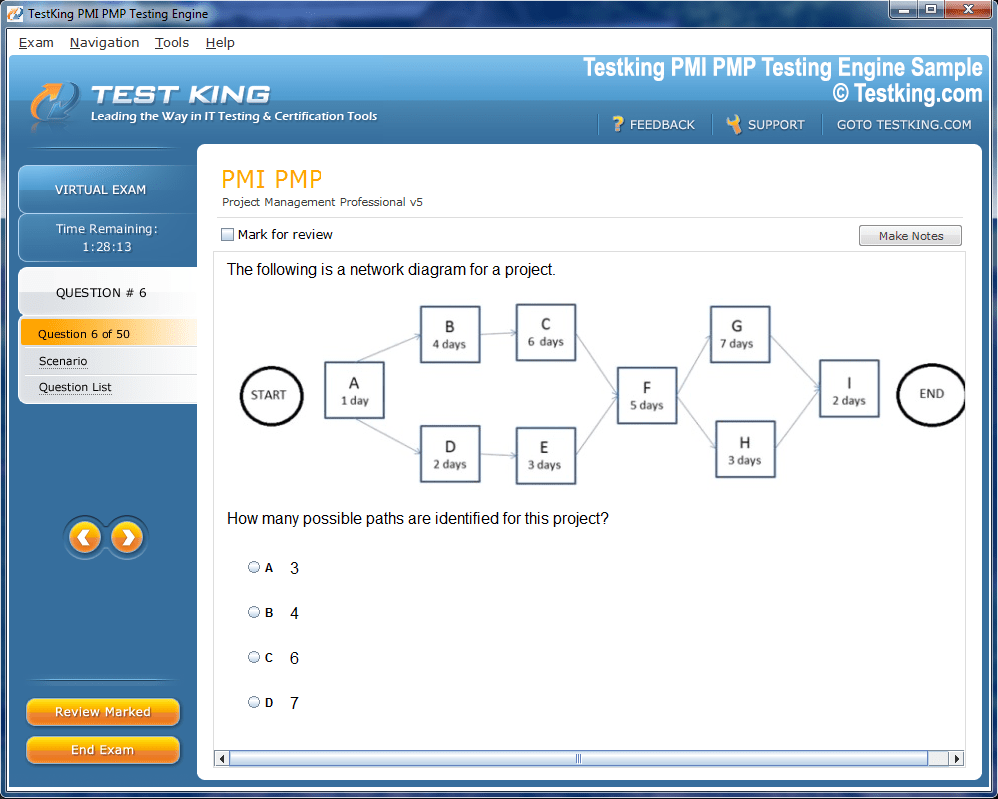
nop-1e =1
Essential Strategies for IBM Certified Associate Business Process Analyst - Curam V6.0.5 Certification Preparation
The IBM Cúram certification, though withdrawn on March 31, 2022, represents a pivotal stepping stone for professionals aspiring to establish themselves in the realm of social program management and enterprise system implementation. Despite its retirement, the certification continues to embody the conceptual framework and skillset required for business analysts, consultants, testers, and personnel engaging in projects that demand a profound comprehension of IBM Cúram functionalities. For individuals whose roles intersect with health and human services programs, this credential offered not merely an endorsement of technical aptitude but a structured pathway to acquire foundational knowledge essential for navigating IBM Cúram implementation projects.
The essence of the certification was rooted in cultivating a holistic understanding of the SPM Platform, equipping candidates with both theoretical and practical competencies. It delineated a structured approach to business analysis within the IBM Cúram ecosystem, emphasizing the importance of harmonizing system capabilities with organizational requirements. Attaining proficiency in these domains necessitated more than rote memorization; it demanded cognitive dexterity in assimilating operational logic, business workflows, and the nuanced intricacies of social program management.
Target Audience and Role Alignment
The primary beneficiaries of this certification were professionals functioning in analytical or consultative capacities within the enterprise domain. Business analysts, in particular, stood to gain a substantial advantage by mastering the Cúram SPM Platform, as their responsibilities often entailed requirement gathering, process modeling, and liaising between technical teams and organizational stakeholders. Similarly, consultants tasked with deploying or configuring enterprise applications could leverage the certification to validate their understanding of the platform’s architecture and operational paradigms. Testers and quality assurance personnel were also within the ambit of the certification’s intended audience, as their roles required scrutinizing system behaviors and ensuring that implementations adhered rigorously to defined specifications.
The scope of applicability extended beyond conventional job titles. Any professional seeking to comprehend the operational modalities of IBM Cúram, particularly within the context of health and human services programs, could benefit from acquiring this foundational credential. The certification’s structure acknowledged the diversity of roles engaged in implementation projects and provided a baseline competence that could facilitate cross-functional collaboration, enhance project efficiency, and mitigate the risks associated with misaligned system deployments.
Recommended Skills for Certification Candidates
The IBM Cúram certification delineated a spectrum of recommended skills essential for candidates aspiring to demonstrate proficiency. At the core, a working knowledge of health and human services programs was indispensable. Understanding the intricacies of these programs provided the contextual framework within which IBM Cúram operates, enabling candidates to interpret system functionalities relative to organizational objectives and client needs. The significance of this knowledge extended to both analytical assessments and practical application, ensuring that system configurations aligned with policy requirements and operational standards.
Beyond foundational knowledge, exposure to business analysis activities related to system implementations was highly suggested. Such experience allowed candidates to navigate requirement elicitation, process documentation, and validation of system outputs with greater dexterity. Familiarity with enterprise applications and Commercial Off-The-Shelf (COTS) products further augmented this skillset, enabling candidates to juxtapose standard functionalities with custom configurations and comprehend how IBM Cúram integrates within larger technological ecosystems.
In addition to technical and procedural skills, the certification emphasized cognitive attributes such as analytical reasoning, attention to detail, and the capacity to synthesize complex information. Candidates were encouraged to cultivate an intellectual agility that allowed them to discern patterns, anticipate system behaviors, and propose solutions that optimized both user experience and operational efficiency. This holistic approach to skill development underscored the certification’s focus on preparing professionals not merely for an exam but for real-world challenges in enterprise system deployment.
Preparatory Courses and Practice Environments
To facilitate effective preparation, IBM recommended a structured course designed to provide candidates with both theoretical knowledge and practical exposure. The course, known as 9D47G: Fundamentals of the IBM Cúram SPM Platform for Business Analysts 6.0.5, served as an integral component of the preparation framework. This course offered an in-depth exploration of the platform’s architecture, user interface, and system workflows, allowing candidates to internalize both conceptual constructs and functional mechanisms.
Complementing the theoretical course, IBM also provided access to the Expert Arena, identified as 9D56G: IBM Cúram SPM Platform Runtime Environment 6.0.5. This practice environment allowed candidates to engage directly with the runtime features of the platform, fostering experiential learning and reinforcing theoretical knowledge through practical application. The Expert Arena simulated real-world scenarios, enabling candidates to execute tasks analogous to those encountered in professional settings, thereby bridging the gap between academic learning and operational competence.
Engaging with these preparatory resources required sustained commitment and deliberate practice. Mastery of the course material and hands-on exercises in the Expert Arena provided candidates with a nuanced understanding of the system, cultivated confidence in task execution, and enhanced the ability to troubleshoot and adapt to complex scenarios. The dual approach of structured coursework and practical immersion epitomized a comprehensive preparation methodology, ensuring that candidates developed both cognitive and procedural fluency in IBM Cúram functionalities.
Examination Structure and Objectives
The certification assessment, identified as Exam C7010-013: IBM Cúram V6.0.5 Business Analysis and Design, was designed to evaluate a candidate’s comprehension and practical ability to perform job-relevant tasks within the platform. Although this exam was later withdrawn and superseded by Exam C7010-014, its framework exemplified the rigorous standards and objectives that guided IBM Cúram certifications.
The exam comprised 50 multiple-choice questions distributed across three core sections. Section one, focusing on business infrastructure, accounted for approximately 20 percent of the total questions. This section assessed candidates’ understanding of organizational structures, data management frameworks, and foundational workflows that underpin effective system implementation. Section two, which concentrated on the IBM Cúram Social Program Management Platform, represented 50 percent of the exam. This portion required candidates to demonstrate both theoretical knowledge and applied skills, navigating complex scenarios and interpreting platform behaviors in alignment with social program objectives. Section three, centered on enterprise modules, encompassed 30 percent of the examination and evaluated familiarity with broader system integrations, modular interactions, and enterprise-level operational considerations.
The multiple-choice format included both single-answer and multiple-answer questions, necessitating precise comprehension and careful selection. For multiple-answer items, candidates were required to identify all correct options to achieve a valid response. The examination design emphasized not only knowledge retention but also diagnostic assessment, providing feedback through score reports that correlated performance to specific objectives. This approach enabled candidates to recognize strengths, identify areas for improvement, and refine their competencies in preparation for practical application.
Exam Preparation Strategies
Effective preparation for the IBM Cúram certification entailed a combination of theoretical study, experiential learning, and strategic review. Familiarity with the job role description and associated parameters was fundamental, as it provided context for the knowledge and skills assessed on the exam. Candidates were encouraged to use the test objectives as a checklist, systematically evaluating proficiency in each domain and prioritizing areas requiring additional attention.
The integration of course material with practical application constituted a critical component of preparation. Engaging with 9D47G: Fundamentals of the IBM Cúram SPM Platform for Business Analysts V6.0.5 enabled candidates to internalize essential concepts, while practice within the Expert Arena reinforced operational understanding and skill execution. Hands-on experience was particularly valuable in cultivating the ability to perform tasks under conditions analogous to real-world project scenarios, thereby enhancing confidence and competence.
Time management and consistent study routines were equally important. Preparation demands varied among individuals, but a structured approach averaging approximately 6.5 hours per week over six weeks provided a balanced framework. This regimen allowed for iterative learning, continuous skill reinforcement, and gradual mastery of both the technical and analytical dimensions of IBM Cúram. Candidates were advised to focus on active engagement with the platform, reflective assessment of performance, and deliberate practice to consolidate understanding.
The Role of Practical Experience
Hands-on experience with the IBM Cúram runtime environment constituted an indispensable element of preparation. Beyond theoretical knowledge, the ability to navigate the platform, execute tasks, and resolve practical challenges underscored the examination’s emphasis on applied competence. Candidates were expected to translate conceptual understanding into actionable proficiency, demonstrating the capacity to analyze requirements, configure system modules, and validate outputs in alignment with organizational objectives.
Practical engagement fostered cognitive elasticity, enabling candidates to adapt to novel scenarios and respond effectively to complex problem sets. It also cultivated procedural memory, reinforcing sequences of actions, workflow navigation, and system interactions that are essential for operational efficiency. This emphasis on experiential learning reflected IBM’s commitment to ensuring that certified individuals possess tangible capabilities applicable in professional contexts, rather than solely theoretical knowledge.
Cognitive and Analytical Competencies
In addition to technical skills, the certification framework emphasized cognitive and analytical competencies crucial for effective business analysis within the IBM Cúram ecosystem. Candidates were expected to exhibit discernment in interpreting requirements, analytical rigor in evaluating workflows, and judicious decision-making in system configuration and module integration. The ability to synthesize disparate information, anticipate system behaviors, and propose solutions that harmonize organizational needs with platform capabilities was central to the certification’s objectives.
Cultivating these competencies required deliberate practice, critical reflection, and iterative problem-solving. The certification encouraged a mindset of intellectual curiosity, systematic evaluation, and proactive engagement with complex systems. By fostering these attributes, the framework prepared professionals to navigate the multifaceted challenges inherent in social program management, enterprise system deployment, and business analysis roles.
Understanding Business Infrastructure in IBM Cúram
A robust comprehension of business infrastructure forms the bedrock of proficiency in IBM Cúram. The business infrastructure encompasses organizational structures, procedural workflows, and system interdependencies that collectively define the operational landscape within which the IBM Cúram SPM Platform functions. Mastery of this domain is not limited to memorizing components or configurations; it entails the capacity to analyze processes, anticipate interactions, and align system capabilities with the strategic objectives of health and human services programs.
Business infrastructure serves as the conduit through which social program management initiatives are operationalized. Candidates seeking to excel in IBM Cúram implementation projects must develop a nuanced understanding of organizational hierarchies, reporting mechanisms, and program-specific workflows. This understanding ensures that the platform’s configurations, module selections, and business rules align seamlessly with the unique requirements of each client organization. By internalizing the principles underlying business infrastructure, professionals can mitigate systemic inefficiencies and facilitate coherent, effective deployment of social program functionalities.
Organizational Structures and Their Implications
Organizational structure within the IBM Cúram ecosystem refers to the formalized arrangements of roles, responsibilities, and reporting hierarchies that govern program execution. A sophisticated grasp of these structures allows professionals to model real-world entities accurately within the platform. Business analysts, consultants, and testers must be adept at translating organizational charts into functional system configurations, ensuring that permissions, workflow routing, and module access reflect institutional realities.
The delineation of responsibilities within an organization influences system interactions, data flow, and decision-making processes. Understanding these dynamics enables professionals to anticipate potential bottlenecks, optimize workflow efficiency, and design configurations that uphold both compliance and operational agility. Knowledge of organizational structures also facilitates effective stakeholder engagement, as professionals can map system functionalities to the specific needs of departments, teams, and individual roles.
Workflow Analysis and Process Modeling
A critical facet of business infrastructure is workflow analysis, which involves mapping out the sequence of activities, decision points, and interactions that underpin program delivery. Process modeling allows professionals to represent complex procedures within IBM Cúram, providing a visual and functional blueprint that guides system configuration. Candidates must cultivate the ability to discern dependencies, identify potential exceptions, and implement workflows that maximize efficiency while minimizing errors.
Effective process modeling requires more than technical aptitude; it demands cognitive dexterity and analytical acumen. Professionals must interpret policies, procedures, and program objectives, translating them into executable workflows that the IBM Cúram SPM Platform can operationalize. This translation process ensures that system behaviors mirror organizational intent, enhances user experience, and supports accurate data capture and reporting.
Data Management and Integration
The management of data within IBM Cúram is intricately linked to business infrastructure. Professionals must understand how data is captured, stored, and retrieved across modules and enterprise systems. Data integrity, consistency, and accessibility are paramount, as they underpin accurate decision-making, reporting, and compliance with program requirements.
Integration with external enterprise systems adds a layer of complexity. IBM Cúram often interacts with other commercial off-the-shelf solutions, legacy databases, and service-oriented architectures. Candidates must comprehend data flows, transformation rules, and interface mechanisms that facilitate seamless interoperability. Mastery of these concepts ensures that information is harmonized across systems, enabling stakeholders to access reliable, timely, and actionable insights.
IBM Cúram Social Program Management Platform
The IBM Cúram Social Program Management Platform constitutes the core of the certification framework and serves as the operational environment within which business analysts and related professionals perform their duties. The platform integrates case management, eligibility determination, benefits administration, and service delivery functionalities into a cohesive system that supports health and human services programs.
A comprehensive understanding of the SPM Platform requires familiarity with its architecture, modular components, and runtime environment. Candidates must grasp how cases are created, managed, and resolved, as well as how workflows are orchestrated to ensure compliance with organizational policies. This knowledge enables professionals to design configurations that facilitate efficient case management, accurate eligibility assessments, and timely delivery of services to program participants.
Modular Architecture and Enterprise Modules
IBM Cúram’s modular architecture allows for the deployment of enterprise modules tailored to specific programmatic needs. Each module encapsulates a distinct functional domain, such as case management, financial eligibility, or service coordination. Understanding the interrelationships among modules is critical for professionals seeking to optimize system performance and maintain consistency across program operations.
Enterprise modules extend the platform’s capabilities, allowing organizations to integrate additional functionalities without compromising system coherence. Professionals must develop an awareness of how modules interact, how data propagates between them, and how workflows are coordinated to achieve operational objectives. This understanding is essential for ensuring that configurations support both immediate program requirements and long-term scalability.
Practical Application and Hands-On Experience
Hands-on engagement with the IBM Cúram SPM Platform is a cornerstone of effective preparation. The Expert Arena, designed as a practice environment, provides candidates with opportunities to interact with runtime features, configure modules, and execute tasks in scenarios that mirror real-world program operations. Active participation in these exercises cultivates procedural fluency, reinforces conceptual knowledge, and enhances confidence in performing job-relevant activities.
Practical experience enables candidates to anticipate system responses, troubleshoot configuration challenges, and refine workflows for optimal performance. By iteratively practicing scenarios in the Expert Arena, professionals develop the cognitive agility and operational competence necessary to navigate complex programmatic environments. This experiential approach ensures that knowledge is not merely theoretical but directly applicable to professional contexts.
Analytical Reasoning in Business Analysis
Analytical reasoning forms a vital component of IBM Cúram proficiency. Business analysts must evaluate program requirements, interpret system behaviors, and propose configurations that align with organizational objectives. The ability to synthesize information from multiple sources, identify patterns, and anticipate outcomes is essential for effective decision-making.
Cognitive skills in reasoning and analysis are particularly important when dealing with exceptions, unique cases, or intricate policy requirements. Professionals must discern deviations from standard procedures, assess their implications, and implement solutions that maintain operational integrity. This analytical acumen ensures that the IBM Cúram SPM Platform functions not only efficiently but also in strict adherence to program mandates.
Certification Examination Insights
The examination designed for this certification was structured to evaluate both theoretical understanding and practical competence. Candidates were required to navigate multiple-choice questions spanning business infrastructure, the SPM Platform, and enterprise modules. Success depended on the ability to integrate knowledge across domains, apply practical experience, and select precise answers for both single and multiple-answer questions.
Although the exam has been retired, its design principles continue to reflect the holistic approach to certification. Performance was assessed across discrete sections, with diagnostic feedback provided through score reports. These insights allowed candidates to identify areas of strength and address gaps in knowledge or practical skills. The structured feedback mechanism ensured that preparation efforts were targeted, efficient, and aligned with the competencies required for professional efficacy in IBM Cúram implementations.
Developing Expertise in IBM Cúram
Achieving mastery in IBM Cúram requires a multifaceted approach encompassing theoretical study, practical application, and cognitive skill development. Candidates must engage with course materials, participate in simulated exercises, and critically reflect on their performance. The iterative process of learning, practicing, and refining skills fosters deep expertise that transcends superficial familiarity with system components.
Intellectual curiosity and commitment to continuous improvement are essential attributes for professionals navigating the IBM Cúram ecosystem. By actively exploring platform functionalities, analyzing workflows, and experimenting with configurations, candidates cultivate a level of proficiency that enables them to contribute meaningfully to organizational objectives and project outcomes.
Integrating Health and Human Services Knowledge
A distinguishing feature of IBM Cúram proficiency is the integration of health and human services program knowledge with technical expertise. Understanding the policies, regulations, and operational realities of social programs informs system configuration and ensures that platform functionalities are aligned with organizational imperatives. Professionals must appreciate the socio-administrative context in which IBM Cúram operates, recognizing how program objectives translate into actionable workflows and system behaviors.
This integration facilitates informed decision-making, effective stakeholder engagement, and accurate reporting. Candidates equipped with both domain knowledge and technical competence are better positioned to anticipate challenges, design responsive solutions, and maintain compliance with programmatic mandates. The synthesis of these skills epitomizes the holistic capability that IBM Cúram certification sought to endorse.
Time Management and Study Strategies
Preparation for IBM Cúram proficiency examinations requires disciplined time management. Structured study schedules, consistent engagement with learning materials, and deliberate practice within the Expert Arena are essential for cultivating both theoretical and operational competence. Candidates are encouraged to allocate sufficient time for each domain, balancing conceptual understanding with hands-on application.
Regular self-assessment, iterative review of challenging concepts, and focused practice on workflow configurations contribute to effective preparation. By approaching study systematically and strategically, professionals can maximize retention, deepen comprehension, and enhance confidence in executing complex tasks within the IBM Cúram environment.
The Role of Diagnostic Feedback
The certification framework incorporated diagnostic feedback as an integral feature. Score reports provided detailed insights into candidate performance across specific sections, highlighting areas of proficiency and identifying domains requiring further attention. This feedback mechanism allowed for targeted remediation, focused study, and iterative skill development.
Utilizing diagnostic insights effectively requires reflective practice, self-assessment, and adaptive learning strategies. Candidates who engage with feedback thoughtfully are able to refine workflows, reinforce conceptual understanding, and enhance procedural accuracy. The capacity to leverage feedback for continuous improvement is a hallmark of professional competence and a critical enabler of success within the IBM Cúram ecosystem.
Fundamentals of IBM Cúram Case Management
Case management is central to IBM Cúram’s Social Program Management Platform, serving as the operational nexus for managing client interactions, program eligibility, and service delivery. Within this framework, professionals must cultivate a comprehensive understanding of case lifecycles, task orchestration, and data integration to ensure seamless operations. Case management entails organizing information, coordinating activities, and applying business rules in a manner that aligns with health and human services program objectives.
The conceptual foundation of case management begins with the recognition that every client interaction represents a distinct procedural entity. Cases encapsulate client data, service requirements, eligibility criteria, and administrative history. Professionals are expected to navigate these multifaceted elements, ensuring that each component is accurately captured, maintained, and leveraged in decision-making processes. This necessitates a meticulous approach, combining attention to detail with systemic reasoning.
Lifecycle of a Case in IBM Cúram
Understanding the lifecycle of a case is critical for effective platform utilization. Cases typically progress through multiple stages, including initiation, assessment, planning, execution, monitoring, and closure. Each stage embodies a series of interdependent tasks, decision points, and procedural validations. Professionals must discern how workflows propagate through these stages and anticipate how changes in one element can impact downstream processes.
During case initiation, the professional captures client information, establishes eligibility parameters, and documents program-specific needs. Assessment involves analyzing the collected data against business rules, policies, and service criteria. Planning encompasses resource allocation, task sequencing, and assignment of responsibilities, while execution and monitoring ensure that actions are completed in accordance with organizational objectives. Closure finalizes the case, preserving records for future reference and ensuring compliance with reporting requirements.
Task and Workflow Orchestration
Task orchestration within the IBM Cúram SPM Platform is an intricate process that requires precise configuration and ongoing monitoring. Each case comprises multiple tasks, which may be assigned to specific users, groups, or system modules. Professionals must design workflows that facilitate task prioritization, dependency management, and timely completion, ensuring operational efficiency and compliance with program requirements.
Effective workflow orchestration requires analytical acumen and strategic foresight. Professionals must evaluate task interdependencies, potential exceptions, and conditional triggers, crafting workflows that are both flexible and resilient. By doing so, they ensure that the platform can accommodate the dynamic needs of social programs while maintaining consistency and accuracy across case management activities.
Eligibility Determination and Assessment
A pivotal component of case management in IBM Cúram is eligibility determination. Professionals must integrate program rules, client data, and regulatory guidelines to ascertain qualification for services. This process involves complex decision logic, data validation, and adherence to policy parameters.
Eligibility assessments are not merely algorithmic exercises; they require contextual interpretation. Professionals must consider exceptions, unique circumstances, and program-specific nuances to ensure equitable and accurate determinations. Mastery of eligibility configuration within IBM Cúram enhances both operational efficiency and the fidelity of service delivery, reinforcing the platform’s role as a reliable instrument for social program management.
Benefits Administration and Service Delivery
Beyond eligibility, IBM Cúram facilitates benefits administration and service coordination. Professionals are tasked with configuring benefit structures, defining entitlements, and orchestrating service provision in alignment with program objectives. Each configuration must reflect organizational policy, regulatory constraints, and client needs, ensuring that resources are allocated efficiently and equitably.
Service delivery coordination involves scheduling, monitoring, and documenting interactions across multiple modules. Professionals must integrate case management with benefits administration to ensure that clients receive services promptly and that operational data is accurately captured for reporting and evaluation. This holistic approach reinforces the platform’s capacity to support complex programmatic ecosystems while maintaining adherence to policy and operational standards.
Data Management in Case Management
Data management within IBM Cúram case management is critical for operational integrity and analytical insight. Each case generates extensive data, including client demographics, program eligibility, task completion, and service utilization. Professionals must ensure that this data is accurate, consistent, and securely maintained across modules.
Integration with enterprise systems, external databases, and reporting tools requires careful planning and validation. Professionals must design configurations that facilitate seamless data flow, minimize duplication, and support analytic requirements. Mastery of data management practices enhances decision-making, strengthens compliance, and allows for adaptive program planning based on evidence-driven insights.
Configuring Case Management in IBM Cúram
Configuring case management requires both technical and analytical expertise. Professionals must establish case templates, define task sequences, configure eligibility rules, and implement notifications and escalations. Each configuration decision has cascading effects on workflow execution, system interactions, and operational outcomes.
Successful configuration entails anticipating user behavior, aligning processes with organizational goals, and accommodating potential exceptions. Professionals must engage in iterative testing, validation, and refinement to ensure that configurations are robust, scalable, and responsive to programmatic demands. The depth of configuration knowledge is a distinguishing factor for proficiency within IBM Cúram implementations.
Integration with Enterprise Modules
IBM Cúram’s modular architecture necessitates seamless integration between case management and enterprise modules. Financial eligibility, service coordination, reporting, and analytics modules are interdependent, requiring professionals to understand how data, workflows, and rules propagate across the system.
Integration extends beyond technical connectivity; it involves harmonizing operational processes, aligning organizational roles, and ensuring that program objectives are consistently met. Professionals must anticipate the impacts of module interactions, design processes that maintain data integrity, and configure workflows that optimize efficiency across the enterprise. This holistic perspective ensures that IBM Cúram functions as a cohesive, integrated platform rather than a collection of isolated modules.
Hands-On Practice and Expert Arena
Experiential learning is indispensable for mastering case management within IBM Cúram. The Expert Arena provides a controlled environment in which professionals can simulate real-world scenarios, configure cases, execute workflows, and validate system behavior.
Regular engagement in the Expert Arena develops procedural fluency, reinforces conceptual understanding, and cultivates the confidence necessary to navigate complex operational scenarios. Practice enables professionals to anticipate exceptions, troubleshoot issues, and refine configurations, ensuring that theoretical knowledge is effectively translated into practical competence.
Analytical Skills in Case Management
Analytical skills are essential for evaluating case data, interpreting workflow patterns, and resolving operational challenges. Professionals must synthesize information from multiple sources, identify trends, and apply reasoning to ensure accurate and efficient case processing.
This analytical capability extends to problem-solving in dynamic scenarios, such as resolving eligibility disputes, reconciling conflicting data, and optimizing workflow efficiency. Professionals who cultivate strong analytical skills are better equipped to manage complexity, maintain operational integrity, and enhance programmatic outcomes within the IBM Cúram environment.
Cognitive Competencies and Decision-Making
Effective decision-making in case management relies on cognitive agility, the ability to anticipate outcomes, and the capacity to apply policy and procedural knowledge judiciously. Professionals must assess information critically, consider alternative courses of action, and implement solutions that balance compliance, efficiency, and client needs.
Cognitive competencies are particularly vital when addressing exceptions or handling cases that deviate from standard patterns. The ability to navigate uncertainty, interpret nuanced policy requirements, and apply technical knowledge strategically distinguishes proficient professionals within IBM Cúram implementations.
The Role of Diagnostic Feedback
IBM Cúram examinations and practice environments provide diagnostic feedback to guide learning and skill refinement. Score reports and practice evaluations illuminate strengths, highlight gaps, and suggest areas for targeted improvement.
Engagement with feedback is a dynamic process. Professionals must reflect on performance, analyze errors, and adjust approaches to reinforce learning. This iterative methodology enhances understanding, strengthens procedural execution, and supports continuous development of expertise in case management.
Preparing for Case Management Assessments
Preparation for case management proficiency requires a multifaceted approach, integrating theoretical study, hands-on practice, and reflective learning. Professionals must engage deeply with course materials, simulate workflows in practice environments, and critically analyze system behaviors.
Time management is critical. Consistent, structured study ensures comprehensive coverage of concepts while allowing for iterative practice and problem-solving. Allocating sufficient time for both theoretical comprehension and experiential application supports the development of operational fluency, ensuring that candidates are fully prepared to perform effectively in real-world IBM Cúram scenarios.
Integrating Policy Knowledge with Technical Skills
Proficiency in IBM Cúram case management is contingent on the integration of domain knowledge and technical expertise. Understanding health and human services policies, program objectives, and regulatory constraints informs system configuration and workflow design.
Professionals must translate policy knowledge into actionable configurations within the SPM Platform, ensuring that workflows, eligibility assessments, and service delivery align with organizational imperatives. This integration enhances compliance, operational efficiency, and client outcomes, exemplifying the holistic skillset that the IBM Cúram certification sought to cultivate.
Workflow Optimization and Exception Handling
Optimizing workflows involves assessing process efficiency, minimizing redundancies, and ensuring timely task execution. Professionals must configure conditional logic, escalation rules, and automated notifications to handle exceptions effectively.
Exception handling is a critical competency. Professionals must anticipate deviations, design mitigation strategies, and implement system mechanisms that maintain operational continuity. Mastery of workflow optimization and exception management ensures that the IBM Cúram platform operates smoothly under diverse programmatic conditions.
Enhancing Decision Support Capabilities
IBM Cúram case management also functions as a decision support tool, providing insights that inform programmatic planning, resource allocation, and performance evaluation. Professionals must leverage data, workflow analytics, and system outputs to guide informed decisions.
Decision support capabilities extend beyond reporting. Professionals must interpret trends, assess operational efficiency, and propose improvements to workflows, module configurations, and program delivery strategies. Effective utilization of these capabilities enhances the value of IBM Cúram as a strategic tool for organizational management.
Continuous Professional Development
Proficiency in IBM Cúram requires continuous learning and skill refinement. Engagement with new system updates, evolving program requirements, and advanced modules ensures that professionals remain adept at managing complex case management scenarios.
Continuous professional development involves iterative practice, reflective learning, and exploration of advanced functionalities. By cultivating a mindset of ongoing improvement, professionals can maintain expertise, adapt to changing programmatic landscapes, and consistently deliver high-quality outcomes within the IBM Cúram ecosystem.
Enterprise Modules and System Integration
Enterprise modules within IBM Cúram provide specialized functionalities that extend the capabilities of the Social Program Management Platform. These modules are designed to address specific aspects of program operations, such as financial eligibility, service coordination, reporting, and analytics. Understanding the interplay among these modules is essential for professionals seeking to optimize system performance, ensure data integrity, and maintain operational coherence across complex programmatic environments.
System integration is a critical component of enterprise module functionality. Professionals must comprehend how data, workflows, and rules propagate across interconnected modules, as well as how external enterprise systems interface with the platform. Integration extends beyond mere technical connectivity; it requires alignment of business processes, coordination of responsibilities, and harmonization of operational objectives. Mastery of module integration ensures that IBM Cúram operates as a unified, cohesive system rather than a collection of disparate components.
Financial Eligibility Modules
Financial eligibility modules within IBM Cúram are central to determining client entitlements and program compliance. These modules incorporate complex rules, policies, and calculations that govern benefit allocation, income verification, and resource assessment. Professionals must understand both the underlying business logic and the technical implementation of these modules to ensure accurate, equitable outcomes.
Configuring financial eligibility modules requires meticulous attention to regulatory requirements, policy variations, and program-specific nuances. Professionals must account for exceptions, special cases, and conditional rules that influence eligibility determinations. This level of detail ensures that clients receive appropriate benefits while maintaining compliance with organizational and regulatory standards.
Service Coordination and Delivery Modules
Service coordination modules facilitate the orchestration of resources, personnel, and program activities to ensure timely and effective service delivery. Professionals must manage task assignments, monitor progress, and configure workflows that align with program objectives. These modules often interact with case management and financial eligibility components, creating a complex network of dependencies that professionals must navigate with precision.
Effective service coordination requires both technical skill and operational insight. Professionals must anticipate scheduling conflicts, manage interdepartmental workflows, and implement escalation procedures to address delays or deviations. By mastering these modules, candidates ensure that IBM Cúram delivers services efficiently, consistently, and in accordance with organizational standards.
Reporting and Analytics Modules
Reporting and analytics modules provide actionable insights into program performance, client outcomes, and operational efficiency. Professionals must be adept at extracting, interpreting, and presenting data in a manner that informs decision-making, resource allocation, and process optimization. These modules are critical for maintaining transparency, accountability, and strategic oversight within complex program environments.
Proficiency in reporting and analytics requires familiarity with data structures, query mechanisms, and visualization techniques. Professionals must also understand the contextual relevance of data, ensuring that reports reflect program objectives, compliance requirements, and organizational priorities. Analytical skills enable professionals to identify trends, detect anomalies, and propose improvements to workflows, configurations, and service delivery strategies.
Data Flow and Intermodule Communication
Understanding data flow within IBM Cúram is fundamental for maintaining operational integrity across enterprise modules. Professionals must be aware of how information traverses the system, how modules exchange data, and how rules govern the propagation of updates and transactions. Effective intermodule communication ensures that workflows remain synchronized, data remains consistent, and program objectives are met efficiently.
Professionals must also anticipate potential points of failure, design redundancy mechanisms, and implement validation procedures to safeguard against data discrepancies. Mastery of intermodule communication enhances system reliability, supports accurate reporting, and facilitates seamless program operations.
Technical Configuration and System Maintenance
Configuring enterprise modules requires a comprehensive understanding of system architecture, module dependencies, and workflow logic. Professionals must define roles, permissions, task sequences, and automated processes to ensure that modules operate harmoniously and support program objectives.
System maintenance extends beyond initial configuration to include ongoing monitoring, performance optimization, and troubleshooting. Professionals must identify and resolve configuration conflicts, address system anomalies, and implement updates in accordance with organizational policies. This ongoing stewardship ensures that IBM Cúram remains responsive, scalable, and aligned with evolving program requirements.
Hands-On Practice and Scenario Simulation
Practical experience in configuring and managing enterprise modules is indispensable for professional competence. The IBM Cúram Expert Arena provides a controlled environment in which professionals can simulate real-world scenarios, execute workflows, and validate system interactions. This experiential learning fosters procedural fluency, reinforces theoretical knowledge, and cultivates confidence in navigating complex operational situations.
Scenario simulation allows professionals to anticipate challenges, experiment with alternative configurations, and observe system responses. Iterative practice in a risk-free environment enhances problem-solving capabilities, strengthens analytical reasoning, and prepares candidates to handle the multifaceted demands of enterprise module management in live program contexts.
Cognitive Skills for System Integration
Cognitive skills are essential for interpreting module interactions, evaluating system behavior, and making informed configuration decisions. Professionals must exercise analytical reasoning, pattern recognition, and strategic foresight to ensure that modules function cohesively and support organizational objectives.
These cognitive competencies enable professionals to navigate exceptions, optimize workflows, and align technical configurations with policy requirements. By integrating analytical thinking with practical expertise, candidates enhance their ability to manage complex systems, anticipate operational challenges, and deliver reliable program outcomes.
The Role of Diagnostic Feedback in Enterprise Module Mastery
IBM Cúram examinations and practice environments provide diagnostic feedback to guide skill development in enterprise module management. Score reports highlight strengths, identify areas requiring improvement, and offer insights into performance relative to specific objectives.
Engaging with diagnostic feedback encourages reflective practice, iterative learning, and adaptive problem-solving. Professionals can analyze errors, refine configurations, and reinforce their understanding of module interactions. This approach promotes continuous improvement, ensuring that expertise in system integration remains robust and current.
Policy Knowledge and Compliance Integration
Effective enterprise module management requires the integration of policy knowledge with technical proficiency. Professionals must interpret regulatory requirements, program objectives, and organizational mandates, translating them into actionable configurations within IBM Cúram.
Compliance considerations are embedded in workflows, data management, eligibility rules, and service coordination processes. Professionals must ensure that system configurations reflect policy nuances, accommodate exceptions, and maintain auditability. Integrating policy knowledge into technical configurations safeguards program integrity, mitigates risk, and enhances operational reliability.
Workflow Optimization Across Modules
Workflow optimization is a critical competency for managing enterprise modules. Professionals must design processes that minimize redundancy, enhance efficiency, and ensure timely task completion. Optimized workflows facilitate smooth intermodule communication, accurate data propagation, and effective service delivery.
Optimization involves analyzing dependencies, sequencing tasks strategically, and configuring automated triggers for routine operations. Exception handling mechanisms must be integrated to address deviations promptly, preserving continuity and maintaining alignment with program objectives. Mastery of workflow optimization ensures that IBM Cúram functions as an agile, responsive platform capable of supporting complex programmatic needs.
Decision Support and Strategic Insights
Enterprise modules within IBM Cúram provide decision support capabilities that inform program planning, resource allocation, and operational strategy. Professionals must leverage system outputs, analytical reports, and performance metrics to guide decision-making processes.
Effective utilization of decision support functions requires both technical understanding and contextual interpretation. Professionals must assess data relevance, identify patterns, and translate insights into actionable strategies. This capability enhances organizational responsiveness, supports evidence-based program management, and reinforces the strategic value of the IBM Cúram platform.
Continuous Learning and Professional Development
Mastery of enterprise modules demands ongoing learning and skill enhancement. Professionals must remain abreast of system updates, evolving program requirements, and new module functionalities to sustain expertise. Continuous professional development involves engagement with training materials, practice scenarios, and reflective analysis to reinforce competence.
Commitment to lifelong learning ensures that professionals maintain proficiency, adapt to changing operational landscapes, and consistently deliver high-quality outcomes. This iterative process fosters resilience, adaptability, and strategic acumen in enterprise module management within IBM Cúram.
Time Management and Study Strategies
Effective preparation for enterprise module proficiency requires structured study and disciplined time management. Professionals must allocate sufficient periods for both theoretical review and practical exercises. Balancing study sessions with hands-on practice in the Expert Arena facilitates comprehensive understanding and skill integration.
Structured study plans, consistent practice, and targeted review of challenging concepts support efficient learning. By managing time effectively, candidates can deepen their understanding of system integration, module interactions, and workflow optimization, ensuring readiness for operational application and examination scenarios.
Analytical Reasoning and Problem-Solving
Analytical reasoning underpins the successful management of enterprise modules. Professionals must evaluate system configurations, identify operational bottlenecks, and propose solutions that optimize module functionality. Problem-solving involves both diagnostic evaluation and creative application of technical knowledge to address complex scenarios.
This competency enables professionals to anticipate challenges, adapt workflows, and implement solutions that align with organizational objectives. By cultivating analytical acumen and problem-solving skills, candidates enhance operational efficiency, maintain compliance, and deliver reliable outcomes within the IBM Cúram environment.
Fundamentals of IBM Cúram Reporting and Analytics
Reporting and analytics within IBM Cúram are critical for monitoring program performance, evaluating outcomes, and supporting strategic decision-making. The platform provides extensive capabilities to collect, process, and present data from multiple modules, enabling professionals to derive actionable insights that inform operational and policy decisions. Mastery of reporting and analytics is not limited to technical proficiency; it requires analytical reasoning, contextual understanding, and the ability to synthesize complex information into coherent and actionable conclusions.
Reports and analytics function as both a diagnostic tool and a planning resource. Professionals can identify trends in service delivery, detect inefficiencies in workflows, and evaluate the effectiveness of social program initiatives. These insights guide resource allocation, policy refinement, and continuous improvement in program operations. Analytical skills are essential for interpreting outputs accurately, ensuring that decisions based on reports are well-informed and aligned with organizational goals.
Reporting Structures and Design Principles
Designing effective reports within IBM Cúram necessitates a deep understanding of both the data architecture and program objectives. Reporting structures must capture relevant metrics, integrate inputs from diverse modules, and present information in a format that supports interpretation and decision-making. Professionals must consider both operational requirements and strategic priorities when designing reports, ensuring that outputs are actionable and aligned with program goals.
Report design encompasses selection of data fields, configuration of filters, and application of aggregation rules to produce meaningful summaries. Professionals must also account for frequency, audience, and format, adapting reports to meet the informational needs of stakeholders ranging from frontline staff to executive leadership. By adhering to these design principles, reporting outputs become a valuable tool for operational monitoring, performance evaluation, and policy compliance.
Analytical Methodologies and Best Practices
Analytics in IBM Cúram extends beyond descriptive reporting to include trend analysis, predictive modeling, and performance assessment. Professionals must apply analytical methodologies to interpret data accurately, uncover patterns, and anticipate future program needs. This requires familiarity with statistical concepts, logical reasoning, and the ability to contextualize findings within the operational realities of social programs.
Best practices in analytics include validating data integrity, establishing baseline metrics, and applying standardized criteria for performance evaluation. Professionals must ensure that insights are derived from reliable sources and that analytical processes are consistent, reproducible, and transparent. Effective application of these practices enhances program evaluation, supports informed decision-making, and strengthens organizational accountability.
Data Management for Reporting
Accurate reporting and analytics depend on rigorous data management practices. IBM Cúram integrates data from multiple sources, including case management, financial eligibility, service coordination, and external systems. Professionals must ensure that data is consistent, complete, and accurately captured across modules.
Data validation, cleansing, and harmonization are critical for ensuring the reliability of reporting outputs. Professionals must also consider data security, privacy, and regulatory compliance when handling sensitive client information. By maintaining robust data management practices, professionals ensure that analytical outputs are both accurate and actionable, supporting effective program monitoring and operational decision-making.
Configuring Reports and Dashboards
Professionals must be adept at configuring reports and dashboards within IBM Cúram to provide real-time insights and operational visibility. Dashboards enable monitoring of key performance indicators, workflow progress, and case status, allowing managers and analysts to respond proactively to emerging issues.
Configuration involves selecting relevant metrics, defining thresholds, and designing visualization components that highlight critical information. Effective dashboards present data in a clear and intuitive manner, facilitating quick interpretation and informed action. Professionals must ensure that reports and dashboards are tailored to the needs of different users while maintaining accuracy and operational relevance.
Scenario-Based Analytics
Scenario-based analytics allows professionals to simulate potential outcomes and evaluate the impact of policy changes, workflow adjustments, or resource allocation decisions. By leveraging IBM Cúram’s capabilities, analysts can model various program scenarios, assess risks, and anticipate the consequences of operational decisions.
This approach requires both technical proficiency and analytical foresight. Professionals must define parameters, construct scenarios, and interpret results to guide decision-making. Scenario-based analytics enhances strategic planning, improves operational efficiency, and fosters evidence-based management within social program environments.
Hands-On Practice and Experiential Learning
Practical engagement is essential for developing proficiency in reporting and analytics. IBM Cúram’s Expert Arena provides a risk-free environment in which professionals can configure reports, analyze datasets, and simulate analytical scenarios. Hands-on practice reinforces theoretical knowledge, cultivates procedural fluency, and enhances confidence in handling complex data and analytical tasks.
Through iterative experimentation, professionals gain insight into system capabilities, data relationships, and reporting functionalities. Practice also enables troubleshooting, refinement of analytical methods, and adaptation to new reporting requirements, ensuring that skills remain current and applicable to real-world program management scenarios.
Integrating Reporting with Enterprise Modules
Reporting and analytics are deeply interconnected with enterprise modules such as financial eligibility, service coordination, and case management. Professionals must understand how data flows between modules, how rules and workflows influence outputs, and how reporting structures reflect operational realities.
Integration requires consideration of dependencies, potential data inconsistencies, and the timing of information updates. Professionals must ensure that reports accurately represent system states and support decision-making across functional areas. Mastery of intermodule integration strengthens analytical precision, operational oversight, and program effectiveness.
Cognitive Competencies for Analytics
Analytical proficiency requires advanced cognitive skills, including pattern recognition, logical reasoning, and critical thinking. Professionals must evaluate complex datasets, discern meaningful trends, and propose actionable solutions. Cognitive agility is essential when interpreting results, managing exceptions, and adapting analytical approaches to evolving program requirements.
Decision-making in analytics often involves weighing competing priorities, assessing uncertainties, and identifying the most effective courses of action. Professionals who cultivate cognitive competencies are better equipped to transform data into insights, optimize workflows, and enhance operational performance within IBM Cúram implementations.
Diagnostic Feedback and Continuous Improvement
IBM Cúram examinations and practice exercises provide diagnostic feedback to guide learning in reporting and analytics. Professionals receive insights into strengths, areas for improvement, and performance relative to test objectives. This feedback enables targeted skill development, refinement of analytical methods, and reinforcement of procedural knowledge.
Reflective practice and iterative learning are central to leveraging diagnostic feedback effectively. Professionals can adjust configurations, refine reporting structures, and enhance analytical interpretation based on insights gained from feedback. This continuous improvement cycle ensures sustained expertise, operational accuracy, and strategic competence in managing IBM Cúram analytics.
Policy Integration and Compliance Monitoring
Reporting and analytics are essential for monitoring compliance with organizational policies, regulatory requirements, and program objectives. Professionals must ensure that data captures relevant compliance indicators, that reports reflect adherence to standards, and that analytical processes are auditable and transparent.
Integration of policy knowledge into analytics enhances organizational oversight, supports accountability, and ensures that program operations remain aligned with legal and regulatory mandates. Professionals must be vigilant in maintaining accuracy, validating outputs, and interpreting results within the broader context of program compliance.
Optimization of Reporting Workflows
Efficient reporting requires the optimization of workflows associated with data extraction, processing, and presentation. Professionals must design automated processes, streamline data collection, and configure reporting sequences to minimize delays and reduce errors.
Workflow optimization enhances operational responsiveness, ensures timely availability of insights, and supports proactive decision-making. Professionals must anticipate potential bottlenecks, configure exception handling mechanisms, and maintain system reliability to optimize reporting performance.
Decision Support and Strategic Application
Reporting and analytics within IBM Cúram serve as a foundation for decision support, informing resource allocation, policy adjustments, and strategic planning. Professionals must interpret outputs in the context of program objectives, operational constraints, and organizational priorities.
Effective use of analytical insights supports evidence-based management, enhances operational efficiency, and enables proactive problem-solving. Professionals who integrate reporting insights with strategic planning capabilities provide valuable contributions to program success and organizational effectiveness.
Continuous Professional Development in Analytics
Proficiency in reporting and analytics requires ongoing professional development. System updates, evolving program requirements, and new analytical functionalities necessitate continuous engagement with learning resources, practice scenarios, and reflective evaluation.
Commitment to continuous development ensures that professionals maintain expertise, adapt to changing operational landscapes, and deliver accurate, actionable insights. Iterative learning strengthens cognitive agility, analytical precision, and strategic decision-making within IBM Cúram environments.
Time Management and Study Techniques
Developing expertise in reporting and analytics requires disciplined time management. Professionals must balance theoretical study with practical application, allocating sufficient time to configure reports, analyze data, and simulate analytical scenarios.
Structured study plans, iterative practice, and focused review enhance learning efficiency and facilitate comprehensive skill development. Professionals who manage their preparation time effectively cultivate confidence, operational competence, and mastery of IBM Cúram analytical capabilities.
Integrating Analytical Insights with Program Management
Analytics is most effective when integrated into broader program management processes. Professionals must use insights to guide case management, financial eligibility, service delivery, and policy implementation. By aligning analytical outputs with operational decision-making, organizations achieve greater efficiency, improved client outcomes, and more strategic resource allocation.
Integration of analytics into program management requires both technical proficiency and contextual understanding. Professionals must interpret data in relation to workflows, policies, and program objectives, ensuring that decisions are informed, evidence-based, and operationally relevant.
Exam Preparation Strategies and Best Practices
Effective preparation for IBM Cúram certification requires a structured, methodical approach that integrates theoretical study, practical experience, and strategic review. The examination assesses proficiency across multiple domains, including business infrastructure, case management, enterprise modules, reporting, and analytics. Professionals must cultivate a deep understanding of platform functionalities while developing the cognitive and analytical skills necessary to navigate complex scenarios and problem-solving exercises.
A foundational step in preparation is familiarization with the role-specific responsibilities and competencies associated with IBM Cúram implementations. Understanding the scope of job roles, operational workflows, and organizational expectations provides context for both the content of the examination and practical application in professional environments. This contextual knowledge guides study priorities, focusing attention on areas most relevant to effective platform utilization.
Structured Study Plans
A well-structured study plan is essential for managing the breadth of content covered by IBM Cúram examinations. Professionals are encouraged to allocate dedicated study periods, balancing theoretical review with hands-on practice. On average, a regimen of 6.5 hours per week over six weeks offers a structured framework that allows for iterative learning, consolidation of knowledge, and skill reinforcement.
Study plans should incorporate diverse learning modalities, including course materials, practice exercises, scenario simulations, and reflective analysis. Breaking study sessions into focused segments facilitates retention, allows for targeted practice on challenging topics, and supports progressive mastery of both conceptual and practical competencies.
Engaging with Course Materials
IBM’s recommended course, Fundamentals of the IBM Cúram SPM Platform for Business Analysts (9D47G), provides a comprehensive foundation for examination preparation. Professionals must engage deeply with the course content, exploring platform architecture, modular functionalities, workflow configurations, and analytical tools.
Effective engagement involves active learning strategies, such as note-taking, concept mapping, and scenario-based exercises. Professionals should aim to internalize both theoretical principles and practical applications, ensuring that knowledge is not merely memorized but understood in a manner conducive to problem-solving and real-world implementation.
Utilizing the Expert Arena
The IBM Cúram Expert Arena (9D56G) offers a simulated runtime environment for experiential learning. This platform allows professionals to practice case management, configure enterprise modules, execute workflows, and engage in reporting and analytics exercises without operational risk.
Regular use of the Expert Arena reinforces procedural fluency, enhances cognitive flexibility, and builds confidence in performing complex tasks. Scenario-based practice enables professionals to anticipate exceptions, test alternative approaches, and refine configurations, ensuring preparedness for both the examination and practical application in professional settings.
Diagnostic Feedback and Iterative Learning
IBM Cúram examinations provide diagnostic feedback, offering insights into performance across specific domains and highlighting areas requiring further attention. Engaging with feedback is a critical component of iterative learning, allowing professionals to analyze errors, identify knowledge gaps, and adjust study strategies accordingly.
Reflective practice, informed by diagnostic insights, supports targeted remediation and skill refinement. Professionals can focus on weak areas, reinforce understanding of critical concepts, and enhance procedural competency. This iterative process ensures progressive mastery, reduces knowledge gaps, and improves overall readiness for examination challenges.
Time Management During Preparation
Effective time management is essential for comprehensive preparation. Professionals must balance study sessions with hands-on practice, ensuring that sufficient time is allocated to each domain. Structured schedules, consistent engagement, and regular review cycles facilitate retention, reinforce learning, and prevent last-minute cramming.
Time management strategies may include breaking study sessions into focused blocks, scheduling periodic reviews of previously covered material, and allocating additional time for complex or challenging topics. By managing time efficiently, professionals can achieve both breadth and depth of understanding, enhancing examination performance and practical proficiency.
Integrating Theoretical and Practical Knowledge
Success in IBM Cúram certification depends on the integration of theoretical understanding with practical application. Professionals must translate conceptual knowledge into actionable skills, applying workflows, configurations, and analytical techniques within the platform environment.
This integration involves iterative practice, reflective learning, and scenario-based exercises. Professionals must engage with case studies, configure modules, execute tasks, and validate system behavior, ensuring that knowledge is operationalized effectively. Mastery arises from the interplay of theory and practice, fostering both cognitive understanding and procedural competence.
Cognitive and Analytical Skill Development
Examination preparation emphasizes the cultivation of cognitive and analytical skills. Professionals must interpret complex scenarios, evaluate system behavior, and propose solutions that balance operational efficiency, policy compliance, and client needs.
Analytical skill development involves pattern recognition, problem decomposition, and decision-making under constraints. Professionals must anticipate potential issues, assess risks, and implement strategies that optimize workflow performance and program outcomes. Cognitive agility enables adaptive reasoning, allowing professionals to respond effectively to unexpected challenges or exceptions.
Simulated Examination Practice
Simulated examination exercises are a valuable preparation tool, allowing professionals to experience the format, timing, and question types encountered in the actual examination. These exercises enhance familiarity, reduce anxiety, and provide opportunities to refine test-taking strategies.
Simulations should mimic the conditions of the official examination, including multiple-choice and multiple-answer questions, time constraints, and the need to apply knowledge across diverse domains. By practicing under realistic conditions, professionals build confidence, identify areas for improvement, and develop efficient approaches to question interpretation and problem-solving.
Reflective Learning and Knowledge Reinforcement
Reflective learning is essential for consolidating knowledge and reinforcing skills. Professionals should review completed exercises, analyze errors, and consider alternative approaches to problem-solving. Reflection promotes deeper understanding, strengthens memory retention, and enhances the ability to transfer knowledge to real-world scenarios.
Incorporating reflective practice into the study routine ensures that learning is iterative and adaptive. Professionals can identify persistent gaps, adjust preparation strategies, and refine their approach to both practical exercises and theoretical concepts. This reflective methodology contributes to sustained proficiency and examination readiness.
Integrating Policy Knowledge into Preparation
Understanding health and human services policies is integral to IBM Cúram proficiency. Professionals must consider program objectives, regulatory constraints, and operational mandates when preparing for examination and practical application.
Policy integration ensures that configurations, workflows, and analytical outputs reflect programmatic requirements. Professionals must translate policy knowledge into actionable system configurations, enabling the platform to support compliant and effective service delivery. Preparation that emphasizes policy integration enhances both examination performance and professional competence in real-world implementations.
Workflow and Configuration Mastery
Preparation should focus on mastering workflows and system configurations across case management, enterprise modules, and reporting. Professionals must understand dependencies, sequencing, conditional logic, and intermodule interactions to ensure accurate execution of tasks within IBM Cúram.
Hands-on practice, iterative configuration exercises, and scenario simulations reinforce mastery. Professionals must anticipate exceptions, optimize workflows, and validate configurations to achieve operational precision. Mastery of workflow and configuration management is a distinguishing factor for proficiency and examination success.
Leveraging Scenario-Based Learning
Scenario-based learning enhances comprehension and operational readiness. Professionals can simulate complex program situations, evaluate alternative approaches, and observe system behavior under varying conditions.
This methodology fosters problem-solving, analytical reasoning, and adaptive decision-making. By engaging with diverse scenarios, professionals develop the cognitive flexibility required to address unexpected challenges, optimize processes, and apply theoretical knowledge effectively in practical contexts.
Examination Strategy and Question Interpretation
Examination strategy is a critical component of preparation. Professionals must interpret questions carefully, identify key requirements, and apply knowledge efficiently under time constraints. Multiple-answer questions require particular attention, as all correct options must be selected to achieve a valid response.
Developing a systematic approach to question interpretation improves accuracy, reduces errors, and enhances overall performance. Professionals should practice identifying contextual clues, evaluating alternatives, and prioritizing responses based on knowledge and analytical judgment. Strategic question handling is essential for success in IBM Cúram examinations.
Continuous Professional Development
Preparation extends beyond examination readiness to encompass ongoing professional development. IBM Cúram is a dynamic platform, with evolving functionalities, modules, and workflows. Professionals must engage in continuous learning to maintain expertise, adapt to updates, and refine practical skills.
Continuous professional development involves practice exercises, reflective analysis, exploration of new modules, and engagement with updated documentation. By maintaining a commitment to lifelong learning, professionals ensure sustained proficiency, operational excellence, and strategic adaptability within the IBM Cúram ecosystem.
Integrating Hands-On Experience and Theory
The integration of hands-on experience with theoretical study is fundamental to developing expertise. Professionals must balance knowledge acquisition with practical application, ensuring that learned concepts are operationalized effectively within the platform.
Hands-on exercises reinforce understanding, cultivate procedural fluency, and provide insight into system behavior under real-world conditions. Integration of theory and practice supports both examination preparation and professional competence, fostering confidence and operational precision in IBM Cúram implementations.
Time Allocation and Study Pacing
Effective time allocation is essential for comprehensive preparation. Professionals must pace study sessions to cover all domains, allocate sufficient practice periods, and allow time for iterative review and reinforcement.
Strategic pacing reduces cognitive overload, supports retention, and ensures balanced development of theoretical and practical competencies. Professionals should monitor progress, adjust study schedules, and focus on challenging areas to maximize preparation efficiency.
Cognitive Agility and Adaptive Problem-Solving
Cognitive agility is essential for effective examination performance and real-world application. Professionals must navigate complex scenarios, analyze dynamic workflows, and implement adaptive solutions to unforeseen challenges.
Adaptive problem-solving enables professionals to respond to variability, optimize processes, and maintain operational accuracy. Cultivating these skills enhances proficiency, supports evidence-based decision-making, and ensures that IBM Cúram functionalities are utilized to their fullest potential.
Conclusion
The IBM Cúram Social Program Management Platform represents a comprehensive ecosystem for health and human services program delivery, integrating case management, financial eligibility, service coordination, reporting, and analytics into a unified system. Mastery of this platform requires a multidimensional skillset, encompassing theoretical understanding, hands-on practice, analytical reasoning, cognitive agility, and policy awareness. Across business infrastructure, enterprise modules, and reporting functionalities, professionals must develop the capacity to interpret complex workflows, configure modules accurately, and ensure that program objectives are operationalized effectively.
Hands-on experience within the Expert Arena is essential for bridging theoretical knowledge with practical application, providing opportunities to simulate real-world scenarios, troubleshoot exceptions, and refine operational skills. Concurrently, structured study plans, scenario-based learning, and reflective practice facilitate deep understanding, reinforce procedural fluency, and prepare candidates to navigate the intricacies of the platform confidently. Diagnostic feedback and iterative learning further strengthen expertise, highlighting areas for improvement and supporting continuous professional development.
Success in IBM Cúram is achieved through the integration of technical proficiency, domain knowledge, and strategic thinking. Professionals must align system configurations with programmatic policies, optimize workflows across modules, and leverage reporting and analytics for informed decision-making. By cultivating these competencies, individuals not only enhance examination readiness but also contribute meaningfully to the operational efficiency, compliance, and overall effectiveness of social program implementations. Ultimately, mastery of IBM Cúram enables professionals to deliver services with precision, adaptability, and insight, reinforcing the platform’s role as a critical tool for programmatic excellence.
Frequently Asked Questions
Where can I download my products after I have completed the purchase?
Your products are available immediately after you have made the payment. You can download them from your Member's Area. Right after your purchase has been confirmed, the website will transfer you to Member's Area. All you will have to do is login and download the products you have purchased to your computer.
How long will my product be valid?
All Testking products are valid for 90 days from the date of purchase. These 90 days also cover updates that may come in during this time. This includes new questions, updates and changes by our editing team and more. These updates will be automatically downloaded to computer to make sure that you get the most updated version of your exam preparation materials.
How can I renew my products after the expiry date? Or do I need to purchase it again?
When your product expires after the 90 days, you don't need to purchase it again. Instead, you should head to your Member's Area, where there is an option of renewing your products with a 30% discount.
Please keep in mind that you need to renew your product to continue using it after the expiry date.
How often do you update the questions?
Testking strives to provide you with the latest questions in every exam pool. Therefore, updates in our exams/questions will depend on the changes provided by original vendors. We update our products as soon as we know of the change introduced, and have it confirmed by our team of experts.
How many computers I can download Testking software on?
You can download your Testking products on the maximum number of 2 (two) computers/devices. To use the software on more than 2 machines, you need to purchase an additional subscription which can be easily done on the website. Please email support@testking.com if you need to use more than 5 (five) computers.
What operating systems are supported by your Testing Engine software?
Our testing engine is supported by all modern Windows editions, Android and iPhone/iPad versions. Mac and IOS versions of the software are now being developed. Please stay tuned for updates if you're interested in Mac and IOS versions of Testking software.