

Exam Code: S90.08B
Exam Name: SOA Design & Architecture Lab with Service & Microservices
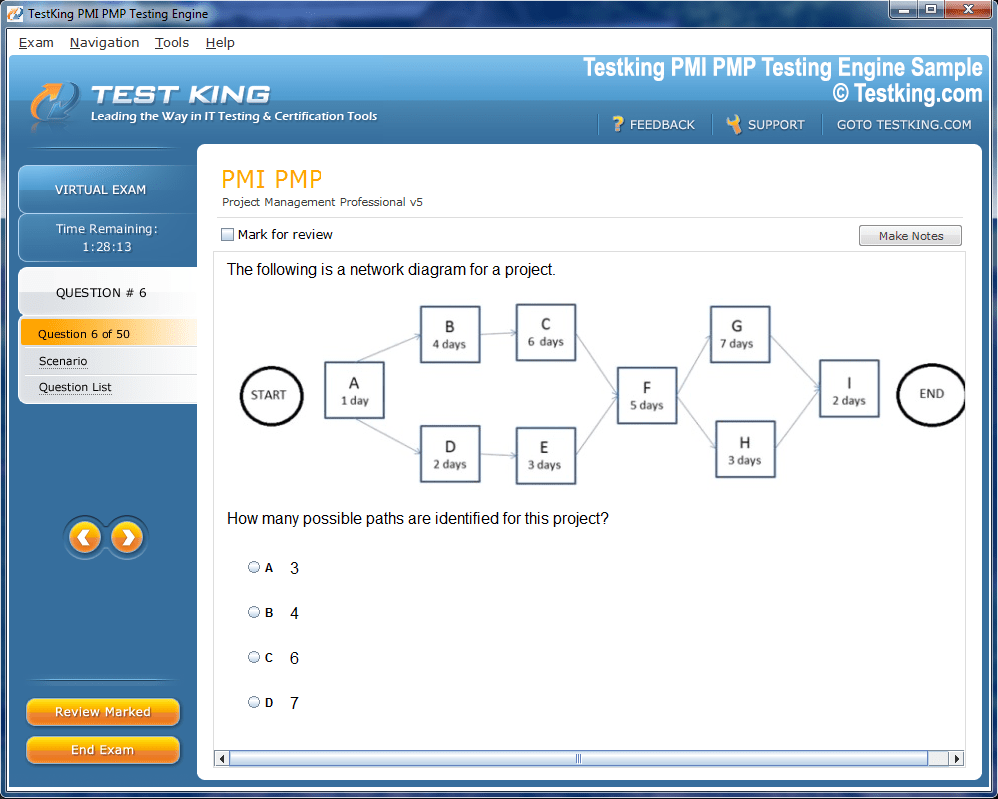
Product Screenshots
Frequently Asked Questions
Where can I download my products after I have completed the purchase?
Your products are available immediately after you have made the payment. You can download them from your Member's Area. Right after your purchase has been confirmed, the website will transfer you to Member's Area. All you will have to do is login and download the products you have purchased to your computer.
How long will my product be valid?
All Testking products are valid for 90 days from the date of purchase. These 90 days also cover updates that may come in during this time. This includes new questions, updates and changes by our editing team and more. These updates will be automatically downloaded to computer to make sure that you get the most updated version of your exam preparation materials.
How can I renew my products after the expiry date? Or do I need to purchase it again?
When your product expires after the 90 days, you don't need to purchase it again. Instead, you should head to your Member's Area, where there is an option of renewing your products with a 30% discount.
Please keep in mind that you need to renew your product to continue using it after the expiry date.
How many computers I can download Testking software on?
You can download your Testking products on the maximum number of 2 (two) computers/devices. To use the software on more than 2 machines, you need to purchase an additional subscription which can be easily done on the website. Please email support@testking.com if you need to use more than 5 (five) computers.
What operating systems are supported by your Testing Engine software?
Our S90.08B testing engine is supported by all modern Windows editions, Android and iPhone/iPad versions. Mac and IOS versions of the software are now being developed. Please stay tuned for updates if you're interested in Mac and IOS versions of Testking software.
How to Pass the Arcitura S90.08B Exam: A Comprehensive Guide
The Arcitura S90.08B exam is a pivotal step for IT professionals seeking to demonstrate mastery in service-oriented architecture and related design principles. Success in this exam is not simply about memorizing definitions or patterns; it involves cultivating a nuanced understanding of architectural paradigms, evaluating complex scenarios, and applying critical reasoning to abstract situations. The exam assesses both theoretical comprehension and practical application, creating a dual challenge that requires structured preparation.
Candidates often underestimate the importance of familiarizing themselves with the exam’s structure before diving into content. The S90.08B exam is designed to test depth and breadth. This entails recognizing the interrelationships between service components, understanding orchestration and choreography of services, and anticipating the ramifications of design decisions in real-world implementations. Unlike exams that rely heavily on rote learning, this assessment favors analytical reasoning and contextual awareness.
Core Topics and Concepts
To excel in the exam, candidates must gain proficiency across several interconnected domains. Fundamental concepts include service design patterns, service contracts, interface design, messaging paradigms, and the evaluation of service performance under varying operational constraints. A service-oriented architecture relies heavily on modularity and loose coupling, which means that candidates should be able to differentiate between services that are reusable and services that are contextually bound to specific workflows.
The nuances of service granularity are particularly significant. An overly coarse service can become unwieldy and difficult to maintain, while an excessively fine-grained service can introduce unnecessary complexity. Understanding these trade-offs requires not only familiarity with definitions but also the ability to analyze case studies and synthesize best practices. This analytical skill is often what separates candidates who pass from those who struggle.
Additionally, candidates must be conversant with the intricacies of service contracts, including the specification of input and output messages, exception handling, and versioning. Contracts are the formal agreements that govern how services interact, and they form the backbone of reliable and maintainable architectures. Proficiency in this area involves both conceptual knowledge and practical insight into real-world application scenarios.
Structured Study Approaches
Effective preparation begins with a structured approach that emphasizes both comprehension and retention. Establishing a study schedule is crucial; haphazard or sporadic review sessions are far less effective than consistent, methodical engagement with the material. Candidates should allocate blocks of time to focus on individual topics, gradually building a holistic understanding of the entire syllabus.
Integrating diverse study techniques can significantly enhance retention. Reading technical materials provides foundational knowledge, while actively summarizing concepts in one’s own words helps reinforce understanding. Diagramming service architectures or creating flowcharts of interaction sequences can solidify comprehension of complex relationships and processes. The act of translating abstract principles into visual representations is often instrumental in internalizing the subtleties of service-oriented design.
Practice exercises play a critical role as well. These may include scenario-based questions, sample case studies, or simulation of service interactions. The ability to analyze a situation, identify potential issues, and propose optimal solutions mirrors the analytical demands of the exam itself. Repetition of such exercises fosters pattern recognition and accelerates decision-making under time constraints, which is invaluable on exam day.
Cognitive Strategies for Retention
High-level retention of information requires more than passive review. Cognitive strategies such as spaced repetition, interleaving, and active recall are especially effective. Spaced repetition involves revisiting key concepts at increasing intervals, reinforcing memory and reducing the likelihood of forgetting. Interleaving, the practice of mixing related topics, encourages deeper cognitive engagement by forcing the brain to differentiate between similar but distinct concepts. Active recall, in contrast, entails attempting to reproduce knowledge from memory without direct reference materials, thereby strengthening neural pathways associated with retention.
Incorporating these strategies into a study regimen can dramatically enhance efficiency. For instance, a candidate might review service contract principles one day, then examine service orchestration techniques the next, followed by a session dedicated to analyzing case studies that combine multiple topics. This approach promotes not only memorization but also conceptual synthesis, which is essential for complex scenario-based questions.
Familiarity with Terminology
The Arcitura S90.08B exam relies heavily on precise terminology. Candidates must distinguish between terms that may appear superficially similar but carry critical differences in meaning. For example, understanding the distinction between a synchronous and asynchronous interaction, or between orchestration and choreography, is essential. Misinterpretation of these terms can lead to flawed reasoning and incorrect conclusions.
Developing a working vocabulary of architectural jargon is best achieved through a combination of reading, practice, and discussion. Engaging with technical forums, participating in study groups, or explaining concepts to peers can reinforce understanding and highlight gaps in knowledge. The act of articulating ideas in one’s own words deepens cognitive assimilation, ensuring that terms are not only recognized but also meaningfully understood in context.
Time Management Techniques
Time management is a critical component of exam success. The S90.08B exam comprises multiple complex questions that require careful reading, thoughtful analysis, and precise responses. Candidates often struggle not because they lack knowledge, but because they fail to allocate their time effectively.
One effective technique is to practice under simulated exam conditions. Setting strict time limits for practice questions can cultivate a sense of pacing and urgency, while also highlighting areas that require additional focus. It is equally important to develop strategies for triaging questions—identifying which questions can be answered quickly and which require deeper contemplation. This prioritization helps maximize scoring potential by ensuring that time is spent judiciously across all sections of the exam.
Analytical Reasoning and Scenario Evaluation
A significant portion of the exam involves scenario-based questions that assess analytical reasoning. These scenarios often present multifaceted problems requiring the candidate to evaluate multiple variables, consider potential trade-offs, and propose a course of action that aligns with service-oriented principles.
Developing proficiency in scenario evaluation involves both study and experience. Reviewing case studies, exploring sample projects, and simulating service design challenges cultivate the ability to recognize patterns, anticipate consequences, and formulate solutions that are both feasible and optimal. Candidates should approach each scenario methodically: identify the core problem, enumerate possible solutions, weigh advantages and disadvantages, and select the most appropriate course of action based on sound reasoning.
Technical Tools and Resources
Familiarity with technical tools commonly used in service design and architecture can provide a subtle advantage. Modeling tools, diagramming software, and simulation platforms enable candidates to visualize architectures and validate design decisions. While the exam does not test proficiency in specific software, understanding how these tools support analysis and design reinforces conceptual clarity and can expedite problem-solving during preparation.
Resources such as technical whitepapers, published frameworks, and architectural guidelines offer additional depth. Candidates should seek materials that illuminate advanced topics, explore uncommon scenarios, or present alternative design philosophies. Exposure to these nuanced perspectives fosters intellectual versatility and equips candidates with the insight necessary to tackle atypical questions.
Mental Preparedness and Exam Mindset
Success on the S90.08B exam is not merely a function of technical knowledge; mental preparedness is equally important. Exam anxiety can impede performance, even for well-prepared candidates. Developing techniques to maintain focus, regulate stress, and sustain cognitive stamina is crucial.
Mindfulness exercises, controlled breathing, and visualization techniques can enhance concentration and reduce anxiety. Equally important is cultivating a mindset of confidence and resilience. Candidates should approach each question with curiosity and deliberate reasoning rather than haste or panic. Recognizing that the exam evaluates understanding and application, rather than mere memorization, encourages a thoughtful and measured approach.
Integrating Knowledge into a Cohesive Framework
Ultimately, exam preparation should aim to integrate discrete knowledge areas into a cohesive framework. Service-oriented architecture encompasses multiple interconnected domains, and mastery requires recognizing these relationships. A candidate should be able to link service design patterns to contractual obligations, correlate messaging strategies with performance considerations, and assess orchestration choices in light of operational constraints.
Developing such a framework often involves iterative refinement. Initial study sessions may focus on individual topics, but subsequent reviews should emphasize connections and interdependencies. Concept maps, flowcharts, and synthesis exercises can facilitate this integration. The goal is to internalize a mental model of service-oriented principles that is both comprehensive and adaptable, allowing for agile problem-solving in the exam context.
Common Pitfalls and How to Avoid Them
Awareness of common pitfalls can prevent costly mistakes. Candidates frequently overlook the subtleties of scenario-based questions, misinterpret terminology, or underestimate the complexity of service interactions. To avoid these errors, careful reading and deliberate analysis are essential.
Another frequent challenge is overreliance on memorization. While definitions and frameworks are important, they are insufficient on their own. Candidates must cultivate the ability to apply principles flexibly, reason through novel problems, and justify design choices. This requires a balance between knowledge acquisition and analytical practice.
Finally, time mismanagement is a recurrent issue. Practicing under realistic conditions, developing pacing strategies, and periodically reviewing progress are effective countermeasures. Maintaining composure and adhering to a structured approach ensures that candidates can navigate the exam efficiently without sacrificing accuracy.
Mastering Service Design Patterns
Service design patterns form the backbone of the Arcitura S90.08B exam, requiring candidates to not only recognize these patterns but also understand the rationale behind their use. Patterns provide recurring solutions to common design challenges, yet their applicability varies depending on context. Success in the exam depends on internalizing the subtleties that differentiate superficially similar patterns.
A key aspect of mastery is recognizing the problem a pattern is intended to solve. For instance, the canonical request-response pattern is straightforward in theory, but real-world implementations require nuanced consideration of latency, reliability, and transactional integrity. Candidates must be adept at evaluating when synchronous interactions are advantageous versus when asynchronous mechanisms provide better resilience and scalability.
Equally important is the ability to combine patterns effectively. Many complex service-oriented architectures rely on layered patterns, such as mediator patterns in conjunction with observer patterns, to manage event-driven communication across distributed components. Understanding how these patterns interact enables candidates to propose solutions that are both efficient and maintainable.
Service Granularity and Modularity
Granularity is a recurring theme in service design. Fine-grained services offer modularity and reusability but can introduce excessive inter-service communication and coordination overhead. Conversely, coarse-grained services reduce the number of interactions but may become monolithic and difficult to adapt. Recognizing this balance is critical, as exam scenarios often test the candidate’s judgment in determining optimal granularity for a given context.
Modularity, in turn, influences maintainability, scalability, and resilience. Well-modularized services facilitate independent evolution of components, enabling upgrades or replacements without disrupting the entire system. Candidates should be able to articulate the advantages and trade-offs associated with modular service composition, demonstrating both conceptual understanding and practical insight.
Service Contracts and Interoperability
A service contract is the formal specification governing interactions between services. Mastery of service contracts involves more than memorizing definitions; it requires understanding their role in enforcing consistency, ensuring interoperability, and supporting long-term maintainability.
Effective service contracts clearly define input and output messages, constraints, and exception handling mechanisms. They also include versioning strategies to accommodate future modifications without breaking existing consumers. Candidates must be adept at evaluating contracts for completeness, extensibility, and clarity.
Interoperability is tightly coupled with service contracts. An architecture’s ability to support heterogeneous systems depends on contracts that promote standardization while remaining adaptable. Candidates should be comfortable reasoning about protocols, serialization formats, and semantic consistency, as well as the implications of integrating legacy systems with modern services.
Messaging Patterns and Communication Strategies
Messaging is the lifeblood of service-oriented architectures. Candidates are expected to understand a variety of messaging patterns, including publish-subscribe, message queueing, and event-driven messaging. Each pattern has distinct advantages and operational considerations, such as reliability, throughput, and ordering guarantees.
Choosing the appropriate messaging strategy requires analytical reasoning. For example, event-driven architectures excel in decoupled environments but may complicate error handling and message sequencing. Candidates should practice evaluating the trade-offs associated with different messaging strategies and be prepared to justify their selections based on scenario requirements.
Additionally, understanding message routing, transformation, and filtering enhances candidates’ ability to design architectures that are both resilient and efficient. These subtleties often appear in exam scenarios where multiple solutions are viable, and success depends on selecting the approach that optimally balances performance, maintainability, and scalability.
Orchestration and Choreography
Orchestration and choreography represent two paradigms for managing service interactions. Orchestration centralizes control, allowing a single component to coordinate the execution of multiple services. Choreography, in contrast, relies on distributed interactions where services independently respond to events.
Candidates must distinguish between these approaches and recognize their respective strengths and limitations. Orchestration offers greater predictability and simplified monitoring, but may introduce single points of failure and reduced flexibility. Choreography supports decentralized control and adaptability but can increase complexity in managing dependencies and error propagation.
Understanding these paradigms is not merely theoretical; exam questions frequently present scenarios requiring candidates to select or design interaction strategies that align with architectural principles and operational requirements. Practicing with example workflows and service interaction diagrams helps internalize the differences and appropriate applications of each approach.
Performance and Scalability Considerations
The S90.08B exam emphasizes practical application, including evaluation of performance and scalability. Candidates should be able to analyze service interactions for potential bottlenecks, latency issues, and load distribution challenges.
Techniques such as caching, asynchronous processing, and horizontal scaling are essential tools in the service architect’s toolkit. Candidates must understand how these techniques affect both individual service performance and the overall architecture. For example, introducing asynchronous queues can improve throughput but may require sophisticated error handling and monitoring strategies to maintain reliability.
Scalability considerations extend beyond performance tuning. Candidates should recognize architectural patterns that support elasticity, such as stateless services and service partitioning. Evaluating trade-offs between vertical and horizontal scaling, understanding load balancing strategies, and anticipating the impact of service dependencies are all critical skills.
Scenario-Based Practice
Scenario-based practice is indispensable for mastery. The exam often presents multi-layered challenges requiring candidates to apply multiple concepts simultaneously. This includes selecting appropriate design patterns, defining service contracts, determining messaging strategies, and balancing performance considerations.
Practicing with detailed scenarios enables candidates to cultivate a systematic approach: identify the primary objectives, enumerate constraints, evaluate alternatives, and justify decisions. Over time, this methodology becomes second nature, allowing candidates to navigate complex questions efficiently and accurately during the actual exam.
Simulated exercises can also reveal knowledge gaps. For instance, a candidate may correctly identify a messaging pattern but fail to account for exception handling requirements or transaction boundaries. Recognizing such gaps during preparation allows for targeted review and reinforces both depth and breadth of understanding.
Cognitive Techniques for Integration
The S90.08B exam demands integration of multiple domains, making cognitive techniques essential for retention and application. Mind mapping is a powerful tool for visualizing relationships between patterns, contracts, messaging, and orchestration. By constructing diagrams that illustrate interdependencies, candidates can internalize complex interactions and anticipate scenario outcomes.
Chunking information into thematic clusters enhances cognitive assimilation. Grouping related patterns, contract types, and communication strategies allows candidates to retrieve information efficiently during analysis. Combining chunking with spaced repetition ensures sustained retention over the course of preparation, reducing cognitive overload while reinforcing mastery.
Analogical reasoning is another effective technique. Comparing unfamiliar scenarios to previously studied cases allows candidates to leverage prior knowledge and draw informed conclusions. This approach fosters adaptive expertise, enabling candidates to handle novel or ambiguous questions with confidence.
Technical Insight and Practical Exposure
While theoretical knowledge is vital, practical exposure reinforces understanding. Candidates benefit from designing sample architectures, simulating message flows, and evaluating performance implications in controlled environments. Even abstract exercises, such as diagramming potential interactions or modeling failure scenarios, cultivate the ability to anticipate real-world challenges.
Familiarity with common enterprise integration technologies, architectural frameworks, and modeling conventions enhances contextual comprehension. While exam questions do not hinge on specific tools, understanding how real-world systems operate can clarify abstract concepts and improve decision-making during scenario analysis.
Exam preparation is not merely about individual topic mastery; it is about cultivating a holistic understanding that spans design, implementation, and operational considerations. Candidates who internalize these principles are able to navigate intricate scenarios and justify design decisions with cogent reasoning.
Time Management and Exam Simulation
Effective time management is particularly critical for scenario-based questions. Candidates should practice pacing themselves, ensuring sufficient time for both comprehension and analysis. Under time pressure, the ability to prioritize subproblems, identify dependencies, and sequentially address challenges can significantly influence outcomes.
Simulating exam conditions is invaluable. This includes adhering to strict time limits, avoiding external references, and practicing sustained concentration. Such exercises build cognitive endurance, reduce anxiety, and enhance confidence. Over time, candidates internalize both content and process, creating a rhythm that supports efficient problem-solving under real exam conditions.
Error Analysis and Continuous Improvement
Analyzing mistakes during practice is a potent learning mechanism. Candidates should systematically review incorrect responses, identifying whether errors stemmed from misinterpretation, incomplete knowledge, or flawed reasoning. Understanding the root cause enables focused remediation, preventing repetition of similar errors in future scenarios.
Creating a personal catalog of challenges—such as tricky messaging interactions, ambiguous orchestration choices, or intricate contract specifications—supports targeted review. Revisiting these areas periodically reinforces retention and ensures that weaknesses are addressed comprehensively. This iterative cycle of practice, reflection, and refinement fosters deeper mastery than mere passive review.
Mental Resilience and Cognitive Agility
The exam tests not only knowledge but also cognitive agility. Candidates must shift seamlessly between patterns, contracts, messaging, and orchestration considerations, integrating multiple concepts in a coherent response. Maintaining mental flexibility and resilience under pressure is therefore essential.
Techniques such as mindfulness, short cognitive breaks, and visualization of successful scenarios can improve focus and reduce stress. Approaching each question with a methodical mindset, rather than reactive haste, promotes clarity and enhances decision-making. Confidence emerges from preparation, not chance, and mental readiness complements technical mastery in producing optimal outcomes.
Integrating Practice with Theory
Integration of practical exercises with theoretical understanding is critical. Candidates should actively correlate patterns with contracts, messaging strategies with performance implications, and orchestration approaches with modularity principles. This synthesis enables a more intuitive understanding of service-oriented architecture, transforming abstract knowledge into actionable insight.
One approach involves designing mock service architectures, annotating patterns, defining contracts, and simulating message flows. These exercises cultivate both analytical reasoning and operational foresight. Over time, candidates develop an instinct for recognizing optimal solutions and predicting the consequences of design decisions, skills that are invaluable on the exam.
Common Misconceptions and Pitfalls
Awareness of misconceptions prevents costly mistakes. Candidates often overgeneralize patterns, misapply orchestration concepts, or underestimate the complexity of messaging interactions. To counteract these pitfalls, deliberate analysis of edge cases and scenario variations is essential.
Overconfidence is another frequent trap. Candidates who assume that knowledge alone suffices may fail to carefully read questions or consider constraints, resulting in avoidable errors. Cultivating a habit of deliberate scrutiny and methodical reasoning ensures that all aspects of a problem are addressed comprehensively.
Finally, underestimating the interconnected nature of concepts can lead to fragmented understanding. Successful candidates appreciate that architecture is a tapestry of interdependent components, and mastery requires both micro-level knowledge and macro-level synthesis.
Service Lifecycle Management
Service lifecycle management is a critical domain for the Arcitura S90.08B exam, encompassing the processes and principles governing the creation, deployment, operation, and retirement of services. Candidates are expected to understand not only the theoretical frameworks but also the practical implications of lifecycle decisions on maintainability, scalability, and operational reliability.
The service lifecycle begins with design and specification. During this phase, candidates must be able to articulate clear service objectives, define contracts, and establish appropriate granularity. The design stage sets the foundation for the entire lifecycle, and missteps here can propagate challenges downstream. An effective design anticipates operational conditions, aligns with organizational goals, and incorporates extensibility for future requirements.
Deployment strategies form the next crucial stage. Candidates should understand various deployment patterns, including blue-green deployments, canary releases, and rolling updates. Each strategy has trade-offs in terms of risk mitigation, operational continuity, and rollback capabilities. Familiarity with these approaches enables candidates to assess scenarios where service availability and minimal downtime are critical.
Operational management encompasses monitoring, logging, and performance tuning. Candidates must recognize indicators of service degradation, understand metrics for throughput, latency, and error rates, and be able to recommend corrective measures. Operational awareness also includes understanding capacity planning, failover mechanisms, and the use of automated orchestration tools to maintain service reliability.
Finally, the retirement phase addresses the controlled decommissioning of services. Candidates should understand the importance of backward compatibility, data migration, and client notification to avoid disruption. Proper lifecycle management ensures that services remain sustainable, adaptable, and maintainable throughout their existence, aligning with both technical and organizational objectives.
Security Considerations in Service-Oriented Architectures
Security is a non-negotiable component of service-oriented architecture. The S90.08B exam frequently tests candidates’ ability to integrate security principles into design and operational decisions. Understanding authentication, authorization, encryption, and auditing mechanisms is fundamental.
Authentication strategies may involve identity tokens, federated identity management, or certificate-based verification. Candidates must evaluate the appropriateness of each approach in relation to service exposure, trust domains, and regulatory requirements. Authorization, on the other hand, ensures that authenticated entities have access only to permitted resources. Techniques such as role-based access control and attribute-based access control are commonly assessed.
Data protection is another critical aspect. Encryption of messages in transit and at rest, along with secure storage practices, ensures confidentiality and integrity. Candidates should understand symmetric versus asymmetric encryption, hashing, and digital signatures, and recognize the operational implications of implementing these mechanisms.
Auditing and monitoring provide oversight, enabling organizations to detect anomalies, enforce compliance, and respond to potential breaches. Candidates should be capable of designing audit trails that balance operational overhead with sufficient granularity for accountability. The integration of security into every phase of the service lifecycle is essential, reflecting the principle of “security by design” rather than an afterthought.
Advanced Architectural Evaluation
Evaluating complex service-oriented architectures requires an analytical mindset capable of synthesizing multiple dimensions, including scalability, reliability, maintainability, and performance. Candidates must be able to apply evaluation frameworks to assess trade-offs and identify potential design improvements.
One key evaluation approach involves scenario simulation. By modeling workloads, service interactions, and failure conditions, candidates can anticipate bottlenecks, identify single points of failure, and determine the effectiveness of orchestration or choreography strategies. Scenario simulation reinforces both conceptual understanding and operational foresight.
Another important technique is impact analysis. When modifying a service or introducing new components, candidates must predict the ripple effects across dependent services. This requires a clear understanding of service dependencies, contract constraints, and operational interactions. Ability to perform impact analysis demonstrates both technical acumen and strategic thinking, traits highly valued in the context of the S90.08B exam.
Fault Tolerance and Resiliency
Candidates are expected to design architectures that are resilient to failures and capable of graceful degradation. Fault tolerance involves anticipating failures and implementing mechanisms such as retries, circuit breakers, and redundant service instances. Resilient systems maintain core functionality even under adverse conditions, which is essential for both operational reliability and user satisfaction.
Understanding the trade-offs between resilience and complexity is critical. For example, adding redundant services improves availability but may introduce synchronization challenges or increase maintenance overhead. Candidates should be able to assess these trade-offs and propose solutions that optimize reliability without unnecessary complexity.
Resiliency also encompasses monitoring and automated recovery. Services should be instrumented to detect anomalies, trigger alerts, and, where feasible, self-heal. Candidates should understand patterns for fault detection and automated remediation, including health checks, dependency monitoring, and failover procedures.
Performance Optimization
Performance is another domain where analytical reasoning is paramount. Candidates must understand how architectural decisions affect throughput, latency, and resource utilization. Techniques such as caching, load balancing, and asynchronous processing are frequently assessed.
Caching strategies, whether at the client, service, or database level, can drastically reduce latency but may introduce consistency challenges. Candidates must recognize when caching is advantageous and when strict consistency is required. Load balancing, in turn, ensures that workloads are distributed efficiently across service instances. Familiarity with both horizontal and vertical scaling strategies is essential for evaluating performance under varying operational loads.
Asynchronous processing can decouple services and enhance throughput, but it may complicate transactional integrity or message sequencing. Candidates should be able to weigh these trade-offs and design solutions that maintain both performance and correctness.
Governance and Compliance
Service-oriented architectures are subject to governance policies and regulatory requirements. Candidates must understand how governance frameworks influence design, deployment, and operational practices. This includes establishing standards for service naming, versioning, documentation, and auditing.
Compliance considerations may involve data privacy regulations, industry standards, or contractual obligations. Candidates should be capable of designing architectures that adhere to these requirements without sacrificing flexibility or performance. Understanding the interplay between governance, compliance, and operational efficiency demonstrates a holistic perspective that is crucial for exam success.
Scenario-Based Architectural Analysis
Exam scenarios often combine multiple domains, requiring candidates to analyze complex systems holistically. For example, a scenario may present a service ecosystem with performance constraints, security requirements, and evolving business rules. Candidates must evaluate trade-offs, identify potential issues, and propose design modifications that balance competing priorities.
Effective scenario analysis involves structured thinking: clarifying objectives, mapping dependencies, evaluating alternatives, and justifying decisions. Practicing this process strengthens analytical reasoning, reinforces conceptual understanding, and develops confidence in handling the multifaceted challenges presented in the S90.08B exam.
Cognitive Strategies for Advanced Topics
As with foundational concepts, advanced topics benefit from cognitive techniques such as chunking, spaced repetition, and analogical reasoning. Chunking groups related concepts into manageable units, facilitating retention and retrieval. Spaced repetition reinforces memory over time, ensuring that advanced material remains accessible under exam conditions.
Analogical reasoning allows candidates to apply insights from familiar scenarios to novel situations. For instance, principles learned in basic service orchestration can be extended to complex choreography scenarios, enhancing adaptability. These strategies cultivate mental agility, enabling candidates to synthesize multiple domains in a cohesive and effective manner.
Practical Exercises and Mock Architectures
Hands-on practice remains indispensable, even for advanced topics. Candidates should design mock architectures that integrate lifecycle management, security, resilience, and performance considerations. This exercise cultivates both technical competence and strategic thinking.
Simulating potential failure conditions, designing redundancy mechanisms, and evaluating governance policies within mock architectures provide insight into the operational realities of service-oriented systems. Such exercises reinforce understanding and highlight areas requiring further review, ensuring preparation is both comprehensive and practical.
Common Pitfalls in Advanced Domains
Advanced topics introduce specific pitfalls that candidates must anticipate. Overemphasis on a single domain, such as performance optimization, may lead to neglect of security or compliance considerations. Conversely, excessive focus on governance may constrain architectural flexibility. Balanced reasoning is therefore essential.
Misinterpretation of scenario requirements is another common challenge. Candidates should carefully read each scenario, identify explicit and implicit constraints, and ensure proposed solutions address all relevant aspects. Failure to do so often results in incomplete or incorrect responses.
Finally, neglecting the interplay between domains—such as how security measures affect performance or how lifecycle decisions influence fault tolerance—can undermine architectural coherence. Successful candidates demonstrate an integrated perspective that accounts for dependencies, trade-offs, and long-term implications.
Mental Resilience for Complex Scenarios
Handling advanced topics requires sustained cognitive focus. Candidates should develop strategies for maintaining concentration during lengthy or intricate questions. Techniques such as brief cognitive breaks, structured note-taking, and systematic evaluation of subproblems enhance both accuracy and efficiency.
Mental resilience also involves maintaining confidence when confronted with ambiguity. Advanced exam scenarios often include incomplete information or multiple viable solutions. Candidates must reason through uncertainty, justify their choices, and remain adaptable, reflecting both mastery of content and strategic thinking.
Integration of Theory and Practice
The S90.08B exam rewards candidates who synthesize theory and practice seamlessly. Understanding lifecycle management principles is insufficient without practical application; similarly, knowledge of security or performance considerations must be coupled with analytical evaluation and scenario reasoning.
Integration exercises—such as designing end-to-end architectures that encompass multiple services, contracts, messaging strategies, and operational considerations—reinforce holistic understanding. Over time, candidates internalize patterns, anticipate interdependencies, and develop the cognitive agility required for complex decision-making.
Review and Iterative Learning
Preparation for advanced topics benefits from iterative review. Candidates should periodically revisit complex concepts, refine mock architectures, and simulate exam scenarios. This iterative approach reinforces retention, clarifies misunderstandings, and deepens analytical skills.
Tracking progress and reflecting on errors is equally important. Candidates should analyze incorrect responses, identify root causes, and adjust study strategies accordingly. Continuous refinement ensures that preparation evolves in response to challenges, cultivating both mastery and confidence.
Analyzing Real-World Service Ecosystems
Understanding real-world service ecosystems is an indispensable skill for the Arcitura S90.08B exam. Candidates must demonstrate the ability to evaluate complex, multi-layered architectures and anticipate the consequences of design decisions. Real-world systems introduce constraints such as legacy integrations, performance bottlenecks, security requirements, and organizational policies, which must all be reconciled when designing or analyzing services.
A service ecosystem is rarely linear. Components interact in intricate, interdependent ways, and small modifications can propagate unexpected effects. Candidates should approach ecosystem analysis methodically: map service dependencies, identify communication flows, and assess potential points of failure. This level of comprehension enables effective problem-solving in exam scenarios where multiple variables influence outcomes.
Troubleshooting and Problem Analysis
Troubleshooting is central to success in both exam and practical contexts. Candidates are often presented with scenarios involving service failures, degraded performance, or inconsistent behavior. A systematic troubleshooting approach is required: first, isolate the problem; second, identify root causes; and third, recommend corrective actions while anticipating secondary effects.
Root cause analysis often involves examining service contracts, messaging patterns, and orchestration flows. For example, an intermittent message delivery failure may stem from misconfigured asynchronous queues, while latency issues could result from improper caching strategies or overloaded endpoints. Candidates must think critically, weighing both technical and operational factors to arrive at a plausible solution.
Effective troubleshooting also relies on recognizing patterns of failure. Certain symptoms recur across systems—such as service bottlenecks caused by synchronous dependencies or performance degradation resulting from excessive logging. Familiarity with these patterns allows candidates to quickly identify potential solutions and articulate reasoning clearly during the exam.
Evaluating Operational Metrics
Operational metrics provide critical insight into service performance and reliability. Candidates should be familiar with a range of indicators, including response times, throughput, error rates, system load, and resource utilization. Interpreting these metrics enables informed decision-making about service optimization, scalability, and fault tolerance.
For example, consistently high latency may suggest the need for message batching, asynchronous processing, or horizontal scaling. Frequent errors in dependent services may indicate deficiencies in service contracts or orchestration design. Understanding how operational metrics correlate with architectural decisions is vital for both practical implementation and exam scenario analysis.
Designing for Fault Tolerance
Fault tolerance is an essential consideration in service ecosystems. Candidates must understand strategies for ensuring system resilience despite component failures. This includes redundancy, failover mechanisms, retry policies, and circuit breaker patterns.
Redundant service instances improve availability but may require careful coordination to maintain consistency. Retry policies mitigate transient failures but must be balanced against potential message duplication or cascading delays. Circuit breakers provide a safeguard against repeated failures, allowing systems to degrade gracefully rather than collapse entirely.
Candidates should be able to reason about the trade-offs inherent in fault-tolerant designs. Exam questions frequently present scenarios where candidates must select or design mechanisms that optimize both availability and maintainability under constraints such as limited resources or strict performance requirements.
Scalability Strategies
Scalability remains a central concern in service-oriented architectures. Candidates must understand horizontal and vertical scaling, load balancing, partitioning, and elasticity. Evaluating scalability requires analyzing both peak load scenarios and long-term growth trends.
Horizontal scaling involves adding service instances to distribute workload, while vertical scaling entails increasing the capacity of existing instances. Partitioning strategies, such as sharding databases or segmenting services by domain, can improve both performance and maintainability. Elastic architectures dynamically adjust resources based on demand, minimizing operational costs while sustaining performance.
Candidates should practice evaluating scenarios where multiple scaling strategies might apply, considering trade-offs in complexity, cost, and operational overhead. The ability to propose scalable solutions confidently demonstrates both conceptual understanding and practical reasoning skills required for the exam.
Optimizing Service Communication
Efficient communication between services is critical for maintaining performance and reliability. Candidates should be familiar with synchronous and asynchronous messaging, event-driven communication, and service orchestration techniques.
Synchronous communication provides immediate feedback but can introduce latency and tight coupling. Asynchronous messaging decouples services and improves resilience but may complicate transaction management and sequencing. Event-driven approaches enable reactive architectures that respond dynamically to changes but require careful monitoring to avoid cascading failures.
Optimizing service communication often involves selecting the right pattern for each scenario, designing efficient message payloads, and minimizing unnecessary interactions. Candidates must be able to justify communication strategies in terms of operational efficiency, reliability, and maintainability.
Integrating Security and Compliance
Security and compliance considerations must be integrated into every design and operational decision. Candidates should understand authentication, authorization, encryption, auditing, and regulatory compliance as integral components of the service ecosystem.
Authentication strategies, such as token-based or certificate-based verification, must align with operational needs and threat models. Authorization frameworks, including role-based or attribute-based control, ensure that services interact securely without over-permissioning. Encryption protects both data in transit and data at rest, while auditing provides accountability and supports regulatory compliance.
In exam scenarios, candidates are frequently asked to evaluate trade-offs between security measures and operational performance. For example, excessive encryption may reduce throughput, while minimal auditing could compromise accountability. Demonstrating the ability to balance these factors reflects deep understanding of real-world service ecosystems.
Case Study Simulation
Simulating real-world case studies is an effective preparation technique. Candidates can create hypothetical service ecosystems, define contracts, map dependencies, introduce failure conditions, and propose optimizations. This process cultivates analytical reasoning, reinforces conceptual understanding, and builds confidence in addressing complex scenarios.
Case study exercises also highlight knowledge gaps. For instance, designing a scalable messaging architecture may reveal uncertainties in asynchronous processing or orchestration strategies. Identifying these gaps early allows targeted study and ensures comprehensive readiness for the exam.
Performance Tuning and Bottleneck Analysis
Performance tuning involves identifying bottlenecks, analyzing resource utilization, and implementing corrective strategies. Candidates should understand techniques such as query optimization, caching strategies, parallel processing, and asynchronous operations.
Bottlenecks can manifest in different layers of the service ecosystem, including service endpoints, databases, message queues, and network infrastructure. Candidates must practice diagnosing performance issues holistically, recognizing both local and systemic causes, and proposing interventions that improve overall efficiency without compromising stability.
Performance tuning also requires evaluating trade-offs. For example, aggressive caching reduces latency but may complicate consistency. Parallel processing increases throughput but may introduce contention. The ability to reason about these trade-offs demonstrates both technical competence and strategic insight.
Change Management and Versioning
Service ecosystems evolve continuously, requiring careful change management. Candidates must understand versioning strategies, backward compatibility, and the impact of changes on dependent services.
Versioning approaches, such as semantic versioning or contract-based versioning, enable controlled evolution of services without disrupting consumers. Candidates should be able to evaluate scenarios where versioning is necessary, balancing operational continuity against innovation and feature enhancement.
Change management also encompasses rollback strategies, impact analysis, and testing protocols. Candidates who can articulate a systematic approach to managing service evolution are well-prepared to address exam questions involving dynamic, real-world ecosystems.
Cognitive Strategies for Complex Analysis
Complex service ecosystem analysis benefits from advanced cognitive strategies. Candidates should employ techniques such as decomposition, abstraction, and scenario mapping.
Decomposition breaks down the system into manageable components, allowing focused analysis of individual services and interactions. Abstraction emphasizes patterns and principles rather than implementation specifics, aiding conceptual clarity. Scenario mapping visualizes interactions, dependencies, and potential points of failure, reinforcing both analytical reasoning and memory retention.
These strategies help candidates navigate intricate exam questions efficiently, enabling clear, structured responses that demonstrate mastery of multiple domains simultaneously.
Iterative Testing and Validation
Testing and validation are crucial for ensuring that proposed solutions are viable. Candidates should practice validating mock architectures, simulating message flows, and assessing fault tolerance.
Iterative testing involves repeated cycles of design, implementation, evaluation, and adjustment. This approach mirrors real-world development processes and reinforces the ability to reason about system behavior under varying conditions. In the exam context, iterative testing cultivates a disciplined problem-solving methodology, enabling candidates to respond to complex scenarios methodically.
Validation also includes assessing compliance, performance, and scalability. Candidates should consider both qualitative and quantitative measures, ensuring that proposed solutions align with design objectives and operational constraints.
Identifying Interdependencies
Interdependencies are a defining characteristic of service ecosystems. Candidates must recognize how services, contracts, messaging patterns, orchestration strategies, and operational processes interact.
Failure to account for interdependencies often results in incomplete or suboptimal solutions. Exam scenarios frequently test the candidate’s ability to identify cascading effects, evaluate trade-offs, and propose adjustments that maintain systemic coherence. Techniques such as dependency mapping and impact analysis are valuable tools for mastering this aspect of the exam.
Advanced Scenario Practice
Advanced scenario practice is essential for consolidating knowledge. Candidates should engage with complex, multi-faceted exercises that integrate lifecycle management, performance tuning, fault tolerance, security, and scalability considerations.
Practicing advanced scenarios reinforces the ability to prioritize, synthesize information, and propose solutions that balance multiple constraints. Repeated exposure cultivates both confidence and cognitive agility, enabling candidates to navigate unfamiliar or ambiguous questions with clarity and precision.
Common Pitfalls in Ecosystem Analysis
Candidates often fall into specific traps when analyzing service ecosystems. Overlooking dependencies, underestimating failure probabilities, or neglecting scalability considerations are common errors.
Another frequent pitfall is focusing too narrowly on individual services rather than the broader ecosystem. Successful candidates maintain a holistic perspective, recognizing interactions and emergent behaviors that affect system performance, reliability, and maintainability.
Finally, candidates may underestimate the operational impact of security and compliance requirements. Integrating these considerations into every aspect of ecosystem analysis ensures both exam success and practical relevance.
Mental Resilience and Strategic Thinking
Exam scenarios that involve real-world ecosystems demand sustained mental resilience. Candidates must maintain focus, manage cognitive load, and think strategically under time constraints.
Structured approaches, such as sequential analysis of components, scenario mapping, and systematic evaluation of alternatives, support clarity and reduce error. Candidates should cultivate confidence in reasoning under ambiguity, recognizing that multiple solutions may exist but that the ability to justify choices logically distinguishes high performers.
Simulating the Exam Environment
Simulation of the exam environment is one of the most effective strategies for preparing for the Arcitura S90.08B exam. Candidates often underestimate the cognitive and emotional demands of the exam itself. Beyond content mastery, success requires familiarity with pacing, pressure, and the mental agility needed to navigate complex, multi-layered scenarios.
Creating a controlled practice environment helps candidates internalize the rhythm of the exam. This includes strict adherence to time constraints, avoidance of reference materials, and replication of the cognitive load associated with scenario analysis. Practicing in conditions that mimic the actual exam builds both confidence and endurance, reducing anxiety on test day.
Simulation exercises should include a full spectrum of question types. Multiple-choice, scenario-based, and analytical reasoning questions all appear on the exam, and candidates must be adept at handling each efficiently. Exposure to diverse question formats improves adaptability, enabling candidates to approach unfamiliar or ambiguous problems with structured reasoning rather than hesitation.
Time Management Techniques
Time management is a recurring challenge for candidates. The S90.08B exam presents complex scenarios that can easily consume disproportionate portions of the allocated time. Effective strategies involve both macro- and micro-level planning.
At the macro level, candidates should allocate time according to question weight and complexity. Questions that carry more points or involve multiple interdependent components deserve proportionally greater attention, whereas simpler, straightforward questions can be addressed quickly to maximize efficiency.
At the micro level, candidates should develop strategies for handling particularly challenging components within a scenario. Techniques such as breaking problems into subparts, sketching service interactions, or annotating key constraints help maintain focus and prevent cognitive overload. Practicing these methods during mock exams ensures that candidates can implement them instinctively under real conditions.
Prioritizing Questions and Scenario Segments
Not all exam questions demand equal attention. Candidates benefit from triaging questions by complexity and familiarity. Recognizing which components can be answered quickly allows for early point accumulation, while allocating additional time to complex or ambiguous scenarios ensures thorough analysis.
Scenario segmentation is particularly effective. Multi-layered questions often contain discrete subproblems related to service design, messaging patterns, contracts, or performance evaluation. Addressing each segment systematically prevents oversight and facilitates logical reasoning. By organizing responses into structured sequences, candidates can demonstrate clear, methodical thinking, which is highly valued in the exam context.
Analytical Approaches to Problem-Solving
Analytical reasoning is central to the S90.08B exam. Candidates must demonstrate the ability to evaluate multiple variables, anticipate consequences, and propose coherent solutions that balance competing priorities.
A structured analytical approach begins with problem identification. Candidates should distinguish between symptoms and underlying causes, considering both technical and operational dimensions. Next, they should enumerate potential solutions, weighing advantages, trade-offs, and dependencies. Finally, candidates must select the most appropriate solution and justify their reasoning.
Practicing this approach with sample scenarios develops cognitive agility and reinforces conceptual integration. Over time, candidates internalize a systematic methodology that enables rapid, accurate analysis under exam conditions.
Troubleshooting Common Mistakes
Candidates often encounter recurring pitfalls during preparation and the exam itself. One common error is misinterpreting scenario requirements, resulting in incomplete or incorrect responses. Careful reading, annotation, and verification of constraints mitigate this risk.
Another frequent mistake is overemphasizing a single domain, such as performance optimization, at the expense of security or fault tolerance considerations. Candidates must maintain a holistic perspective, integrating multiple domains to produce balanced solutions.
Time mismanagement is also prevalent. Candidates may spend excessive time on complex questions, leaving insufficient time for others. Practicing triaging techniques and pacing strategies helps prevent this outcome, ensuring consistent performance across the exam.
Leveraging Mock Exams
Mock exams are a cornerstone of effective preparation. They offer insight into both knowledge gaps and time management skills. Candidates should treat mock exams as real tests, adhering to strict time limits, avoiding reference materials, and simulating cognitive load.
After completing a mock exam, candidates should engage in thorough analysis. Reviewing incorrect answers, identifying reasoning errors, and assessing pacing strategies provide actionable insights. Repeated mock exams reinforce retention, improve decision-making under pressure, and cultivate the endurance necessary for sustained focus throughout the actual exam.
Cognitive Techniques for Exam Mastery
Cognitive techniques enhance retention, comprehension, and problem-solving efficiency. Spaced repetition reinforces long-term memory by revisiting concepts at increasing intervals, reducing the likelihood of forgetting critical information.
Chunking, which involves grouping related concepts into meaningful units, facilitates quick retrieval under time constraints. Candidates might group patterns, messaging strategies, and orchestration techniques into clusters for efficient recall during scenario analysis.
Analogical reasoning allows candidates to apply prior knowledge to novel scenarios. Comparing a familiar messaging pattern to a new, complex interaction enables candidates to reason effectively even when confronted with unfamiliar problems. Integrating these cognitive strategies strengthens both content mastery and analytical flexibility.
Diagrammatic Reasoning and Visualization
Visual representation of service interactions and architectural structures aids comprehension and problem-solving. Diagrammatic reasoning helps candidates map dependencies, highlight potential bottlenecks, and clarify orchestration flows.
Flowcharts, sequence diagrams, and service maps can reveal hidden complexities and facilitate systematic analysis. Visualization techniques also support cognitive efficiency, allowing candidates to retain and manipulate information more effectively during high-pressure scenarios.
Iterative Learning and Review
Preparation is most effective when iterative. Candidates should cycle between studying content, practicing scenarios, and reviewing performance. This process reinforces knowledge, exposes weaknesses, and cultivates problem-solving strategies.
Review sessions should not focus solely on content recall but also on methodology. Evaluating the approach to scenario analysis, troubleshooting, and time management ensures continuous refinement of both knowledge and exam skills. Iterative learning produces cumulative benefits, enhancing confidence and competence simultaneously.
Integrating Security, Performance, and Reliability
Exam scenarios frequently combine multiple considerations, such as security, performance, and reliability. Candidates must integrate these domains to propose coherent solutions that balance competing priorities.
For instance, implementing encryption enhances data security but may introduce latency. Similarly, adding redundant service instances improves fault tolerance but increases resource consumption. Candidates must reason about trade-offs, justify decisions, and optimize solutions to align with scenario requirements.
Holistic integration reflects both mastery and practical awareness. Candidates who can navigate these trade-offs effectively demonstrate the cognitive flexibility and strategic insight expected by the S90.08B exam.
Optimizing Service Contracts and Messaging
Service contracts and messaging patterns are central to scenario analysis. Candidates should be able to evaluate contracts for completeness, versioning, and adherence to best practices. Messaging patterns must be assessed for efficiency, reliability, and alignment with orchestration or choreography strategies.
Optimization exercises include evaluating payload design, message sequencing, and interaction frequency. Candidates should be capable of proposing enhancements that improve performance without compromising reliability or maintainability. Mastery of these elements is crucial for scoring well on scenario-based questions.
Stress Management and Focus
Maintaining mental resilience under exam conditions is essential. Candidates should develop techniques for stress management, such as controlled breathing, short cognitive breaks, and visualization of successful outcomes.
Focus is reinforced through structured problem-solving. By approaching scenarios methodically, breaking them into discrete components, and systematically evaluating options, candidates reduce cognitive overload and enhance accuracy. Mental resilience complements technical preparation, ensuring that knowledge and reasoning are effectively applied under pressure.
Evaluating Trade-Offs and Constraints
Many exam scenarios present constraints that require careful evaluation. Candidates must consider resource limitations, performance targets, security policies, and operational dependencies when proposing solutions.
Trade-off analysis involves weighing competing factors, such as performance versus maintainability or scalability versus complexity. Effective candidates can articulate rationale, justify choices, and propose mitigations for potential drawbacks. This analytical skill demonstrates both mastery of content and strategic thinking—critical competencies for the S90.08B exam.
Preparing for Complex Scenario Integration
Complex scenarios often integrate multiple domains, requiring candidates to synthesize knowledge, apply analytical reasoning, and propose coherent, multi-faceted solutions. Preparation should involve exercises that combine lifecycle management, fault tolerance, scalability, security, and messaging considerations.
Iterative scenario practice cultivates systematic thinking, pattern recognition, and adaptability. Candidates learn to identify dependencies, anticipate consequences, and balance multiple priorities. This approach ensures readiness for scenarios that challenge both technical knowledge and strategic reasoning.
Review and Reflection
Continuous review and reflection are essential for consolidating preparation. Candidates should periodically evaluate progress, revisit weak areas, and refine problem-solving techniques.
Reflection includes analyzing mistakes, understanding root causes, and adjusting study strategies. This process ensures that learning is active and targeted rather than passive. Candidates who engage in structured review demonstrate both mastery of content and improvement in reasoning, pacing, and decision-making.
Common Mistakes in Exam Strategy
Common mistakes include rushing through complex questions, focusing narrowly on familiar domains, and failing to account for dependencies or constraints. Candidates must cultivate a disciplined, methodical approach that balances speed with thorough analysis.
Other errors include misreading scenario requirements or neglecting trade-offs. Structured reading, annotation, and stepwise evaluation prevent oversight. Awareness of these pitfalls allows candidates to avoid preventable errors, maximizing scoring potential.
Cognitive Agility Under Pressure
Cognitive agility is the ability to adapt reasoning quickly under pressure. Candidates develop this skill through practice with diverse, challenging scenarios. Exposure to unfamiliar or ambiguous problems cultivates flexibility in analysis, enabling candidates to navigate novel questions effectively.
Agility also involves prioritization, rapid evaluation of alternatives, and confident decision-making. Candidates who demonstrate cognitive agility can respond to complex exam challenges efficiently, maintaining accuracy while managing time constraints.
Integration of Preparation Techniques
Effective preparation integrates content mastery, cognitive strategies, practical exercises, mock exams, and mental resilience techniques. Candidates should combine theoretical study with hands-on scenario practice, iterative review, and exam simulation to cultivate both knowledge and strategic proficiency.
Integration ensures that preparation is comprehensive and interconnected, reflecting the multi-dimensional demands of the S90.08B exam. Candidates develop not only mastery of content but also the reasoning and operational skills necessary for high-level performance.
Reinforcing Key Concepts
Key concepts should be revisited using active recall techniques. Candidates can quiz themselves on definitions, patterns, and architectural principles, then immediately apply them in mini-scenarios or hypothetical service designs. This active engagement reinforces retention and promotes the ability to transfer knowledge to novel problems.
Additionally, reviewing common pitfalls, trade-offs, and interdependencies helps solidify understanding. Candidates should focus on areas that historically pose challenges, such as granularity decisions, fault tolerance trade-offs, and orchestration versus choreography considerations. Reinforcing these concepts ensures they are readily accessible under the cognitive load of the actual exam.
Integration of Knowledge Across Domains
Integration is the hallmark of mastery. Candidates should practice connecting discrete topics into a cohesive framework. For example, evaluating a service ecosystem requires consideration of lifecycle management, messaging strategies, security protocols, fault tolerance, and performance simultaneously.
Integrated exercises encourage candidates to analyze dependencies, anticipate cascading effects, and propose solutions that maintain coherence across multiple dimensions. This type of holistic thinking is critical for scenario-based questions, which often test the ability to synthesize knowledge rather than recall isolated facts.
Exam Day Mindset
Mental preparedness is as important as technical competence. Candidates should cultivate a calm, focused mindset that supports analytical reasoning under pressure. Techniques such as visualization, controlled breathing, and mindfulness exercises can reduce anxiety and enhance concentration.
On exam day, candidates should approach each question systematically. Reading scenarios thoroughly, annotating constraints, and breaking down problems into discrete components prevents oversight. Maintaining a measured pace ensures that time is allocated effectively across all questions, reducing the risk of incomplete responses.
Confidence is reinforced through preparation. Candidates who have practiced mock exams, scenario analysis, and cognitive strategies develop a sense of familiarity with exam demands. This familiarity mitigates stress, allowing focus to remain on reasoning and application rather than uncertainty.
Efficient Time Allocation
Time allocation is crucial for comprehensive coverage. Candidates should reserve initial minutes for scenario scanning, identifying complexity levels and segmenting questions into manageable parts. Straightforward questions can be addressed quickly to secure early points, while more complex scenarios require deliberate analysis and structured reasoning.
Segmenting multi-layered questions improves efficiency. Breaking a scenario into service design, messaging, orchestration, performance, and security components allows methodical evaluation. Candidates should track time and adjust pace as needed, ensuring all questions are addressed without sacrificing depth or accuracy.
Analytical Problem-Solving Under Pressure
Analytical reasoning remains central to exam success. Candidates should apply structured problem-solving frameworks, including problem identification, root cause analysis, evaluation of alternatives, and selection of the optimal solution.
Scenario complexity often necessitates balancing competing priorities, such as performance versus fault tolerance, or security versus latency. Candidates must articulate reasoning clearly, justify decisions, and anticipate secondary effects. Practicing structured analytical reasoning during preparation enhances cognitive agility, enabling confident decision-making under exam conditions.
Cognitive Reinforcement Techniques
Cognitive reinforcement ensures knowledge is accessible when needed. Techniques such as spaced repetition, interleaving, and chunking consolidate learning and facilitate rapid retrieval.
Spaced repetition revisits critical concepts at increasing intervals, solidifying retention. Interleaving mixes related topics, fostering differentiation and enhancing adaptive reasoning. Chunking groups related information, such as patterns, contracts, and orchestration strategies, into cohesive units for efficient recall.
Candidates who apply these techniques consistently strengthen both content mastery and the ability to synthesize knowledge in complex, real-world scenarios.
Scenario Simulation for Final Preparation
Final preparation should include intensive scenario simulation. Candidates should practice constructing service ecosystems, evaluating dependencies, analyzing performance, and designing fault-tolerant solutions. Simulations should incorporate security, scalability, and compliance considerations, reflecting the multifaceted nature of the exam.
Repeated exposure to realistic scenarios cultivates pattern recognition, reinforces cognitive strategies, and improves speed and accuracy. Candidates develop familiarity with the logical flow of problem-solving, enhancing confidence and competence for the actual test.
Addressing Weak Areas
Final review should prioritize areas of relative weakness. Candidates should identify topics that have historically posed difficulty, whether due to complexity, abstraction, or previous errors in practice exercises.
Targeted exercises, scenario simulations, and cognitive drills strengthen understanding in these areas. Revisiting challenging domains ensures that knowledge gaps are addressed before exam day, reducing the risk of mistakes under pressure.
Practical Application of Knowledge
Beyond memorization, practical application solidifies understanding. Candidates should engage in exercises that mirror real-world service-oriented architecture tasks, such as designing modular services, defining contracts, and optimizing messaging patterns.
This practical engagement reinforces theoretical concepts and builds operational intuition. Candidates develop an ability to anticipate system behavior, identify bottlenecks, and evaluate trade-offs—skills that are directly transferable to both the exam and professional practice.
Stress Management Strategies
Managing stress is critical for maintaining performance. Candidates should employ strategies such as controlled breathing, brief cognitive breaks, and mental visualization of successful scenario resolution.
Positive self-talk and confidence reinforcement also support mental resilience. Candidates who maintain composure under pressure are more likely to make rational, deliberate decisions rather than reacting impulsively to complex or ambiguous scenarios.
Holistic Integration for Final Review
Final review should emphasize holistic integration of knowledge. Candidates must link service design, contracts, messaging, orchestration, fault tolerance, performance, and security into a coherent framework.
Exercises should encourage synthesis of these domains. For example, designing a mock service ecosystem with multiple interdependent services allows candidates to apply knowledge simultaneously, reinforcing retention and problem-solving proficiency.
Anticipating Exam Scenarios
Candidates should familiarize themselves with common scenario types and question structures. Anticipating potential challenges—such as performance bottlenecks, security trade-offs, or service orchestration dilemmas—enables proactive preparation.
Engaging in scenario forecasting and problem prediction improves analytical readiness. Candidates learn to recognize patterns and dependencies, enhancing the ability to respond effectively under timed conditions.
Leveraging Mock Exams and Feedback
Mock exams remain invaluable during final review. Candidates should simulate full-length exams under timed conditions, followed by comprehensive feedback analysis.
Review should focus not only on correct answers but also on reasoning, methodology, and pacing. Identifying errors, misinterpretations, or inefficiencies enables fine-tuning of strategies and reinforces confidence in approach.
Strategic Focus Areas
In the final review, candidates should focus on areas that yield high impact on performance. Scenario analysis, troubleshooting, and integration of multiple domains often carry significant weight.
Strategic emphasis on these areas ensures that candidates maximize scoring potential while reinforcing critical skills. Balanced attention across content mastery, cognitive strategies, and scenario reasoning produces well-rounded readiness for the exam.
Mental Preparation for Exam Day
Exam day requires both technical competence and mental agility. Candidates should prepare routines that support focus, minimize anxiety, and sustain concentration.
Practices such as reviewing key concepts briefly, engaging in light mental exercises, and maintaining a positive mindset contribute to optimal cognitive performance. Familiarity with the exam environment, pacing strategies, and question formats further enhances confidence and composure.
Review of Key Patterns and Principles
Final preparation should include concise review of essential patterns, principles, and architectural frameworks. Candidates should revisit service design patterns, messaging strategies, orchestration techniques, fault tolerance mechanisms, and performance optimization principles.
Active recall exercises, such as mentally reconstructing service interactions or evaluating hypothetical scenarios, reinforce retention and readiness. This approach ensures that critical knowledge is accessible and can be applied efficiently under timed conditions.
Building Confidence Through Mastery
Confidence is reinforced through mastery. Candidates who have systematically reviewed content, practiced scenarios, and refined analytical strategies approach the exam with assurance.
Mastery encompasses both technical knowledge and strategic reasoning. Candidates should trust in their preparation, focus on methodical problem-solving, and rely on cognitive strategies developed throughout their study process.
Maintaining Focus and Endurance
The exam requires sustained mental focus. Candidates should employ strategies to maintain attention, such as segmenting time, pacing scenario analysis, and managing cognitive load effectively.
Short mental pauses or breathing exercises between complex scenarios can refresh focus without breaking flow. Candidates who sustain cognitive endurance are less likely to succumb to fatigue, ensuring consistent performance throughout the exam.
Conclusion
Preparation for the Arcitura S90.08B exam is a comprehensive journey that demands both conceptual mastery and practical reasoning. We have explored service design patterns, granularity, modularity, service contracts, messaging strategies, orchestration, fault tolerance, scalability, performance optimization, and security integration. Each of these domains forms an interconnected ecosystem, requiring not only knowledge of individual components but the ability to synthesize them into coherent, operationally effective architectures.
Success on the S90.08B exam hinges on the ability to analyze complex scenarios, anticipate dependencies, and evaluate trade-offs systematically. Scenario-based practice, mock exams, and iterative review cultivate analytical agility, reinforce critical concepts, and build confidence under timed conditions. Cognitive strategies such as spaced repetition, chunking, analogical reasoning, and visualization further enhance retention and facilitate rapid application of knowledge during high-pressure scenarios.
Equally important is mental resilience, time management, and strategic focus. Candidates must maintain composure, pace themselves effectively, and approach each scenario methodically, balancing competing priorities such as performance, reliability, security, and maintainability.
Ultimately, the preparation process mirrors real-world service-oriented architecture challenges, equipping candidates with transferable skills that extend beyond the exam itself. By integrating theory, practical application, scenario analysis, and cognitive strategies, candidates position themselves not only to achieve success on the S90.08B exam but also to demonstrate lasting proficiency in designing, evaluating, and managing sophisticated service-oriented systems. Mastery, deliberate practice, and holistic understanding are the keys to both exam success and professional excellence.