

Certification: IBM Certified Specialist - AI Enterprise Workflow V1
Certification Full Name: IBM Certified Specialist - AI Enterprise Workflow V1
Certification Provider: IBM
Exam Code: C1000-059
Exam Name: IBM AI Enterprise Workflow V1 Data Science Specialist
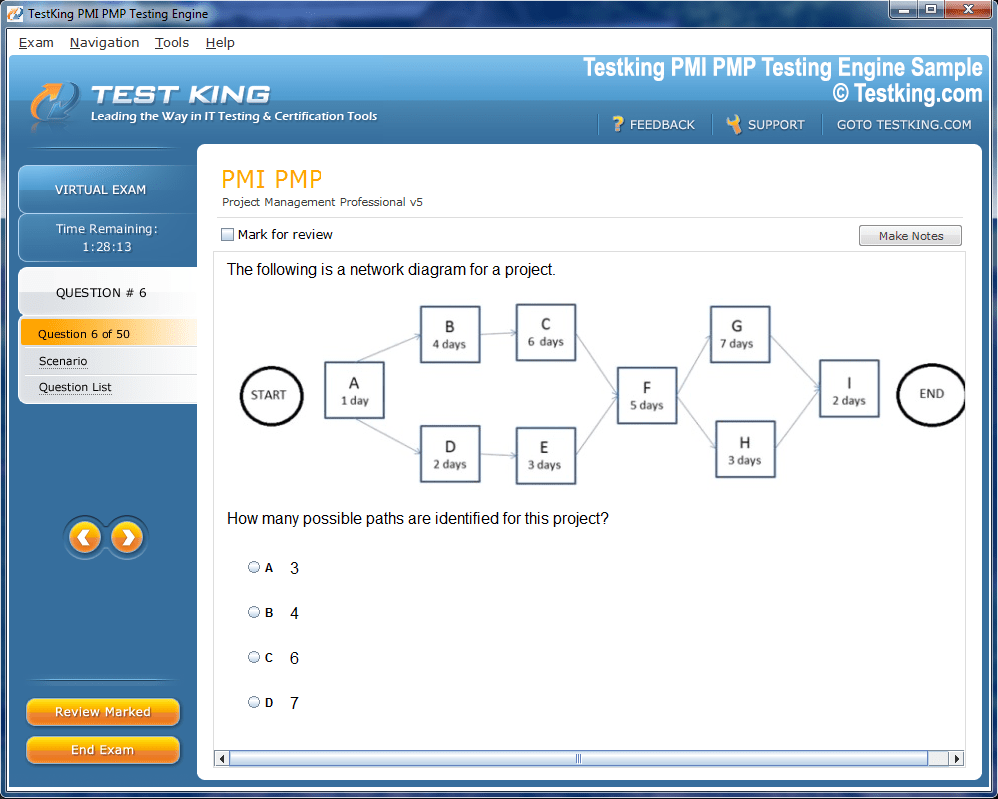
Product Screenshots
nop-1e =1
Deep Dive Into IBM Certified Specialist - AI Enterprise Workflow V1 Certification Exam Preparation
The IBM AI Enterprise Workflow Data Science Specialist certification represents a significant milestone for professionals seeking to demonstrate their expertise in enterprise AI solutions. The C1000-059 exam evaluates a candidate’s ability to navigate and implement AI workflows, manage data science projects, and apply analytical techniques in real-world scenarios. Achieving this certification not only validates technical competency but also signals an advanced understanding of IBM AI technologies and their practical applications in enterprise environments. The exam is structured to measure both theoretical knowledge and practical problem-solving skills, ensuring that candidates possess the versatility required to excel in data-driven roles.
The Structure of the C1000-059 Exam
The C1000-059 certification exam comprises multiple-choice questions that cover a wide spectrum of topics. Each question is designed to assess knowledge of enterprise AI workflows, data science methodologies, and IBM-specific tools and frameworks. Candidates are required to demonstrate familiarity with data preparation, model development, deployment, and monitoring within IBM AI environments. The exam also evaluates the candidate’s understanding of best practices for integrating AI workflows into organizational processes. The duration of the test, the distribution of topics, and the passing score are standardized to align with the official IBM AI Enterprise Workflow Data Science Specialist syllabus.
Preparation for the exam benefits from structured practice, allowing candidates to experience questions similar to those on the actual certification test. By simulating the exam environment, candidates develop familiarity with timing constraints, question complexity, and the logical sequencing required to answer effectively. This simulated experience reduces uncertainty and enhances confidence, facilitating a more focused and strategic approach to the real exam.
Importance of Practice Exams
Practice exams are an invaluable tool for anyone preparing for the C1000-059 certification. They provide a controlled environment in which candidates can assess their knowledge and identify areas that require further study. The ability to review answers and understand reasoning behind correct and incorrect choices fosters deeper comprehension of complex concepts. Furthermore, repeated practice under exam-like conditions helps improve time management and reduces the cognitive load during the actual test. Candidates can experiment with different strategies, such as prioritizing questions based on topic familiarity or difficulty, thereby optimizing their performance.
Simulated Exam Environment
The online simulated practice exams offer an immersive experience that mirrors the IBM AI Enterprise Workflow Data Science Specialist certification setting. Each question is presented with realistic scenarios, encouraging candidates to apply analytical thinking rather than rote memorization. The timed nature of the exam ensures that individuals become adept at managing the constraints of the real testing environment. This controlled exposure allows candidates to refine their approach, develop resilience to stress, and cultivate a disciplined problem-solving methodology.
By participating in a simulated exam environment, candidates also benefit from iterative learning. Each attempt provides feedback on strengths and weaknesses, highlighting specific areas that may require additional focus. Over time, this iterative process reinforces knowledge retention and builds a foundation for effective application in professional contexts.
Curated Question Bank
The question bank for the IBM AI Enterprise Workflow Data Science Specialist practice exam has been meticulously curated to reflect the most current C1000-059 syllabus. Inputs from recently certified candidates and active community members ensure that questions are both relevant and representative of the types of challenges encountered on the exam. The question bank encompasses fundamental topics such as data ingestion, cleansing, feature engineering, model evaluation, and deployment, as well as advanced subjects like pipeline optimization, workflow orchestration, and integration with enterprise systems.
Each question is designed to stimulate analytical thinking and encourage candidates to consider the broader implications of their choices. This approach fosters an understanding of both technical processes and strategic decision-making, preparing candidates for scenarios they may face in their professional roles. By engaging with this comprehensive set of questions, candidates gain a holistic view of the IBM AI Enterprise Workflow landscape, enhancing both exam readiness and practical competence.
Continuous Updates and Community Contributions
One of the distinguishing features of the IBM AI Enterprise Workflow Data Science Specialist practice exam is the continuous integration of insights from certified professionals and IBM Data and AI experts. This dynamic approach ensures that the question bank remains current and aligned with evolving industry standards. Community contributions play a critical role in maintaining the accuracy, relevance, and diversity of practice questions, which in turn strengthens candidates’ preparedness.
By incorporating feedback from individuals who have successfully completed the C1000-059 certification, the practice exam captures nuances that might not be evident from static study materials alone. This includes the formulation of scenario-based questions, emphasis on emerging techniques, and the contextual application of workflows in enterprise environments. Candidates benefit from this collective expertise, gaining exposure to both conventional and novel problem-solving approaches.
Benefits of Timed Practice Sessions
Time management is a crucial skill for any certification exam, and the C1000-059 is no exception. Timed practice sessions train candidates to allocate their attention efficiently, balance accuracy with speed, and maintain focus throughout the test duration. Regular engagement with timed tests also develops cognitive endurance, enabling candidates to sustain high-level analytical thinking under pressure.
By simulating the temporal constraints of the actual exam, practice sessions highlight areas where candidates may be prone to hesitation or overanalysis. This insight allows them to refine their strategies, adopt more effective decision-making processes, and optimize their performance. Timed practice not only improves efficiency but also instills a sense of confidence, reducing anxiety and promoting composure on exam day.
Detailed Performance Tracking
A critical component of the practice exam experience is the detailed tracking of performance metrics. Each attempt generates a comprehensive report that highlights strengths, weaknesses, and progression over time. Candidates can identify patterns in their responses, determine which topics require additional review, and focus their study efforts more strategically.
Performance tracking also supports adaptive learning, whereby candidates concentrate on areas that present the greatest challenge while maintaining proficiency in topics where they already excel. This targeted approach maximizes the efficiency of preparation, ensuring that study time is invested where it will yield the most significant improvement. By continuously monitoring results, candidates can refine their preparation plan and achieve a higher level of mastery over the IBM AI Enterprise Workflow Data Science Specialist syllabus.
Scenario-Based Question Design
The practice exams emphasize scenario-based questions that replicate real-world challenges encountered in enterprise AI workflows. These questions require candidates to analyze data, interpret results, and recommend solutions within the context of practical business problems. This design philosophy encourages critical thinking, promotes a deeper understanding of workflows, and develops the ability to translate theoretical knowledge into actionable strategies.
Scenario-based questions also cultivate the candidate’s capacity to recognize patterns, anticipate outcomes, and weigh multiple factors when making decisions. This level of engagement ensures that preparation extends beyond memorization, fostering practical competence that will be valuable in professional settings. By encountering realistic scenarios during practice, candidates build confidence in their ability to apply IBM AI tools and methodologies effectively.
Advantages of a Comprehensive Question Bank
The comprehensive question bank serves as both a study guide and a testing mechanism. It provides exposure to a wide variety of question types, difficulty levels, and thematic coverage. Candidates encounter questions that assess conceptual understanding, technical skills, and strategic thinking, all of which are essential for success in the C1000-059 certification exam.
Engaging with a diverse set of questions strengthens the candidate’s ability to synthesize information, draw connections across topics, and approach problems holistically. The inclusion of both fundamental and advanced topics ensures that candidates develop a balanced skill set, capable of addressing both routine and complex tasks within enterprise AI workflows.
Enhancing Exam Readiness Through Iterative Practice
Iterative practice is a cornerstone of effective exam preparation. By repeatedly engaging with the practice questions, candidates reinforce knowledge retention, refine analytical skills, and improve their response accuracy. Each attempt provides new insights, whether through exposure to unfamiliar question types, identification of knowledge gaps, or development of optimized problem-solving strategies.
This cyclical process of practice, feedback, and adjustment builds a robust foundation for success. Candidates become increasingly familiar with the structure and expectations of the C1000-059 exam, reducing uncertainty and enhancing confidence. Over time, iterative practice cultivates proficiency, resilience, and the ability to navigate complex scenarios with precision.
Integration of Feedback from Certified Professionals
The practice exam incorporates ongoing feedback from individuals who have successfully completed the IBM AI Enterprise Workflow Data Science Specialist certification. These insights inform the development of new questions, the refinement of existing ones, and the emphasis on emerging topics. By integrating this experiential knowledge, the practice exam aligns closely with real-world requirements, ensuring that candidates are prepared for both the technical and contextual demands of the C1000-059 exam.
The collaboration between certified professionals and community contributors enhances the depth, relevance, and authenticity of the practice questions. This collective intelligence ensures that candidates are exposed to realistic challenges, promoting a comprehensive understanding of enterprise AI workflows and data science applications.
Building Knowledge Through Practice
Preparation for the IBM AI Enterprise Workflow Data Science Specialist certification is most effective when practice is combined with active learning. Engaging with scenario-based questions encourages reflection, critical analysis, and the application of knowledge in practical contexts. This experiential approach reinforces concepts, promotes retention, and cultivates the ability to respond thoughtfully under exam conditions.
Candidates who engage deeply with practice questions develop a nuanced understanding of workflows, models, and enterprise integration strategies. This depth of knowledge not only supports exam success but also enhances professional capability, enabling individuals to apply IBM AI methodologies effectively in their work environments.
Strategic Approaches to Preparing for the IBM AI Enterprise Workflow Data Science Specialist Exam
Preparation for the IBM AI Enterprise Workflow Data Science Specialist certification requires a multifaceted strategy that integrates knowledge acquisition, scenario-based practice, and iterative assessment. Candidates must balance technical comprehension with practical application, ensuring that each component of the C1000-059 syllabus is mastered. A strategic approach involves not only studying theoretical concepts but also engaging in exercises that simulate enterprise AI workflows, thereby bridging the gap between knowledge and execution. This methodology cultivates proficiency in both foundational and advanced topics, enabling candidates to address diverse challenges with precision.
Immersive Learning Through Scenario-Based Exercises
Scenario-based exercises are pivotal in preparing for the IBM AI Enterprise Workflow Data Science Specialist exam. Unlike traditional rote learning, these exercises immerse candidates in realistic enterprise contexts, requiring them to apply analytical reasoning, interpret data patterns, and make decisions under constraints. Scenarios may include data preprocessing challenges, model optimization tasks, or workflow orchestration issues, reflecting the multifarious nature of real-world applications. By navigating such scenarios repeatedly, candidates develop an intuitive understanding of workflow dependencies, potential bottlenecks, and the strategic deployment of AI models in enterprise environments.
Advantages of Timed Mock Examinations
Timed mock examinations replicate the pacing and structure of the C1000-059 certification exam. Practicing under time constraints instills discipline, improves decision-making efficiency, and enhances cognitive endurance. Candidates learn to allocate their attention strategically, balancing speed with accuracy. Regular engagement with timed assessments also exposes common pitfalls, such as overanalyzing questions or neglecting certain sections, which can then be mitigated through iterative practice. Over time, candidates develop a rhythm, enhancing both their performance and confidence, while reducing anxiety associated with exam pressure.
Leveraging a Comprehensive Question Repository
A meticulously curated question repository is central to exam preparation. The repository for the IBM AI Enterprise Workflow Data Science Specialist certification encompasses a diverse array of questions derived from the latest C1000-059 syllabus. This includes foundational topics such as data ingestion, cleaning, transformation, and feature engineering, as well as complex areas like model deployment, workflow orchestration, and integration with enterprise-scale AI systems. Each question is designed to provoke analytical thought, requiring candidates to assess multiple variables, weigh alternatives, and arrive at informed conclusions.
By engaging with a broad spectrum of questions, candidates develop versatility in their problem-solving approach. This exposure fosters adaptive thinking, a critical asset for both the exam and professional applications where enterprise AI workflows frequently involve nuanced, context-sensitive decisions. The repository’s continuous updating ensures alignment with evolving industry standards, keeping preparation relevant and dynamic.
Integrating Community Insights into Preparation
Community contributions enrich the preparation process by providing insights from recently certified candidates and IBM Data and AI specialists. These contributions inform question development, highlight emerging best practices, and provide nuanced guidance that static study materials may overlook. By tapping into this collective expertise, candidates gain access to practical tips, clarifications, and perspectives that enhance comprehension and application of complex topics.
Regular interaction with a certified community also fosters accountability and motivation. Candidates can benchmark their progress, exchange strategies, and refine their understanding of workflows in line with real-world standards. This collaborative dimension ensures that preparation is both comprehensive and contextually informed, bridging the theoretical and practical aspects of enterprise AI expertise.
Cognitive Reinforcement Through Iterative Practice
Iterative practice is indispensable for solidifying knowledge and enhancing analytical acuity. Repeated exposure to scenario-based questions and simulated exam conditions reinforces learning and facilitates long-term retention. Candidates benefit from immediate feedback, allowing them to identify misconceptions, adjust strategies, and consolidate understanding across all topics.
This iterative process not only enhances technical proficiency but also strengthens higher-order cognitive skills such as synthesis, evaluation, and decision-making. Candidates learn to approach problems methodically, analyze data critically, and implement solutions with confidence. Over successive practice cycles, these capabilities become ingrained, equipping candidates with the intellectual agility required to navigate both the C1000-059 exam and real-world enterprise AI projects.
Optimizing Knowledge Retention with Detailed Performance Metrics
Comprehensive performance metrics provide invaluable insights into a candidate’s readiness. Detailed reports generated after each practice attempt highlight areas of strength, expose weaknesses, and track progression over time. Candidates can identify recurring patterns in errors, understand their underlying causes, and tailor subsequent study efforts accordingly.
This data-driven approach allows candidates to prioritize learning efficiently, focusing on topics that require deeper attention while maintaining proficiency in areas of demonstrated strength. The structured evaluation of performance enhances strategic preparation, reducing the risk of overlooked concepts and ensuring a balanced mastery of the C1000-059 syllabus.
Emphasizing Conceptual Understanding Over Memorization
Success in the IBM AI Enterprise Workflow Data Science Specialist exam requires conceptual comprehension rather than mere memorization. Scenario-based questions and complex problem sets encourage candidates to think critically, connect principles across topics, and apply knowledge to novel situations. By prioritizing understanding, candidates cultivate adaptability, enabling them to respond effectively to unanticipated questions or variations in exam format.
This emphasis on conceptual clarity also translates to professional competence. Individuals who internalize workflow principles, model evaluation techniques, and enterprise integration strategies are better equipped to design, implement, and optimize AI-driven solutions in real-world environments. The practice exams, by fostering this depth of understanding, serve as both a preparation tool and a bridge to practical application.
Enhancing Exam Performance Through Adaptive Learning
Adaptive learning is a core principle of effective preparation. Candidates benefit from focusing on areas that present the greatest challenge while maintaining competence in topics already mastered. Practice platforms that dynamically adjust question emphasis based on performance encourage targeted study, optimizing preparation efficiency.
Adaptive learning also promotes cognitive resilience. By confronting progressively complex scenarios and varied question formats, candidates expand their analytical toolkit, sharpen critical reasoning, and develop strategies for efficient decision-making. This methodical, personalized approach ensures comprehensive preparedness, maximizing both confidence and capability in the C1000-059 exam.
The Role of Workflow Simulation in Skill Development
Workflow simulation offers a unique avenue for reinforcing practical skills. By replicating the sequences and dependencies inherent in enterprise AI processes, candidates gain hands-on exposure to model orchestration, data pipeline management, and outcome evaluation. Simulation exercises cultivate procedural fluency, allowing candidates to anticipate challenges, troubleshoot errors, and optimize system performance within a controlled environment.
Through repeated simulation, candidates develop an operational intuition that complements theoretical knowledge. This experiential familiarity enhances efficiency and accuracy in both the exam and professional practice, bridging the gap between conceptual understanding and actionable execution.
Integrating Feedback Loops for Continuous Improvement
Feedback loops are essential for continuous improvement in exam preparation. Each practice attempt provides insights that guide subsequent study, allowing candidates to iteratively refine techniques, address weaknesses, and reinforce strengths. By systematically incorporating feedback into the preparation process, candidates accelerate skill acquisition, improve problem-solving consistency, and enhance overall performance.
These feedback mechanisms also cultivate reflective practice. Candidates develop the habit of evaluating not just outcomes, but the reasoning and methodology that led to them. This metacognitive awareness strengthens analytical judgment, enabling more effective application of knowledge in complex enterprise AI scenarios.
Time Management Strategies for the C1000-059 Exam
Effective time management is pivotal to success in the IBM AI Enterprise Workflow Data Science Specialist exam. Candidates must navigate a finite number of questions under strict temporal constraints, necessitating strategic allocation of effort. Techniques such as prioritizing familiar topics, pacing responses, and avoiding excessive time on challenging items contribute to optimized performance.
Regular engagement with timed practice exams develops an intuitive sense of pacing. Candidates learn to estimate required effort, maintain focus under pressure, and transition seamlessly between question types. This preparation minimizes the risk of incomplete responses and ensures that cognitive resources are deployed efficiently throughout the exam.
Scenario Analysis for Advanced Topics
Advanced topics within the C1000-059 syllabus, such as pipeline optimization and enterprise integration, benefit from scenario analysis. Candidates examine hypothetical cases that require synthesis of multiple workflow components, evaluation of trade-offs, and strategic decision-making. Scenario analysis cultivates holistic understanding, highlighting interdependencies between processes and potential consequences of alternative actions.
By engaging with such complex scenarios, candidates develop the analytical dexterity to approach multifaceted problems systematically. This not only strengthens exam readiness but also enhances professional capability, equipping individuals to manage sophisticated AI workflows with confidence and precision.
Building Confidence Through Repetition
Repetition is a critical element in mastering the IBM AI Enterprise Workflow Data Science Specialist syllabus. Regular exposure to diverse question types, timed conditions, and scenario-based problems reinforces knowledge and builds self-assurance. Candidates develop familiarity with the structure, style, and cognitive demands of the C1000-059 exam, reducing uncertainty and fostering a composed, strategic approach.
Confidence gained through repetition extends beyond the examination setting. Individuals who internalize concepts and workflows through repeated practice are better prepared to apply these skills in professional contexts, managing projects, making data-driven decisions, and optimizing enterprise AI solutions.
Enhancing Professional Acumen Through Exam Preparation
The preparation process for the IBM AI Enterprise Workflow Data Science Specialist certification confers benefits that extend into professional practice. By engaging deeply with scenario-based questions, workflow simulations, and iterative assessments, candidates develop both technical proficiency and strategic insight. This dual competency supports effective project management, informed decision-making, and innovative application of AI methodologies within organizational environments.
The practice exams, therefore, serve a dual purpose: they equip candidates for the C1000-059 certification and simultaneously enhance practical capabilities. Professionals emerge from preparation not only ready to succeed in the exam but also capable of contributing meaningfully to enterprise AI initiatives, leveraging workflows, models, and data insights to drive business value.
Deepening Understanding of IBM AI Enterprise Workflow Components
Mastering the IBM AI Enterprise Workflow Data Science Specialist certification requires a thorough understanding of its constituent components. Each stage of the workflow—from data acquisition and preprocessing to model deployment and monitoring—plays a crucial role in achieving successful outcomes. Candidates must grasp the nuances of data handling, including quality assessment, normalization, and transformation, to ensure robust model performance. Comprehension of these foundational elements allows candidates to anticipate potential challenges and apply corrective strategies, establishing a framework for efficient workflow execution.
Beyond data management, candidates are expected to understand model selection criteria, evaluation metrics, and iterative optimization techniques. Insight into these processes facilitates informed decision-making during the deployment phase, where enterprise AI solutions must operate reliably and at scale. Preparation through structured practice exams helps integrate these technical competencies into a cohesive understanding, fostering readiness for both the C1000-059 certification and real-world application.
Practical Applications of Data Science within IBM AI Workflows
The IBM AI Enterprise Workflow Data Science Specialist certification emphasizes the practical implementation of data science concepts in enterprise contexts. Candidates are required to navigate complex data pipelines, transform raw information into actionable insights, and deploy models that deliver measurable business outcomes. The C1000-059 exam evaluates not only theoretical understanding but also the ability to execute tasks within IBM’s AI ecosystem, including workflow orchestration, pipeline monitoring, and performance optimization.
Scenario-based practice exams provide candidates with opportunities to simulate these real-world tasks. By encountering questions that replicate operational challenges, candidates develop a practical intuition for workflow dynamics, potential bottlenecks, and optimization strategies. This hands-on exposure strengthens both technical proficiency and strategic thinking, ensuring that learning extends beyond rote memorization to encompass applied competence.
The Role of Feature Engineering and Data Transformation
Feature engineering and data transformation are pivotal components of the IBM AI Enterprise Workflow. Effective preparation for the C1000-059 exam requires candidates to master techniques for creating meaningful features, normalizing datasets, and handling missing or inconsistent values. These steps are critical for enhancing model accuracy, reducing bias, and improving generalization across varying data scenarios.
Practice exams frequently incorporate questions centered on these tasks, encouraging candidates to reason through decisions related to feature selection, scaling methods, and transformation strategies. This exposure builds analytical acumen, enabling candidates to evaluate multiple approaches, predict outcomes, and implement optimal solutions. The iterative practice of these concepts reinforces understanding and equips candidates to apply them effectively in both exam and professional settings.
Model Selection and Evaluation Techniques
A central aspect of the IBM AI Enterprise Workflow Data Science Specialist certification is proficiency in model selection and evaluation. Candidates must comprehend the strengths and limitations of different machine learning algorithms, understand performance metrics, and apply techniques for hyperparameter tuning. Mastery of these areas ensures that models meet enterprise standards for accuracy, efficiency, and scalability.
Scenario-based questions within the practice exams encourage candidates to consider multiple factors when selecting models. These include data characteristics, expected outcomes, resource constraints, and integration requirements. By systematically evaluating alternatives and interpreting performance metrics, candidates develop a comprehensive perspective that extends beyond isolated calculations to strategic deployment decisions.
Workflow Orchestration in Enterprise AI
Workflow orchestration is a critical competency for candidates pursuing the IBM AI Enterprise Workflow Data Science Specialist certification. Orchestration involves coordinating multiple stages of the AI lifecycle, including data ingestion, transformation, model training, and deployment. Effective orchestration ensures seamless transitions between components, minimizes errors, and optimizes system performance.
Practice exams that simulate orchestration challenges help candidates recognize dependencies, anticipate potential failures, and implement robust corrective strategies. This repeated exposure cultivates a procedural intuition that enhances both exam readiness and professional capability. By mastering orchestration, candidates gain the ability to manage complex enterprise AI projects with efficiency and precision.
Integration with Enterprise Systems
The C1000-059 certification exam evaluates the ability to integrate AI workflows with enterprise systems. Candidates must understand how to connect data pipelines, manage access controls, and ensure compatibility with existing infrastructure. Integration tasks also involve monitoring system performance, troubleshooting errors, and optimizing resource allocation to support scalable AI operations.
Scenario-based questions in practice exams simulate integration challenges, requiring candidates to analyze system interactions, evaluate dependencies, and propose viable solutions. These exercises build both technical acumen and strategic foresight, equipping candidates to handle integration tasks in real-world enterprise environments effectively.
Continuous Learning and Iterative Improvement
Continuous learning is fundamental to achieving proficiency in the IBM AI Enterprise Workflow Data Science Specialist certification. Practice exams provide a platform for iterative improvement, enabling candidates to refine skills through repeated engagement with scenario-based questions. Each attempt provides insights into strengths and weaknesses, guiding subsequent study and reinforcing retention.
Iterative practice also encourages cognitive flexibility, fostering the ability to adapt strategies based on context and feedback. Candidates develop a nuanced understanding of workflow dynamics, model behavior, and enterprise integration considerations, creating a foundation for both exam success and professional expertise.
Data Monitoring and Model Maintenance
Monitoring deployed models is a critical component of enterprise AI workflows. The C1000-059 exam assesses candidates’ ability to establish performance tracking mechanisms, detect anomalies, and implement corrective measures. Effective monitoring ensures that models continue to deliver accurate and reliable predictions over time, even as data distributions shift or operational conditions evolve.
Practice exams often present scenarios where candidates must evaluate model performance metrics, identify degradation trends, and recommend remediation strategies. This emphasis on ongoing maintenance reinforces the understanding that model deployment is not a one-time task but a continuous process requiring vigilance and proactive management.
Leveraging Community Knowledge for Exam Preparation
Preparation for the IBM AI Enterprise Workflow Data Science Specialist certification is enhanced through engagement with community knowledge. Certified professionals and active contributors provide insights, clarify complex concepts, and highlight emerging trends in enterprise AI. Incorporating these perspectives into study routines enriches understanding, ensures relevance, and supports adaptive learning.
Community engagement also fosters motivation and accountability. Candidates can benchmark their progress, exchange strategies, and gain perspectives on common pitfalls. This collaborative approach complements individual study efforts, ensuring that preparation is both comprehensive and contextually informed.
Cognitive Skills Developed Through Practice
Engaging with IBM AI Enterprise Workflow practice exams cultivates a range of cognitive skills essential for both certification success and professional proficiency. Analytical reasoning, problem decomposition, pattern recognition, and strategic decision-making are developed through scenario-based exercises. These skills enable candidates to interpret complex datasets, evaluate model performance, and optimize workflows effectively.
Repeated practice under exam-like conditions also enhances memory retention, focus, and resilience. Candidates learn to manage cognitive load, maintain composure under pressure, and approach challenges systematically. The interplay of technical knowledge and cognitive skills establishes a strong foundation for mastery of the C1000-059 syllabus and enterprise AI workflows.
Benefits of Simulated Exam Environments
Simulated exam environments replicate the structure, timing, and cognitive demands of the C1000-059 certification. Candidates gain familiarity with the pace, question complexity, and decision-making requirements inherent in the actual exam. Simulation allows candidates to practice risk management, time allocation, and adaptive problem-solving in a controlled setting, reducing uncertainty and building confidence.
Furthermore, simulated exams provide immediate feedback, highlighting areas that require further study. Candidates can track progress over multiple attempts, refine strategies, and approach each practice iteration with increasing precision. This experiential preparation enhances both technical understanding and exam readiness.
Iterative Practice for Holistic Understanding
Holistic understanding of the IBM AI Enterprise Workflow Data Science Specialist syllabus is achieved through iterative practice. By repeatedly engaging with diverse questions, candidates consolidate knowledge across multiple domains, including data processing, modeling, orchestration, integration, and monitoring.
Iterative practice encourages candidates to synthesize information, recognize interdependencies, and develop strategies that account for multiple constraints. This comprehensive approach ensures that candidates are prepared for both straightforward and complex questions, reinforcing conceptual clarity and practical competence simultaneously.
Enhancing Analytical Reasoning Through Complex Scenarios
Complex, scenario-based questions stimulate analytical reasoning and decision-making under uncertainty. Candidates are challenged to interpret multifaceted datasets, evaluate trade-offs, and implement solutions that optimize outcomes across workflow components. These exercises cultivate higher-order cognitive skills, including evaluation, synthesis, and strategic planning.
The ability to navigate complex scenarios translates directly to professional proficiency. Individuals prepared through rigorous scenario-based practice are better equipped to manage enterprise AI projects, anticipate challenges, and implement solutions that are both efficient and effective.
Importance of Feedback Integration
Integrating feedback into the preparation process is essential for continuous improvement. Each practice attempt provides diagnostic information on performance, enabling candidates to refine understanding, adjust strategies, and target weak areas. This feedback loop ensures that preparation remains focused, efficient, and aligned with exam objectives.
Feedback integration also supports metacognitive development. Candidates learn to evaluate their reasoning, identify cognitive biases, and adopt methods that enhance problem-solving efficiency. Over time, this reflective practice reinforces both exam readiness and professional competence.
Strategies for Efficient Time Allocation
Efficient time allocation is crucial during the C1000-059 exam. Candidates must balance attention across question types, prioritize familiar topics, and avoid overinvestment in challenging questions. Regular timed practice sessions help candidates internalize pacing strategies, develop an intuitive sense of required effort, and maintain focus throughout the test duration.
By mastering time management, candidates reduce the likelihood of incomplete answers, minimize cognitive fatigue, and improve overall performance. This skill is equally valuable in professional contexts, where project deadlines and workflow efficiencies depend on disciplined task management.
Building Resilience and Confidence
Consistent practice, scenario simulation, and iterative feedback contribute to resilience and confidence. Candidates develop familiarity with exam demands, cultivate problem-solving strategies, and internalize workflow principles. This preparation mitigates anxiety, enhances composure, and supports a strategic approach to both routine and complex questions.
Confidence developed through preparation extends to professional practice. Individuals gain assurance in applying IBM AI workflows, making data-driven decisions, and optimizing enterprise solutions. The combination of technical competence and self-assuredness positions candidates for success in certification and career advancement alike.
Mastering Data Preprocessing in IBM AI Enterprise Workflows
Data preprocessing is a cornerstone of the IBM AI Enterprise Workflow Data Science Specialist certification. Within the C1000-059 syllabus, candidates are expected to demonstrate proficiency in preparing raw datasets for modeling. This includes data cleansing, normalization, transformation, and the handling of missing or inconsistent values. Effective preprocessing ensures that models operate on high-quality data, reducing bias and improving predictive accuracy. Practice exams often simulate real-world scenarios, requiring candidates to make strategic decisions about feature selection, outlier handling, and encoding methods. By engaging with these exercises, candidates develop a methodical approach to data preparation that is both exam-relevant and applicable in professional settings.
The Significance of Feature Engineering
Feature engineering enhances model performance by transforming raw data into meaningful inputs. Candidates preparing for the IBM AI Enterprise Workflow Data Science Specialist exam must understand the principles behind creating, selecting, and optimizing features. Scenario-based questions often involve selecting the most predictive features, deriving new variables, or evaluating feature importance using statistical or algorithmic methods. Iterative practice with such questions cultivates analytical intuition, enabling candidates to identify impactful transformations and improve workflow efficiency. Feature engineering is not merely a technical task; it requires a blend of creativity, domain understanding, and statistical insight, all of which are emphasized in the C1000-059 exam preparation.
Understanding Model Selection and Evaluation
Selecting the appropriate model is a critical skill assessed in the IBM AI Enterprise Workflow Data Science Specialist certification. Candidates must evaluate algorithm suitability based on dataset characteristics, business requirements, and computational constraints. The C1000-059 exam emphasizes both supervised and unsupervised learning techniques, requiring candidates to understand regression, classification, clustering, and ensemble methods. Evaluation metrics, such as accuracy, precision, recall, F1 score, and ROC-AUC, are integral to assessing model performance. Practice exams provide realistic scenarios where candidates must compare models, interpret metrics, and justify selections, fostering both conceptual clarity and practical decision-making ability.
Workflow Orchestration and Pipeline Management
Workflow orchestration is essential for seamless AI operations within enterprise environments. The IBM AI Enterprise Workflow Data Science Specialist certification assesses candidates on their ability to coordinate multiple stages of AI pipelines, ensuring efficient data processing, model training, and deployment. Scenario-based practice questions simulate workflow dependencies, allowing candidates to plan, sequence, and monitor tasks effectively. Mastery of pipeline management enables candidates to anticipate bottlenecks, optimize resource allocation, and ensure reproducibility of results. Through repeated engagement with these scenarios, candidates internalize orchestration strategies that are both exam-relevant and applicable in enterprise AI projects.
Integration of Models into Enterprise Systems
Integration with existing enterprise systems is a critical aspect of the IBM AI Enterprise Workflow Data Science Specialist role. Candidates are expected to understand API interactions, data storage compatibility, and system security considerations. The C1000-059 exam assesses proficiency in embedding AI models into broader business processes while ensuring reliability, scalability, and maintainability. Practice exams often simulate integration challenges, requiring candidates to design solutions that reconcile technical constraints with organizational objectives. This practical exposure enhances readiness for certification and prepares candidates for real-world enterprise AI implementations.
Monitoring and Maintaining Deployed Models
Effective monitoring is a hallmark of professional AI workflow management. Candidates must understand techniques for tracking model performance, detecting drift, and implementing corrective actions. The C1000-059 exam emphasizes the importance of maintaining models over time, ensuring they continue to deliver accurate predictions as data distributions evolve. Practice scenarios often present candidates with performance anomalies or operational issues, requiring diagnostic reasoning and remediation planning. Mastery of monitoring techniques reinforces the principle that deployment is a continuous process, integrating vigilance, evaluation, and iterative improvement.
Scenario-Based Learning for Analytical Proficiency
Scenario-based learning is central to mastering the IBM AI Enterprise Workflow Data Science Specialist syllabus. Practice exams provide candidates with situations that mirror real-world enterprise challenges, encouraging analytical thinking and strategic decision-making. Scenarios may involve data preprocessing dilemmas, model selection under constraints, or workflow orchestration issues. By repeatedly confronting complex problems, candidates develop cognitive flexibility, learn to synthesize information across domains, and enhance problem-solving acuity. This approach bridges the gap between theoretical knowledge and applied competence, ensuring exam readiness and professional capability.
Leveraging Community Insights
Community-driven insights play a pivotal role in exam preparation. Contributions from certified IBM AI Enterprise Workflow Data Science Specialists offer practical perspectives on question trends, workflow best practices, and emerging methodologies. Candidates can incorporate these insights into their study routines, enhancing comprehension and contextual understanding. Additionally, community engagement fosters collaborative learning, motivation, and accountability. By interacting with peers and experts, candidates gain exposure to nuanced interpretations of workflow scenarios and strategies that may not be evident in traditional study materials.
Cognitive Benefits of Repetitive Practice
Repetitive engagement with practice exams enhances cognitive skills essential for both certification success and professional performance. Scenario-based questions encourage candidates to apply logical reasoning, recognize patterns, evaluate alternatives, and synthesize knowledge. Over time, repeated practice strengthens memory retention, analytical agility, and problem-solving confidence. Candidates also develop resilience under time constraints, learning to manage cognitive load and maintain focus. These benefits extend beyond the exam, supporting effective decision-making and workflow management in enterprise AI environments.
Adaptive Learning and Performance Tracking
Adaptive learning features within practice exams facilitate targeted preparation. By identifying strengths and weaknesses, candidates can prioritize study efforts on topics requiring additional attention. Performance tracking tools provide detailed metrics, including question accuracy, response time, and topic proficiency, allowing for strategic refinement of preparation. Iterative engagement with adaptive practice ensures that candidates optimize study efficiency, develop comprehensive understanding, and approach the C1000-059 exam with confidence and readiness.
Importance of Timed Practice Sessions
Timed practice sessions are essential for developing exam-taking discipline and efficiency. The C1000-059 exam imposes strict temporal constraints, necessitating careful allocation of attention across questions. Timed simulations familiarize candidates with pacing, reduce the likelihood of incomplete responses, and cultivate strategic thinking under pressure. By integrating time-bound practice into preparation routines, candidates develop an intuitive sense of task prioritization and resource allocation, both critical for exam success and professional workflow management.
Enhancing Problem-Solving Through Feedback Loops
Feedback is a cornerstone of iterative learning and skill refinement. Each practice attempt provides insights into areas of strength and weakness, enabling candidates to adjust strategies and deepen comprehension. Feedback loops encourage reflective practice, prompting candidates to evaluate their reasoning, identify recurring errors, and develop corrective strategies. Over successive iterations, this approach fosters mastery of IBM AI Enterprise Workflow concepts, reinforces exam readiness, and cultivates transferable analytical skills.
Advanced Model Optimization Techniques
The C1000-059 certification evaluates candidates’ ability to optimize models for efficiency, accuracy, and scalability. Practice exams include scenarios that require hyperparameter tuning, regularization, feature selection, and ensemble methods. Candidates learn to balance trade-offs between model complexity, interpretability, and performance. Exposure to optimization challenges enhances technical proficiency and strategic judgment, enabling candidates to design solutions that meet both operational requirements and business objectives.
Real-World Application of Workflow Knowledge
Preparing for the IBM AI Enterprise Workflow Data Science Specialist certification fosters practical competence applicable in enterprise environments. Scenario-based questions and simulated exercises encourage candidates to apply workflow knowledge to tasks such as pipeline design, data integration, model evaluation, and system monitoring. By internalizing these processes, candidates develop operational fluency and the ability to implement AI solutions effectively. This real-world relevance reinforces the value of practice exams as a bridge between certification preparation and professional expertise.
Developing Strategic Thinking Skills
Strategic thinking is integral to both exam success and enterprise AI proficiency. Candidates must consider long-term workflow implications, resource allocation, model scalability, and integration challenges. Scenario-based practice encourages holistic analysis, prompting candidates to weigh multiple factors, anticipate outcomes, and make informed decisions. This skill set enhances adaptability, problem-solving effectiveness, and the ability to manage complex AI initiatives within organizational contexts.
Building Exam Confidence Through Iterative Preparation
Confidence emerges from repeated engagement with practice materials, simulated scenarios, and iterative feedback. Familiarity with question types, exam pacing, and workflow scenarios reduces anxiety and enhances composure during the C1000-059 exam. Candidates who approach preparation systematically are better equipped to manage stress, think critically, and execute solutions efficiently. Confidence gained through practice also translates to professional environments, supporting effective workflow management and decision-making.
Integrating Scenario Analysis into Study Routines
Scenario analysis is a critical component of preparation for the IBM AI Enterprise Workflow Data Science Specialist exam. Candidates learn to deconstruct complex problems, evaluate multiple variables, and implement strategic solutions. Practice exams simulate diverse enterprise scenarios, from data preprocessing challenges to model deployment decisions, fostering analytical rigor and operational foresight. By regularly integrating scenario analysis into study routines, candidates strengthen both conceptual understanding and applied competence.
Enhancing Analytical Acumen Through Simulation
Simulation exercises replicate the sequential and interdependent nature of enterprise AI workflows. Candidates engage with practice scenarios that mimic real-world processes, requiring coordination across data pipelines, models, and integration points. This immersive experience cultivates analytical acumen, enabling candidates to anticipate potential issues, optimize processes, and implement effective solutions. Simulation also reinforces cognitive endurance, preparing candidates for the demands of timed assessments and professional AI projects.
Effective Use of Study Metrics for Exam Preparation
Comprehensive study metrics provide actionable insights for exam preparation. Candidates can evaluate accuracy, response time, topic proficiency, and performance trends to identify areas needing additional focus. Systematic analysis of these metrics informs adaptive study strategies, ensuring that preparation remains efficient and aligned with C1000-059 objectives. This data-driven approach enhances readiness, reduces knowledge gaps, and fosters mastery across all components of the IBM AI Enterprise Workflow syllabus.
Leveraging IBM AI Enterprise Workflow for Data-Driven Decision Making
The IBM AI Enterprise Workflow Data Science Specialist certification emphasizes the translation of raw data into actionable insights. Candidates preparing for the C1000-059 exam must develop the capacity to navigate complex datasets, analyze patterns, and derive conclusions that support strategic decision-making. This involves not only understanding technical methodologies but also contextualizing results within enterprise objectives. Scenario-based practice exams simulate real-world situations, allowing candidates to apply their knowledge to decisions regarding model selection, workflow optimization, and resource allocation. Such preparation fosters the ability to make informed, data-driven decisions, a critical skill for both certification success and professional application.
Enhancing Data Pipeline Efficiency
Efficiency in data pipelines is a central concern in enterprise AI workflows. Candidates must understand the importance of minimizing latency, optimizing storage and retrieval, and maintaining the integrity of sequential data processing. The C1000-059 exam assesses proficiency in designing workflows that maximize throughput while minimizing errors and redundancies. Practice scenarios frequently involve evaluating pipeline configurations, diagnosing bottlenecks, and implementing corrective measures. Mastery of these concepts ensures that candidates can manage large-scale data operations effectively, reflecting both exam readiness and professional competence.
Advanced Techniques in Data Preprocessing
Data preprocessing extends beyond basic cleaning and normalization. Candidates are expected to employ advanced techniques, including dimensionality reduction, handling imbalanced datasets, and encoding categorical variables. The IBM AI Enterprise Workflow Data Science Specialist exam emphasizes understanding the implications of these techniques on model performance. Scenario-based questions challenge candidates to choose appropriate methods in context, considering computational efficiency and predictive accuracy. Repeated engagement with such exercises fosters analytical judgment and practical skills essential for effective workflow management.
Feature Engineering for Optimized Model Performance
Feature engineering remains a focal point in preparing for the C1000-059 certification. Candidates must identify, construct, and refine features that enhance model interpretability and predictive capability. This involves combining domain knowledge, statistical techniques, and algorithmic insights to create robust inputs. Practice exams often present scenarios requiring candidates to evaluate trade-offs between feature complexity and model performance. Engaging with these exercises cultivates critical thinking and creativity, enabling candidates to design workflows that balance efficiency, accuracy, and maintainability.
Model Training and Validation Strategies
Training and validating models are core components of the IBM AI Enterprise Workflow. Candidates are expected to understand cross-validation, hyperparameter optimization, and techniques for preventing overfitting. Scenario-based practice questions frequently involve selecting validation strategies that align with dataset characteristics and business objectives. This iterative engagement reinforces understanding of model dynamics, performance evaluation, and workflow integration, ensuring candidates are prepared to implement AI solutions effectively within enterprise contexts.
Workflow Orchestration and Automation
Orchestration and automation underpin the operational efficiency of enterprise AI workflows. The IBM AI Enterprise Workflow Data Science Specialist certification assesses candidates’ ability to coordinate multiple workflow stages, automate repetitive tasks, and monitor process dependencies. Practice exams simulate scenarios requiring workflow adjustments, error handling, and optimization of sequential processes. Mastery of orchestration ensures that candidates can maintain system integrity, enhance throughput, and minimize manual intervention, all critical for both exam performance and professional proficiency.
Integration with Enterprise Systems and Applications
Enterprise AI workflows do not exist in isolation; integration with existing systems and applications is essential. Candidates must demonstrate understanding of API management, data storage compatibility, and security protocols. Scenario-based practice exams often challenge candidates to design integration strategies that maintain system efficiency while adhering to enterprise standards. This experience develops operational foresight, enabling candidates to anticipate potential conflicts, ensure seamless workflow execution, and align AI solutions with organizational objectives.
Monitoring Model Performance
Monitoring deployed models is critical for sustaining accuracy and relevance. The C1000-059 exam evaluates candidates’ ability to establish performance metrics, detect drift, and implement corrective measures. Practice exams provide scenarios where candidates must interpret trends, diagnose anomalies, and propose adjustments. Mastery of monitoring processes ensures ongoing model reliability, reflecting a comprehensive understanding of both technical and operational aspects of enterprise AI workflows.
Scenario-Based Analytical Thinking
Scenario-based exercises are instrumental in cultivating analytical thinking. Candidates engage with problems that simulate real-world challenges, such as optimizing workflow efficiency, evaluating model trade-offs, or addressing data integrity issues. This approach encourages holistic reasoning, enabling candidates to assess multiple variables, predict outcomes, and implement strategic solutions. Scenario-based practice bridges the gap between theoretical knowledge and applied competence, ensuring readiness for both the C1000-059 exam and professional practice.
Cognitive Development Through Iterative Practice
Iterative practice enhances cognitive capabilities essential for both exam performance and professional tasks. Repeated engagement with scenario-based questions fosters analytical reasoning, problem decomposition, and strategic planning. Candidates develop mental agility, learning to process information efficiently, evaluate alternatives critically, and implement effective solutions. This cognitive reinforcement is particularly valuable under timed exam conditions, where clarity of thought and decision-making speed are crucial for success.
Utilizing Performance Metrics for Adaptive Learning
Adaptive learning techniques, facilitated by performance metrics, are critical for efficient preparation. Candidates can identify strengths and weaknesses, track improvement trends, and prioritize study efforts accordingly. Detailed metrics, including response accuracy, timing, and topic coverage, allow candidates to tailor preparation strategies for maximal impact. Iterative use of these metrics enhances comprehension, reinforces retention, and ensures comprehensive mastery of the C1000-059 syllabus.
Time Management Skills for Exam Success
Time management is a pivotal skill for the IBM AI Enterprise Workflow Data Science Specialist certification. The C1000-059 exam requires candidates to allocate attention across multiple question types under strict temporal constraints. Practice exams with timed conditions train candidates to pace themselves, prioritize tasks, and manage cognitive load efficiently. This preparation not only reduces the likelihood of incomplete answers but also cultivates composure and strategic thinking, skills that are transferable to professional enterprise AI environments.
Feedback Loops for Continuous Improvement
Incorporating feedback from practice exams is essential for continuous improvement. Each attempt provides insights into question performance, decision-making strategies, and topic comprehension. By systematically integrating this feedback, candidates refine study methods, correct misconceptions, and strengthen weak areas. Over successive iterations, this process builds mastery, reinforces confidence, and enhances readiness for both the C1000-059 certification and real-world workflow management.
Advanced Model Optimization Strategies
Candidates preparing for the IBM AI Enterprise Workflow Data Science Specialist certification must develop advanced model optimization skills. This includes hyperparameter tuning, ensemble techniques, regularization, and algorithm selection based on performance metrics. Practice scenarios often present trade-offs between computational efficiency and predictive accuracy, challenging candidates to make informed, strategic choices. Mastery of these techniques ensures that candidates can implement robust, scalable, and high-performing models within enterprise workflows.
Real-World Relevance of Practice Exams
Practice exams provide preparation that extends beyond theoretical knowledge. Scenario-based exercises simulate challenges encountered in enterprise AI workflows, including pipeline optimization, data integration, and system deployment. Candidates gain experience applying analytical reasoning, evaluating alternatives, and implementing workflow adjustments in controlled environments. This practical exposure reinforces the relevance of preparation, bridging the gap between exam readiness and professional competence.
Developing Strategic Workflow Management Skills
Strategic workflow management is integral to the IBM AI Enterprise Workflow Data Science Specialist certification. Candidates must coordinate data pipelines, model execution, and system integration while considering efficiency, reliability, and scalability. Practice exams simulate scenarios requiring candidates to balance competing priorities, anticipate risks, and implement solutions that optimize workflow outcomes. This strategic focus cultivates both analytical acumen and operational foresight, preparing candidates for exam success and real-world enterprise challenges.
Building Confidence Through Practice and Reflection
Confidence is developed through repeated engagement with practice exams, scenario analysis, and iterative feedback. Candidates gain familiarity with question formats, workflow scenarios, and exam pacing, reducing anxiety and enhancing composure. Reflection on performance reinforces understanding, allows for refinement of strategies, and strengthens problem-solving capability. The resulting confidence benefits not only exam performance but also professional execution of IBM AI workflows in dynamic organizational environments.
The Role of Simulation in Exam Preparation
Simulation exercises replicate the sequential and interdependent nature of enterprise AI workflows. Candidates engage with practical scenarios requiring coordination across data pipelines, model evaluation, and system integration. This immersive experience enhances problem-solving skills, develops procedural intuition, and cultivates operational efficiency. Simulated practice reinforces both technical understanding and cognitive readiness, ensuring candidates are well-prepared for the C1000-059 exam.
Integrating Scenario Analysis into Study Routines
Scenario analysis is essential for developing analytical and strategic skills. Candidates are required to evaluate multiple variables, consider alternative solutions, and anticipate outcomes. Practice exams provide diverse scenarios, from preprocessing dilemmas to model optimization decisions, encouraging holistic reasoning. Regular integration of scenario analysis into study routines strengthens both conceptual understanding and applied competence, supporting preparation for certification and enterprise AI workflows alike.
Using Metrics to Optimize Preparation
Study metrics provide actionable insights that optimize preparation. Candidates can track accuracy, timing, and topic-specific performance, allowing targeted improvement. Systematic analysis of these metrics enables adaptive learning, ensures coverage of all syllabus components, and reinforces weak areas. Data-driven preparation enhances efficiency, fosters comprehensive understanding, and positions candidates for success in the C1000-059 certification exam.
Continuous Improvement Through Iterative Learning
Iterative learning is a fundamental component of effective exam preparation. Repeated practice, feedback integration, and scenario engagement enable candidates to refine reasoning strategies, reinforce technical knowledge, and build problem-solving resilience. Over time, iterative learning fosters a holistic understanding of IBM AI Enterprise Workflows, ensuring readiness for both certification assessment and professional application.
The Role of IBM AI Enterprise Workflow in Modern Organizations
The IBM AI Enterprise Workflow Data Science Specialist certification underscores the strategic role of AI workflows in contemporary enterprises. Candidates preparing for the C1000-059 exam must understand how data-driven processes contribute to operational efficiency, decision-making, and competitive advantage. Enterprise AI workflows encompass data acquisition, preprocessing, feature engineering, model selection, orchestration, integration, and monitoring. Mastery of these stages ensures that AI solutions are robust, scalable, and aligned with organizational objectives. Scenario-based practice exams provide candidates with exposure to real-world challenges, enhancing their ability to apply technical knowledge in practical contexts while preparing for the certification.
Data Ingestion and Quality Management
Effective data ingestion is a prerequisite for successful enterprise AI workflows. Candidates must understand methods for acquiring data from heterogeneous sources, ensuring integrity, and validating completeness. The C1000-059 exam emphasizes not only the technical steps involved but also the implications of data quality on model performance. Practice scenarios often challenge candidates to detect anomalies, implement cleansing strategies, and prioritize critical variables. Mastery of these tasks ensures candidates can establish reliable data foundations, which are critical for both exam success and professional competency.
Advanced Data Preprocessing Techniques
Data preprocessing extends beyond basic cleaning to include complex operations such as feature scaling, normalization, and transformation. The IBM AI Enterprise Workflow Data Science Specialist exam assesses candidates’ ability to handle missing values, encode categorical variables, and reduce dimensionality where appropriate. Practice exams provide scenario-based questions requiring candidates to choose preprocessing methods suited to specific data characteristics. By repeatedly engaging with these exercises, candidates develop a nuanced understanding of how preprocessing decisions influence model accuracy, stability, and interpretability.
Feature Engineering for Predictive Power
Feature engineering is integral to maximizing model efficacy. Candidates must identify, create, and optimize features that enhance predictive capabilities while minimizing redundancy and overfitting. The C1000-059 exam frequently incorporates questions that challenge candidates to select or derive features under constraints, reflecting real-world complexities. Practice scenarios foster critical thinking, enabling candidates to balance domain knowledge, statistical analysis, and algorithmic insights in their engineering decisions. Mastery of feature engineering enhances both exam readiness and professional capability in managing enterprise AI workflows.
Model Training, Validation, and Optimization
Candidates preparing for the IBM AI Enterprise Workflow Data Science Specialist certification must develop proficiency in training, validating, and optimizing models. Understanding cross-validation, hyperparameter tuning, regularization, and evaluation metrics is crucial for ensuring accurate and generalizable models. Practice exams simulate scenarios requiring candidates to choose appropriate algorithms, interpret performance metrics, and implement optimizations. Iterative exposure to these challenges cultivates strategic thinking and technical precision, equipping candidates to make informed decisions both during the C1000-059 exam and in real-world enterprise projects.
Workflow Orchestration and Process Management
Workflow orchestration is critical for maintaining efficiency and reliability in AI operations. Candidates must demonstrate the ability to coordinate sequential processes, manage dependencies, and automate routine tasks. Practice exams often simulate orchestration challenges, requiring candidates to optimize process flows and ensure robustness. Mastery of orchestration strategies enables candidates to anticipate bottlenecks, improve throughput, and maintain operational continuity, reflecting both exam competence and professional skill in managing enterprise AI projects.
Integration with Enterprise Ecosystems
Successful deployment of AI models requires integration with enterprise systems, including databases, APIs, and applications. The C1000-059 exam assesses candidates’ ability to ensure compatibility, security, and scalability of integrated workflows. Scenario-based practice exams challenge candidates to design and implement integration solutions, accounting for system constraints and organizational requirements. By engaging with these exercises, candidates develop practical experience in aligning AI workflows with broader business processes, enhancing both exam preparedness and professional expertise.
Monitoring and Maintaining AI Models
Ongoing monitoring and maintenance are essential for sustaining model performance over time. Candidates must understand techniques for detecting model drift, assessing predictive reliability, and implementing corrective actions. Practice exams often include scenarios where candidates analyze performance metrics, troubleshoot anomalies, and recommend adjustments. Mastery of monitoring strategies ensures candidates can maintain accuracy, reliability, and compliance in enterprise AI environments, reflecting both the demands of the C1000-059 exam and real-world professional practice.
Scenario-Based Problem Solving
Scenario-based problem solving is central to the IBM AI Enterprise Workflow Data Science Specialist certification. Candidates engage with exercises that simulate operational, technical, and strategic challenges, requiring analytical reasoning, strategic decision-making, and workflow optimization. Repeated exposure to complex scenarios enhances cognitive flexibility, enabling candidates to anticipate potential issues, evaluate multiple alternatives, and implement effective solutions. This approach ensures comprehensive preparation for the C1000-059 exam while developing skills applicable to professional enterprise AI tasks.
Cognitive Development Through Practice Exams
Engaging with practice exams cultivates cognitive skills essential for both certification and professional competence. Scenario-based questions promote analytical thinking, pattern recognition, critical evaluation, and strategic problem solving. Iterative practice strengthens memory retention, mental agility, and resilience under time constraints. Candidates develop confidence in processing complex information efficiently and making sound decisions, skills that are invaluable for the C1000-059 exam and practical workflow management.
Leveraging Feedback for Iterative Improvement
Feedback from practice exams is vital for continuous improvement. Candidates can analyze performance trends, identify recurring mistakes, and refine strategies. Iterative incorporation of feedback enhances comprehension, reinforces retention, and strengthens areas of weakness. This reflective process promotes a deeper understanding of IBM AI Enterprise Workflow concepts, ensuring that candidates progress toward mastery while simultaneously developing the analytical rigor required for professional practice.
Advanced Techniques in Model Optimization
Advanced model optimization is a critical component of the C1000-059 exam. Candidates must understand hyperparameter tuning, ensemble learning, regularization, and feature selection to maximize predictive accuracy and operational efficiency. Practice exams often present scenarios requiring candidates to balance model complexity, interpretability, and computational constraints. Repeated engagement with these optimization challenges strengthens both technical proficiency and strategic reasoning, equipping candidates to deliver high-quality AI solutions in enterprise settings.
Practical Application of Workflow Knowledge
The IBM AI Enterprise Workflow Data Science Specialist certification emphasizes practical application of workflow knowledge. Scenario-based practice exams simulate real-world tasks such as data integration, pipeline optimization, model deployment, and performance monitoring. Candidates develop procedural fluency, analytical judgment, and operational foresight. This applied experience ensures that learning extends beyond theoretical knowledge, preparing candidates for the practical demands of enterprise AI environments while reinforcing exam readiness.
Developing Strategic Thinking in AI Workflows
Strategic thinking is integral to both the C1000-059 exam and enterprise AI operations. Candidates must consider long-term implications of workflow design, model selection, resource allocation, and integration. Scenario-based practice encourages holistic analysis, weighing multiple variables and anticipating potential challenges. By developing strategic insight, candidates cultivate the ability to make informed decisions, optimize workflow efficiency, and achieve desired business outcomes, both in preparation for certification and in professional application.
Building Confidence Through Repetition and Reflection
Confidence is a critical component of exam performance and professional competence. Repeated engagement with practice exams, scenario analysis, and iterative feedback develops familiarity with question formats, workflow scenarios, and time management strategies. Reflecting on performance reinforces understanding, identifies areas for improvement, and strengthens problem-solving abilities. Confidence gained through structured preparation supports composure during the C1000-059 exam and enhances effectiveness in managing enterprise AI workflows.
Simulation-Based Learning for Workflow Mastery
Simulation-based learning is a powerful tool for mastering IBM AI Enterprise Workflows. Candidates engage with practice scenarios that replicate the sequential, interdependent nature of real-world AI processes. Simulation fosters procedural intuition, analytical rigor, and operational efficiency. Through repeated engagement, candidates internalize workflow principles, develop problem-solving strategies, and enhance readiness for both the C1000-059 certification and professional practice.
Integrating Scenario Analysis into Study Strategies
Scenario analysis enhances the depth and breadth of preparation for the IBM AI Enterprise Workflow Data Science Specialist certification. Candidates learn to dissect complex problems, evaluate alternatives, and anticipate outcomes. Practice exams offer diverse scenarios, including data preprocessing challenges, model optimization decisions, and workflow orchestration dilemmas. Integrating scenario analysis into study routines cultivates both conceptual understanding and applied competency, ensuring comprehensive preparation for the C1000-059 exam.
Using Metrics to Guide Preparation
Performance metrics provide actionable insights that guide study efforts. Candidates can monitor accuracy, timing, and topic proficiency, allowing targeted improvement and strategic focus. Regular analysis of these metrics supports adaptive learning, ensures comprehensive coverage of the syllabus, and reinforces weak areas. A metrics-driven approach enhances preparation efficiency, strengthens knowledge retention, and increases the likelihood of success on the C1000-059 certification exam.
Iterative Learning for Continuous Skill Enhancement
Iterative learning is essential for developing mastery in IBM AI Enterprise Workflows. Each practice attempt, feedback analysis, and scenario engagement contributes to incremental skill improvement. Candidates refine reasoning strategies, reinforce technical knowledge, and develop problem-solving resilience. Over time, iterative practice promotes a holistic understanding of workflow components, model evaluation, and enterprise integration, ensuring readiness for both certification and professional application.
Professional Growth Beyond Certification
Preparation for the IBM AI Enterprise Workflow Data Science Specialist certification equips candidates with skills that extend beyond the exam. Proficiency in data preprocessing, feature engineering, model optimization, workflow orchestration, and system integration enhances operational capability. Candidates gain expertise in managing complex AI workflows, making data-driven decisions, and optimizing enterprise processes. This preparation ensures that certification contributes to long-term professional competence and value creation within organizational contexts.
Conclusion
The IBM AI Enterprise Workflow Data Science Specialist certification represents a comprehensive measure of both technical proficiency and practical competence in enterprise AI workflows. Throughout the preparation process, candidates develop expertise across multiple domains, including data acquisition, preprocessing, feature engineering, model training and validation, workflow orchestration, system integration, and ongoing model monitoring. The C1000-059 exam emphasizes not only theoretical knowledge but also the ability to apply concepts in realistic, scenario-based contexts, reflecting the operational challenges of modern enterprises. Engaging with practice exams is central to successful preparation. Scenario-based exercises simulate real-world workflow dynamics, encouraging analytical reasoning, problem decomposition, and strategic decision-making. Iterative practice, combined with detailed feedback and performance metrics, enables candidates to identify strengths and weaknesses, refine their strategies, and consolidate knowledge across all syllabus topics. Timed simulations cultivate time management skills, resilience, and composure, fostering confidence in approaching the actual certification assessment.
Beyond exam readiness, preparation for the IBM AI Enterprise Workflow Data Science Specialist certification equips candidates with skills that are directly transferable to professional contexts. Mastery of data-driven decision-making, workflow optimization, model evaluation, and system integration ensures that certified individuals can deliver high-quality AI solutions, enhance operational efficiency, and contribute measurable value to enterprise initiatives. In essence, the journey to C1000-059 certification is both a rigorous learning experience and a pathway to professional excellence. By combining technical knowledge, applied practice, cognitive development, and strategic insight, candidates emerge not only prepared to achieve certification success but also capable of navigating and leading complex AI projects within organizational environments.
Frequently Asked Questions
Where can I download my products after I have completed the purchase?
Your products are available immediately after you have made the payment. You can download them from your Member's Area. Right after your purchase has been confirmed, the website will transfer you to Member's Area. All you will have to do is login and download the products you have purchased to your computer.
How long will my product be valid?
All Testking products are valid for 90 days from the date of purchase. These 90 days also cover updates that may come in during this time. This includes new questions, updates and changes by our editing team and more. These updates will be automatically downloaded to computer to make sure that you get the most updated version of your exam preparation materials.
How can I renew my products after the expiry date? Or do I need to purchase it again?
When your product expires after the 90 days, you don't need to purchase it again. Instead, you should head to your Member's Area, where there is an option of renewing your products with a 30% discount.
Please keep in mind that you need to renew your product to continue using it after the expiry date.
How often do you update the questions?
Testking strives to provide you with the latest questions in every exam pool. Therefore, updates in our exams/questions will depend on the changes provided by original vendors. We update our products as soon as we know of the change introduced, and have it confirmed by our team of experts.
How many computers I can download Testking software on?
You can download your Testking products on the maximum number of 2 (two) computers/devices. To use the software on more than 2 machines, you need to purchase an additional subscription which can be easily done on the website. Please email support@testking.com if you need to use more than 5 (five) computers.
What operating systems are supported by your Testing Engine software?
Our testing engine is supported by all modern Windows editions, Android and iPhone/iPad versions. Mac and IOS versions of the software are now being developed. Please stay tuned for updates if you're interested in Mac and IOS versions of Testking software.