

Certification: IBM Certified Deployment Professional - FileNet P8 V5.5.3
Certification Full Name: IBM Certified Deployment Professional - FileNet P8 V5.5.3
Certification Provider: IBM
Exam Code: C1000-074
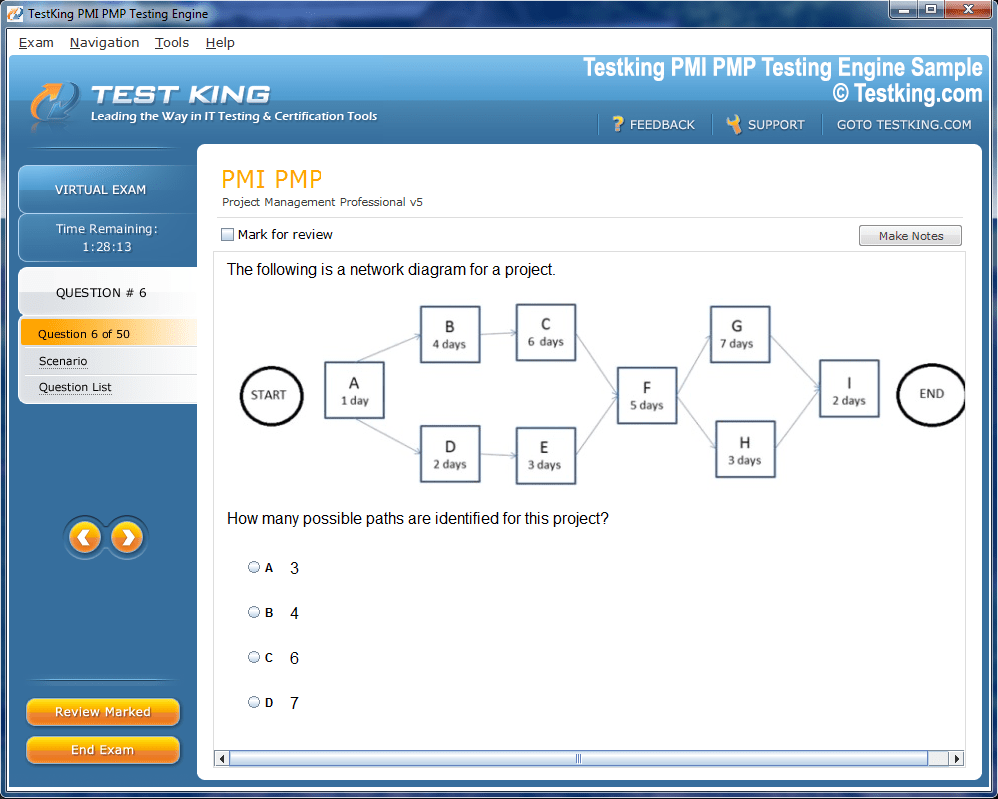
Product Screenshots



nop-1e =1
Preparing Effectively for IBM Certified Deployment Professional - FileNet P8 V5.5.3 Certification
The IBM FileNet Deployment Professional certification, recognized under the code C1000-074, serves as a critical benchmark for individuals aiming to validate their proficiency in deploying and managing IBM FileNet P8 V5.5.3 systems. This qualification distinguishes professionals who possess a thorough grasp of configuration principles, component orchestration, and the technical depth needed to sustain enterprise-level document management environments. The journey toward achieving this credential requires not only theoretical comprehension but also practical exposure to the nuances of system deployment, repository management, and integration with business applications.
As modern enterprises rely increasingly on structured content management systems, the relevance of mastering FileNet technology has grown exponentially. The FileNet platform embodies a sophisticated ecosystem designed to handle voluminous information, automate document workflows, and maintain data integrity across complex business architectures. To succeed in the corresponding certification examination, one must develop an intricate understanding of how each segment of the FileNet infrastructure collaborates to deliver performance, reliability, and scalability. The practice examinations available for C1000-074 serve as a precise reflection of the real exam environment, offering candidates a chance to familiarize themselves with the subject matter and question construction.
This certification’s essence lies not only in theoretical recall but in one’s capacity to synthesize diverse concepts into practical solutions. By navigating through the domains of configuration, deployment automation, and system optimization, candidates cultivate an adaptable mindset that extends beyond rote memorization. Each practice test, designed to mirror authentic scenarios, instills confidence and enhances analytical acumen—qualities indispensable for professionals tasked with maintaining complex FileNet ecosystems within real-world organizations.
Exploring the Objective of C1000-074 Examination Preparation
Preparation for the IBM FileNet Deployment Professional examination transcends conventional study practices. It represents a holistic endeavor where comprehension, pattern recognition, and adaptive problem-solving merge to create competence. The objective is not solely to pass an exam but to internalize the mechanics of the FileNet architecture to the extent that technical challenges become opportunities for ingenuity. The practice exams designed for this certification embody this philosophy, enabling candidates to experience a structured, simulated version of the actual examination.
Each component of the preparation process serves a specific pedagogical purpose. The design of mock examinations ensures that candidates encounter the same structural rhythm as in the real C1000-074 assessment, from the phrasing of scenario-driven questions to the enforcement of time constraints. Such meticulous calibration allows examinees to develop cognitive endurance—a quality often underestimated in technical certifications. The process of repeatedly engaging with these practice modules nurtures the discipline required for systematic troubleshooting, an essential skill for professionals overseeing FileNet deployments.
Moreover, the act of revisiting particular areas within the FileNet P8 V5.5.3 framework—such as Content Platform Engine configuration, Process Engine deployment, and workflow integration—reinforces technical depth. These repetitive exercises do not merely serve as rote drills but as iterative enhancements of conceptual understanding. As candidates become progressively accustomed to the exam structure, their mental agility improves, allowing them to interpret and resolve intricate problems under pressure.
Comprehending the Architecture of IBM FileNet P8 V5.5.3
At the heart of the certification lies a profound understanding of the IBM FileNet P8 V5.5.3 architecture. This enterprise platform is renowned for its resilience, scalability, and ability to unify disparate data sources under a cohesive document management framework. The architecture comprises several interlinked components: the Content Platform Engine, Process Engine, Application Engine, and Content Navigator interface. Each segment fulfills a distinct purpose, and their orchestration determines the efficiency of the entire deployment.
The Content Platform Engine acts as the cornerstone, governing document storage, security, and metadata handling. It operates through repositories known as object stores, where digital assets are cataloged and managed according to predefined schemas. Mastery of this component involves understanding repository creation, domain configuration, and indexing methodologies that ensure swift data retrieval. The Process Engine, on the other hand, orchestrates workflow automation, directing the movement of information across business processes. Proficiency in this domain includes designing workflows that adhere to organizational logic while optimizing task sequencing for efficiency.
Equally important is the Application Engine, which enables interaction between the user interface and backend systems. It supports the rendering of applications and allows custom extensions through APIs. Candidates aiming for the C1000-074 certification must grasp how the Application Engine integrates with external systems while maintaining performance integrity. The Content Navigator serves as the visual interface, facilitating document access, task management, and collaborative operations within the FileNet ecosystem. An adept professional must know how to configure user roles, manage permissions, and ensure that the Navigator aligns with enterprise security protocols.
A comprehensive comprehension of these components not only assists in passing the examination but also equips professionals to implement and sustain robust FileNet deployments. Each practice test scenario typically encapsulates these architectural elements, prompting examinees to analyze configurations or troubleshoot integration issues. This multidimensional perspective reflects the practical challenges faced in real-world FileNet environments, where adaptability and foresight are indispensable.
The Role of Simulated Practice in Certification Mastery
The use of simulated practice exams plays an integral role in preparing for the C1000-074 certification. A practice environment serves as an intellectual rehearsal, allowing candidates to navigate the complexities of IBM FileNet without the pressure of the actual examination. Through repetition, individuals develop a refined sense of timing, judgment, and analytical reasoning. The simulation also provides a quantitative measure of readiness by generating performance reports that delineate strengths and weaknesses across exam domains.
One of the defining features of these simulated assessments is their adherence to the official exam blueprint. Each mock test maintains the topic proportions, difficulty gradients, and contextual phrasing found in the real certification. This authenticity fosters an immersive experience, enabling candidates to approach the actual exam with familiarity and composure. The outcome is not merely confidence but an elevated command of the subject matter, derived from confronting realistic challenges.
Beyond the technical benefits, simulated practice nurtures psychological preparedness. Many candidates experience cognitive fatigue or performance anxiety when facing high-stakes examinations. Repeated exposure to the exam format mitigates these effects, replacing uncertainty with habituated composure. The practice environment acts as a buffer between theory and application, allowing for error, reflection, and improvement without consequence. As a result, professionals cultivate the precision and calm necessary for successful performance under timed conditions.
Each simulation is also a diagnostic tool. The feedback it provides is invaluable for identifying knowledge deficiencies and prioritizing study areas. For instance, consistent underperformance in repository configuration questions might signal a need for deeper exploration of domain security models or indexing strategies. Conversely, strong results in process orchestration could affirm readiness in workflow management. This data-driven feedback transforms preparation into a strategic endeavor, guided by evidence rather than speculation.
Integrating Theoretical Knowledge with Practical Application
The value of the IBM FileNet Deployment Professional certification resides not only in theoretical understanding but also in the ability to apply that knowledge in tangible scenarios. Theory provides the framework, but application validates comprehension. The C1000-074 exam reflects this principle through its scenario-based questions, which require examinees to analyze configurations, interpret deployment parameters, and resolve potential conflicts between system components.
An effective preparation strategy must, therefore, merge theoretical study with experiential learning. Candidates benefit from reconstructing FileNet environments in virtualized labs, experimenting with repository creation, domain federation, and workflow integration. This hands-on engagement transforms abstract principles into intuitive knowledge, fostering the ability to troubleshoot real-time issues with composure. Practice exams simulate this process by presenting hypothetical cases that challenge candidates to think critically, evaluate trade-offs, and recommend optimized solutions.
Incorporating practical exercises into study routines enhances both retention and confidence. The cognitive act of manipulating configuration settings or deploying components within a controlled environment triggers associative memory pathways, making recall more efficient during examinations. Moreover, by experimenting with misconfigurations and observing system behavior, candidates cultivate diagnostic reasoning—the art of identifying root causes through structured inquiry.
Another dimension of practical learning involves interpreting system documentation and deployment logs. The FileNet ecosystem generates detailed operational reports, and understanding their structure can provide insight into system health and performance. Familiarity with these elements enriches one’s technical literacy, a competency that extends well beyond certification and into daily professional tasks. Through consistent practice and deliberate application, knowledge becomes both adaptable and enduring.
Building Conceptual Depth for IBM FileNet Deployment Professional Mastery
Achieving mastery in IBM FileNet Deployment Professional certification requires more than surface-level understanding. It demands a deep intellectual immersion into the fundamental concepts that underpin the FileNet ecosystem. The C1000-074 exam evaluates how well candidates can integrate technical principles into coherent operational strategies, an expectation that extends far beyond theoretical repetition. Building conceptual depth is an iterative process, one that evolves through analysis, experimentation, and continual synthesis of new knowledge.
To understand the mechanics of FileNet P8 V5.5.3, candidates must first comprehend its position within the broader IBM content management portfolio. FileNet is not an isolated platform; it functions as a synergistic element within IBM’s enterprise suite, facilitating the storage, retrieval, and governance of digital assets. The platform’s architecture encompasses an intricate interplay of servers, services, and workflows, each dependent on precise configuration to function seamlessly. Developing proficiency in this landscape requires the ability to interpret its interconnected elements as part of a dynamic ecosystem rather than discrete units.
Conceptual depth emerges through an iterative cycle of study and reflection. When candidates analyze how the Process Engine communicates with the Content Platform Engine, or how the Application Engine transmits requests to the Navigator interface, they begin to perceive the intricate logic that governs FileNet operations. This perception is the foundation of problem-solving excellence. Without it, technical execution becomes mechanical and vulnerable to error. With it, professionals gain the cognitive flexibility to resolve issues creatively and efficiently.
A deliberate engagement with practice exams enhances this conceptual depth. Each simulated question represents a distilled real-world challenge, compelling examinees to apply their understanding within defined constraints. The process of deciphering these questions, testing hypotheses, and verifying outcomes parallels the analytical cycle of actual deployment projects. Through this exercise, knowledge evolves from static awareness into adaptive expertise, preparing candidates not just for certification but for sustained professional competence.
Interpreting the Structural Components of FileNet Systems
Understanding the structure of IBM FileNet systems is essential for anyone preparing for the C1000-074 certification. The FileNet platform is a mosaic of interdependent components, each performing specialized functions that collectively ensure operational integrity. To excel in the certification examination, candidates must internalize not only the technical definitions of these components but also their relationships and dependencies within the system hierarchy.
The core component, the Content Platform Engine, governs repository management and serves as the structural foundation upon which all other modules operate. This engine encapsulates object stores, storage areas, and metadata repositories, ensuring consistency and security in data handling. Beyond its immediate role in content preservation, it also coordinates with the Process Engine to manage the execution of workflows. The synchronization between these elements reflects the principle of modular cohesion that defines FileNet’s architecture.
The Process Engine, meanwhile, introduces the dynamic layer of business logic. It enables the automation of enterprise workflows, ensuring that information moves efficiently across organizational nodes. Its design supports scalability, allowing complex workflows to adapt to variable operational demands. A comprehensive understanding of process design, queue management, and step processor configurations is indispensable for the C1000-074 examination. These subjects frequently form the basis of scenario-based questions that test a candidate’s analytical capacity.
The Application Engine bridges the backend systems with user-facing applications. Its configuration dictates how end users interact with stored content, execute workflows, and access business objects. Candidates must know how to deploy and configure this engine, manage cache synchronization, and troubleshoot connectivity issues between layers. The Content Navigator complements this system as the visual interface, providing an intuitive medium for user interaction. It also enforces access control policies, role-based permissions, and federated content visibility. Understanding how to balance user experience with administrative governance is an essential aspect of both the exam and real-world application.
These architectural insights are not merely academic. They define the operational logic that governs the performance and reliability of FileNet deployments. Candidates who internalize the structural coherence of the system develop an intuitive sense of how changes in one component ripple through the rest of the environment. Such awareness is the hallmark of a proficient deployment professional, capable of anticipating challenges before they escalate into system-level issues.
Harnessing Analytical Rigor Through Practice Examinations
The design of IBM FileNet practice examinations reflects a pedagogical principle rooted in analytical rigor. Every question, from conceptual prompts to configuration scenarios, is crafted to evaluate more than factual recall. The goal is to measure how candidates interpret information, identify dependencies, and synthesize solutions under defined parameters. Engaging with these practice tests requires the same methodical thinking employed during actual deployment operations, thereby transforming examination preparation into a form of applied learning.
Analytical rigor begins with comprehension. Each practice question introduces a scenario that must be deconstructed logically. Candidates must discern relevant information, filter out redundancies, and apply theoretical constructs to reach viable conclusions. This process mirrors real-world troubleshooting, where clarity and structure are prerequisites for effective problem-solving. By consistently engaging with complex question sets, examinees cultivate the discipline of structured reasoning—a cognitive trait that becomes invaluable in both testing and professional contexts.
Beyond question interpretation, analytical rigor also involves time management and prioritization. The C1000-074 exam, like its practice counterpart, operates under time constraints designed to simulate real-world decision-making pressures. Candidates must evaluate when to deliberate deeply and when to move forward with confidence. This balance between precision and efficiency reflects the realities of deployment operations, where professionals must act decisively without compromising quality. Repeated exposure to these conditions in a simulated environment fortifies mental agility and decision-making speed.
Feedback derived from practice exams reinforces analytical development. Detailed result histories enable candidates to assess their reasoning patterns and detect recurring flaws in judgment. For instance, consistent misinterpretation of configuration dependencies may indicate a need for enhanced study in system architecture. Such diagnostic insights transform practice tests into iterative learning cycles, where each session becomes an opportunity to refine cognitive precision. Over time, this disciplined engagement molds analytical thinking into an instinctive process, ensuring that knowledge is not only retained but readily deployable.
Developing Systemic Insight into IBM FileNet Deployment Practices
The essence of IBM FileNet Deployment Professional certification lies in cultivating systemic insight—an elevated comprehension of how each component within the FileNet P8 V5.5.3 ecosystem contributes to the orchestration of a coherent whole. The C1000-074 examination assesses this multidimensional understanding, demanding that candidates perceive not only technical functionalities but also interdependencies that shape performance and stability. Acquiring such insight involves moving beyond isolated study to perceive FileNet as an evolving organism, where architecture, configuration, and operational logic coexist in delicate equilibrium.
Systemic insight begins with the recognition that FileNet is designed to serve as the backbone of enterprise content management. Its architecture transcends mere storage; it embodies structured governance of digital assets through sophisticated workflows and rule-based automation. The deployment professional must understand how servers, object stores, and domains interrelate, ensuring that information flows unobstructed through the enterprise ecosystem. This comprehension transforms abstract configuration data into a living architecture that adapts dynamically to organizational demands.
The FileNet deployment process itself exemplifies the interdependence of subsystems. From domain creation to repository configuration, each stage requires precision, foresight, and contextual awareness. Errors at one layer can cascade through the entire system, compromising security, performance, or scalability. Thus, mastery involves cultivating both technical expertise and architectural empathy—the ability to foresee how modifications propagate through the environment. Through consistent exposure to practice exams that replicate such interconnected scenarios, candidates gradually develop this systemic intelligence, positioning themselves as capable custodians of enterprise content management frameworks.
The Significance of Configuration Accuracy in FileNet Environments
Configuration accuracy represents the foundation upon which all successful FileNet deployments are built. Every parameter within the system—from domain federation to content engine settings—contributes to the stability of the infrastructure. The C1000-074 examination tests candidates’ command over configuration procedures precisely because accuracy determines the integrity of the entire ecosystem. A single misconfiguration, however trivial it may appear, can undermine performance or disrupt essential workflows.
The Content Platform Engine requires particular attention in this regard. It governs the storage, indexing, and retrieval of digital content, making it central to system reliability. Configuring object stores involves selecting appropriate storage areas, defining security policies, and ensuring redundancy for high availability. The candidate must understand how each setting influences data accessibility and consistency. Similarly, repository configuration demands alignment with corporate data governance standards, where encryption, retention policies, and access hierarchies are defined with precision.
Process Engine configuration introduces another layer of complexity. Workflow automation relies on seamless communication between services and queues. Any lapse in configuration—such as incorrect routing, server imbalance, or misaligned privileges—can interrupt the continuity of automated tasks. Candidates must be able to analyze these dependencies and maintain alignment between application servers, database connections, and security credentials. Exam scenarios frequently challenge this understanding by presenting configuration dilemmas that mirror real-world implementation issues.
Equally critical is the configuration of the Application Engine and Navigator interfaces. These components define how users interact with stored information, which directly affects productivity and compliance. Customization settings, cache controls, and role-based access require deliberate configuration to maintain balance between usability and system security. The C1000-074 examination evaluates this capability through scenario-based questions that simulate administrative decisions with tangible operational consequences. Precision in configuration is thus not a procedural task—it is a strategic exercise in engineering consistency and foresight.
The Role of Integration in FileNet Deployment Professional Competence
Integration serves as the connective tissue of the FileNet architecture. The ability to harmonize FileNet P8 V5.5.3 with other IBM and third-party systems reflects a professional’s capacity to create cohesive enterprise ecosystems. The C1000-074 certification exam emphasizes this aspect because integration proficiency determines whether FileNet functions as a self-contained repository or as a fully synchronized component of enterprise information management.
In a typical corporate infrastructure, FileNet interacts with authentication services, enterprise resource planning systems, and analytics platforms. Each integration point introduces potential vulnerabilities and dependencies. Mastery in this domain requires fluency in configuration protocols such as Lightweight Directory Access Protocol (LDAP) for authentication, Simple Object Access Protocol (SOAP) for communication, and Representational State Transfer (REST) for modern integrations. Candidates must understand how these interfaces govern data exchange, ensuring compatibility and security across platforms.
Integration also extends into workflow orchestration. The Process Engine frequently interacts with external process managers or robotic automation systems. Achieving smooth data transfer between such entities necessitates careful attention to endpoint configuration, transaction handling, and version compatibility. The certification exam evaluates this knowledge through complex scenarios in which candidates must diagnose communication breakdowns or design integrations that optimize throughput.
Another vital dimension of integration involves monitoring and governance. FileNet environments must align with enterprise compliance frameworks, often requiring synchronization with identity management systems and audit repositories. A proficient deployment professional must understand how FileNet logs interact with centralized monitoring tools to ensure traceability. This skill not only reinforces data integrity but also ensures adherence to corporate and regulatory mandates. Through repeated practice in simulated environments, candidates develop the nuanced understanding required to manage integration complexities confidently and effectively.
Examining the Dynamics of System Performance and Scalability
Performance and scalability are the operational pillars that determine the efficiency of any FileNet deployment. The IBM FileNet Deployment Professional certification measures a candidate’s ability to optimize system behavior under variable workloads. Understanding how to balance resource allocation, adjust indexing strategies, and configure caching mechanisms forms the essence of this competency. The C1000-074 examination captures these concepts through applied problem-solving questions that require both conceptual understanding and analytical precision.
Performance optimization begins with architectural foresight. During deployment, administrators must ensure that hardware resources—CPU, memory, and storage—are aligned with the expected workload. Misjudging capacity can lead to bottlenecks, latency, or even system downtime. The Content Platform Engine plays a central role in this optimization process. By fine-tuning database connections, cache parameters, and index maintenance schedules, administrators can achieve substantial performance gains without structural redesigns.
Scalability, on the other hand, requires strategic elasticity. Enterprises evolve, and their content management requirements expand correspondingly. The FileNet architecture must be capable of horizontal and vertical scaling, allowing seamless addition of servers or resources without disrupting operations. Candidates preparing for the C1000-074 exam must understand cluster configuration, load balancing, and distributed indexing. Practice exam scenarios often test this understanding by simulating environments where performance degrades under heavy load, compelling examinees to propose scalable solutions that maintain consistency and efficiency.
Monitoring and diagnostics further enhance performance management. Proficient professionals employ performance metrics and diagnostic logs to identify anomalies before they escalate. The use of monitoring tools allows for predictive maintenance, reducing downtime and preserving system integrity. The examination’s emphasis on these principles reinforces the idea that deployment is not a static activity but a dynamic process requiring continual adaptation. Mastery of performance and scalability principles thus distinguishes those who merely configure systems from those who engineer sustainable enterprise architectures.
Understanding Security Frameworks Within FileNet Deployments
Security in FileNet deployments is a multidimensional discipline that encompasses authentication, authorization, encryption, and compliance. Given that FileNet systems frequently manage sensitive organizational data, ensuring robust security is both a technical and ethical imperative. The C1000-074 certification exam includes multiple questions designed to evaluate the depth of a candidate’s security awareness and implementation capability.
Authentication forms the first layer of protection. FileNet integrates with enterprise authentication services through protocols such as LDAP, Kerberos, or single sign-on frameworks. Deployment professionals must ensure that authentication configurations are accurate, resilient, and consistent across system nodes. Misconfigurations can lead to access denial or, worse, unauthorized infiltration. Understanding user credential synchronization and domain federation is therefore essential.
Authorization represents the second layer. FileNet employs granular role-based access control mechanisms to manage permissions at the user and group levels. Candidates must comprehend how to define roles that balance accessibility and security without creating excessive administrative overhead. Object-level permissions, audit policies, and administrative roles must align with corporate compliance standards. In practice exam scenarios, candidates are frequently asked to resolve conflicts between functional access and data protection—a reflection of the real-world dilemmas encountered in enterprise administration.
Encryption and data integrity represent additional facets of FileNet security. The system supports encryption at both transmission and storage levels, protecting information as it moves through networks and resides within repositories. Understanding encryption key management, SSL configuration, and secure socket layering is indispensable for ensuring the confidentiality and authenticity of data. A deployment professional’s awareness of these measures reflects not only technical competence but also a commitment to safeguarding organizational trust.
Finally, compliance and auditing mechanisms reinforce accountability. FileNet’s audit subsystem records administrative actions and access events, allowing for retrospective analysis. Deployment professionals must know how to configure audit retention, interpret logs, and integrate these records with external compliance systems. The C1000-074 exam challenges candidates to demonstrate their ability to sustain both technical and procedural integrity, ensuring that system security aligns seamlessly with corporate governance.
Strengthening Analytical Competence in IBM FileNet Deployment
Analytical competence forms the backbone of professional expertise in the IBM FileNet Deployment Professional certification journey. The ability to analyze complex configurations, troubleshoot intricate systems, and interpret performance data separates a capable technician from a truly proficient deployment professional. Within the scope of the C1000-074 certification, this analytical ability is not just measured through problem-solving exercises but also through the candidate’s capacity to discern patterns and extract meaning from layered scenarios.
Analytical competence is cultivated through consistent engagement with the system’s operational architecture. The IBM FileNet P8 V5.5.3 environment is built upon a fusion of interconnected modules—the Content Platform Engine, Process Engine, Application Engine, and related integration layers. Each component contributes to the overall behavior of the system, and a subtle variation in one area can manifest as a profound anomaly elsewhere. Therefore, the professional must learn to diagnose not just symptoms but root causes that lie beneath visible errors.
The practice exams designed for the IBM FileNet Deployment Professional certification simulate such analytical situations. They expose candidates to real-world complexities—latency issues, misconfigurations, failed connections, or system inconsistencies—requiring the application of logic rather than rote memorization. By repeatedly confronting these virtualized challenges, professionals develop a cognitive framework for rapid analysis. Over time, this approach enhances their intuitive capacity to perceive relationships within technical data, which becomes indispensable when addressing live system issues after certification.
Analytical competence also extends beyond problem-solving. It encompasses the capacity to evaluate performance trends, predict potential failures, and optimize resources. A deployment specialist who understands how to interpret logs, metrics, and database indicators gains the ability to foresee issues before they escalate. This preventive mindset transforms the professional into a proactive guardian of system integrity. In an enterprise ecosystem where downtime can translate into financial loss, such analytical maturity is invaluable.
The Imperative of Process Optimization in FileNet Deployments
Process optimization lies at the heart of FileNet deployment excellence. It reflects an understanding that technology alone cannot ensure efficiency—only the intelligent orchestration of processes can. The IBM FileNet P8 V5.5.3 system provides extensive workflow automation capabilities through its Process Engine, allowing organizations to streamline repetitive operations and enforce structured logic across departments. The deployment professional’s responsibility is to ensure these workflows function seamlessly, consistently, and at peak efficiency.
The optimization of FileNet processes begins with mapping the organizational workflow structure to technical components. Each business process—whether it involves document approvals, archival management, or case tracking—must be translated into executable sequences within the FileNet environment. A professional must determine appropriate queues, roles, and execution parameters to ensure the system mirrors the organization’s operational rhythm. Misalignment between workflow logic and system design can result in bottlenecks or redundant loops, which undermine efficiency.
The C1000-074 certification examination evaluates candidates’ grasp of these intricacies through situational questions that challenge their ability to balance performance and control. A question might present a scenario in which multiple workflows compete for system resources, and the candidate must propose an optimization strategy that preserves both speed and accuracy. Success in such assessments depends on understanding FileNet’s internal processing logic—the way work items move between queues, how process servers balance loads, and how event triggers influence task execution.
In practice, optimization extends beyond configuration to continuous refinement. Enterprise workflows evolve over time, requiring professionals to periodically review and enhance processes. They must analyze performance logs, monitor task durations, and adjust process maps to reflect changing business dynamics. This ongoing optimization fosters operational resilience and adaptability, ensuring that FileNet deployments remain aligned with enterprise efficiency goals. Through deliberate analysis and systematic adjustment, the deployment professional transforms the system into a living, evolving organism that supports sustained organizational excellence.
Mastering Troubleshooting Methodologies for Deployment Success
Troubleshooting represents both an art and a science within the FileNet ecosystem. A certified IBM FileNet Deployment Professional must possess not only technical knowledge but also the analytical intuition to isolate and rectify issues under pressure. The C1000-074 examination tests this ability by presenting complex technical challenges that require systematic investigation and resolution.
Effective troubleshooting begins with a disciplined approach. Professionals must first identify the scope of the issue—whether it resides within the application layer, the process engine, network configuration, or user access controls. Once the probable domain is determined, diagnostic techniques such as log analysis, configuration audits, and process tracing are employed to pinpoint the underlying cause. The FileNet environment produces detailed system logs, and understanding their structure is an essential skill. Candidates must know how to interpret error codes, trace exceptions, and correlate events across multiple components.
A common characteristic of expert troubleshooters is their ability to prioritize hypotheses. Instead of making arbitrary adjustments, they evaluate potential causes based on probability and impact. This methodical reasoning prevents escalation of secondary issues and ensures that each corrective action contributes meaningfully to resolution. For instance, when facing an authentication error, the professional examines the LDAP configuration, network latency, and credential synchronization in sequence rather than simultaneously altering multiple settings. This structured problem-solving methodology exemplifies the analytical precision expected of certified deployment professionals.
Troubleshooting also demands emotional composure and adaptive thinking. In enterprise environments, technical disruptions often occur during critical operations, heightening the urgency for resolution. Professionals must remain composed, interpret feedback objectively, and adapt strategies dynamically. The C1000-074 certification scenarios mimic these high-pressure situations, assessing the candidate’s ability to maintain clarity and precision under time constraints. Developing this poise through practice exams and real-world simulations enhances not only technical proficiency but also professional reliability.
Exploring the Significance of Workflow Automation
Workflow automation stands as one of the most transformative capabilities of IBM FileNet P8 V5.5.3. It enables organizations to transcend manual repetition and achieve intelligent orchestration of complex processes. For the deployment professional, understanding workflow automation is central to both system configuration and operational efficiency. The C1000-074 certification emphasizes this area extensively, reflecting its importance in real-world applications.
Workflow automation begins with the conceptualization of process flows. Each flow represents a chain of activities executed according to defined rules, deadlines, and conditions. The professional must ensure that these workflows reflect accurate business logic while maintaining system performance. Tasks such as defining participants, configuring queues, and setting escalation policies demand precision. Any misconfiguration could lead to processing delays or incomplete transactions.
A significant aspect of automation lies in the integration between the Process Engine and the Content Engine. Documents, metadata, and event triggers interact continuously, forming a network of automated responses. The candidate must understand how to manage this interplay, ensuring that workflows respond appropriately to system events without introducing redundancies. Exam questions often simulate scenarios where workflow efficiency is compromised due to misconfigured triggers or resource contention. Candidates are required to propose corrective strategies that balance functionality with optimization.
Furthermore, workflow automation extends to error handling and exception management. A proficient professional designs workflows that anticipate deviations and respond intelligently—rerouting tasks, generating alerts, or executing fallback procedures. Such foresight ensures uninterrupted operations even when anomalies arise. This resilience distinguishes a well-engineered FileNet workflow from a fragile one. The certification assessment mirrors these realities, challenging examinees to apply advanced workflow logic to resolve dynamic situations efficiently.
Ultimately, mastery of workflow automation enhances not only technical fluency but also strategic impact. When implemented correctly, automated processes reduce operational costs, minimize human error, and accelerate decision-making cycles. Through a deep understanding of FileNet’s automation framework, certified professionals contribute to building organizations that operate with precision, agility, and foresight.
The Relevance of User Interface Configuration in FileNet Systems
The user interface in FileNet deployments functions as the bridge between complex backend processes and the end-user experience. It determines how employees interact with stored content, retrieve documents, and initiate workflows. Therefore, the deployment professional must ensure that interface configurations align seamlessly with organizational usability standards. The IBM FileNet Deployment Professional certification assesses this understanding to ensure professionals can design environments that promote both functionality and accessibility.
Configuring the FileNet Navigator interface requires attention to layout design, access control, and personalization. The professional must decide which components are visible to specific roles, how navigation trees are structured, and what default actions users can perform. Misaligned configurations may lead to inefficiencies or security gaps, as users might gain unnecessary access or lack visibility into required functions. Through meticulous design, the interface can streamline user interactions while maintaining compliance with corporate access protocols.
Customization further extends into branding and localization. Enterprises often require interfaces that reflect their corporate identity or operate in multiple languages. The deployment professional must understand how to adjust interface templates, modify themes, and apply localization settings without disrupting the system’s core architecture. Exam questions frequently explore such scenarios, evaluating the candidate’s ability to balance aesthetic customization with technical integrity.
In addition, the professional must ensure the interface remains responsive and scalable. As user bases expand, interface performance can degrade if caching and indexing mechanisms are not properly configured. Understanding how to tune these settings to maintain optimal responsiveness forms a key competency tested in the C1000-074 exam. The FileNet Navigator must perform consistently across various browsers and devices, ensuring that users experience reliability irrespective of platform. This attention to detail reflects a mature understanding of how system design translates into user satisfaction.
Managing Data Consistency and Transaction Integrity
Data consistency represents the silent cornerstone of every FileNet deployment. The integrity of stored information ensures that operations remain accurate, reliable, and compliant. The IBM FileNet Deployment Professional certification recognizes this as a critical competency, challenging candidates to demonstrate their grasp of transactional control, concurrency management, and recovery mechanisms within FileNet environments.
Transaction integrity begins with understanding how FileNet interacts with underlying databases. Each operation—document creation, metadata modification, or workflow progression—constitutes a transactional unit that must complete successfully or revert entirely to its original state. This atomicity ensures that partial transactions do not corrupt data. Candidates must understand how to configure and monitor these transactional behaviors, especially in distributed or clustered environments where synchronization is critical.
Concurrency control represents another essential dimension. In enterprise systems, multiple users often interact with the same documents or workflows simultaneously. Without proper locking mechanisms and isolation levels, such interactions could lead to data conflicts or overwrites. FileNet employs advanced concurrency management techniques to mitigate these risks. The deployment professional must understand how to configure and monitor these controls, balancing accessibility with consistency. The C1000-074 exam often incorporates scenarios where concurrency issues arise, requiring candidates to diagnose and resolve them with precision.
Recovery and failover mechanisms further safeguard data integrity. System interruptions—whether from hardware failures, network disruptions, or software errors—can jeopardize ongoing transactions. Professionals must implement and validate backup procedures, replication settings, and failover protocols. This ensures that data remains consistent across environments even during unexpected disruptions. Understanding how to configure disaster recovery environments and restore transactional continuity exemplifies the depth of technical knowledge expected from certified professionals.
Ultimately, managing data consistency transcends technical precision; it embodies professional responsibility. The trust organizations place in FileNet systems depends on the reliability of stored content. By mastering the principles of transactional control and recovery, deployment professionals uphold the sanctity of enterprise information, ensuring that every byte of data retains its authenticity and accuracy.
Reinforcing Governance Principles in IBM FileNet Deployment
Governance serves as the ethical and structural framework that upholds the integrity of every FileNet deployment. Within the IBM FileNet P8 V5.5.3 ecosystem, governance ensures that technological operations align with organizational values, legal obligations, and security protocols. For a certified IBM FileNet Deployment Professional, mastery of governance principles represents not only technical competence but also a commitment to stewardship of corporate information. The C1000-074 certification acknowledges this responsibility, examining the candidate’s ability to maintain governance coherence throughout deployment cycles.
Governance begins with establishing clear administrative hierarchies and accountability measures. Each system action—be it document creation, access modification, or workflow alteration—must trace back to an identifiable individual or role. FileNet’s robust audit capabilities facilitate this traceability, allowing professionals to construct transparent accountability structures. Candidates must understand how to configure audit policies, retention durations, and reporting interfaces to ensure that every transaction can be scrutinized when required. This traceability reinforces organizational trust and supports compliance with industry regulations.
Another aspect of governance lies in policy enforcement. Within enterprise ecosystems, policies dictate how data is stored, shared, and archived. The deployment professional must translate these abstract guidelines into enforceable system configurations. Retention rules, deletion schedules, and encryption requirements must reflect corporate governance directives precisely. Exam scenarios within the C1000-074 assessment often test this understanding, challenging candidates to align policy requirements with practical system settings. Through these exercises, professionals learn to merge administrative foresight with technical precision.
Equally vital is the notion of data sovereignty—the assurance that information remains within prescribed geographic and jurisdictional boundaries. As organizations operate globally, maintaining compliance with regional data protection laws becomes paramount. A FileNet Deployment Professional must configure repositories, databases, and archival solutions to respect these boundaries while ensuring accessibility. Governance thus transcends system maintenance; it evolves into a disciplined philosophy that ensures organizational ethics and technology remain harmoniously intertwined.
Aligning Compliance Frameworks with FileNet Architecture
Compliance represents the tangible manifestation of governance within the operational sphere. In IBM FileNet deployments, compliance involves ensuring that every interaction, configuration, and process adheres to internal policies and external regulations. The C1000-074 certification underscores the importance of compliance management, testing whether candidates can integrate legal and organizational mandates into the FileNet infrastructure effectively.
Compliance alignment begins with understanding regulatory landscapes. Different sectors—finance, healthcare, government, and energy—impose unique data handling requirements. Professionals must interpret these mandates and apply them within the FileNet environment. For instance, healthcare organizations often adhere to stringent confidentiality standards that dictate how content is accessed and shared. Deployment professionals must ensure that FileNet access controls, encryption protocols, and audit trails meet these expectations without compromising performance.
Retention management serves as a cornerstone of compliance. Every document stored within the FileNet repository follows a lifecycle—creation, usage, archival, and disposal. Defining this lifecycle accurately ensures legal adherence while minimizing storage inefficiencies. Professionals must configure retention schedules, automate archival processes, and enforce deletion policies to align with compliance frameworks. The certification exam frequently includes scenario-based questions focusing on lifecycle management, assessing whether candidates can balance compliance rigor with operational practicality.
Furthermore, compliance demands verifiable transparency. It is not enough for configurations to exist—they must be demonstrably enforceable and auditable. FileNet’s reporting tools allow for comprehensive compliance audits, capturing every action within the system. Candidates must understand how to extract, interpret, and present this data for inspection. This demonstrates not only technical mastery but also administrative literacy. By integrating compliance into the structural design of FileNet deployments, certified professionals safeguard their organizations against regulatory risks and reputational damage.
The Strategic Role of Backup and Disaster Recovery Planning
Backup and disaster recovery planning embody the resilience of the FileNet deployment framework. Within enterprise environments, information represents an invaluable asset, and its loss can lead to catastrophic consequences. The IBM FileNet Deployment Professional certification tests a candidate’s ability to design and implement reliable backup strategies that ensure business continuity in the face of unforeseen disruptions.
A sound backup strategy begins with redundancy. FileNet systems operate through multiple interconnected layers—content stores, object stores, and configuration databases. Each layer requires its own backup mechanism to preserve data integrity. Candidates must understand how to configure replication settings, schedule periodic backups, and validate recovery procedures. The practice exam environments simulate real-world scenarios in which system failures occur, compelling examinees to apply their theoretical knowledge to restore functionality within defined recovery windows.
Disaster recovery planning extends beyond routine backups. It encompasses the orchestration of failover mechanisms that maintain operational continuity when primary systems become unavailable. Professionals must design architectures that incorporate mirrored repositories, alternate network routes, and synchronized indexes. The FileNet P8 V5.5.3 environment supports such resilience through distributed configurations, but proper implementation requires strategic foresight. The C1000-074 examination evaluates this foresight through situational challenges where candidates must demonstrate an understanding of replication latency, recovery time objectives, and failover validation.
Moreover, successful recovery planning involves rigorous documentation and periodic testing. A backup strategy remains theoretical until validated through simulation. Professionals must schedule recovery drills, analyze results, and refine configurations based on outcomes. This iterative process ensures that recovery plans evolve alongside system updates. In doing so, certified deployment professionals reinforce the reliability of the FileNet ecosystem and guarantee the preservation of organizational continuity under adverse conditions.
Enhancing Monitoring and Performance Diagnostics
Monitoring constitutes the nervous system of the FileNet environment. Through it, professionals gain visibility into system health, detect anomalies, and preempt potential failures. The C1000-074 certification evaluates a candidate’s ability to implement and interpret monitoring frameworks, emphasizing that sustained performance depends on continuous awareness.
Effective monitoring begins with selecting appropriate metrics. Professionals must identify which indicators best reflect system vitality—CPU utilization, memory consumption, database throughput, and workflow latency among others. These metrics must be collected systematically and analyzed through dashboards or alert mechanisms. FileNet integrates with monitoring tools that provide real-time insights into system operations, enabling administrators to respond promptly to deviations. Understanding how to configure and interpret these tools forms a vital component of the certification’s performance domain.
Diagnostics extend this concept by translating observed anomalies into actionable insights. When performance degradation occurs, professionals must analyze log data, transaction patterns, and process metrics to identify the root cause. This requires familiarity with diagnostic utilities, log interpretation techniques, and data correlation methods. Candidates must demonstrate their capacity to not only detect issues but also propose targeted resolutions that minimize system downtime.
The importance of proactive monitoring cannot be overstated. Preventive maintenance, informed by diagnostic data, ensures that small irregularities do not escalate into systemic failures. By cultivating this vigilance, deployment professionals contribute to the sustained reliability of FileNet infrastructures. Through certification preparation, candidates internalize these principles, evolving into proactive custodians of performance excellence rather than reactive problem-solvers.
The Relevance of Scalability and Resource Optimization
Scalability defines the ability of a FileNet deployment to grow in tandem with organizational demands. The IBM FileNet P8 V5.5.3 system, when properly configured, possesses remarkable elasticity, accommodating increasing volumes of data and user interactions without compromising performance. The C1000-074 certification evaluates a candidate’s understanding of how to engineer scalability while maintaining equilibrium across resources.
Resource optimization begins with architecture planning. A professional must analyze workload patterns and design system components that distribute processing efficiently. Load balancing, clustering, and distributed indexing serve as foundational mechanisms for scalability. The professional must ensure that new nodes integrate seamlessly into the existing ecosystem, maintaining synchronization across content repositories and workflow servers. Misjudged scaling strategies can lead to inefficiencies or data inconsistencies, underscoring the importance of careful capacity forecasting.
The FileNet environment relies heavily on database performance, making database optimization central to scalability. Professionals must monitor indexing strategies, connection pools, and query execution times to ensure that databases remain responsive under heavy workloads. The C1000-074 examination frequently includes scenarios where candidates must propose optimizations for resource-intensive operations, testing their ability to balance efficiency with stability.
Beyond technical expansion, scalability involves strategic anticipation. As enterprises evolve, their operational requirements shift, necessitating adjustments in configuration, security, and access control. The deployment professional must design systems with enough flexibility to adapt without disruption. By internalizing scalability principles, certified professionals ensure that their FileNet environments remain sustainable, responsive, and future-ready.
Integrating Automation for Maintenance Efficiency
Automation, when skillfully applied, transforms the maintenance of FileNet systems from a labor-intensive obligation into a streamlined process. The IBM FileNet Deployment Professional certification recognizes automation as a defining skill, emphasizing its capacity to enhance accuracy, consistency, and efficiency. Within the P8 V5.5.3 ecosystem, automation governs repetitive tasks such as system checks, log management, and backup scheduling, freeing professionals to focus on strategic oversight.
Automation begins with task identification. Deployment professionals must distinguish between operations that require human judgment and those that can be reliably mechanized. Tasks such as routine data synchronization, index optimization, and cache clearing lend themselves well to automation. By scripting these procedures, professionals eliminate manual errors and ensure uniform execution across environments. The exam evaluates familiarity with automation frameworks and scripting methodologies relevant to FileNet administration.
Another dimension of automation involves workflow-driven maintenance. Through the Process Engine, administrators can design workflows that trigger maintenance actions based on specific conditions—such as disk usage thresholds, queue delays, or transaction failures. This self-regulating approach enhances system resilience and reduces downtime. Candidates preparing for certification must understand how to construct and manage such workflows, ensuring they complement rather than disrupt core operations.
Automation also intersects with monitoring, creating feedback loops that allow systems to respond autonomously to detected anomalies. For instance, when a resource utilization threshold is reached, an automated script might archive data or trigger alerts. Such configurations exemplify intelligent maintenance, where the system collaborates with the administrator. Mastering this balance between automation and oversight distinguishes a competent deployment professional from a visionary one capable of designing adaptive ecosystems.
Ensuring Interoperability Across Organizational Systems
Interoperability represents the connective philosophy that enables FileNet to coexist harmoniously within heterogeneous enterprise environments. In contemporary organizations, FileNet rarely functions in isolation—it interacts with customer management systems, analytics platforms, and external storage solutions. The IBM FileNet Deployment Professional certification assesses the candidate’s aptitude for fostering this interoperability through meticulous configuration and architectural understanding.
At its core, interoperability demands mastery of communication protocols. FileNet supports interaction through web services, APIs, and integration layers that connect disparate systems. Professionals must understand how to configure these interfaces to ensure secure and efficient data exchange. Mismanaged integrations can lead to synchronization issues or security vulnerabilities, underscoring the need for precise configuration and monitoring.
Security remains a pivotal concern in interoperable environments. As systems exchange data, professionals must implement encryption, token validation, and authentication mechanisms that preserve confidentiality. The C1000-074 exam incorporates case-based questions where integration introduces potential vulnerabilities, testing the candidate’s ability to design secure communication pathways that maintain compliance with organizational policies.
Moreover, interoperability extends into business continuity. Integrated systems must recover collectively during disruptions. Professionals must coordinate backup strategies and disaster recovery configurations across platforms to prevent data fragmentation. This systemic harmony ensures that enterprise operations remain unified, reliable, and transparent. Through mastery of interoperability, certified deployment professionals evolve into architects capable of orchestrating cohesive digital ecosystems.
Advancing Strategic Deployment Methodologies in IBM FileNet
Strategic deployment methodologies represent the synthesis of planning, design, execution, and refinement within the IBM FileNet environment. For the IBM FileNet Deployment Professional, mastery of these methodologies signifies a transition from tactical implementation to architectural leadership. The C1000-074 certification embodies this philosophy by evaluating a candidate’s capacity to approach deployment as a holistic endeavor rather than a collection of isolated tasks.
A strategic methodology begins with assessment—understanding the organization’s objectives, infrastructure readiness, and content management requirements. The deployment professional must interpret these parameters and translate them into technical blueprints that align with both short-term deliverables and long-term scalability. FileNet P8 V5.5.3 provides extensive flexibility in deployment design, but without strategic structure, such flexibility risks fragmentation. The certified professional mitigates this by constructing environments that balance agility with governance.
Implementation then follows as a disciplined progression rather than a spontaneous act. Each configuration, from repository creation to process automation, must adhere to the architectural plan while remaining adaptable to real-world constraints. A strategic deployment professional documents every modification, ensuring transparency and traceability. This methodology fosters consistency across environments—development, testing, and production—allowing seamless migration and future updates without data or configuration discrepancies.
Strategic refinement concludes the methodology cycle. Post-deployment evaluation, performance analysis, and process optimization form an ongoing feedback loop that sustains system vitality. By integrating lessons from monitoring and user feedback, the deployment professional evolves the environment continuously. This cyclical approach reflects the essence of enterprise stewardship, where each iteration strengthens the FileNet ecosystem’s resilience and functionality.
Enhancing Knowledge Transfer and Documentation Practices
Knowledge transfer stands as one of the most underappreciated yet crucial pillars of sustainable FileNet deployment. The C1000-074 certification emphasizes not only the technical mastery of system components but also the professional’s ability to document processes, educate stakeholders, and preserve institutional knowledge. In complex enterprise systems, undocumented expertise is a liability; documentation transforms individual competence into organizational continuity.
Effective knowledge transfer begins with comprehensive documentation. Every configuration parameter, workflow schema, and system dependency must be recorded with precision. The FileNet Deployment Professional ensures that future administrators can interpret these records without ambiguity. Structured documentation reduces learning curves, minimizes operational errors, and ensures consistent adherence to governance protocols. Candidates must demonstrate familiarity with structured documentation standards that reflect both technical and procedural accuracy.
Beyond written documentation, knowledge dissemination occurs through mentoring and collaborative engagement. In enterprise settings, deployment professionals often serve as educators to cross-functional teams—developers, administrators, and compliance officers. They must articulate complex configurations in comprehensible terms, bridging the gap between technical detail and operational understanding. This ability to translate complexity into clarity exemplifies mature professional communication.
Knowledge transfer also incorporates version control and historical tracking. System documentation should evolve alongside the environment, capturing incremental changes, upgrades, and deprecations. The professional’s commitment to maintaining current documentation ensures that operational decisions remain informed and traceable. Through this practice, organizations preserve institutional memory, transforming transient expertise into a lasting asset. The IBM FileNet Deployment Professional certification thus honors documentation as both a technical discipline and a cultural responsibility within enterprise management.
Developing Resilient Infrastructure for Enterprise Stability
Resilient infrastructure forms the bedrock of FileNet deployment excellence. In an age where digital ecosystems must withstand volatility, the deployment professional’s responsibility extends beyond performance optimization to the engineering of endurance. The C1000-074 examination addresses this theme by assessing the candidate’s capacity to design infrastructures that absorb disruptions without compromising service continuity.
Resilience begins with architectural redundancy. The FileNet ecosystem operates through multiple interdependent layers—application servers, content stores, databases, and integration endpoints. Each of these must include fallback mechanisms. Clustering, load balancing, and replication ensure that no single point of failure can cripple the environment. Candidates preparing for certification must understand how to distribute workloads across nodes, synchronize content stores, and maintain operational parity between primary and secondary systems.
Disaster preparedness complements structural resilience. Professionals must design systems capable of rapid recovery through automated restoration procedures and geographically dispersed backups. FileNet’s compatibility with virtualization and hybrid cloud architectures enhances this capability, allowing deployment professionals to implement flexible recovery strategies. Exam scenarios frequently present conditions simulating partial failures, requiring candidates to identify recovery priorities and implement restoration sequences that preserve both data integrity and operational hierarchy.
Resilience also encompasses adaptability. In dynamic enterprises, workloads fluctuate, user bases expand, and external integrations evolve. The resilient FileNet infrastructure must accommodate such transformations without necessitating complete re-engineering. Professionals achieve this by employing modular designs, scalable frameworks, and adaptive monitoring. Through the application of these principles, the FileNet Deployment Professional cultivates infrastructures that not only endure disruption but also thrive amid continuous change.
The Evolution of Automation and Cognitive Integration
Automation, once confined to routine operations, now extends into cognitive territories where systems adapt, learn, and predict. Within the IBM FileNet ecosystem, this evolution transforms deployment practices into intelligent orchestration. The C1000-074 certification acknowledges this progression, encouraging professionals to understand how emerging automation paradigms can redefine efficiency, compliance, and scalability.
Cognitive integration begins with pattern recognition. FileNet systems generate immense volumes of operational data through logs, performance metrics, and audit trails. By integrating analytical tools capable of interpreting this data, professionals can identify inefficiencies before they manifest as issues. Machine learning algorithms, when applied to workflow analytics, can optimize routing, forecast delays, and propose refinements. The deployment professional’s role thus evolves from manual supervision to strategic oversight of automated intelligence.
Automation also enhances configuration management. Traditional maintenance required periodic manual adjustments to parameters such as cache limits, indexing frequencies, or connection pools. Modern deployments leverage automation scripts that adapt configurations dynamically based on system conditions. The professional must understand how to design these scripts, establish validation checks, and ensure compliance with operational standards. The certification’s scenario-based questions often explore the candidate’s ability to design such self-regulating systems within the FileNet environment.
Beyond operational efficiency, cognitive automation supports compliance and governance. Automated systems can monitor policy adherence, flag anomalies, and initiate corrective actions autonomously. This ensures that regulatory alignment remains constant even as operational scales fluctuate. By mastering these principles, the FileNet Deployment Professional becomes not merely an implementer but an innovator—guiding enterprises toward intelligent, adaptive ecosystems capable of self-optimization.
Emphasizing Ethical Stewardship in Technological Practice
Ethical stewardship anchors the professional identity of every IBM FileNet Deployment Professional. As custodians of enterprise data, certified individuals carry a profound responsibility that extends beyond technical precision into the moral dimension of information management. The C1000-074 certification, while primarily technical in assessment, implicitly demands a consciousness of ethics and accountability in all deployment activities.
Ethical stewardship begins with respect for privacy and confidentiality. FileNet systems often store sensitive corporate and personal information, making discretion paramount. Professionals must ensure that configurations, access controls, and audit mechanisms protect data from misuse or exposure. Compliance with privacy regulations forms the minimum requirement; true ethical practice demands an intrinsic respect for the sanctity of information.
Transparency reinforces this ethical foundation. Every administrative action must be documented and justified, ensuring traceability and fairness. Professionals who maintain transparent operational processes foster trust among users and stakeholders alike. They also establish an environment where accountability replaces ambiguity. This transparency extends to reporting errors or vulnerabilities promptly, prioritizing organizational integrity over personal convenience.
Ethical practice also encompasses impartiality. The deployment professional must resist biases that favor expedience over correctness or concealment over disclosure. Decisions must always prioritize the long-term welfare of the organization and its users. In cultivating this ethical rigor, professionals elevate their role from system managers to guardians of institutional trust. The enduring credibility of the IBM FileNet certification thus rests not only on technical competence but on the moral integrity of those who bear it.
Understanding the Lifecycle of System Evolution and Upgrades
The lifecycle of system evolution defines the rhythm through which FileNet environments sustain relevance. Every deployment is a snapshot in an ongoing continuum of updates, migrations, and enhancements. The IBM FileNet Deployment Professional must understand this lifecycle comprehensively to ensure smooth transitions between system versions while preserving data integrity and operational stability. The C1000-074 certification acknowledges this lifecycle management as an advanced competency critical for long-term system success.
Lifecycle management begins with version assessment. Before implementing upgrades, professionals must evaluate compatibility across dependent components—application servers, databases, and external integrations. A single overlooked dependency can trigger cascading failures. Thorough pre-upgrade testing, sandbox validation, and documentation mitigate these risks. The professional must also ensure that rollback mechanisms exist to restore prior states if unforeseen complications arise.
Migration forms the next phase of evolution. Whether transitioning from legacy systems or moving to hybrid environments, migration requires meticulous sequencing. Data export, transformation, and import must be handled with precision to avoid corruption. Professionals must also verify index integrity and re-establish workflow continuity post-migration. Exam scenarios often challenge candidates to design migration plans that maintain minimal downtime while safeguarding transactional accuracy.
Post-upgrade optimization completes the lifecycle. New system versions introduce enhanced features and altered behaviors that require recalibration. The professional must reassess performance baselines, adjust configurations, and retrain users accordingly. Through mastery of lifecycle management, certified professionals ensure that FileNet environments remain both technologically current and operationally consistent, reinforcing organizational agility in an ever-evolving digital landscape.
Conclusion
The journey through the disciplines of the IBM FileNet Deployment Professional (C1000-074) certification reveals more than a pursuit of technical proficiency—it embodies a comprehensive philosophy of precision, adaptability, and foresight. Each stage, from strategic deployment planning to ethical stewardship, underscores the significance of harmonizing technical execution with thoughtful governance. The certified professional emerges not merely as a system implementer but as a custodian of enterprise continuity and innovation. Through structured preparation and immersive practice, candidates develop the capacity to architect environments that balance performance, security, and scalability. They learn to interpret data not only as information but as an evolving narrative of organizational intelligence. The principles embedded within the C1000-074 framework nurture critical thinking, reinforce accountability, and inspire an enduring commitment to improvement.
In a landscape where digital ecosystems evolve incessantly, the IBM FileNet Deployment Professional remains a beacon of methodological excellence. This certification signifies mastery built on diligence, continuous learning, and strategic awareness. The professional who attains it does more than validate competence—they affirm a readiness to navigate complexity, to innovate with purpose, and to uphold the integrity of information systems that underpin modern enterprise function. Ultimately, the IBM FileNet Deployment Professional certification represents the confluence of knowledge and vision, where disciplined expertise meets the art of sustainable technological leadership. It transforms preparation into proficiency and proficiency into perpetual growth, defining a professional standard that endures across both technological and organizational evolution.
Frequently Asked Questions
Where can I download my products after I have completed the purchase?
Your products are available immediately after you have made the payment. You can download them from your Member's Area. Right after your purchase has been confirmed, the website will transfer you to Member's Area. All you will have to do is login and download the products you have purchased to your computer.
How long will my product be valid?
All Testking products are valid for 90 days from the date of purchase. These 90 days also cover updates that may come in during this time. This includes new questions, updates and changes by our editing team and more. These updates will be automatically downloaded to computer to make sure that you get the most updated version of your exam preparation materials.
How can I renew my products after the expiry date? Or do I need to purchase it again?
When your product expires after the 90 days, you don't need to purchase it again. Instead, you should head to your Member's Area, where there is an option of renewing your products with a 30% discount.
Please keep in mind that you need to renew your product to continue using it after the expiry date.
How often do you update the questions?
Testking strives to provide you with the latest questions in every exam pool. Therefore, updates in our exams/questions will depend on the changes provided by original vendors. We update our products as soon as we know of the change introduced, and have it confirmed by our team of experts.
How many computers I can download Testking software on?
You can download your Testking products on the maximum number of 2 (two) computers/devices. To use the software on more than 2 machines, you need to purchase an additional subscription which can be easily done on the website. Please email support@testking.com if you need to use more than 5 (five) computers.
What operating systems are supported by your Testing Engine software?
Our testing engine is supported by all modern Windows editions, Android and iPhone/iPad versions. Mac and IOS versions of the software are now being developed. Please stay tuned for updates if you're interested in Mac and IOS versions of Testking software.