

Certification: Certified Implementation Specialist - Risk and Compliance
Certification Full Name: Certified Implementation Specialist - Risk and Compliance
Certification Provider: ServiceNow
Exam Code: CIS-RC
Exam Name: Certified Implementation Specialist - Risk and Compliance
Product Screenshots
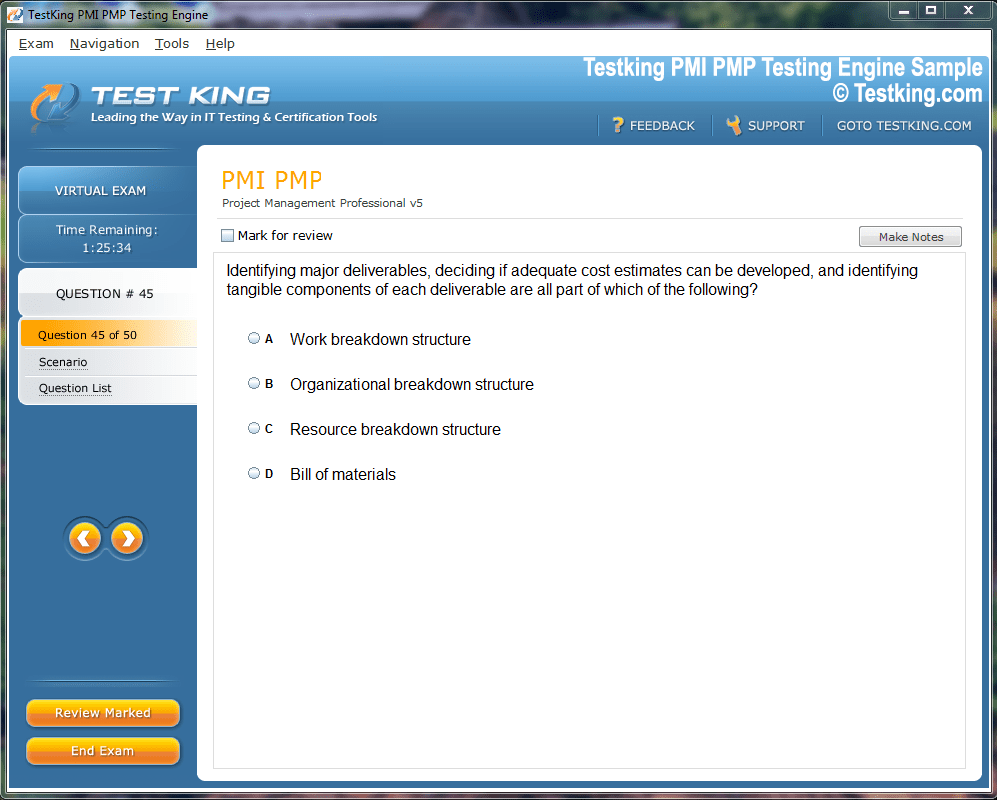
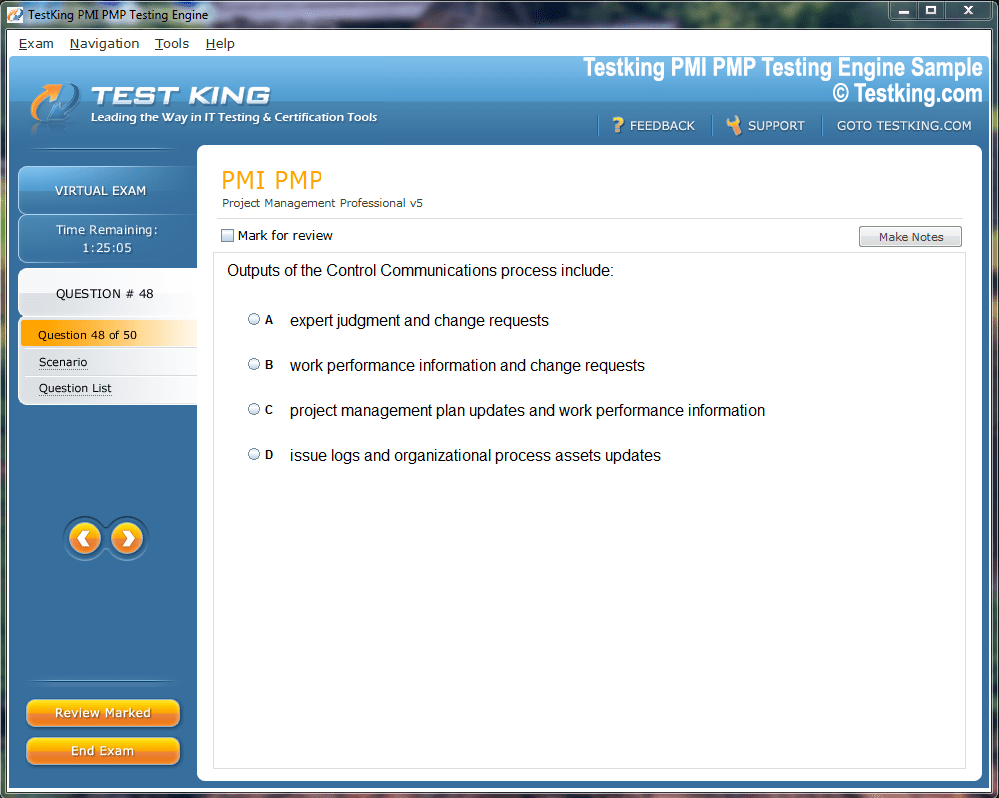
nop-1e =1
Essential Steps to Achieve the Certified Implementation Specialist – Risk and Compliance Certification
The ServiceNow Certified Implementation Specialist – Risk and Compliance credential stands as a significant achievement for professionals seeking to validate their expertise in implementing, configuring, and managing the Governance, Risk, and Compliance framework within the ServiceNow platform. This certification serves as a testament to one’s proficiency in establishing risk and compliance mechanisms that enhance organizational resilience, ensure regulatory alignment, and streamline audit processes. Attaining this credential requires a clear understanding of not only the exam framework but also the underlying principles that govern risk management and compliance automation.
The certification journey begins with comprehending the ServiceNow ecosystem and its intrinsic connection to risk and compliance functionalities. The platform is structured to provide a unified solution where processes, data, and automation converge to minimize uncertainty while strengthening internal controls. Through its Governance, Risk, and Compliance modules, ServiceNow empowers enterprises to integrate policies, assess risks, monitor controls, and ensure adherence to global regulatory mandates. This harmonization is not merely procedural but profoundly strategic, allowing organizations to translate compliance requirements into actionable workflows.
A professional aspiring to achieve this certification must recognize the significance of structured preparation. Understanding the exam format, syllabus distribution, and domain-specific nuances is fundamental. The CIS-RC certification exam consists of forty-five multiple-choice questions that assess a candidate’s knowledge of implementation planning, entity framework, policy and compliance management, risk assessment, and audit functionalities. With a duration of ninety minutes and a pass-or-fail scoring model, the assessment demands precision and conceptual depth. The preparation for such an evaluation is not confined to theoretical study but extends to experiential learning within the ServiceNow environment.
The Core Philosophy of Risk and Compliance in ServiceNow
At its essence, the ServiceNow Risk and Compliance framework is designed to transform fragmented governance activities into a cohesive system. The module operates on the principle that compliance should be proactive rather than reactive. Organizations are no longer content with post-event mitigation; they strive for continuous evaluation, early detection, and automated resolution. The CIS-RC certification reflects this mindset, emphasizing the professional’s ability to design implementations that align risk and compliance with organizational objectives.
The Governance, Risk, and Compliance structure within ServiceNow can be viewed as a triad. Governance establishes policies and oversight mechanisms, risk management identifies vulnerabilities and mitigates them, while compliance ensures adherence to internal and external regulations. Together, they form a resilient framework that promotes operational continuity and trust. A candidate preparing for the CIS-RC exam must internalize how each of these pillars interacts with the other, creating a symbiotic relationship that enhances organizational performance.
An important feature of this integration lies in automation. Through configurable workflows, automated assessments, and real-time monitoring, the platform eliminates manual redundancies and fosters data-driven decisions. This capacity for automation transforms risk management from a documentation exercise into a dynamic process that evolves alongside organizational growth. The certification ensures that professionals can implement these capabilities with precision, aligning ServiceNow modules to enterprise-specific needs.
The Importance of Exam Familiarity and Conceptual Clarity
A fundamental component of successful certification lies in the comprehension of the examination structure. The CIS-RC exam is methodically designed to evaluate knowledge across multiple domains. Each segment of the syllabus corresponds to critical implementation activities that mirror real-world scenarios. For instance, the Policy and Compliance module, which carries a significant weightage, measures one’s ability to manage the policy lifecycle from creation to enforcement. Similarly, the Risk and Advanced Risk section evaluates the understanding of risk identification, assessment methodologies, and configuration parameters.
Candidates need to develop a thorough appreciation of these topics. The exam does not merely test memorization but emphasizes the application of concepts. The ability to connect theoretical principles with platform execution is what differentiates a certified implementation specialist from a general user. This depth of understanding is cultivated through continuous interaction with the platform, hands-on practice, and iterative learning through configuration experiments.
Preparation is further strengthened by revisiting ServiceNow’s training resources that cover Integrated Risk Management Fundamentals, Audit Management Implementation, and Regulatory Change Management. These trainings lay the foundation for understanding platform architecture and the technical dimensions of governance solutions. However, conceptual clarity should always remain at the forefront. A professional who can visualize the interdependencies between data structures, workflows, and user roles can approach the exam with confidence and analytical precision.
Grasping the Entity Framework
Among the pivotal areas within the CIS-RC syllabus, the Entity Framework demands detailed attention. It constitutes approximately one-fifth of the examination’s weight and is critical in structuring how information is categorized and managed. The Entity Framework governs the way organizations define their risk and compliance boundaries through entity scoping, class structures, and architectural hierarchies.
Entity scoping determines the breadth of applicability for risk and compliance processes. Through scoping, administrators can delineate which departments, business units, or operational areas fall under specific governance controls. The concept extends to the Entity Type and Entity Class approaches, both of which allow categorization of assets and resources according to organizational relevance. A precise understanding of these mechanisms enables professionals to design scalable and adaptable frameworks that accommodate both small-scale and enterprise-level governance models.
From an architectural standpoint, entities serve as the foundation for the risk and compliance data model. Each entity becomes a vessel for policy assignments, risk evaluations, and compliance tracking. By mastering this structure, candidates ensure that they can implement ServiceNow solutions that mirror real-world operational hierarchies. This ability to reflect organizational complexity through configuration is a defining trait of an accomplished implementation specialist.
The Art of Policy and Compliance Management
The Policy and Compliance domain holds the largest proportion within the certification syllabus, representing a quarter of the total examination weight. This concentration underscores its significance in the ServiceNow ecosystem. The Policy and Compliance module provides a structured pathway for managing regulatory obligations and corporate policies through a unified system.
The lifecycle of a policy begins with its creation, where compliance objectives are articulated and mapped to applicable regulations. Once established, policies undergo approval workflows that ensure proper governance oversight. Implementation follows, during which compliance controls are linked to risk statements and assessment criteria. ServiceNow’s configuration options allow these policies to be automated, monitored, and evaluated continuously.
A crucial aspect of the Policy and Compliance module is the ability to maintain traceability. Each policy must be connected to a regulatory source and compliance indicator, allowing organizations to demonstrate accountability during audits. This traceability is supported by the system’s architecture, which ensures that every control and assessment can be traced back to its policy origin. Candidates preparing for the exam should understand this relationship deeply, as it reflects the interconnectedness that defines the ServiceNow Risk and Compliance framework.
The supporting processes of compliance extend to evidence collection, audit trail maintenance, and corrective action tracking. Through these capabilities, organizations achieve not only compliance but also transparency. Professionals who implement these features effectively create ecosystems where compliance is ingrained within operational workflows, minimizing the need for reactive interventions.
The Integration of Risk and Advanced Risk
The Risk and Advanced Risk domain, like the Policy and Compliance module, carries significant weight within the CIS-RC examination. This section examines the candidate’s ability to manage the full lifecycle of risk identification, analysis, and mitigation. Within ServiceNow, the risk process is not limited to basic documentation; it encompasses automated assessment mechanisms, data aggregation, and real-time response workflows.
The Risk module allows professionals to identify potential vulnerabilities within processes, systems, or organizational structures. These risks are quantified through scoring models that incorporate impact, likelihood, and control effectiveness. Advanced configurations allow the establishment of dynamic thresholds, where the platform automatically escalates high-priority risks to designated personnel.
A defining feature of the Advanced Risk functionality is its integration capability. Risks are not isolated entries; they interact with compliance indicators, audit findings, and business continuity data. This cross-functional visibility enables holistic management, ensuring that decisions are informed by comprehensive insights. The ability to configure such integrations requires both technical knowledge and conceptual dexterity, traits that the certification aims to assess.
Risk architecture also involves mapping relationships between risk statements, controls, and remediation tasks. Candidates must be proficient in configuring these relationships within ServiceNow, ensuring data integrity and consistency across modules. Moreover, understanding the configuration options for automated reassessment and reporting ensures that risk management processes remain agile in dynamic regulatory environments.
Implementation Planning and Strategic Preparation
Implementation Planning, while representing a smaller portion of the exam, plays an indispensable role in shaping the success of ServiceNow deployments. Effective planning demands clarity of objectives, alignment with organizational priorities, and precise identification of stakeholder roles. The exam tests the understanding of implementation checklists, team structures, and persona-based access configurations.
A well-structured implementation begins with a clear articulation of business needs. Professionals must assess the existing governance and compliance landscape before designing new configurations. This assessment enables the identification of gaps and the formulation of a tailored roadmap that aligns ServiceNow capabilities with business imperatives.
Another critical component involves defining roles and responsibilities. Risk and Compliance personas are integral to system usability and data security. Assigning roles such as risk managers, compliance officers, auditors, and administrators ensures that access controls reflect organizational hierarchies. A candidate’s ability to model these roles accurately demonstrates both technical proficiency and strategic insight.
The checklist-driven nature of ServiceNow implementations ensures that each phase—from requirement gathering to deployment—is systematically executed. This procedural discipline minimizes the likelihood of configuration errors and promotes consistency across projects. Candidates preparing for the exam should study implementation frameworks that emphasize iterative testing, stakeholder communication, and post-deployment validation.
Common Elements and Extended Capabilities
The ServiceNow Risk and Compliance application extends beyond conventional governance tools through its Common Elements and Extended Capabilities. This portion of the exam evaluates the understanding of integrations, content packs, platform enhancements, and regulatory management. The platform’s modular nature allows it to synchronize seamlessly with other ServiceNow applications such as IT Service Management, Security Operations, and Vendor Risk Management.
Integrations are pivotal in creating a unified risk ecosystem. They enable data sharing between systems, eliminating information silos and enhancing transparency. Content Packs, on the other hand, serve as repositories of predefined controls, risks, and policies that expedite deployment. Familiarity with these features allows professionals to optimize configuration efficiency and reduce implementation timeframes.
Regulatory Change Management, another significant aspect, empowers organizations to stay current with evolving legal and compliance standards. By integrating regulatory feeds and automating change responses, ServiceNow ensures continuous alignment with external mandates. Similarly, Continuous Monitoring enhances visibility by detecting deviations in real-time and triggering automated alerts.
These capabilities collectively extend the power of the platform, enabling enterprises to achieve adaptive governance. For certification aspirants, mastering these functionalities means demonstrating not only technical capability but also an appreciation for the broader governance landscape that ServiceNow supports.
Exploring the Depth of Governance, Risk, and Compliance in the ServiceNow Ecosystem
The ServiceNow Certified Implementation Specialist – Risk and Compliance certification serves as a cornerstone for professionals dedicated to developing resilient governance and compliance infrastructures. To fully appreciate the depth of this specialization, it is essential to explore how Governance, Risk, and Compliance (GRC) intertwine within the ServiceNow ecosystem. GRC is not merely a collection of administrative protocols; it represents a sophisticated orchestration of processes, technologies, and data structures that collectively safeguard an organization from operational and regulatory vulnerabilities.
The Governance component is responsible for setting strategic direction and establishing frameworks that guide behavior and decision-making across an enterprise. Risk management, on the other hand, involves the identification, evaluation, and prioritization of potential threats that could disrupt objectives. Compliance ensures that these frameworks and mitigations adhere to statutory and internal standards. Within ServiceNow, these dimensions converge through digital architecture, enabling seamless automation, real-time monitoring, and measurable accountability.
This integration transforms traditional governance methodologies into a dynamic, technology-driven discipline. Instead of reactive risk reporting and fragmented compliance activities, ServiceNow creates an environment of continuous governance. Every process is interlinked through data models and workflows that reflect real-world dependencies. For a certification aspirant, understanding this convergence is fundamental to achieving mastery.
The ServiceNow Risk and Compliance modules empower organizations to replace spreadsheets and manual audit processes with intelligent dashboards and automated controls. This automation accelerates responsiveness, mitigates human error, and enables predictive insights. Professionals preparing for the CIS-RC certification must therefore grasp not only the technical configuration of these modules but also the philosophical transition from static compliance documentation to fluid risk governance.
Understanding the Structural Logic of ServiceNow’s Risk and Compliance Modules
The underlying structure of ServiceNow’s Risk and Compliance applications is based on relational logic. Each component—be it a policy, a control, or a risk item—functions as a data entity that interacts with others in meaningful ways. This interconnectedness ensures that when one element changes, associated records reflect those adjustments automatically, preserving data integrity across the ecosystem.
The platform’s configuration is designed to emulate organizational hierarchies. Entities, controls, and risk statements map directly to operational units and governance layers. Such architectural fidelity ensures that compliance reporting and risk analytics align precisely with business realities. It also allows professionals to create bespoke workflows that accommodate unique operational requirements.
A significant aspect of this structure lies in the way ServiceNow leverages inheritance and relationships. For instance, a policy assigned to a high-level entity cascades relevant controls to subordinate units automatically. Similarly, a single control may mitigate multiple risks, reflecting the interconnected nature of governance activities. Mastering this relational architecture requires both analytical acuity and practical experimentation.
For candidates pursuing certification, it is crucial to internalize this framework. Every configuration choice—from risk thresholds to policy approvals—has ripple effects throughout the system. Understanding how these relationships function in concert is vital to designing efficient, scalable, and compliant solutions.
The Role of Automation in Streamlined Compliance
Automation represents one of the most transformative elements within the ServiceNow Governance, Risk, and Compliance paradigm. Through the CIS-RC certification, professionals are expected to demonstrate their ability to design and implement automated solutions that reinforce governance integrity while reducing administrative burden.
Automation in ServiceNow extends across multiple dimensions. It encompasses the automatic generation of risk assessments, the scheduling of compliance reviews, and the escalation of incidents when thresholds are breached. By leveraging workflow automation, organizations can ensure that compliance activities occur consistently and without delay.
One of the core strengths of ServiceNow automation lies in its integration with other platform capabilities. For example, Continuous Monitoring can automatically detect control failures, while notifications and tasks are triggered for remediation. Similarly, when a regulatory update is recorded in the Regulatory Change Management module, the system can auto-generate policy updates or compliance tasks.
Such proactive automation establishes a cycle of ongoing governance. Instead of waiting for audits to reveal deficiencies, organizations can address issues in real-time. For the certification candidate, understanding these automated mechanisms is crucial. It reflects not just technical expertise but also an appreciation for the philosophy of continuous improvement that defines modern risk management.
The Foundation of Regulatory Change Management
Regulatory Change Management (RCM) is one of the most intricate components within the ServiceNow Risk and Compliance framework. It enables enterprises to maintain alignment with evolving legal and regulatory landscapes. In industries governed by complex regulations—such as finance, healthcare, and energy—regulatory updates can occur frequently and unpredictably. The RCM module ensures that such changes are absorbed into existing compliance structures without disruption.
The process begins with capturing a new or updated regulatory requirement. This input may originate from a regulatory authority, a policy review, or an internal compliance committee. Once entered into the system, the RCM framework maps these updates to relevant controls, policies, and risk statements. Automation ensures that affected entities receive notifications and that change assessments are initiated.
A key aspect of mastering this domain for the CIS-RC certification is understanding how to configure dependencies. When a regulatory requirement changes, associated controls and assessments must also adapt. The candidate must know how to design workflows that propagate these adjustments efficiently while maintaining audit trails for transparency.
RCM exemplifies the broader principle of adaptability within ServiceNow. It illustrates how the platform’s modular design allows enterprises to evolve continuously without compromising governance stability. Implementing RCM effectively requires both precision and foresight, qualities that define an exceptional implementation specialist.
Grasping the Concept of Continuous Monitoring
Continuous Monitoring forms the vigilant backbone of risk and compliance management within the ServiceNow environment. It enables the ongoing evaluation of controls, indicators, and risk conditions to ensure alignment with predefined standards. Rather than relying on periodic audits, organizations use continuous monitoring to detect deviations instantly.
This mechanism functions through data-driven insights and automated alerts. For instance, if a compliance indicator falls below the acceptable threshold or if a control’s performance weakens, the system generates tasks for investigation and remediation. This responsiveness fosters agility and ensures that governance processes are not stagnant.
The ServiceNow Continuous Monitoring capability integrates seamlessly with other modules. It connects with Risk Management to adjust scores dynamically and with Policy and Compliance to verify adherence in real-time. This interconnected approach creates a cycle of perpetual oversight that minimizes risk exposure and fortifies compliance posture.
Candidates preparing for certification must understand both the conceptual rationale and the technical configuration of Continuous Monitoring. This involves setting indicator conditions, mapping them to controls, and defining automatic actions upon failure. Such mastery ensures that professionals can design self-sustaining compliance systems that operate with minimal manual intervention.
The Significance of Audit and Advanced Audit
Audit and Advanced Audit modules hold critical importance in verifying the effectiveness of governance frameworks. While risk management and compliance policies provide structure, audits deliver validation. They examine whether controls are functioning as intended and whether compliance activities align with regulatory mandates.
Within ServiceNow, the Audit Management system transforms auditing from a reactive process into a continuous assurance mechanism. Auditors can design templates, manage engagements, record findings, and track corrective actions—all within a unified interface. The Advanced Audit capabilities further enhance this process by incorporating automation, analytics, and integration with other GRC components.
A comprehensive understanding of the audit lifecycle is essential for candidates pursuing the CIS-RC certification. This includes planning the audit, defining objectives, assigning roles, executing test plans, documenting results, and performing follow-ups. The system’s architecture ensures that each stage of this lifecycle is captured digitally, enabling transparency and repeatability.
Audit personas, groups, and roles are another critical aspect. Each participant in the audit process—whether an auditor, auditee, or approver—requires distinct permissions and responsibilities. Proper configuration of these roles guarantees data confidentiality and operational clarity. For certification, mastery of audit role management signifies an understanding of both governance and technical precision.
Practical Application of Risk Architecture
Risk architecture defines the structural foundation through which risks are recorded, evaluated, and mitigated within ServiceNow. It determines how risk data flows between entities, policies, and controls, ensuring coherence throughout the system. Understanding this architecture is pivotal to both practical implementation and certification success.
At its core, risk architecture encompasses the creation of risk statements, scoring methodologies, and relationships with controls. A well-structured architecture allows for efficient aggregation of risk data across departments and facilitates comprehensive reporting. It also ensures traceability, linking each risk to its originating entity and mitigation plan.
The ServiceNow platform allows for the customization of risk models. Candidates can define parameters for inherent risk, residual risk, and control effectiveness. By adjusting these models to reflect organizational priorities, professionals can develop dynamic systems that evolve as risk conditions change.
A nuanced understanding of risk architecture also involves data visualization. Dashboards, scorecards, and heat maps transform complex datasets into intuitive insights, enabling leadership to make informed decisions. Implementing these visual tools requires technical expertise and an understanding of governance communication strategies.
Entity Management as a Governance Foundation
Entity Management forms the skeletal framework upon which ServiceNow’s Governance, Risk, and Compliance solutions are constructed. Entities represent the operational segments of an organization—divisions, departments, or business units—each with its own risk and compliance responsibilities.
Understanding how to design an entity structure that mirrors real organizational hierarchies is crucial for effective implementation. Each entity serves as a hub for related risks, controls, and policies. When entities are properly configured, reporting becomes precise, and governance visibility improves dramatically.
The concept of entity scoping enables targeted compliance activities. For instance, certain controls may apply only to specific departments, while others span the entire enterprise. Scoping ensures that each policy and risk assessment remains relevant and manageable.
From a technical perspective, the entity framework facilitates scalability. As organizations grow, new entities can be integrated seamlessly without restructuring the entire compliance system. For certification candidates, this understanding demonstrates a balance of architectural foresight and operational efficiency.
Integrations and Platform Synergy
One of the most powerful attributes of ServiceNow’s GRC suite is its ability to integrate with other ServiceNow modules and external systems. This synergy ensures that risk and compliance data are not isolated but interconnected across enterprise functions.
Integrations with IT Service Management, Security Operations, and Vendor Risk Management enable a holistic view of governance. For instance, incidents in ITSM can automatically trigger risk evaluations, while vendor data can influence compliance status. Such integrations promote coherence and enhance decision-making accuracy.
Candidates pursuing certification must understand how to leverage these integrations effectively. This involves configuring APIs, establishing data flows, and ensuring synchronization between modules. The ability to design seamless integrations reflects both technical competence and strategic acumen.
The Strategic Essence of the ServiceNow Certified Implementation Specialist – Risk and Compliance Journey
Earning the ServiceNow Certified Implementation Specialist – Risk and Compliance designation is more than a professional milestone; it is an intellectual and strategic transformation. It demands a holistic understanding of governance architectures, process automation, and the intricate relationships between risk management, compliance control, and organizational resilience. The certification does not simply assess one’s ability to configure systems—it measures a practitioner’s capacity to interpret complex governance challenges and translate them into efficient, structured, and automated frameworks.
The ServiceNow platform encapsulates an ever-evolving ecosystem where governance and technology coexist harmoniously. Its Governance, Risk, and Compliance suite enables institutions to navigate modern operational complexities by unifying processes and streamlining oversight. The certification, therefore, serves as a formal acknowledgment that a professional possesses the discernment required to bridge governance ideals with tangible digital mechanisms.
Success in this discipline is rooted in strategic cognition. Candidates must perceive governance as an interconnected network rather than an isolated department. Every module in ServiceNow’s GRC suite functions as a piece of this broader network—each node exchanging information that collectively strengthens enterprise integrity. Understanding these interconnections is the true hallmark of mastery within the CIS-RC certification landscape.
Cultivating a Conceptual Understanding of Governance Dynamics
Governance within the ServiceNow environment is not merely a matter of policy documentation. It is an intricate symphony of frameworks, hierarchies, and performance indicators that define how organizations manage authority and accountability. A Certified Implementation Specialist must grasp this structure beyond technical configuration; governance must be understood as an ecosystem of alignment and control.
ServiceNow achieves this alignment by creating a digital reflection of an organization’s operational structure. Through entities, roles, and workflows, governance principles are embedded into daily functions. Every task, from risk evaluation to compliance attestation, flows through predefined pathways that mirror corporate hierarchies. This level of synchronization ensures that governance is both procedural and adaptive, capable of evolving with internal and external transformations.
For the certification aspirant, understanding these dynamics involves studying how the platform manages policy inheritance, control distribution, and risk escalation. It requires envisioning governance not as a static entity but as an organic process that perpetually calibrates itself in response to changing data. By cultivating this conceptual depth, professionals learn to design governance systems that breathe with the rhythm of their organizations.
Immersing in Risk and Advanced Risk Functionality
Risk management represents the pulse of the CIS-RC certification. It is here that theory meets practice, and abstract governance principles become measurable realities. ServiceNow’s Risk and Advanced Risk functionalities provide a methodical yet flexible approach to identifying, analyzing, and mitigating uncertainties that might impede strategic goals.
The first layer of mastery lies in understanding how risk records evolve through their lifecycle. From identification to mitigation closure, each phase is defined by distinct configurations and data relationships. Risks are categorized according to entity scope, scored based on impact and likelihood, and linked to relevant controls and policy statements. This design ensures transparency across the entire risk spectrum.
Advanced Risk capabilities further elevate this discipline by introducing automation, analytics, and continuous recalibration. Dynamic thresholds can be set so that any fluctuation in control performance triggers automatic reassessment. This allows for near-instantaneous adaptation—an indispensable feature in volatile regulatory or operational climates.
To implement these mechanisms effectively, candidates must demonstrate both analytical rigor and architectural intuition. The challenge lies in balancing granularity with scalability. A well-designed risk framework must capture detailed insights without overwhelming users with excessive complexity. The certification process subtly assesses this equilibrium by evaluating how candidates conceptualize interconnected processes that remain coherent even at scale.
The Significance of Policy Lifecycle Comprehension
Policies act as the skeletal structure of governance. They define the behavioral, procedural, and ethical boundaries within which organizations operate. Within the ServiceNow environment, policy management transforms from document storage into a living, automated ecosystem. Understanding the policy lifecycle is thus indispensable for those pursuing the Risk and Compliance certification.
The policy lifecycle encompasses creation, approval, implementation, review, and retirement. Each phase demands precision and traceability. Policies originate from regulatory mandates or internal governance requirements. Once drafted, they undergo structured approval workflows, ensuring oversight and accountability. Implementation integrates them with corresponding compliance controls, embedding their principles directly into operational processes.
Automation plays a vital role in maintaining policy integrity. Scheduled reviews, version control, and expiration notifications prevent governance obsolescence. Policies that are no longer relevant can be gracefully retired, preserving historical traceability while avoiding confusion.
For certification, candidates must understand how to configure these workflows using ServiceNow’s Policy and Compliance application. They should be capable of mapping policies to regulatory sources, connecting them with control frameworks, and ensuring measurable compliance. This granular knowledge ensures that policies remain dynamic instruments rather than static declarations.
The Architecture of Compliance Controls
Compliance controls serve as the operational embodiment of policy objectives. They translate regulatory and corporate expectations into actionable mechanisms that can be measured and audited. In ServiceNow, controls are central to bridging theoretical governance with practical enforcement.
Every control is defined by purpose, scope, owner, and performance indicators. Controls are assigned to entities, associated with risks, and evaluated through assessments or continuous monitoring. The ability to establish these relationships determines the maturity of an organization’s compliance strategy.
Configuration involves defining attributes such as control type, assessment frequency, and automated triggers. These parameters allow the system to maintain vigilance over compliance status. For instance, if a control fails an assessment, ServiceNow can automatically generate corrective action tasks or escalate notifications to designated stakeholders.
Professionals preparing for the CIS-RC certification must internalize how controls function as connectors within the ecosystem. They should recognize that a single control can influence multiple risk statements or support several policies. This multiplicity reinforces consistency and efficiency across governance processes.
Furthermore, ServiceNow’s reporting capabilities enable visualization of control effectiveness through dashboards and analytics. Candidates must know how to configure these visualizations, as they are essential tools for communicating compliance performance to leadership. Mastery of control architecture exemplifies the synthesis of governance insight and technical skill that the certification embodies.
The Role of Audit Assurance in Sustaining Governance Integrity
While policies and controls establish structure, audits validate performance. ServiceNow’s Audit Management application integrates seamlessly with the GRC framework, offering a comprehensive mechanism for assessing adherence to policies and verifying control functionality.
The audit lifecycle begins with planning. Auditors define scope, objectives, and test plans that align with organizational priorities. ServiceNow allows the creation of standardized templates, ensuring procedural consistency. Execution follows, during which auditors gather evidence, record observations, and identify deviations.
Post-assessment, findings are categorized, prioritized, and assigned for remediation. Each corrective action is tracked within the system, ensuring accountability and closure verification. The Advanced Audit features extend this capability by automating audit scheduling and integrating risk-based prioritization.
For the certification candidate, understanding the audit lifecycle demonstrates holistic governance comprehension. It requires familiarity with role definitions, access permissions, and reporting hierarchies. Mastery in this domain signifies an ability to create closed-loop audit systems where every observation translates into continuous improvement.
Integrating Risk, Compliance, and Audit Processes
One of the distinguishing characteristics of ServiceNow’s Risk and Compliance suite is its capacity for integration. Each module is interdependent, creating an environment where governance activities reinforce each other. This interconnectedness epitomizes ServiceNow’s approach to holistic governance.
Risk findings inform compliance actions, while audit results feed back into risk registers. This cyclical relationship ensures that governance processes remain synchronized and adaptive. For instance, an audit identifying a failed control can trigger an immediate risk reassessment, updating scores across relevant entities.
Candidates must understand how to configure these relationships. Linking records between modules requires careful design of reference fields, workflows, and automated triggers. This process demands a blend of technical fluency and conceptual foresight. The exam evaluates whether aspirants can sustain relational integrity while maintaining system efficiency.
Ultimately, integration is the cornerstone of ServiceNow’s governance philosophy. It transforms disparate compliance tasks into a unified governance narrative, fostering clarity and reducing administrative fatigue.
Implementation Planning: Precision and Purpose
Effective implementation requires more than technical know-how; it demands strategic orchestration. Implementation Planning forms the groundwork of every ServiceNow deployment, ensuring that objectives, resources, and expectations align before execution begins.
The planning process starts with defining the scope and identifying use cases. This initial assessment ensures that the implementation addresses genuine organizational needs rather than theoretical aspirations. Once objectives are established, teams delineate roles and responsibilities through persona mapping—assigning ownership to risk managers, auditors, and compliance officers.
A structured implementation checklist follows, encompassing configuration design, data migration, testing, and user training. Each stage contributes to overall success by eliminating ambiguity and ensuring continuity. Candidates pursuing certification must demonstrate familiarity with these frameworks, as effective planning determines the efficiency and sustainability of every deployment.
Moreover, successful implementation planning involves foresight regarding scalability. Governance requirements evolve, and the ServiceNow environment must accommodate expansion without reconfiguration. This foresight reflects maturity and a comprehensive grasp of the platform’s architectural elasticity.
The Importance of Technical Adaptability
A certified professional must possess a refined balance between technical skill and adaptive reasoning. ServiceNow’s architecture is robust yet flexible, allowing extensive customization while maintaining system stability. Understanding this balance is central to implementing sustainable risk and compliance solutions.
Technical adaptability involves mastering configurations such as form design, access control lists, and automation scripting. Yet, beyond mechanics lies the wisdom to know when and how to customize responsibly. Excessive modification can lead to maintenance complexity, while minimal adaptation may limit system potential.
Candidates should thus develop a philosophy of design minimalism—implementing configurations that achieve maximum efficiency with minimal disruption. This approach ensures long-term sustainability and reduces dependency on technical interventions post-deployment.
Furthermore, adaptability extends to responding to evolving regulations and business models. A true implementation specialist views every configuration as a living structure, capable of transformation without fragmentation.
Data Integrity and Reporting Precision
Data integrity forms the backbone of governance reliability. Within ServiceNow, accurate and consistent data ensures that all risk, compliance, and audit activities are grounded in factual insights. Certification candidates must grasp the mechanisms that preserve this integrity throughout workflows.
Proper field design, relational mapping, and validation rules prevent data inconsistencies. For instance, ensuring that risk statements align with their related entities and controls maintains systemic harmony. Similarly, workflow triggers must be designed to avoid duplication or logical conflicts.
Reporting precision complements this integrity. Dashboards, scorecards, and analytic views serve as the narrative instruments of governance. They communicate progress, highlight anomalies, and inform decision-making. Candidates must understand how to configure these visualizations to represent governance truthfully.
Reports that consolidate data from multiple modules offer holistic insights. This capability allows executives to perceive governance as a cohesive whole rather than fragmented components. Therefore, technical proficiency in reporting is as vital as conceptual understanding in governance design.
The Foundation of the ServiceNow Certified Implementation Specialist – Risk and Compliance Framework
The ServiceNow Certified Implementation Specialist – Risk and Compliance certification is not only a technical validation of knowledge but a transformative journey into the depths of governance, risk, and compliance orchestration. The ServiceNow ecosystem offers a cohesive environment where every governance artifact—policy, control, risk, or audit finding—interacts dynamically. This harmony is what empowers enterprises to operate with both agility and assurance. A professional pursuing this certification must therefore understand not just the “how” of configuration but the “why” of design. Governance is not a static doctrine; it is a living structure that breathes through data, workflows, and compliance evolution. The essence of mastery lies in perceiving governance as a continually regenerating organism rather than a mechanical framework.
Core Governance Integration Across Modules
Governance integration is the architectural foundation of ServiceNow’s Risk and Compliance suite. Every function within the platform—whether related to policies, controls, or audits—operates under a single data model that ensures interdependence without redundancy. This interconnectedness allows for perpetual communication between modules, producing a seamless narrative of compliance and oversight.
The certification candidate must develop fluency in navigating these integrations. For instance, a risk identified in the Risk Management module may trigger the activation of specific controls in the Compliance application. Conversely, audit findings from the Audit Management module can recalibrate risk scores in real time. These interrelations underscore the principle of continuous governance—a concept that ensures decisions are always informed by the latest available intelligence.
This unified approach eliminates the fragmentation that often plagues governance ecosystems. The candidate’s expertise is evaluated by their ability to maintain structural integrity while configuring cross-module relationships. The more efficiently these integrations are designed, the more resilient the governance framework becomes.
Strategic Configuration for Risk Automation
Automation lies at the heart of ServiceNow’s governance design philosophy. It transforms repetitive tasks into intelligent sequences, allowing organizations to focus their intellectual resources on analysis rather than administration. For the Risk and Compliance specialist, understanding how to craft these automations is both an art and a science.
Risk automation begins with defining triggers—events or conditions that initiate workflows. Examples include policy violations, control failures, or external data imports. Once triggered, workflows can escalate findings, generate remediation tasks, or initiate compliance attestations. The key lies in precision: each automation must function seamlessly without producing redundancy or logical conflict.
Advanced automation extends into predictive analytics, where ServiceNow evaluates historical data to anticipate future governance challenges. This predictive capability enables preemptive intervention—an invaluable trait for organizations seeking resilience in volatile regulatory landscapes.
For certification aspirants, mastery of automation signifies an elevated understanding of governance intelligence. It demonstrates the capacity to transform policy mandates into self-sustaining processes, thereby reducing human error and accelerating operational adaptability.
The Role of Data Taxonomy in Governance Clarity
Governance without structured data is a labyrinth without a map. Data taxonomy, therefore, serves as the cognitive backbone of the ServiceNow GRC environment. Every element—risks, controls, policies, and issues—belongs to a defined hierarchy that ensures clarity and relational integrity.
The taxonomy begins with entity structures, representing business units, departments, or operational domains. Each entity houses associated risks and controls, forming a vertical chain of accountability. Horizontally, relationships are maintained through logical mappings that connect governance objects across the ecosystem.
For example, a policy on data protection may be linked to multiple controls, each tied to specific risks. These relationships ensure that a single change in a control’s performance automatically reverberates through related risks and compliance indicators. The result is an ecosystem that self-corrects and realigns continuously.
Candidates must grasp how to design these taxonomies without introducing data duplication or inconsistency. This involves careful consideration of naming conventions, record structures, and parent-child dependencies. A refined taxonomy simplifies reporting, enhances traceability, and strengthens governance coherence—traits that distinguish an accomplished implementation specialist from a mere configurator.
Advanced Control Management and Assurance Functions
Controls are the operational pillars that uphold governance commitments. They translate the abstract intentions of policy into actionable, measurable procedures. Within ServiceNow, control management extends far beyond documentation; it integrates automation, assessment, and evidence tracking into a unified continuum.
An expert in this domain understands how to design control frameworks that adapt dynamically. Each control may be categorized as preventive, detective, or corrective, and associated with assessment frequencies and automated tests. These assessments may include surveys, data validations, or integration-driven verifications from external systems.
Control assurance is achieved through performance analytics. Dashboards reveal not only compliance status but also trend trajectories, identifying emerging weaknesses before they evolve into systemic risks. The certification evaluates one’s proficiency in configuring these dashboards, establishing scoring methodologies, and linking controls with corresponding objectives.
Effective control management also includes the design of remediation processes. Failed assessments can automatically generate action tasks, assign responsible users, and track completion through verification checkpoints. This cyclical mechanism ensures that compliance remains both reactive and proactive, preserving the organization’s governance vitality.
Continuous Compliance and Adaptive Frameworks
Traditional compliance operates on periodic reviews; ServiceNow’s innovation transforms it into a state of continuity. Continuous compliance ensures that every process, system, and policy remains perpetually aligned with evolving standards and mandates.
This continuity is achieved through automation, analytics, and modular interconnection. As risk indicators change, related compliance controls are automatically re-evaluated. The framework adapts in real time, recalculating scores and updating dashboards. This creates a perpetual motion of alignment—an essential trait for modern enterprises navigating volatile regulatory environments.
Candidates pursuing certification must demonstrate the capability to configure such adaptive systems. This includes defining key compliance indicators (KCIs), designing automated assessments, and creating workflows for dynamic updates. The real skill lies in anticipating governance fluctuations and ensuring that the system evolves gracefully rather than abruptly.
Continuous compliance represents more than technical achievement; it is a philosophical shift. It transforms governance from reactive enforcement into proactive assurance, enabling organizations to lead rather than follow regulatory change.
The Analytical Dimension: Reporting and Visualization
Governance is only as powerful as its ability to communicate insights. Reporting and visualization form the interpretive layer of the ServiceNow GRC architecture. They transform complex datasets into intelligible narratives that inform strategic decisions.
ServiceNow’s analytics framework enables multi-dimensional visualization across risks, policies, and audits. Dashboards can display compliance scores, risk heatmaps, and trend analyses simultaneously. Each visualization serves a distinct cognitive purpose—some reveal operational weaknesses, while others highlight long-term performance trajectories.
For certification, candidates must demonstrate mastery in configuring these analytics tools. This includes defining report sources, setting filter conditions, and designing scorecards that measure governance health. Reports must not only display data but also provide interpretive depth—identifying correlations, causations, and anomalies.
Effective visualization transcends aesthetics; it encapsulates governance truth. A well-crafted dashboard can shift organizational behavior by revealing insights that static documentation cannot. This dimension underscores how analytical literacy complements technical mastery within the ServiceNow ecosystem.
Issue Management and Remediation Integrity
Every governance system must be capable of managing deviations. Issue management ensures that when failures occur, they are neither ignored nor isolated. Instead, they are documented, analyzed, and resolved within structured frameworks.
ServiceNow’s Issue Management application integrates seamlessly with Risk and Compliance, linking every issue to its originating control, risk, or policy. This relational continuity ensures that root causes are addressed, not merely symptoms.
For the certification candidate, understanding issue lifecycles is critical. Each issue progresses through identification, analysis, remediation, and closure. Automated workflows can assign responsibilities, track progress, and escalate unresolved cases. Closure validation ensures that remediation effectiveness is confirmed through re-evaluation.
Remediation integrity also involves post-resolution analysis. Lessons learned from past issues inform risk models, enhancing predictive accuracy. Thus, governance evolves through every failure, embodying the principle of continuous improvement.
Advanced Audit Integration
Auditing represents the reflective mirror of governance performance. It validates whether intentions materialize into actions and whether controls operate within their defined thresholds. ServiceNow’s Audit Management system brings structure, automation, and transparency to this process.
Candidates must understand how to design and manage audit engagements within the platform. This includes defining audit scopes, test plans, and evidence requirements. Automation can streamline evidence collection by linking audit tests directly with risk and control data.
Findings generated through audits automatically feed into the Issue Management module, creating a feedback loop of improvement. This interconnectivity ensures that governance remains dynamic and self-correcting.
Moreover, audit analytics enable longitudinal insight—tracking compliance evolution across cycles and measuring remediation effectiveness over time. A proficient implementation specialist can configure these mechanisms to sustain governance authenticity and institutional trust.
Strategic Communication and Stakeholder Engagement
Governance thrives not only on technical design but on communication fluency. Stakeholders—executives, auditors, regulators, and users—must perceive governance as an enabler rather than an obstacle. ServiceNow facilitates this communication through tailored interfaces, approval workflows, and collaborative dashboards.
Certification candidates must grasp how to configure notification systems, role-based dashboards, and approval chains. These configurations create transparency without compromising confidentiality. Each communication channel reinforces accountability and fosters alignment between operational teams and governance leadership.
Strategic communication also extends to governance narratives. Reports, visualizations, and executive summaries must convey clarity without oversimplification. The ability to translate technical results into strategic insights distinguishes the expert from the implementer.
Deepening Proficiency in ServiceNow Risk and Compliance Mastery
The pursuit of the ServiceNow Certified Implementation Specialist – Risk and Compliance certification demands not only intellectual rigor but a profound understanding of organizational governance mechanics. The ServiceNow platform embodies an evolutionary model where risk and compliance are not isolated silos but interconnected organisms thriving within a shared digital ecosystem. Professionals aiming to achieve certification must recognize that technical precision is only one facet of mastery. The deeper essence resides in constructing governance architectures that resonate with organizational intent while remaining resilient against disruption. This balance of structure and adaptability defines the modern practitioner’s excellence.
The Architecture of Integrated Governance Intelligence
The structural foundation of ServiceNow’s Risk and Compliance framework is a testament to architectural discipline and systemic coherence. Each module—Risk Management, Policy and Compliance, Audit Management, and Regulatory Change—forms an integral node within the broader architecture. Together, they establish a fabric of governance intelligence that enables organizations to foresee, measure, and mitigate uncertainty.
Integration is the essence of this architecture. Risks interact dynamically with controls, policies, and audits through shared data models and automation rules. When a control fails, it reverberates through risk records, recalculating exposure levels and updating compliance indicators. Likewise, audit findings can prompt automated reassessments of policy effectiveness. This self-referential ecosystem ensures that governance evolves in perpetual alignment with operational realities.
For a certification aspirant, mastering these architectural interdependencies is fundamental. One must learn to interpret data relationships not merely as configurations but as narratives that reveal the organization’s governance maturity. The more fluidly the modules communicate, the more intelligent and responsive the governance system becomes.
The Implementation Blueprint: From Planning to Execution
Effective implementation begins long before any configuration is made. Planning constitutes the intellectual scaffolding upon which successful execution is built. The ServiceNow Risk and Compliance implementation process begins with defining use cases, understanding organizational personas, and identifying governance objectives.
A well-structured implementation plan encompasses scope definition, timeline formulation, and risk anticipation. Specialists must evaluate existing governance practices, assess technological readiness, and outline data migration strategies. The architecture of execution thrives on meticulous forethought.
During the execution phase, configurations are developed in controlled environments, subjected to iterative testing, and refined through stakeholder feedback. This cycle of validation ensures that the implemented solution aligns with organizational governance philosophy. The certification examination evaluates a candidate’s ability to conceptualize, plan, and execute such implementations with precision and foresight.
Data Relationships and Entity Framework Design
The Entity Framework is one of the most pivotal elements within the ServiceNow Risk and Compliance structure. It provides the contextual backbone through which governance objects—risks, controls, policies, and audits—derive relational meaning. Entities represent the operational building blocks of an enterprise, such as departments, divisions, or business functions.
The framework supports multiple approaches, including Entity Type and Entity Class methodologies. The Type approach focuses on categorizing entities based on operational function, while the Class approach structures them based on shared characteristics. The architecture must be designed with both flexibility and clarity to ensure that each entity retains its distinct governance attributes while maintaining logical interconnection.
Candidates pursuing the certification must exhibit fluency in defining these frameworks. This includes creating relationships, establishing data hierarchies, and configuring reporting lines. A well-conceived Entity Framework minimizes duplication, enhances traceability, and simplifies future scalability. When constructed effectively, it becomes a living governance map—one that reflects the organization’s structure with precision and continuity.
Policy and Compliance Lifecycle Comprehension
Policies form the ethical compass of an organization’s governance landscape. Within ServiceNow, their lifecycle follows a structured progression—from creation and review to publication, acknowledgment, and eventual retirement. Each phase is governed by workflows that ensure accountability and traceability.
Compliance, on the other hand, represents the operational manifestation of these policies. Compliance records are derived from policies and are measured through controls, attestations, and performance indicators. Understanding this cyclical interdependence is vital for certification mastery.
An implementation specialist must be adept at configuring policy templates, defining approval hierarchies, and automating acknowledgment processes. Moreover, one must learn to integrate compliance activities with risk data to produce a unified governance narrative. Continuous monitoring mechanisms, such as automated attestations, enable perpetual visibility into policy effectiveness and regulatory adherence.
Mastery in this domain transforms policy management from a bureaucratic routine into a strategic governance mechanism. It ensures that compliance is not static but evolves alongside organizational and regulatory transformation.
Advanced Risk Configuration and Evaluation Dynamics
Risk is the nucleus around which the entire governance structure revolves. ServiceNow’s risk management capabilities allow organizations to identify, assess, and mitigate risks through quantitative and qualitative methodologies. Candidates must acquire deep insight into how risk data flows within the system, from identification to mitigation and review.
Every risk record follows a defined lifecycle: creation, assessment, response, and closure. Risk scoring models are configured based on variables such as likelihood, impact, and control effectiveness. These scores generate visual risk heatmaps, enabling stakeholders to perceive vulnerabilities at a glance.
Advanced configuration involves establishing risk indicators, defining thresholds, and automating alerts for anomalies. Integrations with external data sources can enrich risk intelligence, allowing predictive analytics to forecast potential disruptions. The ability to design such sophisticated risk models distinguishes an accomplished professional.
Furthermore, effective risk management in ServiceNow depends on collaboration between roles—risk owners, approvers, and analysts. Certification aspirants must understand how to assign responsibilities and establish approval flows that maintain governance accountability.
Common Elements and Extended Functionalities
Beyond the core modules, ServiceNow’s Risk and Compliance application incorporates extended capabilities that enrich governance utility. These include integrations with external systems, regulatory content packs, and advanced monitoring mechanisms.
Integrations enable cross-platform governance synergy. For instance, incident data from security or operations modules can automatically update risk registers. Similarly, integration with regulatory databases ensures real-time updates of compliance obligations. These integrations epitomize digital coherence—a trait that modern organizations demand.
Content packs further enhance efficiency by providing prebuilt policy frameworks, control libraries, and regulatory mappings. They accelerate implementation without sacrificing customization.
Another vital element is continuous monitoring. This function ensures that compliance indicators are not reviewed sporadically but evaluated in real time. Continuous monitoring promotes awareness, responsiveness, and proactive governance.
Candidates must learn to design, deploy, and maintain these extended elements with precision. Their configuration requires a balance between flexibility and control—a reflection of governance philosophy itself.
Audit and Advanced Audit Mechanisms
Audit Management represents the verification dimension of governance. It examines whether processes, policies, and controls function as intended. Within ServiceNow, audit records follow structured lifecycles that include planning, fieldwork, reporting, and closure.
Advanced Audit features extend these capabilities by integrating automation and analytics. Automated evidence collection, role-based dashboards, and audit task sequencing ensure efficiency and transparency. Every audit finding can be directly linked to its originating risk or control, creating a self-correcting ecosystem.
For certification candidates, mastery of audit functionality involves configuring engagement templates, defining test plans, and implementing approval hierarchies. This precision ensures that audits are not mere evaluations but instruments of organizational evolution.
The most refined implementations elevate audit management into a continuous assurance process. Findings inform risk re-evaluations, control enhancements, and policy refinements. In this way, auditing becomes the heartbeat of governance continuity.
Automation, Analytics, and Predictive Governance
The transformation from manual oversight to predictive governance represents one of the most sophisticated advancements within ServiceNow’s Risk and Compliance framework. Automation eliminates redundancy, while analytics interpret patterns that inform foresight.
Through automation, tasks such as risk updates, policy acknowledgments, and control attestations occur autonomously based on defined triggers. Analytics, meanwhile, extract meaningful narratives from data. They enable visualization of compliance trajectories and risk concentration points.
Predictive governance extends beyond observation—it anticipates challenges. By analyzing historical trends, ServiceNow can forecast regulatory vulnerabilities or control failures. This predictive capability allows organizations to implement preventive measures before issues materialize.
Candidates who master automation and analytics become architects of governance intelligence. They design ecosystems that self-regulate, self-correct, and continually optimize performance.
Strategic Governance Communication and Cultural Alignment
Technical proficiency alone cannot sustain governance success. The ability to communicate governance insights to stakeholders is an equally vital attribute. Effective communication ensures that governance objectives resonate with organizational strategy.
ServiceNow enables this through dynamic dashboards, automated notifications, and collaborative workflows. Candidates must configure these features to promote transparency without overwhelming users. Each report or visualization should serve a strategic purpose—guiding action rather than merely informing.
Cultural alignment strengthens governance adoption. When employees understand the value of compliance, governance becomes participatory rather than prescriptive. Implementation specialists must therefore design systems that encourage engagement and foster ownership among users.
Strategic communication transforms governance from an operational requirement into a shared organizational ethos. It cultivates unity between compliance officers, auditors, executives, and technical teams.
Mastering Risk Management and Advanced Risk Configurations
Risk management lies at the core of governance efficacy. ServiceNow enables structured recording, assessment, and mitigation of risks through its Risk and Advanced Risk modules. These tools provide dynamic scoring models, automated escalation mechanisms, and relational mapping to controls and policies.
Understanding the lifecycle of risk—from identification through assessment, treatment, and closure—is critical. Advanced Risk configurations introduce predictive capabilities, allowing professionals to anticipate potential issues based on historical patterns and current performance indicators. Candidates must demonstrate proficiency in establishing scoring methodologies, configuring risk thresholds, and automating notifications for risk anomalies.
Integration of risk data with compliance and audit modules ensures that risk intelligence informs organizational decision-making continuously. This interconnected approach not only identifies threats but also aligns mitigation strategies with broader governance goals, fostering resilience and accountability across the enterprise.
Audit and Advanced Audit Mechanisms
Auditing is the reflective process that validates governance efficacy. ServiceNow’s Audit Management module, supplemented by Advanced Audit functionalities, provides structured templates, automated evidence collection, and role-based task assignment. Each audit lifecycle—from planning through execution, reporting, and closure—is meticulously documented to maintain transparency and accountability.
Integration with Risk and Compliance modules allows audit findings to influence risk assessments and compliance metrics automatically. Candidates must demonstrate an understanding of configuring audit scopes, defining test procedures, and establishing approval hierarchies. Advanced features such as automated scheduling, analytical dashboards, and cross-module data linkage transform auditing from a periodic review into a continuous assurance mechanism.
The interplay between audit, risk, and compliance creates a self-correcting governance ecosystem. Findings are not merely recorded; they initiate corrective action, recalibrate controls, and update risk profiles. This integration exemplifies how ServiceNow’s architecture enables continuous oversight and adaptive governance.
Continuous Monitoring and Predictive Insights
Continuous Monitoring represents the proactive dimension of ServiceNow governance. It enables organizations to track key indicators, detect deviations in real time, and initiate automated remediation or escalation workflows. This capability ensures that compliance, risk, and control measures operate continuously rather than episodically.
Candidates must understand how to configure monitoring parameters, define alert thresholds, and automate response actions. The ability to integrate monitoring with predictive analytics further elevates governance, allowing organizations to anticipate risks before they materialize and to implement preventive measures.
This predictive aspect fosters resilience, enabling leadership to make informed decisions grounded in real-time intelligence. By mastering continuous monitoring, certified professionals transform governance from a reactive discipline into a strategic advantage.
Entity Management and Hierarchical Structuring
Entities form the organizational backbone within ServiceNow’s Risk and Compliance environment. Proper entity configuration ensures accurate mapping of risks, controls, and compliance tasks to the relevant operational units. Entities can be structured according to type, class, or hierarchical relationships, reflecting the organization’s operational realities.
Candidates must demonstrate proficiency in designing entity frameworks that are both scalable and coherent. A well-structured entity system ensures accurate reporting, simplifies administration, and enhances the traceability of governance actions. Additionally, entity scoping allows for targeted application of controls and policies, ensuring relevance and operational efficiency across diverse business units.
Integrations and Extended Capabilities
ServiceNow’s GRC suite excels through its extended capabilities and integrations. Integration with IT Service Management, Security Operations, Vendor Risk Management, and external regulatory data sources ensures that governance is holistic and informed by multiple dimensions.
Extended capabilities, including content packs and regulatory change management, provide prebuilt frameworks for faster implementation without compromising customization. Candidates must understand how to configure these extensions, ensuring data consistency, workflow integrity, and operational alignment across modules.
By leveraging these integrations, organizations achieve coherent governance ecosystems where risk, compliance, and audit data communicate seamlessly. This enhances decision-making, reduces manual intervention, and strengthens enterprise resilience.
Ethical Governance and Access Control
Ethical considerations are central to governance excellence. ServiceNow practitioners must configure access controls, segregation of duties, and role hierarchies to ensure that sensitive data is protected while maintaining transparency and accountability.
Candidates must understand principles such as least privilege, audit trail integrity, and secure workflow design. Ethical governance also extends to automation: workflows should enhance decision-making rather than enforce rigid procedures, respecting contextual nuances while maintaining operational standards.
Embedding ethical considerations in system design reinforces institutional trust, ensures compliance integrity, and enhances stakeholder confidence. This moral dimension complements technical proficiency, forming the foundation for responsible governance leadership.
Reporting, Analytics, and Stakeholder Communication
Effective governance depends on actionable insights. ServiceNow’s reporting and analytics capabilities allow organizations to visualize risks, compliance status, and audit results across multiple dimensions. Dashboards, scorecards, and heat maps transform complex data into interpretable narratives for decision-makers.
Certification aspirants must demonstrate mastery in designing dashboards, configuring reports, and translating technical data into strategic guidance. These skills enable organizations to communicate governance performance clearly, prioritize interventions, and align operational actions with strategic objectives.
Strategic communication ensures that stakeholders perceive governance not as a compliance burden but as a tool for operational excellence. By bridging the gap between technical detail and strategic insight, professionals reinforce both adoption and accountability.
Continuous Learning and Professional Evolution
The ServiceNow CIS-RC certification represents a milestone, not a destination. Governance, risk, and compliance are dynamic domains influenced by technological innovation, regulatory change, and evolving organizational priorities. Continuous learning is essential for sustaining expertise and relevance.
Certified professionals are expected to remain abreast of platform updates, emerging regulatory frameworks, and best practice methodologies. This continuous engagement allows them to adapt existing systems, introduce new capabilities, and maintain organizational resilience.
Through perpetual professional evolution, the certified specialist ensures that ServiceNow deployments remain robust, adaptive, and strategically aligned. The capacity for ongoing refinement transforms governance from static procedure into an intelligent, forward-looking discipline.
Transforming Governance into Strategic Advantage
Mastery of ServiceNow Risk and Compliance enables organizations to transform governance from a compliance obligation into a strategic asset. Integrated risk assessment, automated controls, continuous monitoring, and predictive analytics allow enterprises to anticipate challenges, optimize operations, and maintain regulatory alignment proactively.
Certified professionals orchestrate these mechanisms to enhance decision-making, reinforce ethical accountability, and sustain organizational resilience. Their expertise ensures that governance becomes an enabler of innovation rather than a constraint, translating compliance into opportunity and risk awareness into strategic foresight.
Conclusion
The journey to achieving the ServiceNow Certified Implementation Specialist – Risk and Compliance designation embodies the convergence of technical expertise, strategic foresight, and ethical governance. This certification validates a professional’s ability to navigate the complex ecosystem of risk, compliance, policies, and audits, demonstrating mastery in transforming theoretical frameworks into actionable, automated, and measurable systems. Through disciplined engagement with ServiceNow’s Risk and Compliance modules, candidates acquire proficiency in configuring controls, designing entity frameworks, managing policies, and implementing advanced audit procedures, all while maintaining data integrity and organizational alignment.
Beyond technical configuration, the certification emphasizes the integration of risk intelligence, compliance monitoring, and audit assurance into a cohesive governance architecture. Professionals learn to create adaptive, continuous monitoring mechanisms that anticipate challenges, streamline workflows, and support decision-making in dynamic organizational and regulatory environments. The inclusion of predictive analytics, automated remediation, and real-time dashboards ensures that governance is both proactive and responsive, enabling enterprises to sustain resilience and operational efficiency.
Ethical stewardship and strategic communication further distinguish the CIS-RC professional. By designing systems that respect confidentiality, reinforce accountability, and foster cultural adoption, certified specialists ensure that governance extends beyond compliance into organizational ethos. Ultimately, this certification equips individuals to transform governance from a procedural requirement into a strategic asset, uniting technical precision, analytical insight, and moral prudence. Organizations guided by such professionals are empowered to manage risks effectively, maintain regulatory alignment, and cultivate continuous improvement, positioning themselves for long-term resilience, transparency, and operational excellence.
Frequently Asked Questions
Where can I download my products after I have completed the purchase?
Your products are available immediately after you have made the payment. You can download them from your Member's Area. Right after your purchase has been confirmed, the website will transfer you to Member's Area. All you will have to do is login and download the products you have purchased to your computer.
How long will my product be valid?
All Testking products are valid for 90 days from the date of purchase. These 90 days also cover updates that may come in during this time. This includes new questions, updates and changes by our editing team and more. These updates will be automatically downloaded to computer to make sure that you get the most updated version of your exam preparation materials.
How can I renew my products after the expiry date? Or do I need to purchase it again?
When your product expires after the 90 days, you don't need to purchase it again. Instead, you should head to your Member's Area, where there is an option of renewing your products with a 30% discount.
Please keep in mind that you need to renew your product to continue using it after the expiry date.
How often do you update the questions?
Testking strives to provide you with the latest questions in every exam pool. Therefore, updates in our exams/questions will depend on the changes provided by original vendors. We update our products as soon as we know of the change introduced, and have it confirmed by our team of experts.
How many computers I can download Testking software on?
You can download your Testking products on the maximum number of 2 (two) computers/devices. To use the software on more than 2 machines, you need to purchase an additional subscription which can be easily done on the website. Please email support@testking.com if you need to use more than 5 (five) computers.
What operating systems are supported by your Testing Engine software?
Our testing engine is supported by all modern Windows editions, Android and iPhone/iPad versions. Mac and IOS versions of the software are now being developed. Please stay tuned for updates if you're interested in Mac and IOS versions of Testking software.