
Certification: IBM Certified Solution Advisor - Spectrum Storage V7
Certification Full Name: IBM Certified Solution Advisor - Spectrum Storage V7
Certification Provider: IBM
Exam Code: C1000-117
Exam Name: IBM Spectrum Storage Solution Advisor V7
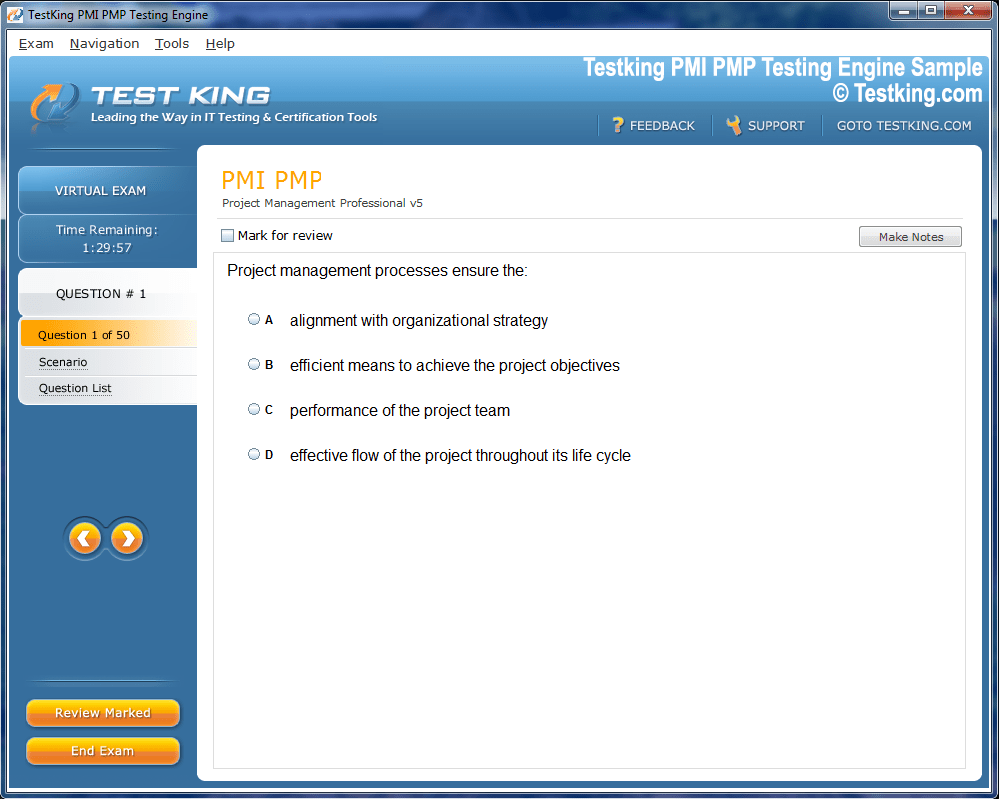
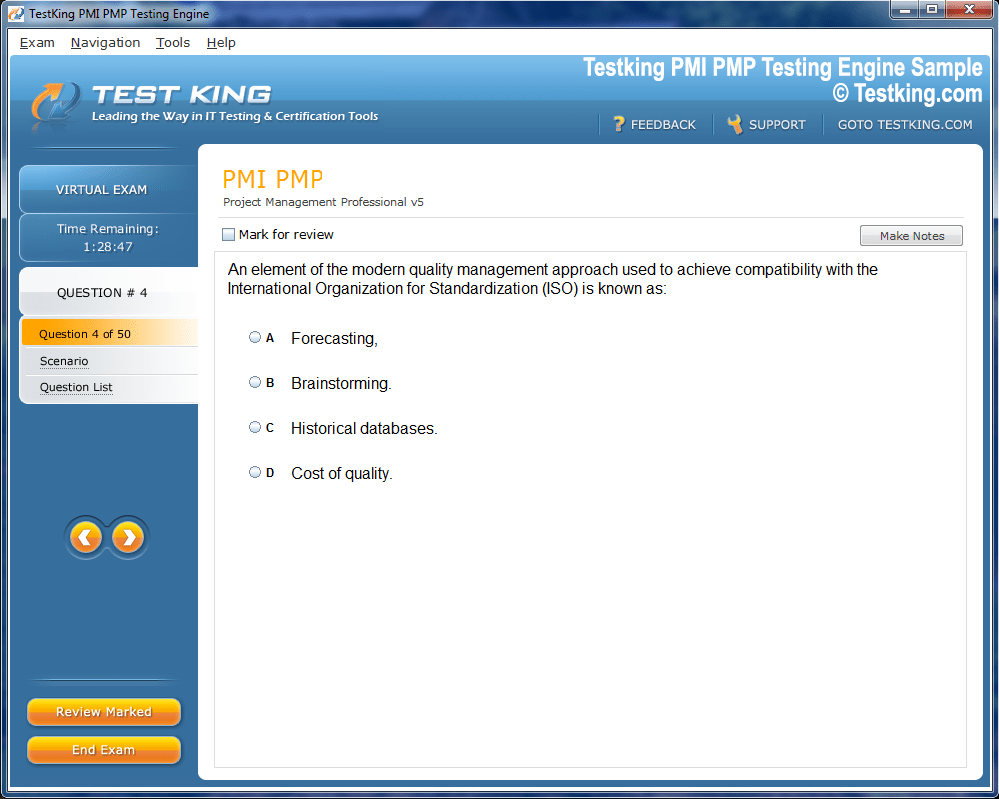
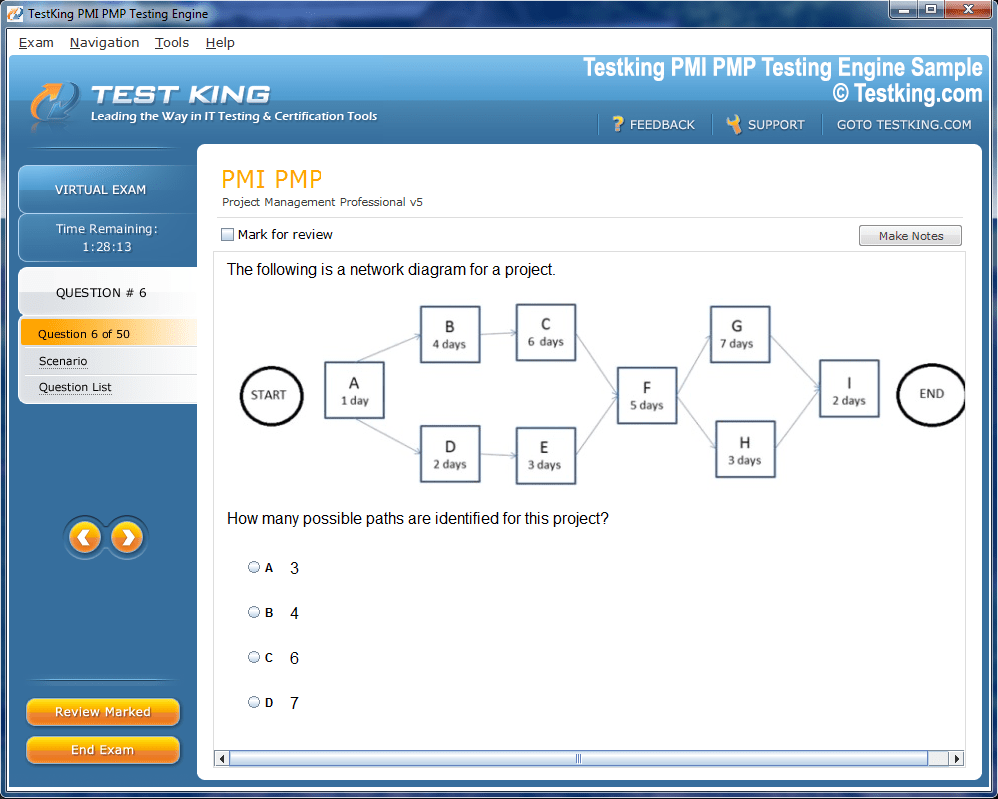
Product Screenshots
nop-1e =1
Unlocking Career Potential with IBM Certified Solution Advisor - Spectrum Storage V7 Certification
The IBM Spectrum Storage Solution Advisor C1000-117 certification is designed to validate a professional's capability to manage and optimize IBM storage systems with an in-depth understanding of the Spectrum Storage V7 suite. This certification examines a candidate’s proficiency in evaluating storage requirements, architecting storage solutions, and implementing efficient workflows within complex enterprise environments. Acquiring this certification demonstrates not only technical acumen but also the strategic aptitude to align storage infrastructures with organizational objectives. The C1000-117 exam is structured to gauge both theoretical knowledge and practical application, making it imperative for aspirants to immerse themselves in preparation methods that mirror the actual exam conditions.
Preparation for the C1000-117 certification involves a multifaceted approach that includes comprehensive study of the IBM Spectrum Storage Solution Advisor suite, analysis of business scenarios, and engagement with hands-on lab exercises. The exam itself comprises multiple-choice questions that cover an extensive array of topics, including storage architecture, solution design, data protection, disaster recovery, and performance optimization. The weighting of each topic is carefully aligned with the IBM Spectrum Storage V7 curriculum, ensuring that candidates focus on areas most pertinent to real-world scenarios.
Understanding the Exam Structure
The C1000-117 certification exam is meticulously structured to challenge candidates’ understanding across various domains of IBM Spectrum Storage. The duration of the exam, the distribution of question types, and the passing criteria are all calibrated to reflect the competencies required for a Solution Advisor role. Each question is formulated to test both comprehension and critical thinking, necessitating a preparation approach that blends memorization with analytical reasoning. Candidates encounter scenario-based questions that require the application of knowledge to complex storage environments, often simulating real-world decision-making processes.
Familiarity with the exam structure is a crucial element of preparation. Candidates benefit from understanding the distribution of questions across different topics, the relative emphasis placed on storage deployment strategies versus administrative tasks, and the integration of advanced features like data replication and storage tiering. By dissecting the structure of the exam, candidates can allocate their study time more judiciously, ensuring a balanced grasp of foundational principles and intricate problem-solving skills.
The Role of Practice Exams
Engaging with practice exams is a pivotal strategy for mastering the C1000-117 certification. Practice exams provide candidates with a simulated environment that closely resembles the actual test, offering insight into the format, pacing, and difficulty level of the questions. This method enables candidates to identify areas of strength while highlighting topics that require additional focus. The iterative process of taking multiple practice exams fosters familiarity with the question patterns and encourages the development of time management skills essential for performing under examination conditions.
Practice exams also introduce candidates to scenario-based questions that mirror the challenges faced by professionals in real IBM Spectrum Storage environments. These questions are designed to assess the ability to analyze requirements, propose optimal solutions, and anticipate potential pitfalls in storage implementation. By confronting these scenarios in a simulated environment, candidates build confidence and refine their problem-solving strategies, translating preparation into tangible readiness for the certification exam.
Developing a Study Strategy
Creating an effective study strategy for the C1000-117 exam requires a structured approach that encompasses both theoretical and practical learning. Candidates should begin by thoroughly reviewing the IBM Spectrum Storage V7 syllabus, breaking down each topic into manageable study units. Emphasis should be placed on understanding storage architectures, solution design principles, and the operational mechanics of various storage technologies. Knowledge of data protection mechanisms, replication strategies, and performance tuning is essential, as these areas often feature prominently in scenario-based exam questions.
A balanced study plan integrates multiple learning modalities, including reading official IBM documentation, attending workshops or webinars, and engaging with hands-on lab exercises. Simulation of real-world storage environments through virtual labs allows candidates to apply theoretical knowledge, troubleshoot issues, and experiment with advanced features in a controlled setting. This experiential learning not only solidifies understanding but also enhances the ability to apply knowledge pragmatically during the exam.
Benefits of Community Contributions
Insights from recently certified professionals and active community members play a significant role in refining the practice exam experience. Contributions from these sources ensure that practice questions reflect the most current trends and updates in IBM Spectrum Storage Solution Advisor practices. Candidates gain exposure to nuanced scenarios that may not be immediately apparent from official documentation, fostering a deeper understanding of storage solutions in operational contexts. Community feedback also aids in maintaining the relevance of questions, aligning practice tests with the evolving expectations of the C1000-117 certification exam.
By leveraging community-contributed questions and scenarios, candidates benefit from a diverse range of perspectives and practical insights. This collaborative approach enriches the preparation process, enabling aspirants to encounter a variety of problem-solving situations and to adopt best practices that have been validated by peers and industry experts. Engaging with such a community encourages continuous learning and knowledge sharing, enhancing both exam readiness and professional competence.
The Importance of Timed Practice
Time management is a critical skill for success in the C1000-117 exam. The ability to navigate through multiple-choice questions under timed conditions requires both familiarity with content and the capacity to make rapid, informed decisions. Practicing under timed scenarios allows candidates to develop a rhythm for answering questions efficiently without compromising accuracy. It also builds resilience against the pressure of the examination environment, reducing anxiety and improving overall performance.
Timed practice sessions should mimic actual exam conditions as closely as possible. This includes adhering to the allotted duration, limiting external distractions, and attempting questions in a sequence that simulates the real test. Regular exposure to timed assessments helps candidates internalize pacing strategies, prioritize questions based on difficulty, and allocate sufficient time to scenario-based problems that require deeper analytical thinking.
Scenario-Based Learning
The C1000-117 certification emphasizes scenario-based learning, reflecting the practical demands of a Solution Advisor role. Questions often present complex storage situations, requiring candidates to analyze data requirements, propose architectures, and recommend solutions aligned with business objectives. Scenario-based learning encourages critical thinking and the application of knowledge in realistic contexts, bridging the gap between theoretical understanding and practical execution.
Scenario-based practice enhances cognitive agility, training candidates to evaluate multiple approaches, weigh trade-offs, and anticipate potential challenges. This type of learning also reinforces comprehension of advanced concepts such as storage tiering, disaster recovery planning, and performance optimization. By repeatedly engaging with scenarios, candidates cultivate the capacity to make informed decisions quickly, a skill that is indispensable both for the exam and for professional responsibilities.
Tracking Progress and Analyzing Performance
Monitoring progress is a crucial component of effective preparation. Detailed performance analytics provide insights into strengths and weaknesses across different topics. By reviewing results history, candidates can identify patterns in their performance, pinpoint recurring errors, and adjust study strategies accordingly. This iterative process of assessment and refinement ensures that preparation remains targeted and efficient, maximizing the likelihood of success on the C1000-117 exam.
Performance tracking should include evaluation of both content mastery and exam technique. Candidates benefit from analyzing question types that consistently pose challenges, understanding the rationale behind correct answers, and revisiting topics that require reinforcement. This comprehensive approach transforms practice exams into diagnostic tools, guiding study efforts and optimizing preparation outcomes.
Integrating Knowledge with Practical Application
Practical application of theoretical knowledge is a hallmark of effective C1000-117 preparation. Hands-on exercises in virtualized IBM Spectrum Storage environments allow candidates to experiment with configuration settings, implement solution designs, and observe the impact of performance tuning measures. Such experiential learning consolidates understanding, reinforces retention, and cultivates the ability to apply knowledge in real-world situations.
Practical exercises also expose candidates to troubleshooting scenarios, where they must identify root causes of performance issues or misconfigurations. By navigating these challenges in a controlled setting, candidates develop problem-solving acumen that directly translates to both exam success and professional efficacy. The integration of hands-on practice with theoretical study ensures a holistic preparation strategy that addresses all dimensions of the IBM Spectrum Storage Solution Advisor role.
Optimizing Study Time
Efficient use of study time is essential for comprehensive preparation. Candidates should prioritize high-weight topics while allocating time for review of less emphasized areas to ensure balanced coverage. Short, focused study sessions interspersed with practice exams can enhance retention and maintain engagement. Additionally, periodic revision of previously studied topics reinforces learning and prevents knowledge attrition.
Strategic planning also involves identifying personal learning preferences and tailoring study methods accordingly. Some candidates may benefit from intensive reading sessions, while others may find interactive simulations or group discussions more effective. By aligning study practices with individual learning styles, candidates optimize retention, enhance comprehension, and build confidence for the C1000-117 exam.
Deep Dive into IBM Spectrum Storage Solution Advisor V7
The IBM Spectrum Storage Solution Advisor V7 platform provides a comprehensive suite of tools designed to optimize enterprise storage systems. Professionals pursuing the C1000-117 certification are expected to possess a thorough understanding of its architecture, operational functionalities, and management strategies. The V7 version integrates advanced storage analytics, automated provisioning, and intelligent performance monitoring, all of which are critical to designing robust storage solutions. Mastery of these features allows candidates to address both technical and strategic considerations, ensuring that storage infrastructures meet organizational demands efficiently.
A deep understanding of V7 includes knowledge of storage tiering, snapshot management, replication techniques, and data lifecycle policies. Each of these components contributes to the overall resilience, scalability, and cost-effectiveness of storage environments. For instance, storage tiering optimizes resource allocation by automatically moving data between performance tiers based on access patterns, while replication safeguards data continuity across multiple locations. Scenario-based practice exams incorporate these concepts to ensure candidates are capable of applying theoretical knowledge in practical situations, mirroring the challenges faced in enterprise storage management.
Storage Architecture and Design Principles
At the core of IBM Spectrum Storage Solution Advisor lies the ability to architect efficient and scalable storage solutions. Candidates for the C1000-117 certification must be proficient in designing infrastructures that balance performance, capacity, and cost considerations. Storage architecture encompasses various components, including storage pools, virtualization layers, controllers, and network interfaces, all of which interact to facilitate seamless data access and management.
The design process begins with a meticulous assessment of workload requirements, considering factors such as I/O intensity, data growth projections, and redundancy needs. Solution Advisors must evaluate the trade-offs between high-performance storage tiers and cost-efficient archival solutions, ensuring that organizational objectives are met without compromising service levels. Exam preparation involves understanding these architectural principles, exploring their interdependencies, and analyzing case studies that demonstrate real-world application. Candidates also learn to apply configuration best practices, identify potential bottlenecks, and implement strategies for disaster recovery and business continuity.
Data Protection and Disaster Recovery
A crucial aspect of IBM Spectrum Storage Solution Advisor expertise lies in implementing robust data protection and disaster recovery strategies. The C1000-117 exam places significant emphasis on these areas, assessing a candidate’s ability to design solutions that safeguard critical business data against loss or corruption. Knowledge of replication, snapshots, and backup mechanisms is vital, along with an understanding of retention policies, recovery point objectives, and recovery time objectives.
Candidates are encouraged to engage with scenario-based exercises that simulate failure conditions or unexpected outages. These exercises test the ability to restore data efficiently while maintaining operational continuity. For instance, replication strategies may involve synchronous or asynchronous methods, each with distinct advantages and limitations. By exploring these techniques in a controlled environment, candidates gain practical insights into ensuring data integrity, reducing downtime, and maintaining compliance with organizational and regulatory requirements.
Performance Optimization Strategies
Performance optimization is an integral component of the Solution Advisor role and a critical focus of the C1000-117 exam. Efficient storage systems must handle fluctuating workloads, minimize latency, and maximize throughput. V7 offers advanced tools to monitor performance metrics, analyze trends, and implement automated optimizations. Candidates must understand how to leverage these tools to enhance system responsiveness and prevent performance degradation.
Preparation for performance-oriented questions involves practical exercises in analyzing I/O patterns, identifying contention points, and implementing tiering or caching strategies. The exam may present scenarios where candidates are asked to resolve performance bottlenecks, balance workloads across multiple storage nodes, or optimize resource allocation under cost constraints. Mastery of these techniques demonstrates not only technical proficiency but also the ability to align system performance with broader organizational goals, an essential skill for an effective Solution Advisor.
Scenario-Based Question Analysis
Scenario-based questions form a significant portion of the C1000-117 certification exam. These questions assess the ability to apply theoretical knowledge in complex, real-world situations. Candidates must evaluate storage requirements, anticipate potential challenges, and recommend optimal solutions while considering business, technical, and operational constraints. Practicing these questions develops analytical thinking and decision-making capabilities that extend beyond rote memorization.
Each scenario presents a unique set of parameters, including data growth rates, workload characteristics, and organizational objectives. Candidates are expected to synthesize information, compare alternative approaches, and justify their recommendations based on best practices and performance considerations. Regular engagement with scenario-based exercises enhances problem-solving agility, allowing candidates to navigate uncertainty, identify viable solutions, and apply knowledge in a manner consistent with professional responsibilities.
Leveraging Practice Exams for Mastery
Practice exams are a cornerstone of effective C1000-117 preparation. They provide an immersive environment that replicates the conditions of the actual certification test, including question formats, time constraints, and topic distribution. Repeated exposure to practice exams builds familiarity, reduces anxiety, and develops time management skills essential for completing the exam efficiently.
These simulated exams are particularly valuable for testing applied knowledge, as they present complex scenarios that require candidates to integrate multiple aspects of storage management. Through iterative practice, candidates can identify patterns in the types of questions posed, understand common pitfalls, and refine strategies for addressing challenging items. The use of practice exams transforms preparation from passive learning into an active, results-oriented process, reinforcing both knowledge retention and application skills.
Community-Driven Updates and Insights
The C1000-117 preparation process benefits significantly from contributions by recently certified professionals and active community members. These contributors provide insights into emerging trends, exam question patterns, and nuanced scenarios that may not be explicitly covered in official materials. By integrating community-driven updates into practice exams, candidates receive exposure to realistic challenges and gain practical guidance on navigating the exam.
Community engagement also fosters collaborative learning. Candidates can share experiences, discuss complex scenarios, and exchange best practices. This dynamic interaction enhances comprehension, provides alternative problem-solving approaches, and ensures that preparation remains aligned with current industry practices. The continuous feedback loop between community input and practice exam updates supports ongoing improvement in both content relevance and candidate readiness.
Timed Practice and Exam Simulation
Time management is a fundamental aspect of C1000-117 success. The exam’s duration and pacing require candidates to answer questions efficiently without compromising accuracy. Timed practice sessions simulate real exam conditions, helping candidates develop a rhythm for approaching multiple-choice questions and scenario-based items.
During timed exercises, candidates learn to prioritize questions based on complexity, manage review periods effectively, and maintain concentration under pressure. Regular engagement with timed simulations fosters confidence and reduces test-day stress. By experiencing the pacing and pressure of the exam environment in advance, candidates improve not only speed but also the quality of their responses, ensuring they can navigate both straightforward and challenging questions successfully.
Analyzing Exam Results for Continuous Improvement
Tracking performance through detailed exam analytics is essential for optimizing preparation. Practice exam platforms provide insights into topic-specific strengths and weaknesses, revealing patterns that inform study priorities. By analyzing results history, candidates can identify recurring errors, revisit misunderstood concepts, and adjust their preparation strategies to address knowledge gaps.
Continuous evaluation encourages deliberate practice. Candidates can compare performance across multiple attempts, measure improvement, and assess readiness for the actual exam. This data-driven approach ensures that preparation is targeted, efficient, and aligned with the competencies required for C1000-117 certification. Over time, systematic analysis of results cultivates self-awareness, reinforces mastery of critical topics, and builds confidence in approaching the exam.
Integrating Theory with Hands-On Experience
Effective preparation for the IBM Spectrum Storage Solution Advisor exam extends beyond reading and memorization. Hands-on experience with storage environments allows candidates to apply theoretical knowledge in practical contexts. Virtual labs, simulations, and interactive exercises provide opportunities to configure storage pools, implement replication strategies, and monitor performance metrics.
This integration of theory and practice reinforces understanding and builds competence in problem-solving. Candidates develop familiarity with the tools and interfaces used in real-world storage management, improving both efficiency and accuracy in executing tasks. Experiential learning also enhances retention, ensuring that knowledge gained during preparation translates into actionable skills during the exam and in professional scenarios.
Optimizing Study Approaches
Strategic study planning is essential for comprehensive exam preparation. Candidates should allocate time according to topic importance, prioritizing high-weight areas while ensuring coverage of all essential concepts. Short, focused study sessions interspersed with practice exams improve retention, maintain engagement, and facilitate incremental learning.
Personalized approaches to studying further enhance effectiveness. Some candidates benefit from visual aids, while others thrive on hands-on simulations or discussion-based learning. Recognizing individual learning preferences and aligning study methods accordingly optimizes retention, comprehension, and confidence. Consistent practice, coupled with iterative review and assessment, ensures readiness across all domains of the IBM Spectrum Storage Solution Advisor V7 curriculum.
Performance Assessment Through Realistic Scenarios
Practical scenario-based exercises are particularly beneficial for refining exam skills. These exercises replicate conditions encountered in enterprise storage environments, challenging candidates to design solutions under operational constraints. By engaging with realistic scenarios, candidates develop critical thinking, problem-solving, and decision-making skills that directly translate to both exam success and professional efficacy.
Scenario-based preparation also encourages adaptive thinking. Candidates learn to evaluate multiple strategies, consider trade-offs, and select solutions that optimize performance while minimizing risk. This approach promotes deeper comprehension, encourages innovative problem-solving, and ensures that candidates are equipped to handle complex, dynamic storage challenges effectively.
The Role of Feedback in Preparation
Feedback mechanisms within practice exam platforms are vital for continuous improvement. Detailed explanations of correct answers, insights into common errors, and contextual guidance allow candidates to understand underlying concepts fully. This structured feedback transforms mistakes into learning opportunities, reinforcing comprehension and promoting long-term retention.
By systematically reviewing feedback after each practice exam, candidates can adjust their study strategies, focus on weak areas, and build confidence in applying knowledge. The iterative cycle of practice, feedback, and refinement enhances both readiness for the C1000-117 exam and competence in real-world storage advisory roles.
Strategic Approaches to IBM Spectrum Storage Solution Advisor Preparation
Preparing for the IBM Spectrum Storage Solution Advisor C1000-117 exam requires a strategic approach that encompasses both foundational knowledge and applied skills. Candidates must cultivate an understanding of storage environments, solution design principles, and enterprise-grade implementation scenarios. The strategic preparation process integrates theoretical study, hands-on experience, and iterative evaluation through practice exams, which collectively ensure a robust readiness for the certification test.
A strategic approach begins with mapping the exam objectives to a study plan, identifying high-weight topics, and prioritizing complex areas such as replication, storage tiering, and disaster recovery. Candidates benefit from delineating topics into structured modules, allowing for focused study sessions and the systematic acquisition of knowledge. By segmenting content into manageable portions, aspirants can assimilate concepts more effectively, progressively building a comprehensive understanding of IBM Spectrum Storage Solution Advisor V7.
The Significance of Foundational Knowledge
The IBM Spectrum Storage Solution Advisor certification emphasizes a strong foundation in storage architectures and operational frameworks. Candidates must grasp the intricacies of storage pools, virtualization, data protection, and performance optimization. Foundational knowledge forms the bedrock for understanding more advanced topics and enables candidates to approach scenario-based questions with confidence.
Foundational study encompasses familiarization with storage hardware components, network connectivity, and data lifecycle management. Understanding the interplay between storage subsystems and enterprise applications allows candidates to anticipate potential bottlenecks, optimize resource allocation, and design resilient storage solutions. A thorough grounding in these principles ensures that aspirants are well-equipped to apply knowledge practically during the exam and in real-world environments.
Advanced Storage Architecture Concepts
Advanced concepts in storage architecture constitute a core focus of the C1000-117 exam. Candidates must understand data replication strategies, hierarchical storage management, and storage virtualization techniques. These concepts are essential for designing solutions that optimize performance, maintain data integrity, and ensure cost-efficiency in enterprise storage environments.
Replication strategies involve synchronous and asynchronous approaches, each with distinct performance and risk considerations. Hierarchical storage management automates data placement across tiers based on access patterns, while storage virtualization abstracts physical resources to provide flexible, scalable storage pools. Mastery of these advanced concepts is critical for both the exam and professional practice, enabling candidates to architect storage solutions that meet operational and strategic objectives.
Data Protection and Risk Mitigation
Data protection is a fundamental component of IBM Spectrum Storage Solution Advisor expertise. Candidates must be adept at implementing mechanisms that safeguard against data loss, corruption, and system failures. Risk mitigation strategies include backup planning, snapshot management, and replication across geographically dispersed sites.
Scenario-based exam questions frequently challenge candidates to devise recovery strategies for enterprise-scale storage systems. Understanding recovery point objectives (RPO) and recovery time objectives (RTO) is vital for evaluating the impact of potential failures. By engaging with scenario-driven exercises, candidates develop the ability to anticipate risks, design contingencies, and ensure data availability, reflecting the practical responsibilities of a Solution Advisor.
Leveraging Scenario-Based Learning
Scenario-based learning is a central element of effective preparation for the C1000-117 exam. Scenarios present complex storage situations that require candidates to apply analytical thinking, integrate multiple knowledge areas, and recommend optimal solutions. This method bridges the gap between theoretical understanding and practical application, enhancing both comprehension and problem-solving skills.
Candidates encounter scenarios involving workload optimization, storage provisioning, and performance troubleshooting. By repeatedly analyzing these situations, aspirants refine decision-making skills, develop adaptive strategies, and gain insight into potential pitfalls. Scenario-based learning also promotes cognitive flexibility, training candidates to approach unfamiliar problems with methodical reasoning and structured analysis.
Integrating Practice Exams into Study Plans
Practice exams serve as a vital tool for consolidating knowledge and assessing readiness. They simulate the actual C1000-117 testing environment, providing exposure to question formats, timing constraints, and topic coverage. Integration of practice exams into a study plan allows candidates to measure progress, identify weak areas, and reinforce comprehension through iterative learning.
Frequent engagement with practice exams cultivates familiarity with multiple-choice and scenario-based questions. Candidates learn to navigate question complexity, apply theoretical concepts, and manage time efficiently. Over successive attempts, aspirants develop confidence, improve accuracy, and refine their strategic approach to tackling challenging items. This structured practice enhances both knowledge retention and test-day performance.
Performance Metrics and Analytical Insights
Tracking performance through detailed metrics is essential for continuous improvement. Practice exam platforms provide insights into question accuracy, time allocation, and topic-specific proficiency. Candidates can analyze patterns of errors, identify areas requiring additional focus, and adjust study strategies accordingly.
Analytical insights facilitate targeted learning, enabling aspirants to concentrate on concepts that have the highest impact on exam performance. Metrics such as completion time per question, accuracy rates, and repeated error patterns inform decision-making regarding study priorities. This data-driven approach ensures preparation is efficient, adaptive, and aligned with the competencies required for the C1000-117 exam.
Hands-On Experience and Simulated Labs
Practical experience is indispensable for mastering the IBM Spectrum Storage Solution Advisor V7 curriculum. Hands-on labs and virtual simulations provide opportunities to configure storage environments, implement replication strategies, and monitor system performance. Engaging with these activities reinforces theoretical knowledge and cultivates practical skills applicable in professional contexts.
Simulated labs allow candidates to experiment with advanced features, troubleshoot configurations, and observe the impact of optimization techniques. This experiential learning ensures that knowledge is not merely abstract but actionable, enhancing confidence in addressing scenario-based exam questions and real-world storage challenges. By repeatedly interacting with virtual environments, candidates internalize best practices and develop procedural fluency.
Time Management Techniques
Effective time management is crucial for C1000-117 exam success. Candidates must balance accuracy with speed, ensuring completion within the allocated time. Timed practice sessions simulate exam conditions, training aspirants to allocate appropriate durations for different question types and scenarios.
Techniques such as prioritizing questions based on complexity, flagging uncertain items for review, and pacing responses systematically help candidates navigate the exam efficiently. Regular timed practice reduces stress, improves focus, and builds resilience under test conditions. Mastering time management ensures that candidates can approach all questions thoughtfully without sacrificing completion.
Refining Knowledge Through Community Interaction
Engagement with a community of certified professionals and peers offers significant benefits for exam preparation. Discussions on emerging trends, question patterns, and scenario-solving approaches provide nuanced insights that complement formal study materials. Community interaction encourages collaborative learning, critical evaluation, and exposure to diverse problem-solving methodologies.
Candidates can benefit from shared experiences, exploring alternative strategies and gaining practical perspectives that may not be immediately apparent from textbooks or documentation. Active participation in such communities cultivates a continuous learning mindset, ensures alignment with industry standards, and fosters professional networking opportunities relevant to the IBM Spectrum Storage domain.
Evaluating Scenario Responses
Scenario-based questions often require multi-faceted solutions, integrating knowledge of architecture, replication, performance, and business objectives. Effective evaluation of responses involves systematic analysis of requirements, consideration of constraints, and justification of chosen solutions based on best practices.
Candidates learn to dissect complex scenarios, identify critical elements, and develop structured responses. Repeated practice in evaluating scenario questions enhances analytical reasoning, reinforces conceptual understanding, and hones decision-making skills. This capability is essential not only for exam success but also for professional execution as an IBM Spectrum Storage Solution Advisor.
Data Lifecycle Management
Data lifecycle management is a cornerstone of effective storage administration. Candidates must understand policies and procedures for the creation, retention, archival, and deletion of data within the IBM Spectrum Storage environment. Proper management of the data lifecycle ensures compliance, reduces storage costs, and maintains operational efficiency.
Exam questions often simulate scenarios requiring candidates to implement lifecycle policies aligned with business needs. Understanding retention schedules, archival mechanisms, and automated deletion processes allows candidates to optimize storage utilization and ensure data accessibility. Scenario-based practice reinforces these concepts, bridging the gap between theoretical knowledge and practical application.
Feedback Loops and Iterative Learning
Iterative learning is critical for comprehensive preparation. Feedback from practice exams, community interactions, and lab exercises enables candidates to identify knowledge gaps and refine strategies continuously. Structured feedback transforms mistakes into opportunities for growth, reinforcing understanding and promoting retention of complex concepts.
By engaging in repeated cycles of practice, review, and adjustment, candidates cultivate a resilient learning process. Iterative learning also enhances problem-solving agility, preparing aspirants to address unfamiliar scenarios effectively during the exam. This methodology ensures that preparation is adaptive, targeted, and aligned with the demands of the C1000-117 certification.
Integrating Knowledge Across Domains
Success in the C1000-117 exam requires the integration of knowledge across multiple domains, including architecture, data protection, performance, optimization, and business alignment. Candidates must synthesize these areas to design holistic storage solutions that meet both technical and operational objectives.
Integration exercises involve analyzing end-to-end storage scenarios, considering workload patterns, replication requirements, and disaster recovery strategies. By applying knowledge cohesively, candidates develop a systems-level perspective, enabling them to address complex challenges and demonstrate professional competency as an IBM Spectrum Storage Solution Advisor.
Comprehensive Understanding of IBM Spectrum Storage Solution Advisor
Achieving the IBM Spectrum Storage Solution Advisor C1000-117 certification necessitates a profound comprehension of storage infrastructure, solution design, and enterprise deployment strategies. Candidates must develop the ability to assess storage requirements, recommend suitable configurations, and implement efficient workflows that align with business objectives. This certification underscores both technical proficiency and strategic decision-making, demonstrating the candidate's capacity to optimize IBM Spectrum Storage V7 environments in complex organizational contexts.
A holistic understanding of Spectrum Storage Solution Advisor V7 includes familiarity with storage virtualization, data protection mechanisms, performance tuning, and capacity management. Each of these elements contributes to the overall resilience, efficiency, and scalability of storage systems. Scenario-based exam questions often challenge candidates to integrate these elements, evaluating their ability to make informed decisions under operational constraints. Mastery of these domains not only facilitates exam success but also enhances professional competence in real-world environments.
Architecting Enterprise Storage Solutions
Enterprise storage architecture forms the backbone of the IBM Spectrum Storage Solution Advisor certification exam. Candidates are expected to design storage infrastructures that balance performance, scalability, and cost-effectiveness. This involves a detailed understanding of storage pools, networked storage arrays, controllers, and virtualization layers. Effective architecture ensures seamless data access, robust redundancy, and optimized resource allocation.
The design process begins with a meticulous assessment of workloads, including data access patterns, latency requirements, and growth projections. Solution Advisors must evaluate trade-offs between high-performance tiers and cost-efficient archival storage, ensuring organizational objectives are met without compromising service levels. Exam preparation emphasizes scenario analysis, where candidates practice architecting solutions under specific constraints, simulating challenges encountered in enterprise deployment.
Data Protection and Continuity Planning
Robust data protection and continuity planning are critical competencies for the C1000-117 exam. Candidates must demonstrate proficiency in implementing backup solutions, replication strategies, and disaster recovery procedures. These mechanisms safeguard against data loss, corruption, and unplanned outages, ensuring business continuity and regulatory compliance.
Scenario-based questions frequently simulate system failures, requiring candidates to devise recovery strategies that align with organizational objectives. Understanding recovery point objectives (RPO) and recovery time objectives (RTO) is fundamental to evaluating the effectiveness of data protection strategies. Through repeated practice in controlled environments, candidates develop the ability to implement resilient storage solutions, maintain operational continuity, and mitigate risk.
Advanced Performance Management
Optimizing performance is a central focus of the IBM Spectrum Storage Solution Advisor role and the C1000-117 exam. Candidates must be adept at monitoring system metrics, analyzing workload patterns, and implementing tuning strategies that maximize efficiency. V7 provides advanced tools for automated performance monitoring, workload balancing, and predictive analytics, all of which are critical for maintaining high-performing storage environments.
Exam preparation involves applying these tools in scenario-based exercises to identify bottlenecks, optimize resource allocation, and enhance throughput. Candidates learn to leverage caching, tiering, and virtualization strategies to address fluctuating workloads while minimizing latency. Mastery of performance management techniques ensures that aspirants can design and maintain storage infrastructures that meet enterprise demands effectively.
Scenario-Based Learning and Application
Scenario-based learning is an essential component of effective C1000-117 preparation. Candidates are presented with complex storage situations that require analytical reasoning, integration of multiple knowledge domains, and decision-making aligned with business objectives. This learning method bridges theoretical knowledge and practical application, fostering the ability to address real-world challenges.
Scenarios often involve workload optimization, disaster recovery planning, and resource provisioning under constraints. Candidates must analyze parameters, evaluate potential solutions, and justify recommendations based on industry best practices. Repeated exposure to scenario-based questions enhances problem-solving agility, critical thinking, and confidence in handling unfamiliar challenges both in the exam and in professional practice.
Integrating Practice Exams for Proficiency
Practice exams are instrumental in consolidating knowledge and evaluating readiness for the C1000-117 certification. They provide exposure to exam-style questions, time management challenges, and topic-specific coverage. Incorporating practice exams into a study routine allows candidates to identify knowledge gaps, track progress, and reinforce understanding through repeated attempts.
Simulated exams enhance familiarity with multiple-choice and scenario-based formats, improving accuracy and efficiency. Candidates develop strategies for approaching complex questions, prioritizing responses, and allocating time effectively. Iterative practice with simulated exams strengthens comprehension, reinforces retention, and builds the confidence necessary to perform optimally on the actual certification test.
Leveraging Community Insights
Insights from certified professionals and active community members provide significant value in C1000-117 preparation. Community contributions highlight emerging trends, common pitfalls, and practical approaches to scenario-based problem-solving. Engaging with community-driven content ensures candidates receive updated, relevant information that complements formal study materials.
Collaborative learning fosters the exchange of strategies, perspectives, and experiences, enriching the preparation process. Candidates benefit from understanding diverse approaches to storage challenges, gaining practical insights that enhance both exam readiness and professional capability. Participation in a knowledgeable community also encourages continuous learning and ensures alignment with current industry practices.
Timed Exam Simulations
Time management is a critical aspect of success in the C1000-117 exam. Candidates must balance accuracy with efficiency to complete all questions within the allocated duration. Timed practice sessions replicate the pressures of the real exam, helping candidates develop pacing strategies and prioritize question responses.
Regular exposure to timed exams reduces anxiety and improves focus under pressure. Candidates learn to identify questions that require deeper analysis, flag uncertain items for review, and maintain a consistent rhythm throughout the test. Mastery of timed simulations ensures that aspirants can respond effectively to both straightforward and complex questions, optimizing overall performance.
Evaluating Results for Continuous Improvement
Detailed result analysis is essential for refining preparation strategies. Practice exam platforms provide insights into topic-specific performance, accuracy rates, and time allocation, enabling candidates to identify areas requiring further focus. By reviewing trends and recurring errors, candidates can adjust study plans, reinforce weak areas, and strengthen overall readiness.
Continuous evaluation promotes deliberate practice, transforming preparation into a structured, results-oriented process. Candidates benefit from comparing multiple attempts, tracking improvement, and assessing readiness against certification benchmarks. Analytical review ensures that preparation remains targeted, efficient, and aligned with the competencies assessed in the C1000-117 exam.
Hands-On Practical Exercises
Practical exercises are vital for consolidating knowledge and developing real-world skills. Virtual labs, simulations, and interactive tasks allow candidates to configure storage environments, implement replication strategies, and monitor performance metrics. These exercises reinforce theoretical understanding while cultivating applied competence in enterprise storage management.
Engaging with practical exercises provides opportunities to troubleshoot configurations, optimize storage allocation, and observe the impact of performance tuning measures. Repeated interaction with hands-on scenarios builds procedural fluency, confidence, and problem-solving ability, ensuring that candidates can translate knowledge into actionable skills during the exam and in professional practice.
Performance Optimization Techniques
Performance optimization is a recurring theme in both the IBM Spectrum Storage Solution Advisor role and the C1000-117 exam. Candidates must understand how to maximize throughput, minimize latency, and manage resource utilization efficiently. Techniques include workload balancing, automated tiering, caching, and predictive analytics.
Preparation involves experimenting with these techniques in virtual environments, analyzing system behavior under varying workloads, and applying corrective measures. Mastery of optimization strategies ensures that candidates can maintain high-performance storage systems, meet enterprise service levels, and address performance-related exam scenarios with confidence.
Data Lifecycle and Governance
Data lifecycle management and governance are critical for maintaining compliance, reducing costs, and ensuring operational efficiency. Candidates must understand procedures for data creation, retention, archival, and deletion, aligning storage policies with business objectives. Effective management of the data lifecycle is often assessed in scenario-based exam questions.
Candidates practice implementing retention policies, automating data movement across tiers, and optimizing archival processes. These exercises reinforce the practical application of theoretical concepts, ensuring that knowledge is actionable and relevant to enterprise storage administration. A thorough grasp of data lifecycle management prepares candidates for both certification success and professional responsibilities.
Feedback-Driven Iterative Learning
Iterative learning supported by feedback is central to effective C1000-117 preparation. Detailed explanations of practice exam answers, analysis of common errors, and contextual guidance allow candidates to understand underlying principles thoroughly. Feedback transforms mistakes into learning opportunities, promoting deeper comprehension and long-term retention.
By incorporating feedback into study routines, candidates can refine strategies, address knowledge gaps, and enhance confidence. Repetition, review, and adjustment create a resilient learning process that prepares aspirants to tackle unfamiliar questions effectively during the exam. Iterative learning ensures continuous improvement and alignment with the evolving standards of IBM Spectrum Storage certification.
Integrating Multiple Knowledge Domains
Success in the C1000-117 exam requires the integration of multiple knowledge domains, including storage architecture, replication, performance, optimization, and business alignment. Candidates must synthesize these areas to design cohesive storage solutions that meet technical and operational requirements.
Integration exercises involve evaluating end-to-end scenarios, considering workload distribution, redundancy, and disaster recovery strategies. Cohesive application of knowledge enhances problem-solving skills, reinforces understanding, and ensures that candidates can address complex challenges with a systems-level perspective, reflecting the responsibilities of a professional IBM Spectrum Storage Solution Advisor.
Strategic Exam-Day Readiness
Exam-day readiness encompasses content mastery, time management, and mental preparedness. Candidates benefit from simulated tests, scenario review, and stress-reduction techniques to enhance focus and reduce anxiety. Familiarity with the exam format, question types, and pacing fosters a confident and effective approach to testing.
Preparation strategies include timed practice sessions, scenario analysis, and systematic question review. Structured readiness ensures that candidates can navigate both routine and complex questions with proficiency, maximizing overall performance and reinforcing confidence on the day of the exam.
Continuous Professional Development
Beyond certification, IBM Spectrum Storage Solution Advisor candidates are encouraged to engage in continuous professional development. Exposure to evolving storage technologies, performance monitoring tools, and best practices ensures sustained competence in enterprise storage management. Certification serves as a milestone, but ongoing learning enhances long-term career growth and effectiveness.
Professional development activities include participation in industry forums, community collaboration, advanced labs, and workshops. These experiences reinforce foundational knowledge, introduce emerging methodologies, and cultivate adaptive expertise. Continuous engagement ensures that Solution Advisors remain proficient, innovative, and prepared to address evolving enterprise storage challenges.
Bridging Theory and Practice: Preparing for Real-World Scenarios
When preparing for the IBM Spectrum Storage Solution Advisor C1000-117 certification exam, it's essential to understand the real-world applications of the concepts you're studying. The exam tests not only theoretical knowledge but also the ability to apply that knowledge to practical, operational scenarios. This bridge between theory and practice is where the real value of the certification lies. Candidates who successfully integrate both aspects are better positioned to handle complex, real-world challenges in their roles as IBM Spectrum Storage Solution Advisors.
The C1000-117 certification focuses on a wide range of storage-related topics, from architecture to optimization. However, the most crucial element is your ability to solve problems using this knowledge. Throughout the preparation process, candidates are exposed to different scenarios that replicate real-world challenges faced by organizations implementing IBM Spectrum Storage solutions. These scenarios require a deep understanding of not only the technologies but also the strategic decisions needed to align these technologies with business goals.
To truly master this connection, candidates should seek to apply their theoretical knowledge to hands-on exercises, such as configuring storage arrays, implementing replication strategies, and optimizing performance in test environments. These exercises build a solid foundation for the types of questions you’ll face in the exam. Additionally, they equip candidates with the practical skills needed to manage storage systems in dynamic, enterprise environments.
Understanding Data Protection in Depth
Data protection is a key focus of the IBM Spectrum Storage Solution Advisor certification. This domain encompasses not only backup and recovery strategies but also advanced concepts like data replication, disaster recovery, and business continuity. In today’s data-driven world, the protection of sensitive and mission-critical data is of paramount importance to organizations. The C1000-117 exam expects candidates to be proficient in these areas, with a solid understanding of how to safeguard data against a variety of threats, from accidental deletions to catastrophic hardware failures.
Data protection strategies are a multi-layered approach to ensuring the safety and availability of data. In IBM Spectrum Storage environments, these strategies often involve the use of snapshots, replication, and backup technologies to ensure redundancy and fast recovery in case of failure. Scenario-based questions on the exam will challenge candidates to design and implement data protection strategies tailored to specific organizational needs.
An important aspect of this is the ability to identify which data protection solutions are most suitable for different types of data. For instance, some data may require high-frequency backups to ensure minimal data loss, while other less-critical data can be backed up at longer intervals. These decisions are not just based on technical specifications but also on business requirements such as Recovery Point Objectives (RPO) and Recovery Time Objectives (RTO), which will be assessed in the exam.
For a robust preparation experience, candidates should familiarize themselves with tools like IBM Spectrum Protect and IBM Spectrum Virtualize, which provide comprehensive solutions for data protection. Practical exercises, such as simulating backup and restore operations or implementing multi-site replication, are excellent ways to reinforce these concepts and prepare for the exam.
Optimizing Performance with IBM Spectrum Storage
Performance optimization is another crucial skill for anyone pursuing the IBM Spectrum Storage Solution Advisor C1000-117 certification. IBM Spectrum Storage V7 offers numerous tools and techniques for performance tuning and monitoring. From load balancing to data tiering and caching, there are many levers that can be pulled to enhance the efficiency of storage environments.
The C1000-117 exam requires candidates to understand these tools and know when and how to apply them in different scenarios. Whether it’s determining the optimal configuration of storage arrays or fine-tuning the performance of virtualized storage environments, being able to make these decisions is essential to the role of a Spectrum Storage Solution Advisor.
Performance optimization questions in the exam often revolve around understanding workload demands and adjusting the system accordingly. For example, if the workload is I/O-intensive, candidates should know how to implement high-performance storage tiers or optimize network throughput. Conversely, for archival workloads with low access frequencies, less expensive storage options may be more appropriate.
In preparation, candidates should experiment with real-world configurations, adjusting various parameters such as storage array settings, disk configurations, and cache management strategies. By utilizing tools like IBM Spectrum Control, candidates can practice performance monitoring, identification of bottlenecks, and fine-tuning system parameters for optimal performance.
Mastering the Art of Scenario-Based Problem Solving
Scenario-based questions are a hallmark of the IBM Spectrum Storage Solution Advisor certification exam. These questions require not just technical knowledge but also critical thinking and problem-solving skills. As a Solution Advisor, you’ll be faced with numerous real-world scenarios that require you to design storage solutions that align with business needs, take into account technical limitations, and optimize costs.
In the exam, candidates may be asked to evaluate a company’s current storage setup and make recommendations for improvement. They may need to design a new storage infrastructure that meets specific requirements such as high availability, disaster recovery, or cost efficiency. Scenario-based questions push candidates to demonstrate their ability to assess the current state of a storage environment, identify issues, and recommend strategic solutions.
To excel in these types of questions, candidates must not only understand how different IBM Spectrum Storage products and features work but also how to apply them in complex, real-world situations. Preparing for this involves more than memorizing product specifications or exam materials. It requires you to think critically about how to approach each situation and develop solutions that are both technically sound and aligned with business goals.
In practice, this means regularly engaging with real-world scenarios, either through practice exams or hands-on labs, where you’ll be asked to design, implement, and troubleshoot storage solutions. This approach allows you to build the skills necessary to address a wide variety of challenges during the actual exam and in your professional work.
Leveraging Feedback for Continuous Improvement
A critical aspect of effective exam preparation is the ability to analyze feedback and use it to refine your knowledge. As you engage in practice tests, hands-on exercises, and mock exams, it’s essential to pay close attention to the feedback you receive on your performance. Feedback highlights areas where you might be underperforming or where you’ve made mistakes, allowing you to adjust your study plan accordingly.
In the context of the IBM Spectrum Storage Solution Advisor certification exam, feedback is especially useful for identifying patterns in your understanding. Perhaps you struggle with specific types of questions related to performance optimization, or maybe you find data protection scenarios particularly challenging. By reviewing your results and understanding why you missed certain questions, you can focus your efforts on improving those specific areas.
An effective feedback system involves not just understanding the correct answers but also grasping the underlying concepts. This allows for deeper learning and ensures that you can apply what you’ve learned in future practice exams and real-world scenarios. Feedback-driven improvement is a continuous process that strengthens your overall knowledge and enhances your ability to handle any challenges the certification exam might present.
Time Management and Exam Strategy
Time management is one of the most important skills for success in the C1000-117 exam. With a set time limit to complete all the questions, it’s crucial to develop strategies that help you work efficiently and prioritize tasks. Time management during the exam is particularly challenging when faced with complex scenario-based questions that require deeper analysis.
To address this challenge, candidates should practice timed exams that simulate the real testing environment. This allows you to get comfortable with the pace of the exam, and more importantly, it helps you develop strategies to navigate difficult questions. For example, if a question feels too complex, it may be better to flag it for review and move on to easier questions. This ensures that you don’t waste too much time on one question and can return to the more challenging ones later.
In practice, simulating timed tests and learning to pace yourself will help you become more adept at handling the real exam. It also allows you to identify areas where you need to work more efficiently, as well as areas where you may need to adjust your approach.
Hands-On Labs: Building Practical Skills
While studying theoretical knowledge is essential for the exam, hands-on labs play a crucial role in bridging the gap between learning and application. In real-world environments, the IBM Spectrum Storage Solution Advisor is expected to configure, manage, and troubleshoot storage systems. Without hands-on experience, theoretical knowledge alone won’t be sufficient to perform at the level required for the certification exam and the job itself.
Engaging with hands-on labs allows you to get a real feel for how IBM Spectrum Storage systems are configured and operated. These labs give you an opportunity to practice setting up storage arrays, implementing backup strategies, and optimizing performance under different conditions. Additionally, they provide a safe space to experiment with the various features and tools available in IBM Spectrum Storage V7.
Throughout your preparation, ensure that you engage with labs that mimic the real-world scenarios you're likely to encounter on the exam. This will help you solidify your knowledge and gain the practical experience needed to excel in both the certification exam and in your professional role.
Mastering the Final Steps: Consolidating Knowledge and Sharpening Exam Strategies
As you approach the final stages of your preparation for the IBM Spectrum Storage Solution Advisor C1000-117 certification exam, it's time to consolidate all the knowledge and skills you’ve acquired throughout your journey. This phase of preparation is crucial, as it ensures that you are not only familiar with the exam topics but also ready to tackle the exam with confidence and efficiency.
In this final stretch, the focus shifts to reviewing and reinforcing the most important concepts. While continuous practice is essential, reviewing key topics and understanding the core principles behind each exam domain will provide the clarity you need to answer questions quickly and accurately. This review should be structured, targeted, and timed to help you recall information effectively during the exam.
Reviewing Core Exam Domains
A thorough review of the core topics covered in the IBM Spectrum Storage Solution Advisor exam will help reinforce the essential concepts that are heavily tested. These topics include storage architecture, data protection strategies, performance optimization, virtualization, and disaster recovery. While these subjects are vast, identifying which areas have been particularly challenging during your study will allow you to focus your attention where it’s most needed.
When reviewing, don't just skim over the material. Dig deep into each topic, ensuring that you understand the technical details as well as the best practices recommended by IBM. Practice with real-world examples and think about how these concepts would apply in various business scenarios. This practice will help you develop a mental framework that allows you to think critically about storage challenges and solutions, which will ultimately make the exam much easier to navigate.
Simulating Exam Conditions with Timed Practice Exams
One of the most effective ways to prepare for the IBM C1000-117 exam is by simulating the actual exam environment. This means taking timed practice tests that reflect the structure and timing of the real exam. Practicing under time constraints will help you get accustomed to the pacing and pressure you’ll experience on exam day.
Timed practice exams provide several benefits:
Improved time management: By practicing with strict time limits, you will develop the ability to pace yourself and avoid getting bogged down on difficult questions.
Enhanced question prioritization: When facing a set of questions, you will learn to identify the easier questions first and tackle them quickly, allowing you to reserve time for the more complex questions.
Familiarity with exam format: Practice exams allow you to become familiar with the specific types of questions (multiple-choice, scenario-based, etc.) and the way they are structured. This familiarity will reduce any potential anxiety on exam day.
Be sure to review the results of each practice test. This review is as important as the test itself because it helps identify your strengths and weaknesses. Focus particularly on the areas where you struggled or made errors, and go over those topics again. Adjust your study plan if needed to ensure that you are fully prepared in every area.
Utilizing Feedback to Address Weaknesses
Feedback from practice exams and hands-on labs is a vital tool in improving your understanding. After completing each mock exam, make sure to thoroughly analyze your results. Look for patterns in the types of questions you missed, and determine whether these mistakes were due to a lack of understanding, a simple oversight, or misinterpretation of the question.
If certain topics consistently pose challenges, it’s an indication that you may need to spend more time on those areas. On the other hand, if you consistently perform well in specific domains, this is an indication that you're ready to move on to more complex material or that you have mastered those concepts.
This process of constant self-evaluation and feedback allows you to become a more effective learner. It ensures that you are not just memorizing answers, but that you are truly internalizing the information and applying it correctly in different scenarios.
Refining Your Exam Strategy
Developing a clear and effective strategy for tackling the exam is crucial in ensuring that you are well-prepared on the day of the test. Beyond just knowing the material, having a plan for how to approach the exam will allow you to work efficiently and stay calm under pressure.
A few essential exam strategies include:
Start with the easy questions: This strategy helps you gain confidence early in the exam and ensures that you’re not wasting time on questions that you can answer quickly. Once the simple questions are out of the way, you can focus your attention on the more challenging ones.
Use the flag and review method: If you encounter a particularly difficult question, flag it and move on. Don’t let it slow you down. When you’ve completed the easier questions, you can return to the flagged ones with a clearer mind.
Stay calm and don’t rush: The pressure of the ticking clock can cause stress, but it’s important to stay calm and focused. Take a deep breath if you feel overwhelmed, and remember that each question is an opportunity to showcase your knowledge.
Double-check your answers: If time allows, review your answers before submitting the exam. Make sure that you haven’t overlooked any details, particularly in scenario-based questions where nuance is essential.
Exam strategies such as these ensure that you manage your time effectively, answer questions with confidence, and don’t rush through the exam out of fear of the clock. These strategies not only improve your chances of success but also reduce anxiety, allowing you to approach the exam with the mental clarity necessary to perform well.
Utilizing Hands-On Labs in the Final Stretch
As you near the exam, continue to reinforce your understanding through hands-on labs. These practical exercises are essential for consolidating theoretical knowledge into usable skills. IBM Spectrum Storage systems involve complex configurations and troubleshooting procedures, and hands-on labs provide a controlled environment where you can experiment and solve problems.
Labs help you build familiarity with the tools and technologies that will be tested on the exam. Engaging with these labs also provides a tangible sense of how these systems are configured, optimized, and managed. Through real-time problem-solving, you develop the confidence and skills required to face similar challenges in both the exam and your future career as an IBM Spectrum Storage Solution Advisor.
Focus particularly on areas that have historically been more difficult for you or have been identified as weak points in your practice tests. The more time you spend interacting with the storage systems, the better equipped you will be to tackle any question related to these areas on exam day.
Staying Motivated in the Final Days
The final days before the exam can be a challenging time, as it’s easy to feel overwhelmed by the sheer amount of material left to review. Staying motivated and focused during this time is key to ensuring success.
To maintain motivation, try breaking down your remaining study time into manageable chunks. Focus on one topic at a time, and celebrate small victories when you master a difficult concept or solve a particularly tricky problem. It’s also essential to take care of yourself during this time—ensure that you’re getting enough rest, eating well, and staying hydrated. These factors will help you stay alert and focused during the final phase of your preparation.
Additionally, don’t be afraid to ask for support if needed. Whether it’s discussing difficult topics with fellow candidates, participating in online forums, or seeking guidance from a mentor, collaboration can help reinforce your understanding and boost your confidence.
Exam Day: What to Expect
On the day of the exam, it’s essential to arrive prepared and ready to perform. Review your exam strategy one last time and ensure that you have all the necessary documents and materials for the test. Many candidates find that a calm and positive mindset is the key to success on exam day.
While the technical knowledge and hands-on experience you’ve gained during your preparation will serve as your foundation, the confidence you carry into the exam will be just as important. Approach each question with a clear and focused mind, remembering that you've already invested a great deal of time and effort into this preparation.
After the Exam: Next Steps
Once you’ve completed the C1000-117 exam, take a moment to reflect on your journey. Regardless of the outcome, the preparation process itself is a significant accomplishment. Whether you pass or need to retake the exam, use the experience as a springboard for continued growth and improvement.
If you pass, take pride in the achievement, and remember that the certification is just the beginning of your career journey. As an IBM Spectrum Storage Solution Advisor, you will continue to expand your expertise and adapt to new challenges and opportunities in the world of enterprise storage.
If you don’t pass the exam on your first attempt, don’t be discouraged. Many candidates take the exam multiple times before succeeding. Review your weak points, refine your strategy, and try again. With each attempt, your skills will grow, and your chances of success will increase.
Conclusion
The journey to achieving the IBM Spectrum Storage Solution Advisor C1000-117 certification is a comprehensive process that combines technical expertise, practical application, and strategic preparation. Success in this certification demonstrates not only a strong understanding of IBM Spectrum Storage V7 solutions but also the ability to apply this knowledge in complex, real-world scenarios. Candidates who engage in a structured study plan, leverage scenario-based exercises, and integrate hands-on practice develop the analytical and problem-solving skills essential for the role of a Solution Advisor.
Throughout preparation, mastery of storage architecture, data protection strategies, performance optimization, virtualization, and disaster recovery forms the foundation of exam readiness. Scenario-based learning and iterative practice exams enhance critical thinking, allowing candidates to tackle multifaceted challenges with confidence. Time management, detailed feedback analysis, and practical labs further reinforce knowledge while simulating the pressures of the actual exam environment. Engaging with a community of certified professionals adds an additional layer of insight, ensuring candidates remain updated on best practices, emerging trends, and practical applications of IBM Spectrum Storage solutions.
Ultimately, the C1000-117 certification is more than a credential—it reflects a candidate’s ability to design, implement, and optimize enterprise-grade storage solutions while aligning technical decisions with organizational objectives. By integrating theoretical knowledge with hands-on experience and strategic preparation, candidates not only maximize their chances of passing the exam but also position themselves for long-term career growth. Achieving this certification equips professionals with the confidence, competence, and practical skills necessary to excel in the dynamic and evolving landscape of enterprise storage management.
Frequently Asked Questions
Where can I download my products after I have completed the purchase?
Your products are available immediately after you have made the payment. You can download them from your Member's Area. Right after your purchase has been confirmed, the website will transfer you to Member's Area. All you will have to do is login and download the products you have purchased to your computer.
How long will my product be valid?
All Testking products are valid for 90 days from the date of purchase. These 90 days also cover updates that may come in during this time. This includes new questions, updates and changes by our editing team and more. These updates will be automatically downloaded to computer to make sure that you get the most updated version of your exam preparation materials.
How can I renew my products after the expiry date? Or do I need to purchase it again?
When your product expires after the 90 days, you don't need to purchase it again. Instead, you should head to your Member's Area, where there is an option of renewing your products with a 30% discount.
Please keep in mind that you need to renew your product to continue using it after the expiry date.
How often do you update the questions?
Testking strives to provide you with the latest questions in every exam pool. Therefore, updates in our exams/questions will depend on the changes provided by original vendors. We update our products as soon as we know of the change introduced, and have it confirmed by our team of experts.
How many computers I can download Testking software on?
You can download your Testking products on the maximum number of 2 (two) computers/devices. To use the software on more than 2 machines, you need to purchase an additional subscription which can be easily done on the website. Please email support@testking.com if you need to use more than 5 (five) computers.
What operating systems are supported by your Testing Engine software?
Our testing engine is supported by all modern Windows editions, Android and iPhone/iPad versions. Mac and IOS versions of the software are now being developed. Please stay tuned for updates if you're interested in Mac and IOS versions of Testking software.