
Certification: IBM Certified Developer - Business Automation Workflow V20.0.0.2 using Workflow Center
Certification Full Name: IBM Certified Developer - Business Automation Workflow V20.0.0.2 using Workflow Center
Certification Provider: IBM
Exam Code: C1000-116
Exam Name: IBM Business Automation Workflow v20.0.0.2 using Workflow Center Development
Product Screenshots
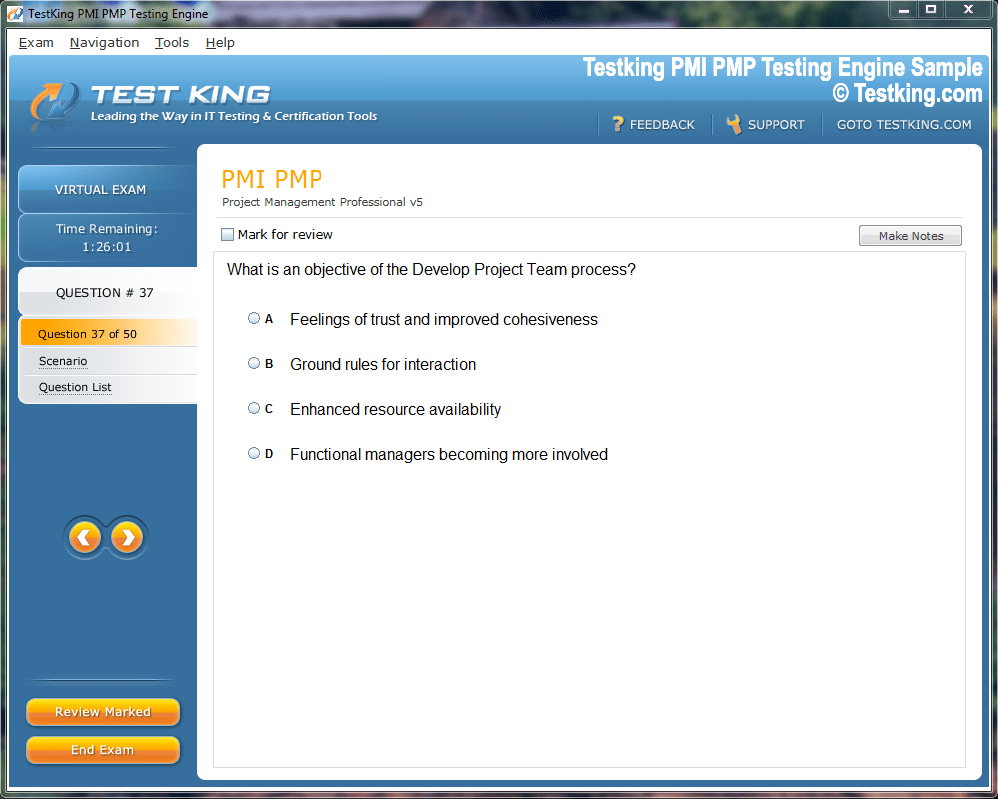
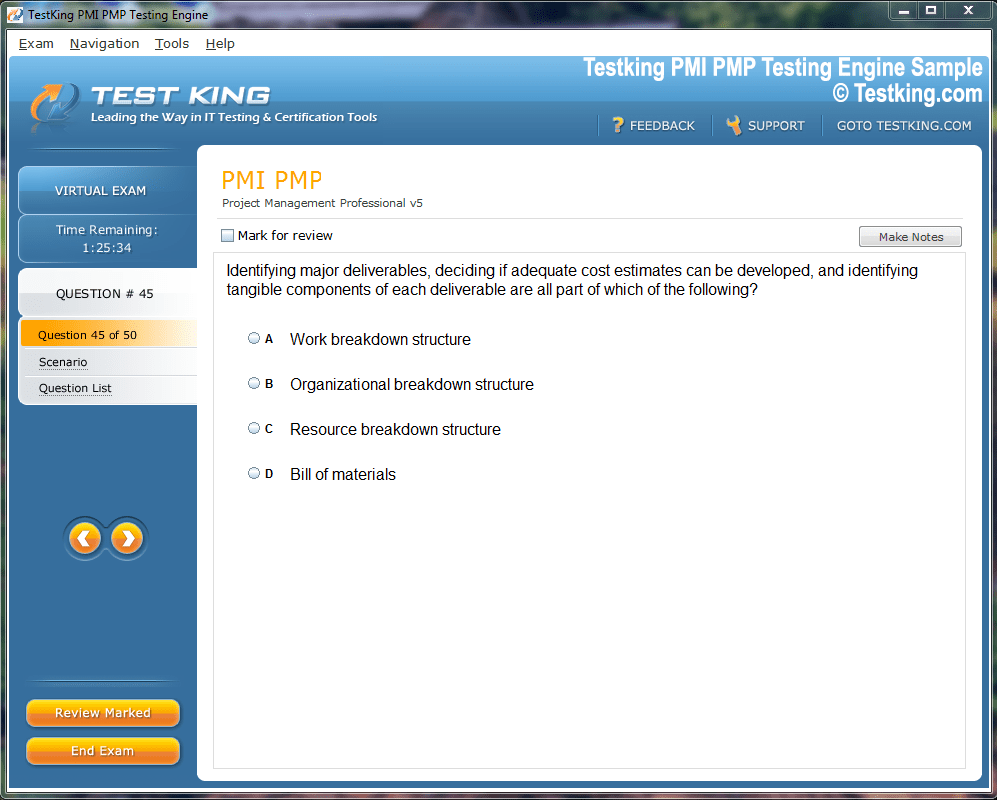
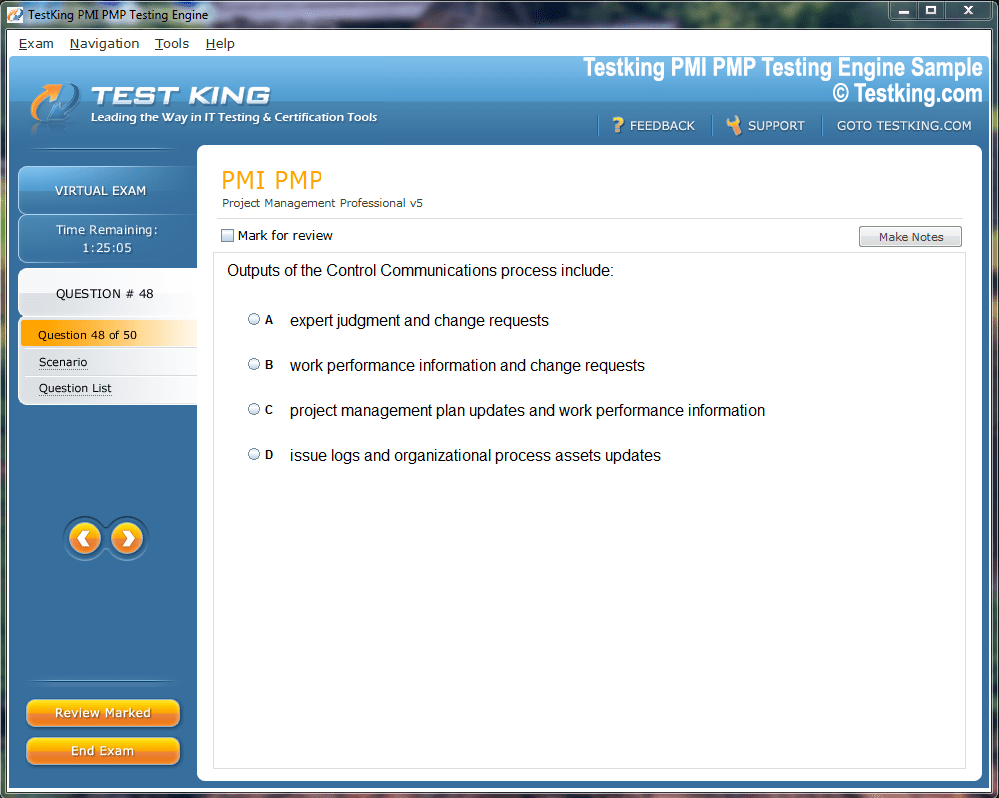
nop-1e =1
Strategic Preparation for IBM Certified Developer - Business Automation Workflow V20.0.0.2 using Workflow Center Certification
The IBM Business Automation Workflow certification, particularly the C1000-116 exam, represents a crucial benchmark for professionals seeking to establish their proficiency in workflow automation and process orchestration within enterprise environments. The certification is oriented toward candidates who aspire to develop, configure, and optimize IBM Business Automation Workflow solutions using Workflow Center. Mastery of these concepts not only enhances practical capabilities but also reinforces analytical thinking and procedural comprehension in business process management ecosystems.
Candidates pursuing this certification are required to exhibit a comprehensive understanding of workflow design principles, process integration, and the deployment of automation solutions that meet organizational requirements. The C1000-116 certification serves as a validation of an individual’s ability to navigate complex workflows, manage tasks effectively, and ensure seamless process execution across interconnected applications. Success in this certification necessitates a multifaceted preparation strategy that includes conceptual study, scenario-based exercises, and rigorous practice exams designed to emulate the actual testing environment.
The Importance of Mock Exams in Certification Preparation
Mock exams play a pivotal role in the preparation for the IBM Certified Developer - Business Automation Workflow V20.0.0.2 using Workflow Center examination. These practice assessments provide candidates with an immersive environment to evaluate their knowledge and gauge readiness before attempting the official exam. Unlike static learning resources, mock exams simulate the examination format, question types, and time constraints, enabling candidates to develop familiarity with the procedural flow of the actual test.
The efficacy of mock exams extends beyond mere rehearsal. They cultivate the candidate’s ability to identify knowledge gaps, reinforce retention of core concepts, and cultivate strategic thinking under time pressure. By engaging with scenario-based questions and multiple-choice queries reflective of real-world applications, candidates not only consolidate their understanding of IBM Business Automation Workflow concepts but also enhance their capacity to apply these principles in practical contexts.
Structure and Composition of C1000-116 Practice Exams
C1000-116 practice exams are meticulously structured to mirror the official IBM certification examination. The question bank is curated to include a broad spectrum of topics aligned with the syllabus, ensuring comprehensive coverage of fundamental and advanced concepts. The questions are derived from multiple sources, including inputs from recently certified professionals, subject matter experts, and active contributors within IBM-focused communities. This collaborative approach ensures that the practice exam remains current, relevant, and reflective of contemporary industry requirements.
The composition of these practice exams encompasses various question formats, predominantly multiple-choice, designed to challenge the candidate’s conceptual clarity and application skills. Time-bound practice sessions are integral to this design, allowing candidates to simulate the pacing and decision-making required during the actual C1000-116 certification exam. By engaging repeatedly with such timed assessments, candidates cultivate effective time management strategies, critical for successfully navigating the examination within the allocated duration.
Enhancing Conceptual Mastery Through Scenario-Based Questions
One of the distinguishing features of IBM Business Automation Workflow practice exams is the emphasis on scenario-based questions. Unlike purely theoretical queries, these questions present practical situations that candidates are likely to encounter in real-world workflow development. This approach encourages analytical reasoning, problem-solving, and the application of best practices in automation solutions.
Scenario-based questions compel candidates to synthesize information, discern interdependencies between workflow components, and identify optimal solutions based on organizational requirements. Through repeated exposure to these exercises, candidates develop a nuanced understanding of workflow orchestration, task allocation, exception handling, and integration with auxiliary business applications. Such rigorous engagement fosters not only exam readiness but also practical expertise applicable in professional settings.
Benefits of Using an Online Practice Test Platform
The advent of online practice platforms has significantly transformed the preparation landscape for IBM C1000-116 certification candidates. These platforms offer interactive interfaces that replicate the exam environment, providing real-time feedback, detailed performance analytics, and personalized progress tracking. By leveraging these tools, candidates gain insights into their strengths and weaknesses, enabling focused revision of areas requiring improvement.
In addition to performance tracking, online platforms allow for repeated attempts, accommodating iterative learning and reinforcement of concepts. Candidates can undertake multiple practice sessions under varying conditions, enhancing adaptability and confidence. Furthermore, the accessibility of these platforms ensures that preparation can occur seamlessly, irrespective of geographical or temporal constraints, facilitating a structured and uninterrupted learning regimen.
Community-Driven Updates and Expert Contributions
A salient advantage of contemporary practice exam platforms lies in the incorporation of community-driven updates and expert contributions. Certified professionals, along with experts in IBM Data, Analytics, and AI, continuously provide insights and updates that ensure the relevance and accuracy of practice questions. This collaborative methodology ensures that the question bank evolves in alignment with the latest exam trends, software updates, and industry best practices.
Engaging with a community of like-minded professionals also fosters knowledge sharing, discussion of complex scenarios, and peer-supported problem-solving. This dynamic environment cultivates a deeper understanding of IBM Business Automation Workflow concepts, enhancing both theoretical comprehension and practical application skills. The iterative refinement of questions and explanations ensures that candidates remain well-prepared for the evolving demands of the certification exam.
Time Management and Exam Simulation
Effective time management is an indispensable skill for success in the C1000-116 certification exam. Practice exams conducted under timed conditions provide candidates with the opportunity to develop pacing strategies, prioritize questions, and allocate adequate time to complex scenarios. These exercises simulate the temporal pressures of the actual exam, enabling candidates to build resilience and composure.
Through repeated exposure to timed assessments, candidates learn to identify high-yield topics, streamline problem-solving approaches, and minimize the risk of incomplete or rushed responses. The integration of time management practices within the preparation framework is instrumental in enhancing both confidence and performance during the actual examination.
Tracking Progress and Identifying Knowledge Gaps
A structured approach to certification preparation necessitates continuous monitoring of progress. Detailed result analytics offered by online practice platforms enable candidates to assess performance across individual topics, question types, and scenario complexities. This granular feedback illuminates areas of conceptual weakness and provides actionable insights for targeted revision.
By systematically addressing knowledge gaps identified through practice exams, candidates can progressively strengthen their understanding of IBM Business Automation Workflow concepts. The iterative cycle of practice, analysis, and remediation fosters a robust foundation, ensuring comprehensive readiness for the certification exam. Historical result tracking further allows candidates to observe improvement trends, reinforcing motivation and sustaining engagement throughout the preparation journey.
Advantages of Scenario-Based Learning
Scenario-based learning extends beyond mere exam preparation; it cultivates practical expertise essential for professional workflow development. These exercises challenge candidates to interpret business requirements, design appropriate workflow solutions, and anticipate potential operational bottlenecks. By engaging with real-world scenarios, candidates refine decision-making skills, enhance problem-solving acuity, and develop the capacity to implement efficient and scalable workflow solutions.
The experiential nature of scenario-based questions facilitates deeper cognitive processing, aiding retention and application of knowledge. This methodology not only prepares candidates for examination success but also equips them with competencies directly translatable to enterprise workflow management roles.
Building Confidence Through Iterative Practice
Repeated engagement with practice exams serves to bolster candidate confidence. Familiarity with the exam structure, question formats, and scenario complexities reduces anxiety and cultivates a strategic mindset. Iterative practice reinforces knowledge, hones analytical skills, and enables candidates to approach the actual certification exam with composure and clarity.
Confidence gained through structured practice translates into enhanced performance, as candidates are better equipped to tackle challenging questions, manage time effectively, and apply conceptual understanding in practical contexts. The psychological preparedness afforded by repeated mock assessments is a critical determinant of success in high-stakes examinations such as the C1000-116 certification.
Integration of Advanced Workflow Concepts
The C1000-116 certification exam encompasses a spectrum of advanced workflow concepts, including process orchestration, automation optimization, integration with external applications, and exception handling mechanisms. Proficiency in these areas requires both theoretical understanding and practical application, achievable through targeted practice exams and scenario-based exercises.
Candidates are encouraged to explore complex workflow patterns, evaluate process efficiencies, and design automation solutions that balance scalability with operational reliability. Practice exams provide the framework for exploring these advanced concepts in a controlled environment, enabling candidates to refine their approach and develop a sophisticated understanding of workflow automation principles.
Personalized Learning Paths
The adaptability of online practice platforms facilitates the creation of personalized learning paths tailored to individual candidate needs. By analyzing performance data, candidates can prioritize topics requiring additional focus, select specific scenario-based exercises, and customize practice sessions to align with their preparation timeline.
Personalized learning paths ensure that preparation is efficient, targeted, and aligned with the candidate’s proficiency level. This strategic approach optimizes the use of study time, reinforces conceptual mastery, and maximizes the likelihood of success in the C1000-116 certification exam.
Leveraging Community Insights for Exam Readiness
Participation in community forums and engagement with certified professionals provide candidates with valuable insights into the evolving landscape of IBM Business Automation Workflow certification. Community-driven discussions often highlight nuanced exam patterns, emerging trends, and practical tips for addressing complex scenarios.
By integrating these insights into their preparation, candidates can refine their study strategies, anticipate potential challenges, and enhance their readiness for the certification exam. The collaborative exchange of knowledge fosters a richer understanding of workflow automation concepts and supports holistic preparation for both the exam and professional application.
Deepening Knowledge in IBM Business Automation Workflow
A comprehensive grasp of IBM Business Automation Workflow extends beyond fundamental understanding and involves a multidimensional approach to learning. The C1000-116 exam evaluates proficiency in workflow orchestration, task automation, and process integration using Workflow Center. Candidates must develop expertise in creating robust, scalable solutions that harmonize with enterprise systems. Mastery of these areas requires systematic study, hands-on practice, and engagement with real-world scenarios that replicate enterprise challenges.
Preparation begins with an immersive understanding of process design principles, including the delineation of tasks, identification of dependencies, and implementation of automation rules. Candidates must also explore workflow modeling techniques, assess performance metrics, and integrate exception handling mechanisms to ensure resilient business operations. By synthesizing theoretical knowledge with scenario-based application, candidates build the critical skills necessary for exam success and practical workflow implementation.
The Role of Practice Exams in Skill Consolidation
Practice exams constitute an indispensable component of an effective preparation strategy for the C1000-116 certification. They serve as a diagnostic tool, enabling candidates to evaluate their knowledge, reinforce retention, and develop confidence under exam conditions. Unlike traditional study methods, practice exams replicate the format, pacing, and complexity of the official IBM Certified Developer - Business Automation Workflow V20.0.0.2 using Workflow Center exam.
Engaging with these assessments cultivates the ability to manage time effectively, prioritize complex questions, and navigate multi-step scenarios. Furthermore, repeated exposure to simulated exams facilitates cognitive reinforcement, enhancing the retention of workflow concepts, procedural rules, and integration strategies. Candidates gain a holistic understanding of workflow orchestration and acquire the analytical acumen required to approach both straightforward and intricate exam questions with poise.
Composition and Diversity of C1000-116 Practice Questions
The C1000-116 practice exams are curated to encompass the full spectrum of topics outlined in the official certification syllabus. Questions are designed by leveraging insights from recently certified professionals, subject matter experts, and community contributors, ensuring their relevance and alignment with contemporary industry standards. The diversity of questions includes multiple-choice formats, scenario-based challenges, and analytical problem-solving exercises.
These questions are structured to evaluate not only rote memorization but also the candidate’s ability to apply principles in dynamic contexts. The inclusion of complex scenarios reflects the challenges encountered in enterprise workflow development, compelling candidates to synthesize information, identify dependencies, and select optimal solutions. This rigorous approach cultivates both exam readiness and practical competency in Workflow Center development.
Scenario-Based Learning for Practical Application
Scenario-based learning is central to the preparation for IBM C1000-116 certification. By presenting candidates with realistic workflow challenges, these exercises foster analytical thinking, problem-solving, and strategic application of automation principles. Scenarios may include multi-departmental workflows, exception handling protocols, task prioritization, and integration with external enterprise systems.
This method of learning enables candidates to bridge the gap between theoretical knowledge and practical execution. By navigating intricate scenarios, candidates develop an understanding of how workflow components interact, anticipate operational bottlenecks, and implement efficient solutions. Such experiential learning enhances both examination performance and professional competency, equipping candidates with the tools necessary to execute workflow automation in complex organizational environments.
Benefits of Timed Practice Sessions
Timed practice sessions are an essential feature of effective C1000-116 preparation. Time-bound exercises simulate the pressure and constraints of the actual certification exam, cultivating the candidate’s ability to manage pacing and decision-making under temporal limitations. These exercises enhance the capacity to allocate appropriate attention to complex questions, maintain accuracy, and optimize the use of available time.
Engaging repeatedly in timed practice fosters resilience and adaptability, enabling candidates to remain composed during the official exam. Additionally, the incorporation of time management strategies within preparation reinforces cognitive efficiency, reduces anxiety, and promotes strategic thinking. This experience is invaluable, as effective time utilization directly influences overall performance and exam success.
Tracking Performance and Iterative Improvement
Monitoring performance throughout the preparation journey is crucial for ensuring comprehensive readiness. Online practice platforms provide detailed analytics that allow candidates to assess strengths and weaknesses across various topics, question types, and scenario complexities. This insight facilitates targeted revision, ensuring that attention is focused on areas requiring further reinforcement.
Iterative practice, combined with analytical review, enables candidates to progressively enhance their understanding and problem-solving abilities. By addressing identified gaps, refining strategies, and consolidating knowledge, candidates build a robust foundation for both the C1000-116 certification exam and practical workflow management. Historical performance tracking allows candidates to visualize improvement over time, sustaining motivation and supporting a structured approach to preparation.
Community-Driven Knowledge Enhancement
Active participation in IBM-focused communities enriches the preparation experience for C1000-116 candidates. These communities provide a platform for sharing insights, discussing complex scenarios, and receiving guidance from certified professionals and industry experts. Contributions from community members and experts in IBM Data, Analytics, and AI ensure that practice materials are continuously updated, relevant, and aligned with evolving exam requirements.
Engagement with such communities fosters collaborative learning, encourages discussion of advanced concepts, and promotes the exchange of practical strategies. Candidates gain exposure to diverse perspectives, learn from shared experiences, and refine their problem-solving approaches. This interaction strengthens conceptual understanding and enhances readiness for both the certification exam and real-world workflow challenges.
Advantages of Online Practice Platforms
The availability of online practice platforms has revolutionized the preparation for IBM Business Automation Workflow certification. These platforms offer immersive, interactive environments that replicate the exam structure, provide real-time feedback, and track performance in detail. Candidates can access extensive question banks, simulate timed exams, and analyze their results for targeted improvement.
Online platforms offer flexibility, enabling candidates to engage in practice sessions at their convenience while benefiting from structured, progressive learning paths. The iterative nature of online practice allows candidates to build mastery over time, refine strategies, and strengthen their problem-solving skills in preparation for the C1000-116 certification exam.
Integrating Advanced Workflow Concepts
Success in the C1000-116 exam requires proficiency in advanced workflow concepts, including process orchestration, automation optimization, exception handling, and integration with external systems. Candidates must develop an understanding of how to design scalable solutions, evaluate performance metrics, and implement robust automation protocols.
Practice exams facilitate the exploration of these advanced topics in a controlled environment, allowing candidates to experiment with complex scenarios and refine their approach. By engaging with intricate workflow challenges, candidates cultivate analytical thinking, enhance operational efficiency, and develop the skills necessary to execute sophisticated automation solutions within enterprise contexts.
Strategic Approaches to Exam Preparation
A strategic approach to C1000-116 preparation is essential for success. Candidates should prioritize a balanced combination of conceptual study, scenario-based exercises, and repeated engagement with practice exams. Structured preparation ensures that all aspects of the syllabus are addressed, while iterative practice reinforces knowledge and hones application skills.
In addition to content mastery, candidates must develop effective strategies for time management, question prioritization, and analytical reasoning. Practicing under simulated exam conditions cultivates these competencies, enabling candidates to navigate the certification exam with confidence, efficiency, and composure.
Enhancing Retention Through Repetition
Repetition is a powerful tool for reinforcing knowledge and ensuring long-term retention. Engaging regularly with practice exams, scenario-based questions, and timed exercises strengthens cognitive pathways, consolidates conceptual understanding, and enhances problem-solving abilities.
Candidates benefit from a cyclical learning approach, where concepts are revisited, refined, and applied in progressively challenging scenarios. This method not only prepares candidates for the C1000-116 certification exam but also equips them with practical expertise applicable in professional workflow development and automation roles.
Developing Analytical and Critical Thinking Skills
The C1000-116 exam evaluates not only technical knowledge but also the ability to apply analytical and critical thinking in workflow automation contexts. Practice exams challenge candidates to assess complex scenarios, interpret data, and devise efficient solutions aligned with organizational requirements.
Through repeated exposure to analytical questions and scenario-based exercises, candidates cultivate the ability to identify patterns, anticipate potential issues, and implement proactive solutions. These competencies are essential for professional success, enabling workflow developers to optimize processes, reduce inefficiencies, and deliver high-quality automation solutions.
Personalized Learning and Adaptive Practice
Personalized learning and adaptive practice are central to effective C1000-116 preparation. Online platforms leverage performance analytics to tailor practice sessions, enabling candidates to focus on areas requiring improvement while reinforcing strengths.
Adaptive practice ensures that study time is optimized, challenges are appropriately calibrated, and learning experiences are aligned with the candidate’s proficiency level. By engaging with customized practice pathways, candidates can maximize preparation efficiency, deepen conceptual understanding, and enhance readiness for the certification exam.
Real-World Application of Workflow Knowledge
Certification success is closely linked to the ability to apply workflow knowledge in real-world contexts. Scenario-based practice exams encourage candidates to simulate enterprise challenges, design efficient workflow solutions, and evaluate performance outcomes.
This practical application reinforces theoretical understanding, cultivates problem-solving acumen, and develops operational proficiency. By bridging the gap between study and practice, candidates are better equipped to implement effective, scalable, and reliable IBM Business Automation Workflow solutions in professional settings.
Leveraging Expert Guidance for Preparation
Engagement with certified professionals and industry experts provides invaluable guidance for C1000-116 candidates. Expert contributions inform the design of practice questions, clarify complex concepts, and provide insights into exam patterns.
By incorporating expert advice into preparation strategies, candidates gain nuanced understanding, refine problem-solving approaches, and develop confidence in addressing advanced workflow scenarios. This integration of expert knowledge enhances both examination readiness and practical workflow development skills.
Building Confidence Through Iterative Learning
Confidence is a critical factor in achieving certification success. Iterative learning through repeated practice exams, scenario-based exercises, and timed assessments fosters familiarity with exam content, enhances problem-solving efficiency, and reduces anxiety.
Through consistent engagement with structured practice materials, candidates develop resilience, strategic thinking, and composure. Confidence gained through preparation translates into improved performance, enabling candidates to approach the C1000-116 certification exam with clarity, assurance, and professionalism.
Mastering IBM Workflow Center Development
IBM Workflow Center Development encompasses the skills and knowledge necessary to design, implement, and optimize automated business processes. The C1000-116 certification exam evaluates the ability to create efficient, scalable workflows that address organizational needs while integrating seamlessly with enterprise systems. Candidates must acquire a deep understanding of process modeling, task orchestration, exception handling, and workflow optimization to demonstrate competence.
Successful preparation requires a combination of theoretical study, scenario-based exercises, and practice exams. Candidates are encouraged to explore workflow architecture, task dependencies, and automation strategies to develop a nuanced understanding of workflow dynamics. The goal is to ensure that candidates can not only answer exam questions accurately but also apply workflow principles effectively in real-world situations.
The Significance of Practice Exams
Practice exams are a critical component of preparation for the IBM C1000-116 certification. They provide candidates with an opportunity to evaluate their understanding of workflow concepts, refine problem-solving strategies, and develop familiarity with exam formats. Unlike traditional study methods, practice exams immerse candidates in a simulated test environment that mirrors the pacing, complexity, and scenario-based challenges of the actual exam.
Repeated engagement with practice exams enhances cognitive retention, reinforces core concepts, and improves analytical reasoning. Candidates learn to navigate multi-step scenarios, prioritize questions, and allocate time effectively, all of which are crucial for success in the C1000-116 certification exam. This structured approach to preparation fosters both confidence and proficiency.
Designing Robust Workflow Solutions
A central aspect of IBM Workflow Center Development is the ability to design robust workflow solutions. Candidates must understand how to model processes, define task sequences, and establish rules for task execution and exception handling. Workflow design involves evaluating dependencies, optimizing performance, and ensuring reliability in automated processes.
Scenario-based practice exercises facilitate the exploration of complex workflow configurations, enabling candidates to experiment with task orchestration, rule enforcement, and integration with external applications. By engaging with these exercises, candidates develop the skills necessary to create scalable, efficient, and resilient workflow solutions, both for the certification exam and professional practice.
Scenario-Based Learning for Practical Competence
Scenario-based learning is a hallmark of effective IBM C1000-116 preparation. These exercises present candidates with realistic workflow challenges, requiring analytical reasoning, decision-making, and problem-solving. Scenarios may involve multi-departmental task coordination, exception resolution, or integration of disparate systems.
By interacting with scenario-based questions, candidates learn to anticipate potential challenges, evaluate solution options, and implement efficient workflows. This experiential learning approach enhances retention, fosters critical thinking, and prepares candidates for the practical demands of Workflow Center development in enterprise environments.
Online Platforms for Interactive Learning
Online practice platforms provide candidates with interactive, immersive environments for exam preparation. These platforms simulate the exam structure, offer real-time feedback, and track performance metrics to guide targeted improvement. Candidates can access extensive question banks, engage in timed practice sessions, and monitor progress through detailed analytics.
The adaptability of online platforms allows for personalized learning experiences, ensuring that candidates focus on areas requiring improvement while reinforcing strengths. The convenience of online access also enables consistent, uninterrupted preparation, allowing candidates to build mastery over time and approach the C1000-116 exam with confidence.
Time Management Strategies
Effective time management is essential for success in the C1000-116 certification exam. Candidates must develop the ability to allocate time efficiently, prioritize complex questions, and maintain accuracy under time constraints. Timed practice sessions cultivate these skills, simulating the pressures of the actual exam environment and enabling candidates to refine pacing strategies.
Through repeated timed practice, candidates learn to identify high-priority questions, streamline problem-solving techniques, and navigate multi-step scenarios efficiently. Mastery of time management contributes significantly to overall exam performance, ensuring that candidates can complete all sections within the allocated duration.
Tracking Progress and Identifying Weaknesses
Continuous monitoring of progress is integral to effective exam preparation. Online platforms provide detailed performance analytics, enabling candidates to assess strengths and weaknesses across topics, question types, and scenario complexities. This insight informs targeted revision, ensuring that study efforts are concentrated where they are most needed.
Iterative practice combined with analytical review allows candidates to strengthen weak areas, refine strategies, and consolidate understanding. Historical tracking of results enables candidates to observe trends, monitor improvement, and maintain motivation throughout the preparation process, supporting a structured and comprehensive approach to C1000-116 readiness.
Community Engagement and Knowledge Sharing
Engagement with certified professionals and community members enhances preparation for the IBM C1000-116 certification exam. Communities provide platforms for discussion, knowledge exchange, and collaborative problem-solving. Contributions from certified experts and experienced candidates ensure that practice materials remain current, relevant, and aligned with exam requirements.
Active participation in these communities facilitates exposure to diverse perspectives, real-world scenarios, and advanced workflow concepts. Candidates benefit from shared insights, practical tips, and guidance on complex topics, which reinforces understanding and supports comprehensive exam preparation.
Integrating Advanced Workflow Concepts
Advanced workflow concepts, including process orchestration, automation optimization, exception handling, and system integration, are critical components of the C1000-116 certification exam. Candidates must understand how to design scalable, efficient solutions that meet organizational needs while ensuring reliability and performance.
Practice exams provide a structured environment to explore these concepts, experiment with complex workflows, and refine problem-solving strategies. By engaging with advanced scenarios, candidates develop analytical skills, operational insight, and the ability to implement sophisticated workflow solutions in real-world contexts.
Strategic Exam Preparation
A strategic approach to exam preparation involves balancing conceptual study, scenario-based exercises, and repeated engagement with practice exams. Candidates should develop a structured plan that addresses all syllabus topics, incorporates iterative practice, and emphasizes timed assessments.
Effective strategies include prioritizing high-weight topics, focusing on complex scenarios, and regularly reviewing performance analytics to target areas needing improvement. By adopting a strategic methodology, candidates optimize study time, reinforce understanding, and enhance readiness for the C1000-116 certification exam.
Retention and Reinforcement Through Repetition
Repetition is a critical component of knowledge retention and skill reinforcement. Engaging consistently with practice exams, scenario-based questions, and timed exercises consolidates understanding, strengthens cognitive pathways, and enhances problem-solving proficiency.
Cyclical learning, where concepts are revisited, applied, and refined, ensures that candidates retain knowledge and develop the ability to apply it effectively. This approach not only prepares candidates for the C1000-116 exam but also equips them with practical expertise for professional workflow development and automation roles.
Analytical and Critical Thinking Development
The C1000-116 exam assesses both technical knowledge and the ability to apply analytical and critical thinking skills in workflow contexts. Practice exams challenge candidates to evaluate scenarios, interpret data, and devise effective solutions aligned with organizational objectives.
Through repeated engagement with analytical and scenario-based questions, candidates cultivate the ability to identify patterns, anticipate potential challenges, and implement proactive solutions. These skills are essential for professional success, enabling workflow developers to optimize processes, reduce inefficiencies, and deliver high-quality automation outcomes.
Personalized and Adaptive Learning
Personalized learning pathways enhance the efficiency and effectiveness of exam preparation. Online platforms leverage performance data to tailor practice sessions to individual candidate needs, focusing on areas of weakness while reinforcing strengths.
Adaptive practice ensures that challenges are appropriately scaled to the candidate’s proficiency level, optimizing engagement and learning outcomes. By following customized learning paths, candidates maximize preparation efficiency, deepen understanding, and enhance readiness for the C1000-116 certification exam.
Real-World Workflow Applications
The ability to apply workflow knowledge in real-world contexts is essential for both exam success and professional competency. Scenario-based practice exams simulate enterprise challenges, enabling candidates to design, evaluate, and implement workflow solutions.
Practical application reinforces theoretical understanding, develops problem-solving acumen, and cultivates operational proficiency. By bridging the gap between study and practice, candidates are better prepared to implement efficient, reliable, and scalable IBM Business Automation Workflow solutions in professional settings.
Expert Guidance for Exam Readiness
Engagement with certified professionals and industry experts provides invaluable guidance for candidates preparing for the C1000-116 certification. Expert insights clarify complex topics, highlight exam trends, and provide practical tips for addressing advanced scenarios.
Incorporating expert advice into preparation strategies enables candidates to refine problem-solving approaches, deepen conceptual understanding, and build confidence. The integration of expert knowledge enhances both examination readiness and practical workflow development capabilities.
Building Confidence Through Practice
Confidence is a critical factor for success in high-stakes exams such as the C1000-116 certification. Iterative practice through mock exams, scenario-based exercises, and timed assessments fosters familiarity with exam content, improves problem-solving efficiency, and reduces anxiety.
Repeated engagement with structured preparation materials cultivates resilience, strategic thinking, and composure. Confidence gained through consistent practice enhances performance, enabling candidates to approach the certification exam with clarity, assurance, and professionalism.
Enhancing Workflow Knowledge Comprehensively
Achieving mastery of IBM Business Automation Workflow principles requires a comprehensive approach encompassing theoretical study, scenario-based learning, practice exams, and community engagement. Candidates must integrate knowledge across topics, develop practical skills, and refine analytical thinking to succeed in the C1000-116 exam.
By leveraging structured preparation resources, iterative practice, and expert guidance, candidates cultivate both the confidence and competence required for certification success. Mastery of workflow automation principles ensures the ability to implement efficient, scalable, and reliable solutions in professional environments.
Comprehensive Understanding of IBM Business Automation Workflow
A deep understanding of IBM Business Automation Workflow is fundamental for achieving success in the C1000-116 certification exam. Candidates must be proficient in workflow orchestration, automation strategies, process integration, and exception management using Workflow Center. Mastery of these areas ensures the development of resilient, scalable, and efficient solutions capable of meeting complex organizational needs.
Preparation involves not only studying theoretical concepts but also applying them in scenario-based exercises and simulated practice exams. Candidates are encouraged to explore workflow design patterns, optimize task execution, and anticipate potential operational challenges. This multifaceted approach ensures that knowledge is both comprehensive and applicable, enabling candidates to perform effectively in real-world enterprise contexts.
The Value of Practice Exams
Practice exams are instrumental in reinforcing knowledge and building confidence for the C1000-116 certification. They provide an immersive environment that mirrors the structure, timing, and complexity of the official IBM Certified Developer - Business Automation Workflow V20.0.0.2 using Workflow Center exam. By engaging with these assessments, candidates can identify strengths, uncover weaknesses, and develop strategies for efficient problem-solving.
These exams cultivate analytical thinking and decision-making under time constraints, encouraging candidates to navigate complex scenarios and multi-step workflows. Repeated exposure to practice exams strengthens cognitive retention, reinforces understanding of workflow principles, and ensures readiness for the practical and conceptual demands of the certification.
Workflow Design and Implementation
Workflow design is a critical skill assessed in the C1000-116 exam. Candidates must demonstrate the ability to model processes, define task sequences, and establish rules for task execution. This includes identifying dependencies, optimizing workflow performance, and implementing robust exception handling mechanisms.
Scenario-based practice exercises enable candidates to experiment with complex workflows, evaluate integration strategies, and refine automation solutions. These exercises cultivate an understanding of process interdependencies, task prioritization, and performance optimization, which are essential for creating effective, enterprise-grade workflow systems.
Scenario-Based Learning for Applied Knowledge
Scenario-based learning forms the cornerstone of effective C1000-116 preparation. Candidates are presented with realistic workflow challenges, requiring analytical reasoning, critical thinking, and strategic problem-solving. Scenarios often involve multi-departmental task coordination, exception management, and integration with external enterprise systems.
Engaging with scenario-based questions fosters practical competence, enabling candidates to anticipate challenges, evaluate alternatives, and implement optimal workflow solutions. This experiential approach enhances retention, reinforces understanding of workflow orchestration principles, and prepares candidates for both the certification exam and professional application.
Advantages of Online Practice Platforms
Online practice platforms provide an interactive and immersive environment for C1000-116 preparation. These platforms replicate the exam structure, offer real-time feedback, and track performance metrics, enabling candidates to monitor progress and refine their study strategies. Extensive question banks and timed practice sessions simulate the pressures of the actual exam, enhancing readiness.
The flexibility of online platforms allows candidates to engage in practice sessions at their convenience while benefiting from adaptive learning paths. By providing iterative feedback and personalized analytics, these platforms facilitate targeted learning and mastery of IBM Business Automation Workflow concepts.
Time Management Skills
Effective time management is a critical factor in C1000-116 exam success. Candidates must develop the ability to allocate time efficiently, prioritize challenging questions, and maintain accuracy under time constraints. Timed practice sessions foster the development of pacing strategies, enabling candidates to navigate complex scenarios without undue stress.
Repeated timed exercises improve cognitive efficiency, reduce examination anxiety, and promote strategic thinking. Mastery of time management not only enhances performance in the certification exam but also strengthens practical workflow management skills applicable in professional settings.
Monitoring Progress and Performance Analytics
Continuous tracking of progress is essential for effective preparation. Online platforms provide detailed analytics, allowing candidates to assess strengths and weaknesses across topics, question formats, and scenario complexities. These insights guide targeted revision, ensuring efficient allocation of study time.
Iterative practice combined with performance analysis strengthens conceptual understanding and improves problem-solving skills. Historical performance tracking enables candidates to visualize improvement over time, maintain motivation, and adopt a structured approach to exam readiness, ensuring comprehensive preparation for the C1000-116 certification.
Community Engagement and Expert Insights
Active participation in IBM-focused communities enhances preparation for the C1000-116 certification. Candidates benefit from the collective knowledge of certified professionals, subject matter experts, and peers. Community engagement provides insights into complex scenarios, advanced workflow concepts, and evolving exam trends.
These interactions foster collaborative learning, promote the exchange of practical strategies, and offer guidance on addressing challenging questions. Incorporating community insights into preparation enriches understanding, supports comprehensive exam readiness, and strengthens practical skills in Workflow Center development.
Advanced Workflow Concepts
The C1000-116 exam includes advanced workflow concepts such as process orchestration, automation optimization, exception handling, and integration with external systems. Candidates must understand how to design scalable solutions that ensure operational efficiency and reliability.
Practice exams facilitate exploration of these advanced topics, enabling candidates to navigate complex workflows and refine problem-solving strategies. Exposure to intricate scenarios cultivates analytical thinking, operational insight, and the ability to implement sophisticated solutions in professional contexts.
Strategic Preparation Techniques
A strategic approach to C1000-116 preparation involves a balanced combination of conceptual study, scenario-based exercises, and iterative practice. Candidates should develop structured study plans, prioritize high-weight topics, and engage in timed practice sessions to reinforce learning.
Effective strategies include identifying areas of weakness, customizing learning paths, and continuously reviewing performance analytics. Strategic preparation maximizes study efficiency, ensures comprehensive coverage of the syllabus, and enhances readiness for the certification exam.
Reinforcing Knowledge Through Repetition
Repetition strengthens knowledge retention and reinforces skills necessary for the C1000-116 certification. Consistent engagement with practice exams, scenario-based questions, and timed exercises consolidates understanding, sharpens problem-solving abilities, and enhances cognitive retention.
Cyclical learning, involving review, application, and refinement, ensures that candidates internalize workflow principles and develop the ability to apply them effectively. This approach prepares candidates not only for the certification exam but also for professional implementation of IBM Business Automation Workflow solutions.
Developing Analytical Competence
The C1000-116 exam evaluates candidates’ ability to apply analytical and critical thinking in workflow contexts. Practice exams challenge candidates to interpret data, analyze scenarios, and devise optimal solutions aligned with organizational objectives.
Repeated exposure to analytical questions fosters the ability to identify patterns, anticipate challenges, and implement proactive solutions. These competencies are essential for workflow developers, enabling them to optimize processes, enhance efficiency, and deliver high-quality automation outcomes in enterprise environments.
Personalized and Adaptive Learning
Personalized learning enhances the effectiveness of preparation for the C1000-116 exam. Online platforms use performance data to create adaptive learning paths, focusing on areas requiring improvement while reinforcing strengths.
Adaptive practice ensures that study challenges are appropriate to the candidate’s proficiency level, maximizing engagement and learning outcomes. By following personalized learning paths, candidates optimize preparation efficiency, deepen understanding, and enhance readiness for certification.
Practical Workflow Application
Applying workflow knowledge in real-world scenarios is essential for both exam success and professional competence. Scenario-based practice exams simulate enterprise challenges, allowing candidates to design, evaluate, and implement effective workflow solutions.
Practical application reinforces theoretical understanding, develops problem-solving capabilities, and cultivates operational proficiency. Bridging the gap between study and practice ensures that candidates are prepared to implement efficient, reliable, and scalable IBM Business Automation Workflow solutions in professional settings.
Leveraging Expert Knowledge
Engagement with certified professionals and industry experts provides valuable guidance for C1000-116 candidates. Expert insights clarify complex concepts, highlight emerging trends, and provide practical strategies for addressing advanced workflow scenarios.
Integrating expert knowledge into preparation helps candidates refine problem-solving techniques, enhance conceptual understanding, and build confidence. This combination of expert guidance and structured practice ensures both examination readiness and professional competence in workflow automation.
Building Confidence Through Iterative Practice
Confidence plays a vital role in achieving certification success. Iterative practice through mock exams, scenario-based exercises, and timed assessments fosters familiarity with exam content, improves efficiency, and reduces anxiety.
Engagement with structured preparation materials cultivates resilience, strategic thinking, and composure. Confidence developed through repeated practice enhances performance, enabling candidates to approach the C1000-116 certification exam with assurance and professionalism.
Comprehensive Knowledge Enhancement
Mastery of IBM Business Automation Workflow requires a comprehensive approach encompassing theoretical study, scenario-based learning, timed practice, and community engagement. Candidates must integrate knowledge across topics, develop practical skills, and refine analytical thinking.
Through structured preparation, iterative practice, and expert guidance, candidates build the confidence and proficiency necessary for certification success. Mastery of workflow automation principles ensures the ability to implement effective, scalable, and reliable solutions in professional enterprise environments.
Sustaining Professional Competence
Achieving certification is not an endpoint but a foundation for ongoing professional development. Candidates who prepare thoroughly for the C1000-116 exam gain skills applicable to real-world workflow automation challenges, enhancing operational efficiency and organizational performance.
Continuous engagement with workflow concepts, participation in professional communities, and practical application of knowledge ensure that certified professionals maintain and expand their competence. This sustained learning contributes to long-term career growth, operational effectiveness, and the ability to implement innovative workflow solutions.
In-Depth Preparation for IBM C1000-116
Thorough preparation for the IBM C1000-116 certification exam necessitates a multidimensional approach that integrates theoretical knowledge, scenario-based exercises, timed practice, and performance analysis. Candidates are expected to demonstrate proficiency in workflow orchestration, automation strategies, and integration with enterprise systems using Workflow Center. Developing this level of expertise requires systematic study, iterative learning, and engagement with realistic workflow challenges that mirror professional scenarios.
The IBM Business Automation Workflow certification assesses the candidate's ability to manage tasks efficiently, design scalable processes, and implement automation solutions that align with organizational objectives. Preparing for this exam involves understanding core workflow concepts, mastering advanced features, and applying problem-solving techniques to complex scenarios. The goal is to ensure that candidates can both pass the certification and perform competently in professional workflow development environments.
The Role of Practice Exams in Skill Development
Practice exams serve as a crucial tool for reinforcing knowledge and building confidence for the C1000-116 certification. They simulate the structure, pacing, and complexity of the official IBM Certified Developer - Business Automation Workflow V20.0.0.2 using Workflow Center exam. Through practice, candidates can assess their understanding, identify weak areas, and refine problem-solving strategies.
Repeated engagement with practice exams enhances analytical thinking and decision-making capabilities under time constraints. Candidates learn to navigate multi-step scenarios, prioritize questions effectively, and maintain accuracy throughout the assessment. This structured approach not only prepares candidates for the exam but also strengthens practical workflow management skills.
Workflow Design and Process Optimization
Designing efficient workflow solutions is a central component of IBM Workflow Center Development. Candidates must be able to model processes, define task sequences, and establish rules for task execution and exception handling. This includes evaluating dependencies, optimizing performance, and ensuring operational reliability.
Scenario-based practice exercises provide opportunities to explore complex workflows, assess integration strategies, and refine automation solutions. By engaging with these exercises, candidates develop the ability to design scalable, efficient, and resilient workflows suitable for enterprise environments, enhancing both exam readiness and professional competency.
Scenario-Based Learning for Real-World Application
Scenario-based learning is essential for developing practical skills in IBM Business Automation Workflow. Candidates are presented with realistic workflow challenges requiring analytical reasoning, problem-solving, and strategic decision-making. Scenarios may involve multi-departmental coordination, exception resolution, or integration with external applications.
Engaging with scenario-based questions allows candidates to anticipate challenges, evaluate alternatives, and implement optimal workflow solutions. This experiential approach enhances retention, reinforces conceptual understanding, and prepares candidates for both the C1000-116 exam and professional workflow implementation.
Online Platforms for Interactive Practice
Online practice platforms offer immersive and interactive preparation environments for the C1000-116 certification. These platforms replicate the exam format, provide real-time feedback, and track performance metrics to guide targeted improvement. Extensive question banks, scenario-based exercises, and timed assessments simulate the pressures and expectations of the actual exam.
The flexibility of online platforms allows candidates to engage in practice at convenient times, with adaptive learning paths tailored to individual needs. Iterative feedback and personalized analytics enable focused preparation, ensuring mastery of IBM Business Automation Workflow concepts and readiness for the certification exam.
Time Management Techniques
Effective time management is critical for success in the C1000-116 exam. Candidates must allocate time efficiently, prioritize complex questions, and maintain accuracy under time constraints. Timed practice sessions provide opportunities to develop pacing strategies, navigate multi-step scenarios, and build confidence in handling the temporal pressures of the exam.
Repeated engagement with timed assessments enhances cognitive efficiency, reduces exam-related anxiety, and promotes strategic thinking. Time management skills acquired through practice not only improve exam performance but also support professional workflow management in real-world contexts.
Monitoring Performance and Analyzing Results
Tracking progress is an essential aspect of effective exam preparation. Online practice platforms provide detailed analytics, enabling candidates to assess strengths and weaknesses across topics, question types, and scenario complexities. These insights inform targeted revision, ensuring efficient use of study time and focused improvement.
Iterative practice combined with performance analysis strengthens conceptual understanding, problem-solving skills, and analytical capabilities. Historical tracking of results allows candidates to observe trends, maintain motivation, and adopt a structured, systematic approach to preparation for the C1000-116 certification exam.
Community Engagement for Knowledge Expansion
Active participation in IBM-focused communities enhances the preparation process for the C1000-116 certification. Certified professionals, subject matter experts, and peers contribute insights, guidance, and practical tips on complex scenarios and advanced workflow concepts.
Community engagement fosters collaborative learning, promotes discussion of intricate challenges, and supports knowledge sharing. Candidates benefit from diverse perspectives, exposure to real-world experiences, and clarification of nuanced concepts. Integrating these insights into preparation strengthens understanding, supports exam readiness, and enhances practical workflow development skills.
Advanced Workflow Concepts
Candidates must master advanced workflow concepts to succeed in the C1000-116 exam. These include process orchestration, automation optimization, exception handling, and integration with external systems. Understanding these concepts ensures that workflows are scalable, efficient, and reliable.
Practice exams provide a structured environment to explore these advanced topics, navigate complex scenarios, and refine problem-solving approaches. Exposure to intricate workflows develops analytical thinking, operational insight, and the ability to implement sophisticated automation solutions effectively.
Strategic Exam Preparation
A strategic approach to preparation involves balancing conceptual study, scenario-based exercises, and iterative practice. Candidates should create structured study plans, prioritize topics with higher weightage, and incorporate timed assessments into their learning routine.
Effective strategies include identifying areas of weakness, customizing learning paths, and continuously reviewing performance analytics. This strategic methodology maximizes study efficiency, reinforces knowledge, and ensures readiness for the C1000-116 certification exam.
Knowledge Reinforcement Through Repetition
Repetition is vital for consolidating knowledge and developing problem-solving skills. Consistent engagement with practice exams, scenario-based exercises, and timed assessments strengthens cognitive retention and enhances proficiency in workflow concepts.
A cyclical learning approach, involving review, application, and refinement, ensures that candidates internalize principles and can apply them effectively. This method prepares candidates not only for the C1000-116 exam but also for professional implementation of IBM Business Automation Workflow solutions.
Developing Analytical and Critical Thinking Skills
The C1000-116 exam evaluates candidates’ ability to apply analytical and critical thinking in workflow automation contexts. Practice exams challenge candidates to interpret scenarios, analyze data, and devise effective solutions aligned with organizational objectives.
Through repeated exposure to analytical and scenario-based questions, candidates develop the ability to identify patterns, anticipate operational challenges, and implement proactive solutions. These competencies are essential for professional workflow developers, enabling optimization of processes and delivery of high-quality automation outcomes.
Personalized and Adaptive Learning
Personalized learning is a key feature of modern preparation platforms. Adaptive practice sessions are tailored to candidates’ strengths and weaknesses, focusing on areas that require reinforcement while consolidating areas of proficiency.
Adaptive learning ensures that challenges are appropriate to the candidate’s skill level, optimizing engagement and learning outcomes. By following personalized learning paths, candidates maximize preparation efficiency, deepen comprehension, and enhance readiness for the C1000-116 certification exam.
Practical Application of Workflow Knowledge
Applying workflow knowledge in realistic scenarios is essential for both exam success and professional competency. Scenario-based exercises simulate enterprise challenges, requiring candidates to design, evaluate, and implement effective solutions.
This practical engagement reinforces theoretical knowledge, develops problem-solving abilities, and cultivates operational proficiency. Bridging the gap between study and application ensures candidates are equipped to implement efficient, reliable, and scalable IBM Business Automation Workflow solutions in professional environments.
Expert Guidance and Insights
Interaction with certified professionals and industry experts provides valuable guidance for C1000-116 candidates. Experts offer clarification on complex topics, insights into exam patterns, and strategies for addressing challenging scenarios.
Incorporating expert advice into preparation helps refine problem-solving techniques, deepen understanding, and build confidence. This combination of structured practice and expert input ensures comprehensive readiness for the certification exam and professional workflow development.
Confidence Building Through Iterative Practice
Confidence is critical for success in high-stakes exams such as C1000-116. Iterative practice through mock exams, scenario-based exercises, and timed sessions fosters familiarity with content, improves efficiency, and reduces exam-related anxiety.
Structured engagement with practice materials develops resilience, strategic thinking, and composure. Confidence built through consistent practice enhances performance, enabling candidates to approach the certification exam with assurance and professionalism.
Comprehensive Knowledge Development
Mastery of IBM Business Automation Workflow requires integration of conceptual understanding, scenario-based learning, timed practice, and community engagement. Candidates must assimilate knowledge across topics, refine analytical skills, and develop practical capabilities to succeed in the C1000-116 exam.
Structured preparation, iterative learning, and expert guidance cultivate the competence and confidence necessary for certification achievement. Mastery of workflow automation principles ensures the ability to design and implement effective, scalable, and reliable solutions in professional settings.
Sustained Professional Growth
Certification serves as a foundation for ongoing professional development. Candidates who prepare thoroughly for the C1000-116 exam acquire skills applicable to real-world workflow challenges, enhancing operational efficiency and organizational performance.
Continuous learning, community engagement, and practical application of workflow knowledge ensure that certified professionals maintain and expand their expertise. This sustained competence supports career advancement, operational excellence, and the ability to implement innovative automation solutions.
Mastery of IBM Workflow Center Development
Attaining mastery in IBM Workflow Center Development requires a holistic understanding of automation principles, process orchestration, and integration with enterprise systems. The C1000-116 certification exam evaluates the ability to design, implement, and optimize business workflows effectively. Candidates must not only comprehend theoretical concepts but also demonstrate practical skills in modeling processes, managing tasks, and handling exceptions efficiently.
Effective preparation involves a combination of detailed study, scenario-based practice, and repeated engagement with simulated exams. Candidates are encouraged to explore workflow design strategies, optimize task execution, and anticipate potential operational challenges. This comprehensive approach ensures that candidates are prepared to succeed in the certification exam and excel in professional workflow implementation roles.
The Significance of Practice Exams
Practice exams play a pivotal role in preparing for the C1000-116 certification. They provide an environment that mirrors the structure, timing, and complexity of the official IBM Certified Developer - Business Automation Workflow V20.0.0.2 using Workflow Center exam. Engaging with practice tests allows candidates to evaluate their understanding, identify areas for improvement, and develop effective problem-solving strategies.
Repeated practice fosters analytical thinking, enhances cognitive retention, and builds confidence. Candidates learn to navigate multi-step scenarios, prioritize questions effectively, and manage time efficiently. This preparation methodology strengthens both conceptual understanding and practical competency, ensuring readiness for the demands of the C1000-116 exam.
Designing Effective Workflow Solutions
Workflow design is at the core of IBM Workflow Center Development. Candidates must be proficient in modeling processes, defining task sequences, and implementing rules for task execution and exception handling. Effective workflow design also involves analyzing dependencies, optimizing performance, and ensuring operational resilience.
Scenario-based exercises facilitate hands-on experience with complex workflows, allowing candidates to evaluate integration strategies and refine automation solutions. Engaging with these scenarios builds the skills necessary to create scalable, efficient, and reliable workflows suitable for enterprise environments, enhancing both exam readiness and practical application.
Scenario-Based Learning for Skill Application
Scenario-based learning is essential for developing practical competence in IBM Business Automation Workflow. Candidates are presented with realistic challenges requiring analytical reasoning, critical thinking, and strategic decision-making. Scenarios may involve multi-departmental task coordination, exception management, and integration with external systems.
By engaging with these exercises, candidates learn to anticipate operational challenges, assess potential solutions, and implement optimal workflows. This method strengthens retention, reinforces conceptual understanding, and prepares candidates for the certification exam and real-world workflow implementation.
Interactive Online Practice Platforms
Online practice platforms provide immersive and interactive environments for C1000-116 exam preparation. These platforms replicate the exam structure, offer real-time feedback, and track performance metrics to guide targeted improvement. Extensive question banks, scenario-based exercises, and timed assessments simulate the pressures and expectations of the actual exam.
The flexibility of online platforms allows candidates to study at their own pace while benefiting from adaptive learning paths. Iterative feedback and personalized analytics enable candidates to focus on areas requiring reinforcement, ensuring comprehensive mastery of IBM Business Automation Workflow concepts and exam readiness.
Time Management and Exam Strategy
Time management is critical for success in the C1000-116 exam. Candidates must learn to allocate time effectively, prioritize complex questions, and maintain accuracy under pressure. Timed practice sessions provide opportunities to develop pacing strategies and simulate the temporal constraints of the exam.
Repeated timed exercises improve cognitive efficiency, reduce stress, and promote strategic thinking. Mastery of time management enhances performance in the certification exam and equips candidates with skills applicable to professional workflow management in real-world environments.
Tracking Progress and Performance Insights
Monitoring progress is a vital component of effective preparation. Online practice platforms provide detailed analytics, enabling candidates to identify strengths, weaknesses, and performance trends across topics and question types. These insights inform targeted study, ensuring efficient use of preparation time.
Iterative practice combined with analytical review strengthens understanding, improves problem-solving skills, and enhances performance. Historical performance tracking allows candidates to measure improvement over time, maintain motivation, and adopt a structured approach to exam readiness for the C1000-116 certification.
Community Engagement and Knowledge Exchange
Participation in IBM-focused communities enriches preparation for the C1000-116 exam. Certified professionals, subject matter experts, and peers share insights, clarify complex concepts, and offer guidance on challenging scenarios.
Community engagement promotes collaborative learning, facilitates the discussion of advanced workflow concepts, and supports knowledge sharing. Candidates benefit from exposure to diverse perspectives, real-world experiences, and practical strategies, reinforcing understanding and enhancing professional competence in Workflow Center development.
Advanced Workflow Principles
Advanced workflow principles such as process orchestration, automation optimization, exception handling, and external system integration are key to success in the C1000-116 exam. Candidates must understand how to design scalable, efficient, and resilient solutions.
Practice exams provide an environment to explore advanced topics, navigate complex workflows, and refine problem-solving approaches. Exposure to intricate scenarios cultivates analytical thinking, operational insight, and the ability to implement sophisticated workflow solutions effectively in enterprise contexts.
Strategic Preparation Techniques
A strategic approach to exam preparation balances conceptual study, scenario-based exercises, and iterative practice. Candidates should develop structured study plans, prioritize high-weight topics, and integrate timed assessments into their preparation routine.
Effective strategies include identifying weak areas, customizing learning paths, and continually reviewing performance metrics. This approach maximizes preparation efficiency, reinforces understanding, and ensures comprehensive readiness for the C1000-116 certification exam.
Reinforcing Knowledge Through Iterative Practice
Repetition is essential for consolidating knowledge and enhancing problem-solving capabilities. Regular engagement with practice exams, scenario-based exercises, and timed assessments strengthens cognitive retention and reinforces workflow concepts.
Cyclical learning—reviewing, applying, and refining knowledge—ensures that candidates internalize principles and can apply them effectively. This approach prepares candidates not only for the certification exam but also for professional implementation of IBM Business Automation Workflow solutions.
Analytical Thinking and Problem-Solving
The C1000-116 certification evaluates analytical thinking and problem-solving capabilities in workflow automation contexts. Practice exams challenge candidates to interpret data, analyze scenarios, and devise effective solutions aligned with organizational objectives.
Repeated exposure to scenario-based questions develops the ability to identify patterns, anticipate challenges, and implement proactive solutions. These skills are vital for workflow professionals, enabling them to optimize processes, enhance operational efficiency, and deliver high-quality automation outcomes.
Personalized and Adaptive Learning Approaches
Personalized learning paths enhance preparation efficiency and effectiveness. Adaptive practice adjusts to the candidate’s strengths and weaknesses, focusing on areas that require improvement while reinforcing existing knowledge.
This approach ensures that challenges match proficiency levels, optimizing engagement and learning outcomes. Following personalized learning pathways allows candidates to maximize preparation, deepen comprehension, and achieve readiness for the C1000-116 certification exam.
Practical Application in Real-World Scenarios
Applying workflow knowledge in realistic scenarios is essential for both certification success and professional competency. Scenario-based exercises simulate enterprise challenges, requiring candidates to design, implement, and evaluate effective solutions.
Practical application reinforces theoretical understanding, develops problem-solving skills, and cultivates operational proficiency. Bridging study and real-world practice ensures candidates are prepared to implement efficient, reliable, and scalable IBM Business Automation Workflow solutions in professional contexts.
Expert Guidance for Preparation
Interaction with certified professionals and industry experts offers invaluable guidance for C1000-116 candidates. Experts provide clarification on complex topics, insights into exam patterns, and strategies for addressing advanced scenarios.
Incorporating expert advice helps refine problem-solving techniques, deepen conceptual understanding, and build confidence. This combination of structured practice and expert input ensures comprehensive readiness for the certification exam and enhances practical workflow development skills.
Building Confidence Through Practice
Confidence is a critical component of exam success. Iterative practice through mock exams, scenario-based exercises, and timed sessions fosters familiarity with exam content, improves efficiency, and reduces anxiety.
Engaging consistently with structured preparation materials develops resilience, strategic thinking, and composure. Confidence gained through practice enables candidates to approach the C1000-116 certification exam with assurance, enhancing performance and professional credibility.
Comprehensive Mastery of Workflow Knowledge
Achieving mastery in IBM Business Automation Workflow involves integrating theoretical knowledge, practical application, scenario-based learning, and community engagement. Candidates must assimilate concepts, develop problem-solving skills, and gain practical experience to excel in the C1000-116 exam.
Structured preparation, iterative practice, and expert guidance cultivate both proficiency and confidence. Mastery of workflow automation principles equips candidates to implement scalable, efficient, and reliable solutions in professional environments.
Sustaining Professional Development
Certification is a foundation for continuous professional growth. Thorough preparation for the C1000-116 exam equips candidates with skills applicable to real-world workflow challenges, enhancing organizational efficiency and personal competence.
Ongoing learning, participation in professional communities, and practical application of knowledge ensure that certified professionals maintain and expand their expertise. Sustained development supports career advancement, operational excellence, and the ability to implement innovative workflow solutions.
Conclusion
The IBM C1000-116 certification represents a comprehensive evaluation of a candidate’s expertise in IBM Business Automation Workflow, encompassing workflow design, task orchestration, exception management, and integration with enterprise systems. Mastery of these areas requires a balanced approach combining conceptual understanding, practical application, scenario-based exercises, and repeated engagement with practice exams. By immersing candidates in realistic workflows and timed simulations, preparation strategies foster critical thinking, analytical reasoning, and efficient problem-solving, equipping candidates to navigate complex business processes effectively.
Practice exams play a pivotal role in building familiarity with the certification environment, enhancing cognitive retention, and developing confidence. Scenario-based learning bridges theory and real-world application, enabling candidates to anticipate challenges, evaluate alternatives, and implement robust solutions. Online practice platforms and adaptive learning systems provide interactive experiences that track progress, identify weaknesses, and optimize preparation through personalized feedback.
Engagement with certified professionals and community members enriches preparation by offering expert insights, advanced strategies, and practical tips for addressing intricate workflow scenarios. This combination of structured practice, iterative learning, and collaborative knowledge-sharing ensures comprehensive mastery of the syllabus and readiness for professional challenges.
Ultimately, successful completion of the C1000-116 exam signifies not only certification achievement but also the ability to design, execute, and optimize scalable, reliable, and efficient workflow solutions. Candidates emerge with enhanced proficiency, confidence, and practical skills that support organizational efficiency, innovation, and long-term professional growth in the field of IBM Business Automation Workflow.
Frequently Asked Questions
Where can I download my products after I have completed the purchase?
Your products are available immediately after you have made the payment. You can download them from your Member's Area. Right after your purchase has been confirmed, the website will transfer you to Member's Area. All you will have to do is login and download the products you have purchased to your computer.
How long will my product be valid?
All Testking products are valid for 90 days from the date of purchase. These 90 days also cover updates that may come in during this time. This includes new questions, updates and changes by our editing team and more. These updates will be automatically downloaded to computer to make sure that you get the most updated version of your exam preparation materials.
How can I renew my products after the expiry date? Or do I need to purchase it again?
When your product expires after the 90 days, you don't need to purchase it again. Instead, you should head to your Member's Area, where there is an option of renewing your products with a 30% discount.
Please keep in mind that you need to renew your product to continue using it after the expiry date.
How often do you update the questions?
Testking strives to provide you with the latest questions in every exam pool. Therefore, updates in our exams/questions will depend on the changes provided by original vendors. We update our products as soon as we know of the change introduced, and have it confirmed by our team of experts.
How many computers I can download Testking software on?
You can download your Testking products on the maximum number of 2 (two) computers/devices. To use the software on more than 2 machines, you need to purchase an additional subscription which can be easily done on the website. Please email support@testking.com if you need to use more than 5 (five) computers.
What operating systems are supported by your Testing Engine software?
Our testing engine is supported by all modern Windows editions, Android and iPhone/iPad versions. Mac and IOS versions of the software are now being developed. Please stay tuned for updates if you're interested in Mac and IOS versions of Testking software.