

Certification: VMware Certified Specialist - Cloud Foundation 2021
Certification Full Name: VMware Certified Specialist - Cloud Foundation 2021
Certification Provider: VMware
Exam Code: 5V0-31.20
Exam Name: VMware Cloud Foundation Specialist
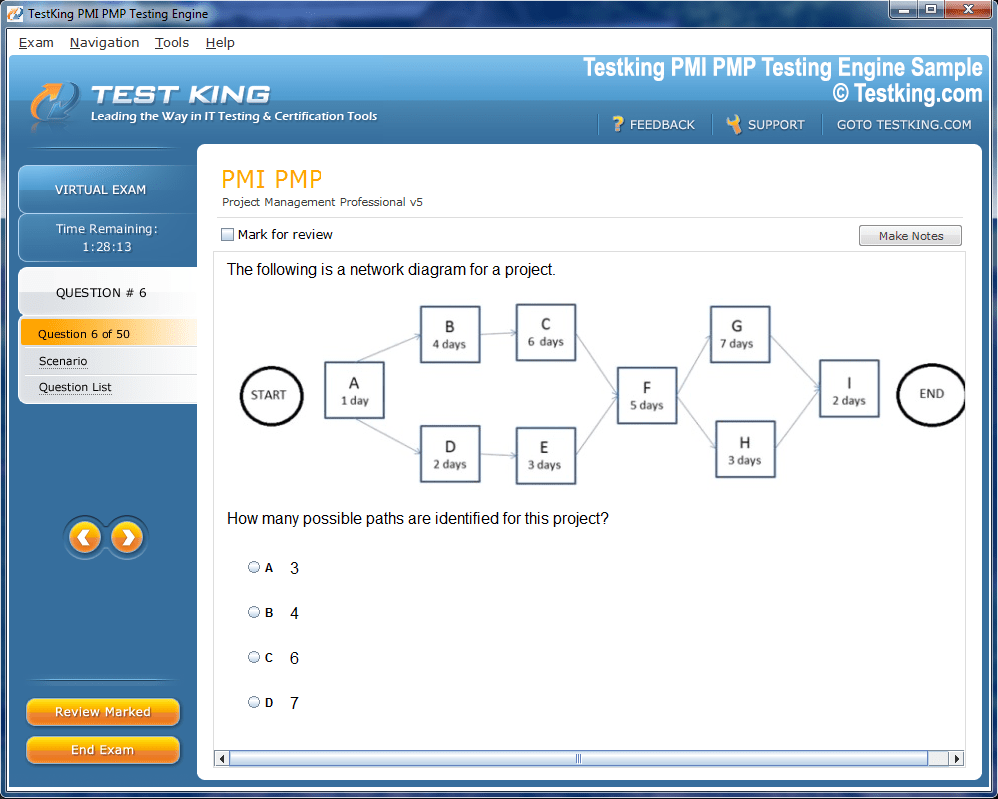
Product Screenshots
nop-1e =1
The Definitive Approach to VMware Certified Specialist - Cloud Foundation 2021 Certification
The evolution of data center technologies has radically transformed enterprise computing, introducing paradigms that are far more integrated and dynamic than traditional architectures. Among these innovations, VMware Cloud Foundation has emerged as a cornerstone of modern infrastructure, offering a holistic solution for deploying and managing hybrid cloud environments. VMware Cloud Foundation integrates compute, storage, networking, and management into a single platform, providing a seamless approach for organizations to implement a fully operational cloud infrastructure. For professionals aspiring to excel in virtualization and cloud solutions, mastering VMware Cloud Foundation is essential, and the VMware 5V0-31.22 Certification serves as a robust benchmark for validating these skills.
At the core of VMware Cloud Foundation is the concept of hyper-converged infrastructure (HCI), which consolidates resources traditionally spread across separate silos into a unified, software-defined platform. This consolidation allows for streamlined operations, enhanced scalability, and simplified lifecycle management. Cloud Foundation automates provisioning, patching, and updates across its ecosystem, reducing administrative overhead and minimizing operational risks. By embracing this technology, organizations can achieve agility, resilience, and efficiency, positioning themselves competitively in a market increasingly dominated by cloud-native and hybrid workloads.
Components and Architecture of VMware Cloud Foundation
VMware Cloud Foundation comprises several critical components that work synergistically to deliver a comprehensive cloud infrastructure. These components include VMware vSphere for compute virtualization, VMware vSAN for storage virtualization, VMware NSX for network virtualization, and VMware vRealize Suite for intelligent operations and automation. Understanding each component’s functionality and integration is vital for candidates preparing for the VMware 5V0-31.22 Certification exam.
vSphere, as the backbone of compute virtualization, enables multiple virtual machines to operate on shared physical resources, ensuring optimal utilization and performance. vSAN abstracts storage resources, creating a distributed, resilient datastore that aligns with the performance and capacity needs of virtual workloads. NSX provides network virtualization, enabling micro-segmentation, automated provisioning, and secure connectivity across the cloud environment. Finally, vRealize Suite enhances operational visibility and automation, offering predictive analytics, workload optimization, and lifecycle management. Together, these components form an intricately interconnected ecosystem that simplifies infrastructure management while empowering organizations to scale efficiently.
Exam Preparation Philosophy and Methodology
Achieving VMware 5V0-31.22 Certification requires a structured approach that balances theoretical knowledge with practical application. Candidates must not only understand the architecture and components of Cloud Foundation but also demonstrate proficiency in scenario-based configurations and troubleshooting. The preparation philosophy emphasizes consistent engagement with simulated exam environments, enabling aspirants to internalize concepts while developing confidence in real-world problem-solving.
Practical exercises, lab simulations, and scenario-based questions are integral to mastering Cloud Foundation. These exercises recreate operational challenges, such as deploying a new workload domain, configuring NSX networking for segmented traffic, or troubleshooting vSAN performance bottlenecks. Engaging with these scenarios cultivates analytical skills, reinforces procedural knowledge, and builds familiarity with the nuances of the VMware ecosystem. By adopting a hands-on methodology, candidates gain a depth of understanding that transcends rote memorization, which is critical for performing effectively during the timed certification exam.
Advantages of Simulated Practice Exams
One of the most effective strategies for preparing for VMware 5V0-31.22 Certification is leveraging online practice exams designed to emulate the real test environment. Simulated exams provide multiple benefits, including exposure to exam patterns, time management skills, and an understanding of question complexity. Each practice session allows candidates to assess their preparedness, identify knowledge gaps, and refine problem-solving approaches.
Practice exams typically incorporate over 175 scenario-based questions that mirror real-world operational challenges. These questions cover the full breadth of Cloud Foundation topics, including workload domain creation, hybrid cloud integration, lifecycle management, and advanced network configuration. By presenting questions in a timed environment, candidates cultivate the ability to prioritize tasks and respond efficiently under pressure. Additionally, randomization of question order and answer choices introduces variability, ensuring that each attempt presents a fresh challenge and reinforces learning through repetition and variation.
Structured Learning and Syllabus Coverage
The VMware 5V0-31.22 Certification syllabus encompasses a comprehensive range of topics critical to Cloud Foundation expertise. These include designing and deploying workload domains, configuring networking and security policies, managing virtual storage, implementing hybrid cloud strategies, and performing troubleshooting and maintenance tasks. Each topic area requires both conceptual understanding and practical aptitude, necessitating a disciplined, structured learning approach.
A strategic study plan begins with foundational concepts, such as understanding the principles of hyper-converged infrastructure and the functional roles of vSphere, vSAN, NSX, and vRealize Suite. Following this, candidates engage in progressively complex exercises, including multi-domain configurations, disaster recovery planning, and hybrid cloud integration scenarios. The use of detailed study guides, lab environments, and iterative practice sessions ensures that aspirants develop a robust skill set aligned with the expectations of the 5V0-31.22 exam.
Enhancing Skills Through Real-Time Scenarios
Scenario-based learning is central to mastering Cloud Foundation. Unlike purely theoretical study, real-time scenarios replicate operational challenges encountered in enterprise environments. For instance, a candidate might be asked to deploy a new workload domain, configure automated network policies, or troubleshoot a degraded vSAN cluster. Each scenario requires careful analysis, application of best practices, and familiarity with VMware’s operational tools.
This method of preparation cultivates a proactive mindset, enabling candidates to anticipate potential issues and implement preemptive solutions. Practicing these scenarios also develops an intuitive understanding of resource dependencies, performance optimization, and fault tolerance. By repeatedly engaging with varied scenarios, candidates internalize workflows and decision-making strategies that are directly applicable to the Cloud Foundation environment.
Benefits of Timed Practice Sessions
Timed practice sessions are indispensable for developing exam readiness. VMware 5V0-31.22 Certification exams are structured with specific time constraints, requiring candidates to manage multiple complex tasks efficiently. Simulated timed environments enhance cognitive endurance, teach prioritization, and encourage strategic pacing. These sessions help candidates internalize not only the technical material but also the mental discipline needed to perform under examination conditions.
In addition to time management, timed practice reinforces critical thinking. Candidates learn to quickly interpret question requirements, assess available options, and select the most appropriate solutions. This repeated exposure to decision-making under pressure fosters confidence, reduces exam anxiety, and increases the likelihood of achieving high scores on the actual certification exam.
Personalized Progress Tracking and Assessment
Monitoring progress is crucial for targeted exam preparation. Personalized result tracking allows candidates to evaluate their performance across various topics, identify weak areas, and focus their study efforts accordingly. Historical performance records provide insight into trends, highlighting improvements and recurring challenges. This data-driven approach ensures that preparation is both efficient and effective, preventing wasted effort on areas where competence is already established.
Exam simulations often include a detailed analysis of question performance, offering explanations for correct and incorrect answers. These insights deepen conceptual understanding, reinforce procedural knowledge, and provide a feedback loop that guides future practice sessions. By leveraging personalized progress tracking, candidates can optimize their study plan, enhance retention, and approach the VMware 5V0-31.22 Certification exam with confidence and precision.
The Role of Expert-Designed Practice Content
The quality of practice materials significantly influences exam outcomes. Expert-designed content ensures alignment with the current exam syllabus, accurate representation of question types, and incorporation of real-world scenarios. VMware-certified professionals with extensive experience in Data Center Virtualization and Cloud Foundation contribute to crafting practice questions that reflect the intricacies of operational environments.
These expert-generated materials incorporate practical situations, nuanced challenges, and problem-solving tasks, which prepare candidates for the spectrum of questions they are likely to encounter. By using carefully curated practice content, aspirants gain exposure to high-probability questions, develop analytical thinking, and strengthen their ability to apply theoretical knowledge to tangible tasks. This approach cultivates mastery rather than superficial familiarity.
Achieving Career Advancement Through Certification
Earning VMware 5V0-31.22 Certification offers tangible career benefits. The credential validates expertise in Cloud Foundation, signaling to employers that candidates possess the technical skills and operational acumen required for complex cloud and virtualization projects. Certified professionals are better positioned to secure advanced roles, take on leadership responsibilities, and command competitive salaries within the rapidly expanding field of cloud computing and virtualization.
Moreover, certification fosters professional credibility, opening opportunities for involvement in critical infrastructure projects, strategic planning, and cross-functional initiatives. Organizations increasingly prioritize certified specialists to lead cloud transformations, implement hybrid solutions, and ensure operational excellence. By achieving this certification, individuals demonstrate not only technical proficiency but also a commitment to continuous learning and professional growth.
Integrating Continuous Learning With Practice
Continuous learning is an essential component of success in VMware Cloud Foundation. Technology evolves rapidly, and maintaining proficiency requires ongoing engagement with new features, updates, and best practices. Integrating structured practice with continuous learning ensures that candidates remain current, adaptive, and capable of addressing emerging challenges in cloud environments.
Regular interaction with practice exams, scenario simulations, and lab exercises reinforces knowledge while exposing candidates to evolving workflows. This iterative approach combines repetition, application, and reflection, allowing for a deeper internalization of concepts. By embracing continuous learning, professionals not only prepare for certification success but also cultivate enduring expertise applicable to dynamic enterprise environments.
Emphasizing Analytical Thinking and Problem Solving
Analytical thinking and problem-solving are pivotal skills for Cloud Foundation specialists. Beyond understanding individual components, candidates must analyze complex interdependencies, anticipate potential failures, and implement solutions that optimize performance. Scenario-based practice emphasizes these competencies, requiring candidates to evaluate multiple variables, apply logical reasoning, and make informed decisions.
By engaging in repeated problem-solving exercises, candidates develop an intuitive sense of operational causality, learn to balance competing requirements, and refine their decision-making processes. These skills are indispensable not only for the VMware 5V0-31.22 Certification exam but also for effective performance in professional cloud management and virtualization roles.
Deep Dive Into Workload Domain Deployment
VMware Cloud Foundation thrives on the concept of workload domains, which act as modular units of infrastructure capable of supporting specific applications, services, or business functions. Each workload domain integrates compute, storage, and network resources while maintaining isolation and operational independence. Understanding the intricacies of workload domain deployment is essential for professionals aiming to excel in VMware 5V0-31.22 Certification and for those managing complex cloud environments in real-world scenarios.
Workload domains can be customized to meet performance, capacity, and security requirements. They leverage vSphere clusters for compute, vSAN clusters for storage, and NSX for networking. The automated deployment capabilities of VMware Cloud Foundation simplify the process, but candidates must understand the sequence of provisioning, configuration, and validation to ensure successful implementation. Practical exercises involving workload domain creation reinforce knowledge of architectural dependencies and operational workflows.
Advanced Network Configuration with NSX
Networking is a critical facet of VMware Cloud Foundation, and NSX provides sophisticated tools for network virtualization and micro-segmentation. NSX allows administrators to define logical networks, create distributed firewalls, and automate policy enforcement across multiple workload domains. For VMware 5V0-31.22 Certification candidates, proficiency in NSX configuration is indispensable.
Effective network design involves understanding overlay and underlay concepts, segment isolation, and routing topologies. Candidates should practice deploying NSX logical switches, configuring Edge gateways, and implementing distributed firewall rules. Scenario-based exercises, such as troubleshooting connectivity between different workload domains or optimizing network paths, enhance practical skills. Mastery of these concepts ensures candidates can handle complex networking challenges within Cloud Foundation deployments.
Storage Management with vSAN
VMware vSAN underpins the storage layer of Cloud Foundation, providing a resilient and scalable platform that integrates tightly with vSphere. vSAN aggregates local storage devices across hosts to create a shared datastore, enabling efficient resource utilization and simplified management. Candidates preparing for 5V0-31.22 Certification must be well-versed in storage policies, fault domains, and capacity planning.
Hands-on exercises include configuring vSAN clusters, applying storage policies to virtual machines, and monitoring performance metrics. Understanding the implications of storage policies, such as failure tolerance levels and IOPS limits, is critical. Scenario-based questions in practice exams often present performance or capacity bottlenecks, requiring candidates to analyze storage health, identify misconfigurations, and apply corrective actions. Mastery of these concepts ensures operational efficiency and readiness for the certification exam.
Lifecycle Management and Automation
A defining feature of VMware Cloud Foundation is its integrated lifecycle management capabilities, which streamline updates, patches, and upgrades across the entire stack. vRealize Suite orchestrates automation, providing visibility into infrastructure health and automating routine tasks. Candidates must understand how to leverage these tools to maintain a secure, compliant, and high-performing environment.
Preparation involves simulating lifecycle operations, including upgrading vSphere clusters, applying NSX patches, and updating vSAN configurations. Candidates learn to anticipate dependencies, schedule updates with minimal downtime, and validate changes post-deployment. This hands-on familiarity ensures readiness for both exam scenarios and real-world operations, emphasizing the interplay between automated workflows and manual intervention when necessary.
Troubleshooting Cloud Foundation Environments
Troubleshooting is a critical competency for VMware Cloud Foundation specialists. Exam scenarios frequently present performance degradation, misconfigurations, or connectivity issues that require methodical analysis and resolution. Candidates must develop a structured troubleshooting methodology, incorporating monitoring tools, logs, and diagnostic workflows.
Exercises include identifying and resolving vSAN disk failures, NSX firewall misconfigurations, or vSphere cluster resource contention. Each scenario emphasizes analytical reasoning, problem isolation, and remediation techniques. By practicing these scenarios, candidates cultivate the ability to diagnose complex problems efficiently, a skill directly transferable to enterprise cloud operations and pivotal for achieving high scores in VMware 5V0-31.22 Certification.
Hybrid Cloud Integration
Cloud Foundation is designed to facilitate hybrid cloud deployments, enabling workloads to span on-premises infrastructure and public cloud resources. Candidates must understand the mechanics of integrating Cloud Foundation with VMware Cloud on AWS or other supported platforms. This includes networking considerations, workload migration strategies, and security implications.
Practical preparation involves configuring hybrid connectivity, testing workload mobility, and ensuring consistent policy enforcement across environments. Scenario-based exercises might present migration challenges, cross-cloud connectivity issues, or compliance requirements. Mastery of hybrid cloud integration ensures candidates can manage complex environments, bridging on-premises resources with cloud infrastructure seamlessly.
Security Considerations and Compliance
Security remains a paramount concern within VMware Cloud Foundation. NSX micro-segmentation, role-based access control, and encrypted vSAN clusters are among the tools available to protect workloads. Candidates must demonstrate understanding of how to implement security policies, monitor compliance, and mitigate risks.
Scenario-based practice often involves implementing multi-tier security policies, analyzing audit logs, and resolving non-compliance alerts. These exercises emphasize proactive security management, reinforcing the need for vigilance, analytical thinking, and adherence to best practices. Successful candidates can ensure secure, compliant environments that meet organizational and regulatory requirements.
Optimizing Performance and Resource Allocation
Performance optimization is an ongoing requirement within Cloud Foundation deployments. Candidates should understand how to balance workloads, configure resource pools, and monitor system metrics. vRealize Operations offers predictive analytics, capacity planning, and performance dashboards that aid in proactive management.
Practical exercises involve identifying performance bottlenecks, reallocating resources, and validating system responsiveness. Scenario questions may present high CPU usage, memory contention, or storage latency, requiring candidates to assess metrics, apply optimizations, and confirm improvements. Mastery of performance optimization ensures environments remain resilient and efficient under varied workload conditions.
Utilizing vRealize Suite for Automation and Monitoring
vRealize Suite is instrumental in automating management tasks, analyzing performance trends, and ensuring compliance across Cloud Foundation environments. Candidates should develop proficiency in leveraging vRealize Automation, vRealize Operations, and vRealize Log Insight for operational intelligence and automation.
Hands-on exercises include configuring automated workflows, generating analytical reports, and integrating monitoring alerts with operational dashboards. Scenario-based preparation might simulate events such as unexpected workload spikes, capacity thresholds, or system alerts. By practicing these scenarios, candidates gain the ability to make informed, data-driven decisions, a critical skill for both exam success and real-world operational efficiency.
Practical Scenario-Based Question Strategies
The VMware 5V0-31.22 exam emphasizes scenario-based questions, requiring candidates to apply knowledge to realistic challenges. Practicing these scenarios cultivates analytical reasoning, procedural memory, and operational acumen. Key strategies include carefully analyzing question requirements, identifying dependencies, and methodically evaluating available solutions.
Candidates are encouraged to simulate exam conditions, time their responses, and review explanations for both correct and incorrect answers. This iterative process deepens conceptual understanding, reinforces practical skills, and prepares candidates to handle complex, multi-layered scenarios under timed conditions. Such practice ensures readiness for the nuanced challenges posed by the certification exam.
Benefits of Structured Study Plans
Structured study plans provide a roadmap for systematic learning, ensuring comprehensive coverage of Cloud Foundation topics. Candidates should allocate time to foundational theory, practical lab exercises, scenario simulations, and timed practice exams. This multi-pronged approach balances knowledge acquisition with application, reinforcing learning through repetition and real-world relevance.
A well-defined study plan reduces cognitive overload, tracks progress, and allows for targeted improvement. Candidates can focus on weaker areas while consolidating strengths, ultimately enhancing confidence and preparedness for the VMware 5V0-31.22 Certification exam. Structured preparation also mirrors professional project management practices, emphasizing discipline, planning, and continuous assessment.
Enhancing Exam Readiness Through Repetition
Repetition is a key component of mastering VMware Cloud Foundation. Engaging with repeated scenarios, simulations, and practice exams reinforces knowledge, improves retention, and builds operational fluency. Candidates are encouraged to cycle through multiple practice exams, revisiting challenging topics until proficiency is achieved.
Repeated exposure to diverse question types and scenario variations cultivates adaptability, a crucial trait for managing dynamic cloud environments. By internalizing workflows, decision-making strategies, and troubleshooting approaches, candidates approach the certification exam with confidence, reducing errors and improving overall performance.
Leveraging Feedback and Result Analytics
Analyzing performance feedback and result analytics enhances targeted preparation. Practice platforms often provide detailed reports highlighting question performance, topic coverage, and time management. Candidates can use these insights to identify trends, prioritize study areas, and adjust strategies accordingly.
Result analytics also facilitate reflective learning, encouraging candidates to examine reasoning behind correct and incorrect answers. This approach cultivates deeper understanding, reinforces practical skills, and ensures continuous improvement. Leveraging feedback effectively transforms preparation from a passive exercise into a deliberate, data-driven process.
Importance of Expert Guidance in Preparation
Expert guidance plays a pivotal role in achieving VMware 5V0-31.22 Certification. Materials developed by VMware-certified professionals incorporate best practices, realistic scenarios, and nuanced challenges that mirror real-world operations. Candidates benefit from insights into common pitfalls, optimized workflows, and advanced problem-solving techniques.
Engaging with expert-designed content ensures alignment with the latest syllabus, exam patterns, and emerging industry practices. This guidance, combined with structured practice and scenario-based exercises, equips candidates with both theoretical knowledge and practical acumen necessary for success in the certification exam and professional deployments.
Continuous Learning Beyond Certification
Certification is not the culmination but a milestone in continuous professional development. VMware Cloud Foundation evolves rapidly, and maintaining expertise requires ongoing engagement with updates, new features, and emerging technologies. Professionals who embrace continuous learning enhance their adaptability, operational competence, and strategic insight.
Candidates should integrate periodic lab exercises, practice exams, and knowledge reviews into their professional routine. This sustained engagement reinforces existing skills, introduces new operational strategies, and ensures readiness for evolving enterprise demands. Continuous learning not only consolidates exam preparation but also cultivates enduring mastery applicable to complex cloud and virtualization projects.
Career Implications of Cloud Foundation Expertise
Earning VMware 5V0-31.22 Certification significantly impacts career trajectory. Certified professionals are recognized as capable of designing, deploying, and managing complex Cloud Foundation environments. This expertise positions them for advanced roles, leadership responsibilities, and opportunities to influence strategic infrastructure initiatives.
Cloud Foundation specialists contribute to enterprise efficiency, operational resilience, and innovation. Organizations increasingly rely on certified experts to guide hybrid cloud adoption, optimize resource utilization, and implement secure, scalable solutions. Certification validates technical skill, enhances credibility, and unlocks pathways for career advancement in the growing field of cloud infrastructure and virtualization.
Planning and Designing Cloud Foundation Environments
Successful VMware Cloud Foundation deployments begin with meticulous planning and design. Effective design addresses performance, scalability, resilience, and security requirements while optimizing resource utilization. Candidates preparing for VMware 5V0-31.22 Certification must develop the ability to conceptualize and structure Cloud Foundation environments that meet organizational objectives and operational constraints.
Designing a Cloud Foundation environment involves evaluating compute, storage, and network requirements for multiple workload domains. Key considerations include cluster sizing, host configuration, vSAN storage policies, NSX networking topology, and workload segregation. Advanced scenarios may involve hybrid cloud integration, disaster recovery planning, and compliance adherence. Practicing these design exercises develops analytical thinking and reinforces the interplay between infrastructure components, which is critical for both the exam and enterprise deployments.
Host and Cluster Configuration
vSphere clusters form the foundation of compute resources in Cloud Foundation. Proper configuration of hosts and clusters is crucial for performance, high availability, and resource optimization. Candidates should understand cluster creation, host addition, resource pool configuration, and affinity rules.
Hands-on practice includes assigning hosts to clusters, configuring Distributed Resource Scheduler (DRS), and defining high availability policies. Scenario-based exercises may simulate resource contention, requiring candidates to balance workloads, adjust DRS settings, and ensure consistent performance. Understanding these concepts ensures a robust, resilient, and scalable compute infrastructure aligned with VMware Cloud Foundation best practices.
Storage Architecture and Policy Management
vSAN storage architecture is a core component of Cloud Foundation, integrating physical storage devices into a unified datastore with automated management. Candidates must comprehend storage policy-based management, fault domains, and performance optimization techniques.
Practical exercises involve creating storage policies, configuring fault tolerance levels, and analyzing performance metrics. Scenario-based questions may present degraded or imbalanced storage clusters, prompting candidates to diagnose issues, redistribute resources, and optimize policies. Mastery of vSAN concepts enables candidates to maintain storage efficiency, resilience, and operational consistency in Cloud Foundation environments.
Networking Design and Micro-Segmentation
NSX provides advanced network virtualization, offering micro-segmentation, logical switches, routers, and distributed firewalls. Proper networking design is essential for security, scalability, and seamless connectivity between workload domains.
Candidates should practice creating logical segments, configuring Edge services gateways, and implementing firewall rules. Scenario exercises may include troubleshooting connectivity, optimizing network throughput, or isolating security incidents. These experiences reinforce the ability to design networks that are secure, efficient, and adaptable to changing workload demands, which is essential for both exam readiness and real-world operations.
Lifecycle Management with SDDC Manager
SDDC Manager orchestrates lifecycle management within Cloud Foundation, automating updates, patching, and monitoring. Candidates must understand its role in maintaining a healthy, compliant, and secure infrastructure.
Preparation includes simulated lifecycle operations such as upgrading clusters, patching NSX components, and updating vSAN configurations. Scenario exercises might present upgrade failures or compatibility issues, requiring candidates to analyze logs, identify root causes, and implement remediation steps. Proficiency in lifecycle management ensures smooth operations, minimal downtime, and adherence to VMware best practices.
Monitoring and Performance Optimization
Monitoring and optimizing performance is critical to sustaining Cloud Foundation operations. vRealize Operations provides real-time analytics, capacity planning, and predictive alerts, allowing administrators to anticipate and mitigate performance issues.
Candidates should engage in exercises involving performance monitoring, resource allocation adjustments, and workload balancing. Scenario-based questions may present CPU, memory, or storage contention, prompting analysis of metrics and implementation of corrective actions. Mastery of performance optimization ensures efficient resource utilization, resilience, and readiness for high-demand workloads.
Troubleshooting Multi-Domain Environments
Cloud Foundation often consists of multiple workload domains with interdependent resources. Troubleshooting these environments requires methodical problem-solving, analytical reasoning, and familiarity with VMware tools.
Candidates should practice diagnosing issues such as NSX routing failures, vSAN disk degradation, or vSphere cluster contention. Scenario exercises develop the ability to isolate root causes, test potential solutions, and implement corrective actions. Proficiency in troubleshooting complex environments enhances operational confidence and prepares candidates for realistic challenges encountered during the VMware 5V0-31.22 Certification exam.
Hybrid Cloud Deployment Strategies
Hybrid cloud deployment allows organizations to extend on-premises workloads to public cloud platforms while maintaining security, compliance, and performance. VMware Cloud Foundation integrates seamlessly with VMware Cloud on AWS and other supported environments.
Preparation involves simulating hybrid cloud configurations, testing workload migration, and ensuring consistent security policies across clouds. Scenario exercises may involve connectivity issues, compliance validation, or workload balancing. Developing hybrid deployment skills ensures candidates can architect scalable, flexible, and secure multi-cloud environments, a core competency for certification success and professional expertise.
Security Policy Implementation
Security is integral to Cloud Foundation operations. Candidates must understand role-based access control, NSX micro-segmentation, and encrypted vSAN storage to maintain secure environments.
Practical exercises include configuring user permissions, applying firewall rules, and auditing security settings. Scenario-based questions may present breaches, misconfigurations, or policy violations, requiring candidates to remediate effectively. Mastery of security policy implementation enhances operational reliability, regulatory compliance, and organizational trust in Cloud Foundation infrastructure.
Scenario-Based Lab Exercises
Hands-on lab exercises are essential for reinforcing theoretical knowledge. Candidates should engage in simulations covering deployment, configuration, and troubleshooting of Cloud Foundation components.
Exercises might include deploying a new workload domain, optimizing NSX networking, adjusting vSAN policies, or resolving performance bottlenecks. Scenario-based practice ensures candidates can apply conceptual knowledge to practical challenges, a critical factor for excelling in the VMware 5V0-31.22 Certification exam and real-world cloud operations.
Time Management and Exam Simulation
Timed practice sessions help candidates adapt to the pace and complexity of the VMware 5V0-31.22 exam. Simulating exam conditions enhances focus, decision-making, and strategic problem-solving.
Candidates should practice multiple full-length exams, timing responses, and reviewing performance analytics. Scenario-based questions under time constraints foster analytical agility and operational confidence. Mastering time management ensures candidates can tackle complex multi-step problems efficiently during the actual certification test.
Leveraging Analytical Reasoning
Analytical reasoning is pivotal in Cloud Foundation operations. Candidates must assess interdependencies, predict outcomes, and implement informed solutions across compute, storage, and networking layers.
Scenario exercises emphasize problem identification, root cause analysis, and decision-making. Engaging with varied challenges cultivates critical thinking, enhances troubleshooting capabilities, and builds exam readiness. Analytical reasoning skills translate directly into professional competence, enabling candidates to manage complex enterprise cloud environments effectively.
Continuous Skill Enhancement
Cloud Foundation technology evolves rapidly, requiring continuous skill enhancement. Candidates must stay abreast of updates, new features, and emerging best practices.
Engaging in periodic lab exercises, scenario simulations, and practice exams fosters ongoing learning. This continuous development ensures candidates remain proficient, adaptable, and capable of managing evolving workloads. Long-term skill enhancement complements VMware 5V0-31.22 Certification preparation and supports sustained career growth in virtualization and cloud technologies.
Benefits of Expert-Curated Practice Content
Practice content curated by VMware-certified professionals offers accurate, realistic, and comprehensive exam preparation. Candidates gain exposure to likely exam scenarios, operational best practices, and nuanced technical challenges.
Engaging with expert-designed materials helps internalize workflows, decision-making strategies, and troubleshooting methodologies. Mastery of these elements enhances readiness for the VMware 5V0-31.22 Certification exam and equips candidates with practical skills for enterprise Cloud Foundation deployments.
Career Advantages of Certification
VMware 5V0-31.22 Certification validates expertise in Cloud Foundation, enhancing career prospects and professional credibility. Certified specialists are recognized for their ability to design, deploy, and manage hybrid cloud infrastructures effectively.
Professionals with this certification are better positioned for leadership roles, strategic infrastructure planning, and advanced cloud engineering projects. Certification signals competence, analytical skill, and commitment to continuous professional development, increasing opportunities for career advancement, higher compensation, and organizational impact.
Integrating Practice and Theory
Combining theoretical knowledge with practical exercises is central to successful preparation. Candidates should integrate study guides, lab simulations, scenario-based practice, and timed exams into a cohesive learning plan.
This integration reinforces learning, enhances retention, and cultivates operational fluency. Scenario-based exercises translate theory into actionable skills, while practice exams simulate real-world pressures. Together, they provide a holistic preparation approach for VMware 5V0-31.22 Certification and practical enterprise responsibilities.
Advanced Troubleshooting in VMware Cloud Foundation
Effective troubleshooting is a hallmark of proficiency in VMware Cloud Foundation. Candidates preparing for the VMware 5V0-31.22 Certification must develop the ability to identify, analyze, and resolve complex operational issues across compute, storage, and networking layers. Troubleshooting encompasses both reactive and proactive measures, requiring a deep understanding of system interdependencies and operational workflows.
Scenario-based troubleshooting exercises might involve diagnosing vSAN performance degradation, NSX connectivity failures, or vSphere cluster imbalances. Candidates must apply structured methodologies, analyze logs, and implement corrective measures systematically. Mastering these skills ensures candidates can address real-world operational challenges efficiently and excel in the certification exam.
Monitoring and Alerting Mechanisms
Monitoring tools are integral to maintaining the health and performance of Cloud Foundation environments. vRealize Operations provides predictive analytics, capacity planning, and automated alerts, enabling proactive management. Candidates must understand how to configure alerts, interpret metrics, and respond to incidents effectively.
Practice exercises include setting up performance thresholds, creating custom dashboards, and responding to simulated alerts. Scenario questions may present unusual system behavior, requiring candidates to investigate root causes and implement resolution strategies. Familiarity with monitoring and alerting enhances operational awareness and ensures readiness for both exam scenarios and enterprise management tasks.
Hybrid Cloud Management and Migration
Hybrid cloud integration allows organizations to extend workloads across on-premises and public cloud infrastructures. VMware Cloud Foundation facilitates seamless connectivity, policy enforcement, and workload migration. Certification candidates must understand the principles, strategies, and operational considerations involved in hybrid cloud management.
Practical exercises include configuring hybrid connectivity, migrating workloads, and validating compliance policies. Scenario-based questions may present challenges such as inconsistent security configurations, connectivity interruptions, or resource allocation conflicts. Mastering hybrid cloud operations equips candidates to manage multi-cloud environments efficiently, meeting business requirements while ensuring security and performance.
Performance Analysis and Optimization
Optimizing performance within Cloud Foundation requires continuous evaluation of resource allocation, workload distribution, and system metrics. vRealize Operations assists in identifying performance bottlenecks and predicting future resource needs. Candidates must learn to interpret data, implement optimizations, and validate improvements.
Exercises may involve analyzing CPU, memory, and storage utilization, identifying hotspots, and adjusting resource pools. Scenario-based practice might simulate workload surges, requiring quick assessment and mitigation. By honing performance optimization skills, candidates ensure robust, responsive, and resilient infrastructure capable of supporting demanding workloads.
Storage Policy Management and Resiliency
vSAN storage policies define availability, performance, and redundancy parameters for virtualized storage. Candidates must comprehend policy creation, fault tolerance levels, and performance optimization strategies. Hands-on practice includes configuring storage policies, assigning them to virtual machines, and monitoring compliance.
Scenario exercises may involve simulated disk failures, policy violations, or capacity constraints. Candidates analyze the impact, implement corrective actions, and validate system integrity. Mastery of storage policy management ensures consistent performance, high availability, and operational resilience in Cloud Foundation environments.
Network Segmentation and Security
NSX micro-segmentation provides fine-grained network security, enabling isolation of workloads and enforcement of policies. Candidates must understand logical segmentation, distributed firewall rules, and secure routing practices.
Practical exercises include configuring logical switches, setting up Edge gateways, and implementing firewall policies. Scenario-based questions may involve network breaches, misconfigurations, or routing failures. Developing expertise in network segmentation ensures secure, compliant, and efficient communication across workload domains, a critical skill for both certification and enterprise operations.
Lifecycle Management Strategies
SDDC Manager automates lifecycle management tasks, including updates, patches, and upgrades across Cloud Foundation components. Candidates must understand operational dependencies, scheduling considerations, and validation procedures.
Practice exercises include patching vSphere clusters, upgrading NSX components, and performing system validations. Scenario-based simulations might present upgrade conflicts, compatibility issues, or failed operations. Proficiency in lifecycle management ensures infrastructure stability, minimal downtime, and adherence to VMware best practices, enhancing both exam preparedness and professional competency.
Scenario-Based Exam Preparation
Scenario-based practice is central to VMware 5V0-31.22 Certification preparation. These exercises simulate realistic operational challenges, requiring candidates to apply technical knowledge, analytical reasoning, and problem-solving skills. Effective preparation involves timed sessions, diverse scenarios, and repeated exposure to complex challenges.
Scenarios may involve workload domain configuration, hybrid cloud integration, security enforcement, or performance optimization. By practicing these scenarios, candidates build operational intuition, confidence, and the ability to navigate complex, interdependent systems under exam conditions.
Time Management in Exam Simulations
Time management is a critical factor in exam success. VMware 5V0-31.22 Certification includes multiple complex, multi-step questions that require efficient allocation of attention and problem-solving strategies. Timed practice sessions simulate the exam environment, helping candidates develop pacing, prioritization, and decision-making skills.
Candidates should practice completing full-length exams within time constraints, analyzing performance metrics, and refining strategies. Effective time management enhances accuracy, reduces stress, and improves overall exam performance, ensuring candidates are well-prepared for certification.
Personalized Progress Tracking
Monitoring individual progress is essential for targeted preparation. Practice platforms often provide detailed reports, including question accuracy, topic coverage, and time analysis. Candidates can identify strengths, address weaknesses, and adjust study plans accordingly.
Scenario-based feedback reinforces learning by explaining correct and incorrect answers, highlighting key operational insights, and suggesting improvement strategies. Personalized tracking ensures efficient, data-driven preparation, optimizing performance and readiness for VMware 5V0-31.22 Certification.
Integration of Theory and Practice
Effective preparation combines conceptual understanding with hands-on practice. Candidates must integrate theoretical knowledge of Cloud Foundation architecture with practical exercises involving deployment, configuration, troubleshooting, and scenario simulations.
This integrated approach ensures that candidates can apply principles to real-world challenges, enhancing comprehension, retention, and operational confidence. Repeated practice reinforces workflows, decision-making strategies, and problem-solving techniques, essential for both exam success and professional performance.
Advanced Security Practices
Security is a foundational aspect of Cloud Foundation operations. Candidates must understand encryption, micro-segmentation, role-based access control, and compliance monitoring. Scenario-based exercises simulate breaches, misconfigurations, or policy violations, requiring candidates to analyze, remediate, and validate security postures.
Mastery of advanced security practices ensures environments are resilient to threats, compliant with regulations, and capable of supporting sensitive workloads. This expertise is critical for exam readiness and professional competency in enterprise cloud infrastructure management.
Hybrid Cloud Optimization
Hybrid cloud deployments require careful balancing of workloads, resources, and policies across on-premises and public cloud infrastructures. Candidates should practice designing hybrid strategies, migrating workloads, and monitoring performance across clouds.
Scenario-based simulations may involve latency issues, policy inconsistencies, or resource imbalances. Proficiency in hybrid optimization ensures seamless workload mobility, operational efficiency, and adherence to business objectives, reinforcing VMware 5V0-31.22 Certification preparation and professional expertise.
Advanced Problem-Solving Techniques
Complex Cloud Foundation environments demand advanced problem-solving skills. Candidates must analyze interdependencies, evaluate multiple solutions, and implement corrective actions efficiently. Scenario-based practice fosters these competencies by presenting multifaceted challenges requiring strategic thinking and technical acumen.
By repeatedly engaging with complex scenarios, candidates develop intuition, analytical reasoning, and resilience. These skills are directly transferable to exam conditions and enterprise operations, enabling successful navigation of diverse technical challenges.
Continuous Learning and Knowledge Retention
Continuous learning is essential for sustaining Cloud Foundation expertise. Candidates must stay current with evolving features, best practices, and operational methodologies. Regular engagement with practice exams, lab simulations, and scenario exercises reinforces knowledge retention and operational fluency.
Long-term learning strategies, including review of previous scenarios, analysis of results, and incremental practice, ensure enduring mastery. Continuous learning not only supports VMware 5V0-31.22 Certification success but also enhances long-term professional growth in cloud computing and virtualization.
Professional Growth and Career Implications
VMware 5V0-31.22 Certification validates expertise in Cloud Foundation, enhancing professional credibility, career prospects, and compensation potential. Certified specialists are recognized for their ability to deploy, manage, and optimize cloud infrastructures efficiently.
Certification opens opportunities for advanced roles, leadership positions, and strategic responsibilities. Organizations increasingly seek certified professionals to guide infrastructure transformations, implement hybrid cloud strategies, and ensure operational excellence. Achieving certification signals technical competence, analytical capability, and commitment to continuous professional development.
Strategic Use of Practice Content
Expert-curated practice content provides realistic, scenario-based preparation for VMware 5V0-31.22 Certification. Candidates benefit from exposure to likely exam questions, operational challenges, and best-practice methodologies.
Engaging with this content enhances conceptual understanding, procedural knowledge, and problem-solving agility. Regular use of practice exercises ensures familiarity with exam patterns, improves confidence, and prepares candidates for the nuanced scenarios encountered in Cloud Foundation environments.
Advanced Workload Domain Management
In VMware Cloud Foundation, workload domains serve as autonomous units that encapsulate compute, storage, and network resources. Effective management of these domains is critical for maintaining performance, availability, and operational efficiency. Candidates preparing for VMware 5V0-31.22 Certification must develop skills in provisioning, scaling, and optimizing workload domains while maintaining adherence to best practices.
Practical exercises involve creating new workload domains, assigning compute clusters, configuring vSAN storage, and implementing NSX networking policies. Scenario-based practice may present performance imbalances, resource constraints, or domain isolation challenges, requiring candidates to analyze dependencies and apply corrective measures. Mastery of workload domain management ensures candidates are capable of maintaining scalable, resilient, and high-performing environments.
Resource Allocation and Optimization
Efficient resource allocation is vital for the operational success of VMware Cloud Foundation. Candidates must understand the principles of CPU, memory, and storage allocation across vSphere clusters, vSAN datastores, and NSX networks. Proficiency in resource optimization minimizes bottlenecks, maximizes performance, and ensures consistent service delivery.
Hands-on exercises include configuring resource pools, adjusting DRS settings, and balancing workloads across multiple clusters. Scenario-based challenges might involve CPU saturation, memory contention, or storage latency, requiring candidates to apply performance metrics, implement adjustments, and validate improvements. Developing expertise in resource allocation ensures infrastructure is resilient and adaptable under varying workload conditions.
Automation and Orchestration with vRealize Suite
Automation is a cornerstone of modern Cloud Foundation operations. vRealize Suite enables the orchestration of deployment, management, and operational tasks, reducing manual intervention and enhancing efficiency. Certification candidates must be proficient in configuring automated workflows, creating deployment templates, and monitoring execution outcomes.
Practical exercises involve automating workload domain creation, network configuration, and storage policy enforcement. Scenario-based questions may simulate deployment failures, workflow errors, or policy violations, requiring candidates to diagnose issues and optimize automation scripts. Mastery of automation ensures operational consistency, reduces human error, and prepares candidates for both VMware 5V0-31.22 Certification and real-world cloud management.
Security and Compliance Enforcement
Security and compliance are central to VMware Cloud Foundation operations. Candidates must understand encryption, micro-segmentation, role-based access control, and auditing mechanisms. Ensuring adherence to organizational and regulatory standards is critical for operational reliability.
Scenario-based exercises may involve implementing multi-tier security policies, auditing logs, or remediating non-compliance alerts. Candidates analyze potential vulnerabilities, apply appropriate configurations, and validate security postures. Proficiency in enforcing security and compliance policies ensures secure, resilient environments and aligns with industry best practices, directly contributing to exam readiness and professional credibility.
Hybrid Cloud Integration and Management
Hybrid cloud integration extends Cloud Foundation capabilities across on-premises and public cloud infrastructures. Candidates must comprehend workload migration strategies, connectivity configurations, and consistent policy enforcement across environments.
Practical exercises involve configuring hybrid connectivity, migrating workloads, and ensuring compliance and performance consistency. Scenario-based challenges may present migration conflicts, network latency issues, or policy misalignments. Mastery of hybrid cloud management ensures operational continuity, seamless workload mobility, and readiness for both certification examination and enterprise responsibilities.
Performance Monitoring and Analytics
Maintaining optimal performance within Cloud Foundation requires continuous monitoring and analytics. vRealize Operations provides real-time insights, predictive analytics, and automated alerts. Candidates must learn to configure monitoring parameters, interpret performance data, and implement optimization strategies.
Exercises include analyzing CPU, memory, and storage utilization, evaluating network throughput, and adjusting resource allocations. Scenario-based practice might simulate workload spikes or performance degradation, prompting candidates to assess metrics, implement corrective actions, and validate improvements. Expertise in performance monitoring ensures resilient and efficient infrastructure capable of supporting dynamic workloads.
Scenario-Based Troubleshooting
Advanced troubleshooting encompasses multiple layers of Cloud Foundation architecture, including vSphere compute, vSAN storage, and NSX networking. Candidates must employ structured methodologies, analytical reasoning, and operational tools to resolve issues effectively.
Practical scenarios may involve degraded vSAN clusters, misconfigured NSX segments, or unbalanced resource allocations. Candidates identify root causes, evaluate potential solutions, and implement corrective measures. Proficiency in scenario-based troubleshooting builds confidence, enhances problem-solving abilities, and prepares candidates for the VMware 5V0-31.22 Certification exam and real-world operational challenges.
Lifecycle Management and Update Strategies
Lifecycle management in Cloud Foundation ensures systems remain current, secure, and compliant. SDDC Manager automates updates, patches, and upgrades, minimizing downtime and operational risk. Candidates must understand dependency management, scheduling considerations, and validation procedures.
Exercises include patching clusters, upgrading NSX components, and validating vSAN configurations. Scenario-based simulations may involve update conflicts, compatibility issues, or failed operations. Mastery of lifecycle management ensures infrastructure stability, operational continuity, and exam readiness.
Storage Policy Optimization
vSAN storage policies define availability, redundancy, and performance parameters for virtualized storage. Candidates must be skilled in policy creation, assignment, monitoring, and optimization to ensure storage reliability and operational efficiency.
Hands-on exercises involve configuring storage policies, applying them to virtual machines, and monitoring compliance. Scenario-based challenges may present disk failures, imbalanced workloads, or performance degradation. Developing expertise in storage policy optimization ensures data integrity, system resilience, and preparedness for VMware 5V0-31.22 Certification.
Advanced Networking Techniques
NSX networking provides advanced capabilities, including logical segmentation, distributed firewalls, and automated routing. Candidates must understand complex network configurations, traffic isolation strategies, and security enforcement mechanisms.
Practical exercises include deploying logical switches, configuring Edge services, and implementing firewall policies. Scenario-based questions may involve network bottlenecks, misconfigurations, or security breaches. Mastery of advanced networking techniques ensures secure, efficient, and scalable communication across Cloud Foundation environments, reinforcing both exam success and professional competence.
Timed Exam Simulations
Timed simulations are essential for building exam readiness. VMware 5V0-31.22 Certification tests the ability to respond accurately under time constraints while managing complex, multi-step problems. Timed practice sessions enhance pacing, prioritization, and decision-making.
Candidates should complete full-length exams under timed conditions, review results, and analyze performance metrics. Scenario-based exercises within timed simulations cultivate operational efficiency, analytical agility, and confidence, directly contributing to successful certification outcomes.
Analytical Thinking and Problem Solving
Analytical thinking and problem-solving underpin proficiency in VMware Cloud Foundation. Candidates must evaluate complex scenarios, identify interdependencies, and implement solutions that optimize performance and maintain system stability.
Scenario-based practice reinforces these skills, requiring structured analysis, evaluation of multiple options, and logical decision-making. Mastery of analytical reasoning ensures candidates can navigate dynamic, interconnected environments both during the VMware 5V0-31.22 Certification exam and in professional cloud operations.
Continuous Learning and Professional Development
Continuous learning ensures sustained proficiency in Cloud Foundation technology. Candidates must remain current with updates, new features, and operational best practices. Engaging in ongoing lab exercises, scenario simulations, and practice exams reinforces knowledge and operational fluency.
Long-term professional development enhances adaptability, technical competence, and strategic insight. Candidates who commit to continuous learning are well-positioned for sustained success in VMware 5V0-31.22 Certification and career advancement in cloud infrastructure and virtualization.
Expert-Curated Practice Material Benefits
Using expert-curated practice content enhances preparation quality. VMware-certified professionals design questions and scenarios that closely mimic real-world operational challenges, ensuring alignment with exam requirements and best practices.
Engagement with this content enables candidates to internalize workflows, decision-making processes, and troubleshooting methodologies. Regular practice with realistic scenarios builds confidence, improves retention, and strengthens readiness for the VMware 5V0-31.22 Certification exam.
Career Advantages of Certification
VMware 5V0-31.22 Certification demonstrates expertise in Cloud Foundation, boosting professional credibility, career prospects, and earning potential. Certified specialists are sought for roles involving cloud architecture, virtualization management, and hybrid cloud operations.
Certification positions professionals for advanced responsibilities, including infrastructure strategy, multi-cloud integration, and operational leadership. Achieving VMware 5V0-31.22 validates technical competence, analytical skills, and commitment to professional growth, providing long-term career benefits in the evolving cloud landscape.
Integration of Practice and Theory
Effective preparation integrates conceptual understanding with hands-on practice. Candidates combine theoretical study with lab exercises, scenario simulations, and timed exams to reinforce knowledge and operational skill.
This integrated approach ensures that candidates can translate conceptual principles into practical applications, enhancing both retention and performance. Repeated exposure to realistic scenarios strengthens problem-solving capabilities and prepares candidates for both VMware 5V0-31.22 Certification and enterprise operations.
Scenario-Based Learning for Real-World Skills
Scenario-based learning bridges the gap between theoretical knowledge and operational competence. Candidates engage with exercises that replicate complex, real-world challenges, enhancing analytical thinking, decision-making, and troubleshooting skills.
Scenarios may include workload deployment, hybrid cloud migration, security enforcement, or performance optimization. Regular engagement with such scenarios ensures candidates develop practical expertise, reinforcing confidence and readiness for the VMware 5V0-31.22 Certification exam.
Continuous Assessment and Improvement
Ongoing assessment allows candidates to track performance, identify knowledge gaps, and refine study strategies. Detailed feedback on scenario exercises, lab performance, and practice exams informs targeted improvements.
Continuous assessment reinforces learning, encourages reflection, and ensures progressive skill enhancement. By systematically evaluating progress, candidates achieve a high level of preparedness, increasing their likelihood of success in VMware 5V0-31.22 Certification and professional endeavors.
Comprehensive Review of Cloud Foundation Architecture
VMware Cloud Foundation is a unified platform integrating compute, storage, networking, and management components to deliver a robust hybrid cloud environment. Candidates preparing for VMware 5V0-31.22 Certification must understand the interrelationships among vSphere, vSAN, NSX, and SDDC Manager, and how these elements collaborate to support enterprise workloads.
Practical exercises involve reviewing existing deployments, assessing configuration consistency, and validating operational readiness. Scenario-based questions may present misaligned resources, security gaps, or performance inefficiencies, requiring candidates to analyze dependencies and propose optimized solutions. Mastery of Cloud Foundation architecture ensures both exam success and operational competence.
Workload Domain Provisioning and Scaling
Workload domains are the cornerstone of Cloud Foundation’s modularity. Candidates must understand the steps for provisioning new domains, assigning clusters, and scaling resources to accommodate evolving workloads.
Hands-on exercises include deploying compute clusters, configuring vSAN storage, and applying NSX networking policies. Scenario-based challenges might involve resource saturation, domain isolation issues, or unexpected workload spikes. Developing expertise in workload domain provisioning ensures operational flexibility and prepares candidates for real-world cloud deployment scenarios.
Advanced Network Configuration and Security
NSX networking provides sophisticated tools for logical segmentation, distributed routing, micro-segmentation, and firewall enforcement. Candidates must be proficient in configuring complex network topologies, managing security policies, and troubleshooting connectivity issues.
Practical exercises include setting up logical switches, configuring Edge gateways, and applying distributed firewall rules. Scenario-based simulations may present traffic bottlenecks, misconfigured policies, or security breaches, requiring candidates to analyze, remediate, and validate solutions. Proficiency in network configuration ensures secure, efficient, and scalable communication within Cloud Foundation environments.
Storage Optimization and vSAN Management
vSAN provides a resilient and high-performance storage layer in Cloud Foundation. Candidates must understand storage policy-based management, fault tolerance, and capacity planning to ensure operational efficiency.
Hands-on exercises include configuring storage policies, monitoring compliance, and optimizing resource allocation. Scenario-based challenges may present degraded disks, performance bottlenecks, or imbalanced workloads. Mastery of vSAN management ensures high availability, consistent performance, and readiness for VMware 5V0-31.22 Certification.
Lifecycle Management and Automation
Lifecycle management is essential to maintain secure, up-to-date, and compliant Cloud Foundation environments. SDDC Manager automates patching, upgrading, and monitoring of vSphere, vSAN, and NSX components.
Practical exercises involve executing automated updates, verifying cluster integrity, and managing operational dependencies. Scenario-based questions may simulate failed updates, compatibility conflicts, or validation errors. Proficiency in lifecycle management ensures minimal downtime, operational stability, and alignment with VMware best practices.
Performance Monitoring and Resource Optimization
Optimizing performance within Cloud Foundation requires continuous monitoring of compute, storage, and network resources. vRealize Operations enables predictive analytics, capacity planning, and real-time monitoring.
Hands-on exercises include analyzing CPU, memory, and storage utilization, balancing workloads, and adjusting resource allocations. Scenario-based practice may involve performance degradation due to workload surges or resource contention. Mastery of performance optimization ensures infrastructure efficiency, reliability, and scalability under varying workload conditions.
Troubleshooting Complex Environments
Effective troubleshooting in Cloud Foundation involves structured analysis, root cause identification, and strategic remediation. Candidates must navigate interdependencies among vSphere, vSAN, and NSX components to resolve issues efficiently.
Scenario-based exercises may present multi-layered problems, such as combined storage and network bottlenecks, cluster failures, or security misconfigurations. Candidates must apply analytical reasoning, diagnostic tools, and corrective actions. Proficiency in troubleshooting ensures operational continuity and readiness for VMware 5V0-31.22 Certification.
Hybrid Cloud Integration Strategies
Hybrid cloud strategies enable seamless workload mobility between on-premises Cloud Foundation environments and public cloud platforms. Candidates must understand connectivity design, migration approaches, and policy enforcement.
Practical exercises include configuring hybrid connectivity, migrating workloads, and ensuring compliance across clouds. Scenario-based challenges may involve network latency, policy inconsistencies, or resource misallocations. Mastery of hybrid cloud integration ensures flexible, scalable, and secure operations.
Scenario-Based Learning and Exam Simulation
Scenario-based learning replicates real-world challenges and prepares candidates for the VMware 5V0-31.22 Certification exam. Candidates engage in practical exercises that test deployment, configuration, performance, security, and troubleshooting skills.
Timed simulations emulate exam conditions, helping candidates develop pacing, prioritization, and problem-solving strategies. Scenario-based questions may present cascading failures, resource constraints, or compliance alerts. Repeated practice builds confidence, reinforces decision-making, and ensures familiarity with complex, multi-step challenges.
Analytical Thinking and Problem Solving
Analytical reasoning is critical for managing Cloud Foundation environments. Candidates must assess interdependencies, anticipate outcomes, and implement informed solutions across compute, storage, and networking layers.
Scenario-based practice emphasizes identifying root causes, evaluating alternatives, and applying corrective actions. Developing advanced analytical and problem-solving skills enhances operational competence, prepares candidates for certification scenarios, and supports effective enterprise cloud management.
Security and Compliance Management
Security is central to Cloud Foundation operations. Candidates must master encryption, micro-segmentation, role-based access control, and auditing procedures to maintain compliance and protect workloads.
Hands-on exercises include configuring security policies, monitoring compliance, and responding to simulated breaches. Scenario-based questions may involve security incidents, non-compliance alerts, or misconfigurations. Expertise in security management ensures resilient, compliant environments aligned with industry standards.
Automation for Operational Efficiency
Automation enhances consistency, reduces manual intervention, and improves operational efficiency in Cloud Foundation. Candidates should understand how to leverage vRealize Suite for workflow orchestration, deployment automation, and policy enforcement.
Practical exercises include automating workload provisioning, network configuration, and storage policy application. Scenario-based challenges may simulate workflow failures or misconfigurations. Mastery of automation ensures reliable, repeatable processes, reduces operational errors, and supports certification readiness.
Performance Tuning and Optimization
Performance tuning involves proactive assessment and adjustment of compute, storage, and network resources. Candidates must utilize monitoring data, analytical tools, and optimization strategies to maintain high-performance infrastructure.
Hands-on exercises include identifying bottlenecks, reallocating resources, and validating performance improvements. Scenario-based practice may present unexpected workload spikes or resource contention, requiring strategic interventions. Proficiency in performance tuning ensures resilience, efficiency, and operational excellence.
Continuous Learning and Knowledge Retention
Continuous learning is essential for sustaining expertise in VMware Cloud Foundation. Candidates must engage with updates, new features, scenario-based exercises, and lab simulations to reinforce knowledge and skills.
Long-term professional development ensures adaptability, technical competence, and preparedness for evolving enterprise environments. Regular review and practical engagement consolidate learning, enhancing performance on VMware 5V0-31.22 Certification exams and in professional roles.
Expert-Guided Practice Materials
Preparation using expert-guided resources is essential for success in the VMware 5V0-31.22 Certification exam. Practice materials developed by VMware-certified professionals provide candidates with realistic, scenario-driven exercises that mirror real-world cloud operations. These materials emphasize deployment, troubleshooting, and optimization challenges that candidates are likely to encounter during the exam and in professional environments. Engaging with expert-curated exercises allows learners to refine their technical accuracy, enhance analytical reasoning, and strengthen decision-making under pressure. Through consistent use of these materials, candidates gain practical insights into VMware Cloud Foundation best practices, solidifying their conceptual understanding. This expert-driven approach not only reinforces key knowledge areas but also builds confidence, operational fluency, and comprehensive readiness for certification success.
Career Advantages of VMware Certification
Earning the VMware 5V0-31.22 Certification delivers substantial career benefits in the field of cloud computing and virtualization. The credential validates advanced proficiency in VMware Cloud Foundation, showcasing the holder’s ability to design, deploy, and manage cloud infrastructures efficiently. Certified professionals gain recognition for their technical competence, which enhances credibility and broadens career opportunities across industries. The certification also positions individuals for leadership roles involving strategic planning, hybrid and multi-cloud management, and enterprise-level implementation. Furthermore, it signifies a commitment to professional excellence, continuous learning, and innovation. As organizations increasingly rely on virtualized and cloud-based environments, VMware-certified specialists enjoy improved job prospects, higher earning potential, and the expertise required to drive digital transformation initiatives.
Integrating Theory with Practical Experience
Effective preparation for the VMware 5V0-31.22 Certification demands a balanced integration of theoretical understanding and practical application. Candidates should actively participate in lab exercises, scenario-based simulations, and timed practice exams to reinforce knowledge and enhance operational proficiency. This hands-on approach promotes a deeper comprehension of core concepts while fostering the ability to apply best practices in real-world environments. Consistent engagement with complex scenarios develops critical thinking, sharpens troubleshooting abilities, and builds confidence in managing deployment and optimization tasks. Through repeated practice and simulation-based learning, candidates strengthen both their technical competence and exam readiness, ensuring they are well-equipped to handle the challenges of VMware Cloud Foundation operations effectively and efficiently.
Scenario-Based Preparation Strategies
Scenario-based preparation is a powerful approach to mastering the VMware 5V0-31.22 Certification exam. By engaging in realistic simulations, candidates gain hands-on experience with key tasks such as deployment, troubleshooting, optimization, security enforcement, and hybrid cloud management. These simulations mirror real-world challenges, helping learners build practical skills essential for both the exam and professional environments. Through timed exercises and diverse problem sets, candidates develop analytical thinking, rapid decision-making, and intuitive operational judgment. Repeated exposure to complex scenarios strengthens technical proficiency and adaptability, ensuring candidates can confidently handle a variety of VMware Cloud Foundation situations. Ultimately, mastery of scenario-based preparation not only leads to stronger exam performance but also cultivates professional excellence in cloud infrastructure management.
Continuous Assessment and Improvement
Ongoing evaluation plays a vital role in achieving readiness for the VMware 5V0-31.22 exam. Regular assessments—such as practice exams, scenario reviews, and lab exercises—enable candidates to measure progress, pinpoint weaknesses, and refine study approaches. Detailed feedback from these evaluations provides valuable insights into understanding and performance across all Cloud Foundation domains. By analyzing results, revisiting challenging topics, and reinforcing critical knowledge areas, candidates foster continuous improvement. This iterative process enhances confidence, strengthens retention, and ensures comprehensive preparedness. Consistent assessment and targeted refinement ultimately empower candidates to achieve certification success and excel as VMware Cloud Foundation professionals.
Conclusion
Through detailed scenario-based exercises, candidates learn to navigate complex interdependencies between compute, storage, and networking resources. Emphasis on hands-on practice, timed simulations, and troubleshooting equips professionals with analytical reasoning, problem-solving abilities, and operational confidence. Integration of theoretical knowledge with lab-based experience reinforces learning, enhances retention, and fosters an understanding of real-world deployment challenges. Security and compliance remain central to effective Cloud Foundation management, with micro-segmentation, role-based access control, and encrypted storage forming essential practices. Hybrid cloud strategies and automation further extend operational flexibility, enabling scalable, efficient, and secure environments. Performance monitoring, resource optimization, and lifecycle management ensure infrastructure resilience, high availability, and adherence to best practices.
Continuous learning, expert-curated practice materials, and assessment-driven improvement cultivate long-term proficiency and adaptability in evolving cloud landscapes. Achieving VMware 5V0-31.22 Certification validates these skills, enhancing professional credibility, career prospects, and earning potential. Ultimately, candidates who systematically integrate knowledge, hands-on experience, and scenario-based preparation emerge as competent Cloud Foundation specialists, capable of designing, deploying, and managing hybrid cloud environments. This combination of technical mastery, analytical insight, and practical expertise positions professionals for success in both certification achievement and high-impact cloud computing roles.
Frequently Asked Questions
Where can I download my products after I have completed the purchase?
Your products are available immediately after you have made the payment. You can download them from your Member's Area. Right after your purchase has been confirmed, the website will transfer you to Member's Area. All you will have to do is login and download the products you have purchased to your computer.
How long will my product be valid?
All Testking products are valid for 90 days from the date of purchase. These 90 days also cover updates that may come in during this time. This includes new questions, updates and changes by our editing team and more. These updates will be automatically downloaded to computer to make sure that you get the most updated version of your exam preparation materials.
How can I renew my products after the expiry date? Or do I need to purchase it again?
When your product expires after the 90 days, you don't need to purchase it again. Instead, you should head to your Member's Area, where there is an option of renewing your products with a 30% discount.
Please keep in mind that you need to renew your product to continue using it after the expiry date.
How often do you update the questions?
Testking strives to provide you with the latest questions in every exam pool. Therefore, updates in our exams/questions will depend on the changes provided by original vendors. We update our products as soon as we know of the change introduced, and have it confirmed by our team of experts.
How many computers I can download Testking software on?
You can download your Testking products on the maximum number of 2 (two) computers/devices. To use the software on more than 2 machines, you need to purchase an additional subscription which can be easily done on the website. Please email support@testking.com if you need to use more than 5 (five) computers.
What operating systems are supported by your Testing Engine software?
Our testing engine is supported by all modern Windows editions, Android and iPhone/iPad versions. Mac and IOS versions of the software are now being developed. Please stay tuned for updates if you're interested in Mac and IOS versions of Testking software.