

Exam Code: BCP-420
Exam Name: Maintaining BlackBerry Enterprise Server/Microsoft Exchange
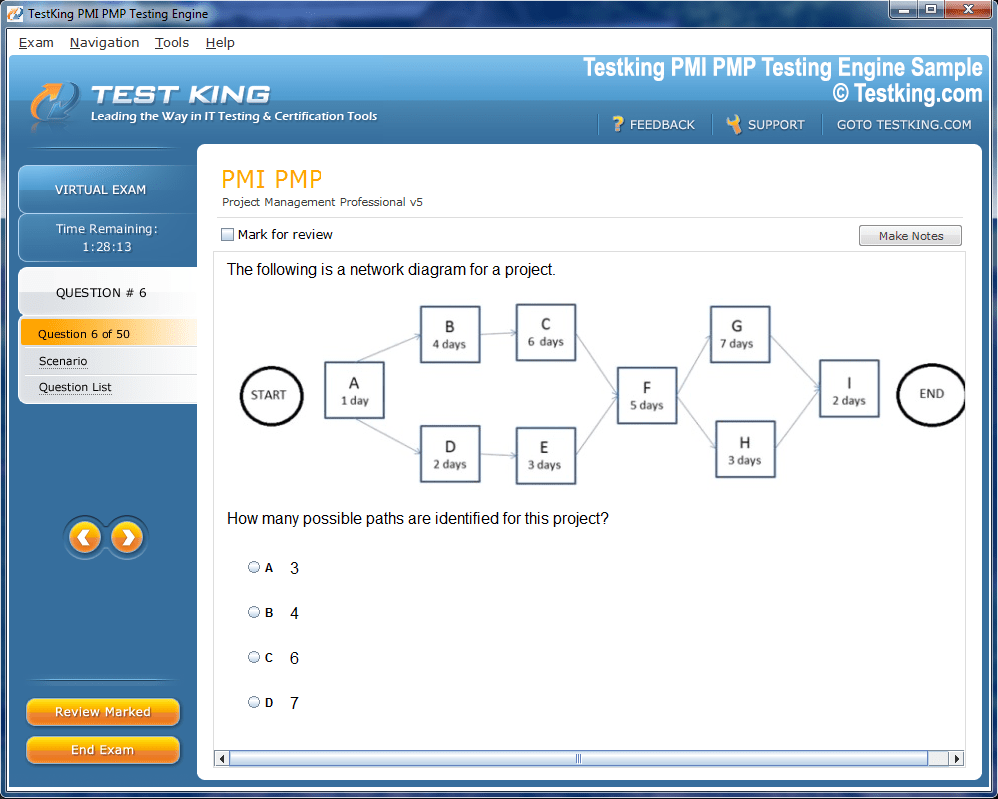
Product Screenshots
Product Reviews
We Give Proper Guidance -Test King
"I was looking for the proper guidance for BCP-420 test. I switched to Test King for that and Test King shared with me the most proper guidance amazing tutorials relevant material and adequate notes. This was all because of Test King. I am very much thankful to Test King for specially helping me through all possible ways. Regards
Jiao Perm"
Get Relevant Information
"I was a good student of BCP-420 course but I was unable to understand properly from the books of BCP-420 BlackBerry Certified System Administrator . In that time of difficulty I was helped successfully by Test King because it had all the relevant BCP BCP-420 tutorials and videos that could describe the course properly and beautifully. These videos made the work easy for me and I passed the course with a wonderful performance. Regards
Deveron George"
Achieve Your Goal With Test King
"I was attempting my BCP-420 test and wanted to achieve this goal with high ranking marks. Test King helped me to do so. It had all the current and up to date material that helped me to achieve my goal of passing in the BCP-420 BlackBerry Certified System Administrator test with remarkable performance. If you also want to achieve your goal and pass the BCP BCP-420 test then do not worry and join Test King for all kind of help. Regards
Kotter Fuppo"
Get Required BCP-420 BlackBerry Certified System Administrator Books Via Test King
"When I attempted BCP-420 exam I wanted some place where I could get extra ordinary books. I was succeeded in findings such place and that was Test King. It not only provides the required document easily but also it is easy to understand and work about. So anyone of you who want to get BCP BCP-420 books, he or she should join Test King without any hesitation. I would like to recommend Test King to all of you for any kind of required books. Regards
Jenna Trey"
Thanks Test King For Help
"Thank you Test King for helping me during BCP-420 exam preparation. That was quite different and wonderful experience to work with Test King for BCP-420 BlackBerry Certified System Administrator preparation. It was easy to work on the pattern given and quite relevant topics were given. It was all because of Test King, if you also want to get the best training and relevant material for BCP BCP-420 papers do join Test King for your need and requirement. Regards
Lara Hoven"
Have Adequate BCP BCP-420 Certification Notes
"If you want to get the most relevant and adequate BCP-420 books for the preparation of BCP-420 BlackBerry Certified System Administrator exam then Test King serves you the best. I was also searching BCP BCP-420 books during my preparation and I got my required books from Test King free of cost. So you should also get adequate and proper BCP-420 certification books from Test King rite now. Thanks to Test King for being with us. Regards
Addison Hillcer"
Don't Waste Your Money
"I wasted a lot of money on purchasing BCP-420 books from market but they were only boasting about different irrelevant topics. I needed the relevant and easy one BCP-420 BlackBerry Certified System Administrator books I joined Test King for that purpose and Test King fulfilled my purpose so wonderfully that I got high score in the BCP BCP-420 exams. I am thankful to Test King for this help heartedly and suggest you to not waste money here and there. Regards
Betty Giza"
Come And Join Test King
"You have to come and join Test King if you want to be successful in BCP-420 exams. I was involved in indescribable tension when I was going to give BCP-420 BlackBerry Certified System Administrator papers but then the books of BCP BCP-420 test on Test King relieved my tension because they were so much easy and quite relevant. I easily completed my preparation for BCP BCP-420 exams. So if any one of you is ion such an indescribable tension then do follow me and join Test King for all kind of help. Regards
Dower Terry"
Don't Waste Your Energy
"If you are going to give BCP-420 test then you should consult Test King. I also attempted BCP-420 BlackBerry Certified System Administrator exam where I needed much attention and energy at just finding relevant tutorials. Then by the suggestion of my mother I got over Test King and it was amazing to see such beautifully oriented articles over there. I am grateful to Test King for all this wonderful help to all students. Regards
Ouzo"
Waste The Other Keep Test King
"I would like to suggest student of the BCP-420 exam that they should use Test King. I also used Test King during my preparation of BCP-420 BlackBerry Certified System Administrator exams. I wasted a lot of money and energy over other different useless guides for BCP BCP-420 exams. But at the end only Test King provided me required one documents. Thanks to Test King for this kind of help. Regards
Peterson Guawe"
Frequently Asked Questions
Where can I download my products after I have completed the purchase?
Your products are available immediately after you have made the payment. You can download them from your Member's Area. Right after your purchase has been confirmed, the website will transfer you to Member's Area. All you will have to do is login and download the products you have purchased to your computer.
How long will my product be valid?
All Testking products are valid for 90 days from the date of purchase. These 90 days also cover updates that may come in during this time. This includes new questions, updates and changes by our editing team and more. These updates will be automatically downloaded to computer to make sure that you get the most updated version of your exam preparation materials.
How can I renew my products after the expiry date? Or do I need to purchase it again?
When your product expires after the 90 days, you don't need to purchase it again. Instead, you should head to your Member's Area, where there is an option of renewing your products with a 30% discount.
Please keep in mind that you need to renew your product to continue using it after the expiry date.
How many computers I can download Testking software on?
You can download your Testking products on the maximum number of 2 (two) computers/devices. To use the software on more than 2 machines, you need to purchase an additional subscription which can be easily done on the website. Please email support@testking.com if you need to use more than 5 (five) computers.
What operating systems are supported by your Testing Engine software?
Our BCP-420 testing engine is supported by all modern Windows editions, Android and iPhone/iPad versions. Mac and IOS versions of the software are now being developed. Please stay tuned for updates if you're interested in Mac and IOS versions of Testking software.
BlackBerry BCP-420 Exam: Master Your Certification with Confidence
The landscape of mobile device management and enterprise communication has evolved at an extraordinary pace over the past decade. As digital transformation continues to redefine business operations, organizations have grown increasingly dependent on secure, efficient, and scalable messaging systems. Among the many technologies that have shaped this domain, BlackBerry remains one of the most recognized and historically influential platforms for enterprise mobility. For professionals who wish to demonstrate their technical mastery and operational expertise with BlackBerry enterprise systems, the BCP-420 certification stands as a hallmark of advanced proficiency and professional credibility.
The BlackBerry BCP-420 certification is specifically designed for individuals who aim to validate their comprehensive knowledge in managing, maintaining, and optimizing BlackBerry enterprise solutions within corporate environments. Earning this certification signifies more than just familiarity with mobile device management tools—it represents a deep understanding of the secure configuration processes, advanced deployment techniques, and high-level troubleshooting methodologies that keep an organization’s communication infrastructure running smoothly. In an era where data breaches and communication vulnerabilities can have far-reaching consequences, professionals who hold this certification embody the assurance of operational integrity and security excellence.
The Significance of BlackBerry Certification
Certification in any field serves as an external validation of competence, but within the realm of BlackBerry enterprise systems, such certification carries distinct weight. BlackBerry has long been synonymous with security and reliability—qualities that remain essential for organizations managing sensitive or confidential information. Whether in finance, government, healthcare, or defense, enterprises rely on professionals who can design and maintain mobile communication infrastructures that meet stringent compliance and security requirements. The BCP-420 certification confirms that its holder possesses the skills needed not only to deploy and manage these systems but also to ensure that they operate with optimal efficiency and safety.
This credential signals to employers that the certified individual is capable of addressing both the operational and strategic aspects of enterprise mobility. It reassures organizations that their BlackBerry systems are being handled by experts who understand not only how to configure software and hardware components but also how to secure the data that flows through them. Furthermore, BlackBerry certification acts as a quality standard, distinguishing certified professionals from general IT administrators who may lack the specialized knowledge needed to navigate the intricacies of enterprise-grade mobile solutions.
In today’s competitive job market, such differentiation is invaluable. Employers seek candidates who bring both technical expertise and proven reliability to their roles. The BCP-420 certification provides that assurance by demonstrating that the certified professional has mastered a globally recognized body of knowledge and has proven their competence through a rigorous assessment process. For the individual, it opens doors to new opportunities and provides a clear, structured framework for ongoing professional development.
Core Objectives and Structure of the Exam
The BCP-420 examination assesses a candidate’s ability to manage every major facet of a BlackBerry enterprise environment. It encompasses the installation, configuration, and management of BlackBerry Enterprise Server components, the administration of user and device policies, and the monitoring and optimization of system performance. Additionally, it places significant emphasis on troubleshooting and problem resolution—areas where theoretical understanding must translate into practical, real-world solutions.
Candidates preparing for the exam must be ready to demonstrate their proficiency in several key domains. They must understand how to integrate BlackBerry solutions within a broader enterprise network, how to manage user accounts and security policies efficiently, and how to ensure that communication channels remain robust and compliant with organizational standards. The exam’s design ensures that those who pass have not merely memorized commands or processes but can apply their knowledge dynamically to maintain system stability and security under varying operational conditions.
Understanding these core objectives is critical for anyone preparing to take the test. Each subject area reflects a crucial aspect of enterprise mobility management. By mastering them, professionals position themselves not only for success in the examination but also for excellence in their day-to-day work. The process of preparing for the exam itself reinforces a deep and applied understanding of how BlackBerry systems function at both the technical and organizational levels.
Who Should Pursue the Certification
The BCP-420 certification is ideally suited for IT administrators, systems engineers, support specialists, and network professionals who are directly responsible for deploying, managing, or supporting BlackBerry enterprise environments. Yet its relevance extends beyond these specific roles. Professionals in cybersecurity, compliance management, and enterprise infrastructure oversight will also find the certification invaluable, as it deepens their understanding of how secure mobile communications integrate with broader IT ecosystems.
In many organizations, the role of a mobile device management specialist overlaps with several other responsibilities—ranging from policy enforcement to data protection. For individuals in such multifaceted positions, the BCP-420 credential offers a structured pathway to mastering best practices that apply not only to BlackBerry systems but also to enterprise mobility as a discipline.
Moreover, as the technology landscape becomes increasingly diversified—with organizations employing hybrid solutions that blend multiple platforms—those who hold a certification like BCP-420 demonstrate their ability to navigate complexity. They show that they can bridge the gap between legacy systems and modern mobility solutions, ensuring that business operations continue seamlessly through transitions and technological evolutions.
In essence, pursuing this certification is not solely about technical mastery—it is about professional distinction. The credential helps individuals stand out in a crowded IT marketplace, positioning them as trusted experts who can ensure the reliability, scalability, and security of enterprise communication infrastructures.
Real-World Applications of BCP-420 Knowledge
The knowledge gained through BCP-420 certification is directly applicable to the real-world challenges faced by enterprises every day. Certified professionals are often responsible for deploying new devices across entire organizations, configuring security settings that comply with corporate policies, and maintaining stable connections between employees and corporate networks. They ensure that users can access data securely, communicate efficiently, and collaborate without disruption—no matter where they are in the world.
A key aspect of this role is integration. BlackBerry systems often interact with a variety of other enterprise technologies, such as Microsoft Exchange, Active Directory, or mobile threat defense platforms. Certified professionals understand how to create seamless interoperability among these systems, ensuring that each component functions cohesively within the broader IT environment.
Beyond technical administration, BCP-420-certified professionals often take on strategic responsibilities as well. They advise senior management on mobility policies, assess potential vulnerabilities, and recommend optimizations that can enhance productivity while maintaining compliance with regulatory requirements. Their expertise enables organizations to adopt proactive mobility strategies—anticipating risks, scaling operations efficiently, and adapting to technological change with confidence.
In practical terms, this might involve designing a mobile security architecture for a global enterprise, troubleshooting performance issues in a complex network environment, or developing new policy templates to streamline device management. Each of these tasks requires both technical depth and strategic foresight—the dual competencies that BCP-420 certification aims to cultivate.
The Intellectual Challenge of the Exam
Preparing for the BCP-420 exam is a rigorous intellectual endeavor. It demands far more than rote learning; success depends on a deep conceptual understanding of how enterprise systems function, interact, and evolve. Candidates must learn to analyze scenarios, identify root causes of system malfunctions, and develop logical, effective solutions that minimize downtime and preserve security.
This process sharpens critical thinking skills and encourages a methodical approach to technical challenges. Each topic covered—whether related to installation procedures, security architecture, or policy management—requires a synthesis of theoretical knowledge and practical insight. The result is a certification process that does not merely test memory but cultivates a form of technical reasoning that can be applied across numerous enterprise contexts.
Furthermore, the BCP-420 exam is designed to simulate real-world pressures. Many of its scenarios mirror challenges that administrators might face in their daily work, such as addressing connectivity issues, resolving synchronization failures, or responding to potential security incidents. This experiential component makes the certification especially valuable, as it ensures that successful candidates are well-prepared for the demands of actual enterprise environments.
Career Impact and Professional Growth
Achieving the BCP-420 certification can be a turning point in a professional’s career. Certified individuals often gain access to advanced roles in IT administration, systems architecture, and cybersecurity. Because the certification demonstrates both technical competence and reliability under pressure, it frequently leads to promotions, leadership opportunities, and greater professional recognition.
Organizations recognize that certified professionals reduce operational risk. They are less likely to make costly configuration errors, more likely to anticipate problems before they escalate, and better equipped to ensure that communication systems comply with organizational policies and external regulations. This reliability translates into tangible business value, making BCP-420-certified individuals indispensable to their teams.
On a personal level, certification brings increased confidence and professional credibility. Those who have earned the credential approach complex challenges with assurance, knowing they possess both the theoretical grounding and the practical expertise to find effective solutions. This confidence fosters leadership potential and enhances one’s ability to contribute meaningfully to strategic decision-making processes within the organization.
Additionally, the process of preparing for and maintaining certification encourages continuous learning. As enterprise mobility technologies evolve, certified professionals remain at the forefront of new developments. This commitment to ongoing education not only ensures long-term career relevance but also reinforces a mindset of curiosity, adaptability, and excellence—qualities highly valued in any technical profession.
The BlackBerry BCP-420 certification represents much more than a credential; it embodies a comprehensive mastery of enterprise mobile management and security. In a business environment where communication is both the lifeblood and the most vulnerable aspect of operations, professionals who hold this certification play a critical role in ensuring stability, safety, and efficiency.
For IT professionals seeking to validate their expertise and advance their careers, BCP-420 offers a structured path toward excellence. It combines rigorous theoretical assessment with practical, real-world applicability—ensuring that certified individuals not only understand how to administer BlackBerry systems but can also design, secure, and optimize them in alignment with organizational objectives.
Mastering the competencies covered by the BCP-420 exam requires discipline, curiosity, and a deep appreciation for the complexities of enterprise mobile management. Those who embrace this challenge earn more than a professional title; they cultivate an enduring skill set that empowers them to navigate the evolving landscape of corporate communication with precision and confidence.
In an era defined by digital connectivity and relentless technological advancement, the demand for professionals who can secure, manage, and optimize enterprise communication networks continues to rise. The BCP-420 certification stands as both a symbol and a practical tool for meeting that demand—equipping professionals to lead, innovate, and uphold the highest standards of excellence in enterprise mobility management.
Exam Structure, Topics, and Format
Understanding the architecture of the BCP-420 exam is a crucial step in mastering its content. Success in this certification does not hinge solely on rote memorization but rather on a nuanced comprehension of how BlackBerry enterprise systems operate and interconnect. The examination evaluates both theoretical knowledge and practical skills, ensuring that candidates can adeptly manage, configure, and troubleshoot enterprise mobility environments.
The BCP-420 exam is divided into multiple domains, each reflecting core aspects of system administration and support. These domains encompass installation procedures, device management, policy configuration, troubleshooting techniques, and system monitoring. Familiarity with each domain and its respective weight in the exam allows candidates to prioritize study efforts efficiently and avoid overlooking critical areas.
Overview of the Certification Path
The BCP-420 certification forms part of the broader BlackBerry Certified Support Specialist framework. Professionals pursuing this credential typically have foundational knowledge in IT administration and enterprise mobility. The exam is structured to progressively challenge candidates, moving from basic concepts of device connectivity and system configuration to more intricate tasks such as performance optimization and security enforcement.
Each stage of the exam is designed to simulate real-world scenarios, requiring candidates to apply both analytical and technical skills. This approach ensures that the credential is not merely a theoretical milestone but a practical endorsement of a candidate’s ability to operate effectively within enterprise environments.
Key Domains and Exam Objectives
The BCP-420 exam is organized into several principal domains that collectively represent the knowledge and competencies expected of certified professionals. Among these are installation and configuration, device and user management, security policy enforcement, troubleshooting and diagnostics, and system monitoring.
In the installation and configuration domain, candidates must demonstrate proficiency in deploying BlackBerry Enterprise Server components, ensuring that servers, databases, and network configurations are optimized for performance and reliability. This includes understanding prerequisites, conducting installations, and verifying successful deployments.
Device and user management focuses on administering BlackBerry devices within an enterprise context. Candidates are expected to create and manage user profiles, enroll devices, and apply policies that govern device behavior and access. Mastery of this domain ensures seamless integration of mobile endpoints into the broader corporate infrastructure.
Security policy enforcement is a critical domain, emphasizing the configuration of policies that safeguard corporate data. Candidates must understand encryption protocols, access control mechanisms, and compliance requirements. This domain tests the ability to prevent unauthorized access and maintain secure communication channels across the enterprise.
Troubleshooting and diagnostics assess the candidate’s capacity to identify, isolate, and resolve issues efficiently. This includes analyzing system logs, interpreting error messages, and implementing corrective actions that minimize downtime and maintain operational continuity.
System monitoring encompasses ongoing performance evaluation and maintenance. Candidates must be able to use monitoring tools to detect anomalies, assess resource utilization, and ensure the overall health of the BlackBerry environment. Proficiency in this domain enables proactive maintenance and long-term stability of enterprise communication systems.
Question Types and Difficulty Levels
The BCP-420 exam employs multiple-choice questions as well as scenario-based items that simulate practical challenges. Multiple-choice questions evaluate knowledge of concepts, procedures, and best practices, while scenario-based questions require the application of knowledge in contextually rich situations. This dual approach assesses both cognitive understanding and practical problem-solving ability.
The difficulty of questions ranges from foundational to advanced. Early questions often cover basic concepts, such as device enrollment or user account creation, while later questions challenge candidates with complex troubleshooting scenarios or policy configuration dilemmas. Understanding the distribution of difficulty allows candidates to pace their preparation and allocate sufficient time for in-depth study of advanced topics.
Time Management Strategies
Effective time management is a critical factor in successfully completing the BCP-420 exam. Candidates are often allotted a fixed duration in which to answer a substantial number of questions. Allocating time wisely, recognizing questions that require deeper analysis, and avoiding excessive focus on individual items are essential strategies for maintaining momentum and accuracy throughout the examination.
Practicing under simulated exam conditions can help candidates develop a rhythm that balances speed with precision. By timing responses and reviewing performance, candidates can identify areas that require reinforcement and adjust study plans accordingly.
Common Pitfalls to Avoid
Several common pitfalls can hinder success in the BCP-420 exam. One frequent challenge is neglecting the interplay between domains. For example, troubleshooting a device issue may require knowledge of both policy enforcement and system configuration. Candidates who study in isolation may struggle to integrate concepts effectively during scenario-based questions.
Another pitfall is over-reliance on memorization without contextual understanding. While memorizing command sequences or configuration steps can be helpful, the exam often requires candidates to apply these procedures in dynamic situations. Developing a conceptual understanding of how components interact is far more valuable than rote recall.
Mismanagement of exam time is also a prevalent issue. Spending excessive time on a single challenging question can compromise the ability to complete the exam. Candidates are encouraged to adopt strategies such as marking difficult questions for review and maintaining steady progress through the examination.
Holistic Preparation Approach
A holistic approach to preparing for the BCP-420 exam integrates theoretical study with hands-on practice. Candidates should engage with BlackBerry Enterprise Server environments, explore configuration options, and simulate troubleshooting scenarios. This experiential learning reinforces conceptual knowledge and builds confidence in real-world application.
Additionally, reviewing system logs, error codes, and monitoring tools provides insight into operational nuances that are frequently tested in scenario-based questions. By cultivating familiarity with the enterprise environment, candidates are better equipped to anticipate challenges and respond with accurate, timely solutions.
The Role of Analytical Thinking
Analytical thinking is indispensable when approaching the BCP-420 exam. Questions are designed to evaluate not only technical knowledge but also the candidate’s ability to reason logically through complex problems. For instance, identifying the root cause of a connectivity issue may require interpreting multiple data points, cross-referencing policy configurations, and predicting the outcome of various remedial actions.
Candidates who cultivate analytical skills alongside technical proficiency can navigate scenario-based questions more effectively, discerning patterns and selecting optimal solutions under exam conditions. This dual focus on reasoning and technical skill distinguishes top-performing candidates from those who rely solely on memorized procedures.
Exam Mindset and Confidence
Approaching the BCP-420 exam with a composed and strategic mindset is as important as technical preparation. Confidence emerges from thorough understanding, deliberate practice, and familiarity with the exam structure. Candidates who maintain a clear mental framework for addressing questions, coupled with disciplined time management, are more likely to perform consistently and accurately.
A proactive mindset also involves anticipating challenges and developing contingency strategies. For example, if a question presents unfamiliar terminology or an unexpected scenario, candidates can draw upon their analytical training to deconstruct the problem systematically and apply core principles effectively.
Mastering the structure, topics, and format of the BCP-420 exam is an essential precursor to achieving certification. By understanding the domains covered, recognizing the types of questions presented, and developing effective strategies for time management and analytical reasoning, candidates position themselves for success.
The BCP-420 certification is not merely an evaluation of technical knowledge but a testament to the candidate’s ability to integrate concepts, troubleshoot dynamically, and maintain operational excellence in complex enterprise environments. Comprehensive preparation, combined with practical experience, cultivates the competence and confidence necessary to navigate the exam and, ultimately, to excel as a BlackBerry Certified Support Specialist.
Building a Strong Study Strategy
Embarking on the journey to attain the BlackBerry BCP-420 certification necessitates more than casual study; it demands a disciplined and methodical approach. Developing a comprehensive study strategy ensures that candidates cover all requisite domains, assimilate essential concepts, and cultivate the practical skills required to navigate real-world scenarios. A strong study strategy is instrumental in transforming knowledge into actionable expertise.
Establishing a Study Timeline
A foundational element of any effective preparation plan is a clearly defined timeline. Candidates should allocate sufficient time to address each domain thoroughly, balancing review, practice, and reinforcement. A six-week timeline, for instance, can provide ample opportunity to progress from foundational knowledge to complex problem-solving exercises.
The timeline should be segmented according to the weight of each exam domain, ensuring that more challenging or heavily tested areas receive proportionally greater attention. For instance, domains focused on security policy enforcement or troubleshooting may require additional practice sessions to master the intricate procedures involved. By adhering to a structured timeline, candidates can prevent last-minute cramming and foster steady, cumulative knowledge acquisition.
Selecting Appropriate Study Materials
Choosing the right study materials is pivotal for efficient preparation. Candidates should utilize official BlackBerry documentation to gain authoritative insights into system architecture, policy management, and configuration best practices. Supplementing this primary material with technical manuals, scenario-based exercises, and practical guides enhances comprehension and reinforces learning.
Study materials should encompass both theoretical knowledge and practical applications. Conceptual resources facilitate understanding of overarching principles, while hands-on exercises provide experiential learning, reinforcing the ability to troubleshoot and configure enterprise systems effectively. By integrating diverse resources, candidates develop a multidimensional grasp of the subject matter.
Hands-On Practice and Simulation
Practical experience constitutes a critical pillar of preparation. Setting up test environments that emulate enterprise configurations allows candidates to explore system functionalities, experiment with policy configurations, and simulate troubleshooting scenarios. Such experiential learning cultivates confidence, familiarity, and technical agility, which are essential when facing scenario-based exam questions.
Simulation tools and virtual labs provide controlled environments where candidates can replicate real-world challenges without risking operational disruption. Engaging in repeated practice not only enhances procedural proficiency but also hones analytical thinking, enabling candidates to anticipate potential issues and apply corrective measures with precision.
Utilizing Practice Exams
Practice exams are an indispensable component of a robust study strategy. They offer insight into question formats, difficulty levels, and the cognitive skills necessary for success. By attempting full-length mock exams under timed conditions, candidates develop the stamina and focus required for the actual examination.
Analyzing performance on practice exams is equally important. Candidates should review incorrect responses to identify gaps in knowledge, misconceptions, or procedural errors. This reflective approach enables targeted study and ensures that weaknesses are systematically addressed prior to the official examination.
Balancing Group Study and Individual Study
An effective preparation strategy may incorporate both individual study and collaborative learning. Individual study allows for concentrated focus, personalized pacing, and introspective review of complex concepts. Conversely, group study fosters discussion, problem-solving, and exposure to alternative approaches, enhancing understanding through collective knowledge.
Engaging with peers in study sessions can provide diverse perspectives on troubleshooting techniques, policy application, and system configuration strategies. Collaborative study also encourages candidates to articulate their reasoning, reinforcing comprehension and improving retention of intricate concepts.
Developing Memory Retention Techniques
Memory retention is a critical aspect of exam readiness. Candidates can employ a variety of techniques to reinforce learning, including active recall, spaced repetition, and mnemonic devices. Active recall encourages the retrieval of information without reference, strengthening neural pathways associated with long-term memory.
Spaced repetition, in which study sessions are distributed over time with increasing intervals, enhances retention and mitigates forgetting. Mnemonic devices, including acronyms or visualization techniques, can simplify the memorization of complex procedures, policy names, or configuration sequences. By systematically employing these strategies, candidates embed essential knowledge deeply and efficiently.
Integrating Conceptual Understanding
Merely memorizing commands, procedures, or configuration steps is insufficient for mastery of the BCP-420 exam. Candidates must cultivate a conceptual understanding of how systems operate, interrelate, and respond under varying conditions. Comprehending underlying principles enables candidates to approach novel scenarios with analytical confidence and apply knowledge flexibly.
Conceptual understanding extends to recognizing patterns, anticipating the consequences of configuration changes, and synthesizing information from multiple domains. Candidates who internalize these connections can navigate scenario-based questions adeptly, applying logical reasoning to arrive at accurate solutions.
Time Management During Study
Effective time management within the study regimen is essential to maintaining consistent progress. Allocating fixed periods for reading, hands-on practice, review, and mock exams ensures balanced coverage of all domains. Candidates should incorporate short, regular breaks to sustain focus and prevent cognitive fatigue, enhancing overall productivity.
Maintaining a study log can provide accountability, track progress, and identify areas requiring additional attention. By monitoring time spent on each domain, candidates can adapt their schedules dynamically, emphasizing weak points while consolidating strengths.
Mindset and Motivation
A successful study strategy also depends on sustaining motivation and cultivating a positive mindset. Approaching preparation with curiosity, determination, and resilience transforms challenges into opportunities for intellectual growth. Candidates should celebrate incremental progress, recognize achievements in mastering difficult concepts, and maintain confidence in their ability to succeed.
Visualizing success and establishing clear goals reinforces focus and perseverance. The BCP-420 certification represents both a technical milestone and a testament to professional competence. By maintaining a growth-oriented mindset, candidates transform the study process into an enriching journey rather than a burdensome obligation.
Continuous Review and Refinement
Preparation for the BCP-420 exam is an iterative process. Continuous review of previously studied material ensures knowledge remains fresh and reinforces memory retention. Refining study techniques based on performance in practice exercises, mock exams, and conceptual assessments allows candidates to optimize their approach dynamically.
Integrating feedback loops into the study regimen—such as revisiting misunderstood topics, reattempting practice scenarios, and cross-referencing procedural knowledge—enhances preparedness and builds a resilient foundation for exam success.
Building a strong study strategy for the BCP-420 certification involves a deliberate combination of structured planning, hands-on practice, reflective assessment, and mental fortitude. Candidates who adopt a disciplined timeline, utilize authoritative study materials, engage in practical exercises, and refine their understanding through repeated review are well-positioned to master both theoretical knowledge and applied skills.
A well-crafted study strategy transforms preparation from a passive activity into an active process of skill cultivation, analytical development, and professional empowerment. By approaching the journey with strategic intent and unwavering focus, candidates can enter the examination with confidence, equipped not only to succeed but to excel as proficient and versatile BlackBerry Certified Support Specialists.
Technical Deep Dive – Key Concepts and Skills Tested
The BCP-420 certification is designed to validate a professional’s technical proficiency with BlackBerry enterprise systems. Achieving success requires not only an understanding of theoretical concepts but also the ability to navigate complex operational environments. This technical deep dive examines the critical topics, core competencies, and practical skills that candidates must master to excel in the certification exam.
BlackBerry Enterprise Service Architecture Overview
A foundational aspect of the exam is an in-depth understanding of BlackBerry Enterprise Service (BES) architecture. The architecture comprises interconnected components that facilitate secure messaging, device management, and policy enforcement within enterprise environments. Candidates are expected to comprehend server configurations, database integration, communication protocols, and network dependencies.
Understanding the architectural hierarchy allows professionals to diagnose performance issues, optimize system efficiency, and implement effective solutions. Components such as mail routers, synchronization services, and management consoles interact seamlessly, and mastery of these interactions is essential for both configuration and troubleshooting scenarios.
Security Management and Configuration
Security management forms a core competency tested in the BCP-420 exam. Candidates must demonstrate the ability to implement and enforce policies that safeguard corporate data across devices and servers. This includes configuring encryption protocols, access controls, authentication mechanisms, and compliance parameters.
Security is not limited to preventing unauthorized access; it extends to ensuring the integrity, confidentiality, and availability of enterprise communication systems. Candidates must understand the nuances of policy hierarchies, user privileges, and exception handling to maintain a secure operational environment. Familiarity with common security pitfalls and mitigation techniques enhances preparedness for practical scenarios.
Device Enrollment and Management
Efficient device management is critical in large-scale enterprise deployments. Candidates are required to master procedures for enrolling devices, applying policies, monitoring device health, and resolving connectivity issues. Device enrollment workflows often involve provisioning, policy assignment, and verification of compliance with organizational standards.
Managing multiple devices concurrently necessitates systematic approaches and familiarity with administrative tools. Professionals must anticipate common issues, such as synchronization errors, certificate expirations, and connectivity anomalies, while maintaining service continuity and minimizing disruption for end users.
Troubleshooting BlackBerry Device Connections
Troubleshooting is a pivotal skill evaluated in the BCP-420 exam. Candidates must be able to identify the root causes of communication failures, device malfunctions, and policy conflicts. Effective troubleshooting requires analytical thinking, attention to detail, and systematic application of diagnostic techniques.
Common issues may involve network misconfigurations, software inconsistencies, or conflicting policies. Professionals must examine system logs, error messages, and device reports to isolate problems and implement corrective actions efficiently. Scenario-based questions often test the ability to respond to complex issues under time constraints, reflecting real-world operational demands.
Integration with Enterprise Systems
Integration of BlackBerry solutions with broader enterprise systems is another critical competency. Candidates must understand how BlackBerry Enterprise Server interacts with email servers, directory services, and collaboration platforms. Effective integration ensures seamless communication, consistent policy application, and reliable synchronization across multiple endpoints.
Knowledge of integration points, dependency hierarchies, and potential conflict sources is essential for maintaining system stability. Candidates should be capable of troubleshooting integration issues, configuring connectors, and optimizing system workflows to achieve operational efficiency.
Performance Monitoring and Optimization
Monitoring system performance and optimizing configurations are integral skills assessed in the certification exam. Candidates should be adept at using monitoring tools to track server performance, resource utilization, device connectivity, and policy compliance. Identifying anomalies and responding proactively prevents service disruptions and enhances overall system reliability.
Optimization techniques may involve adjusting server parameters, reallocating resources, fine-tuning policy deployment, and addressing bottlenecks. A professional who can balance system performance with security requirements demonstrates advanced competency and readiness for real-world responsibilities.
Policy Configuration and Enforcement
A significant portion of the BCP-420 exam focuses on policy configuration and enforcement. Candidates must understand how to create, apply, and manage policies that govern device behavior, data access, and communication protocols. Policies often address encryption, application usage, network access, and compliance with organizational standards.
Proficiency in policy management requires both conceptual understanding and practical experience. Candidates should be able to design hierarchical policies, implement exceptions, and troubleshoot conflicts. Scenario-based questions may present complex environments requiring strategic application of policies to achieve compliance and operational efficiency.
Real-World Troubleshooting Scenarios
Scenario-based questions test the candidate’s ability to apply technical knowledge to realistic situations. Examples may involve resolving connectivity issues for multiple devices, diagnosing performance bottlenecks, or responding to security breaches. Candidates must demonstrate analytical reasoning, methodical problem-solving, and effective use of diagnostic tools.
The ability to navigate these scenarios reflects the candidate’s readiness to operate in dynamic enterprise environments. Mastery of troubleshooting is not simply procedural; it involves anticipating potential problems, synthesizing information from multiple sources, and implementing solutions that minimize impact on users and services.
Analytical Reasoning in Technical Contexts
Analytical reasoning is intertwined with technical proficiency in the BCP-420 exam. Candidates are expected to interpret system logs, error codes, and performance metrics, linking observed patterns to potential causes. This cognitive skill allows professionals to predict the outcome of configuration changes, assess risk, and implement corrective measures confidently.
Exam questions often test the ability to integrate knowledge across multiple domains. For example, resolving a connectivity issue may require understanding device enrollment, security policies, and server configuration simultaneously. Candidates who cultivate strong analytical skills can approach such challenges systematically and accurately.
Maintaining Operational Continuity
A key responsibility for BlackBerry-certified professionals is maintaining operational continuity. Candidates must demonstrate the ability to prevent service disruptions, manage updates, and respond to incidents efficiently. This encompasses not only technical skills but also strategic planning, including backup strategies, disaster recovery procedures, and proactive maintenance routines.
Operational continuity is a reflection of both technical competence and professional diligence. Candidates who can anticipate risks, prepare contingencies, and implement solutions swiftly exhibit the level of expertise expected from a BlackBerry-certified specialist.
The BCP-420 certification exam evaluates a sophisticated blend of technical knowledge, analytical reasoning, and practical skills. Mastery of BlackBerry Enterprise Service architecture, security management, device enrollment, troubleshooting, integration, performance monitoring, and policy enforcement is essential for success.
Candidates who engage deeply with these technical concepts, coupled with extensive hands-on practice, develop the competence and confidence necessary to navigate both the examination and real-world enterprise environments effectively. Proficiency in these areas not only ensures exam success but also equips professionals to contribute meaningfully to organizational communication infrastructure, enhancing security, efficiency, and operational resilience.
Practice Exam Insights and Question Analysis
Preparing for the BCP-420 certification involves more than absorbing theoretical knowledge; it requires familiarity with exam patterns, analytical reasoning under pressure, and effective application of practical skills. A deep understanding of question types, scenario-based challenges, and strategic approaches to problem-solving is essential for achieving success.
Understanding the Role of Practice Exams
Practice exams are indispensable in the journey toward certification. They provide a simulated environment that mirrors the structure, timing, and difficulty of the official BCP-420 exam. By engaging with practice questions, candidates develop familiarity with the phrasing, context, and conceptual demands of the real assessment.
Beyond mere exposure, practice exams function as diagnostic tools. They help identify knowledge gaps, highlight areas requiring additional focus, and reinforce strengths. Each attempt provides valuable feedback, allowing candidates to refine study strategies and improve accuracy over time.
Analyzing Multiple-Choice Questions
Multiple-choice questions form a significant portion of the BCP-420 exam. Success in this format requires careful reading, attention to detail, and logical elimination of incorrect options. Candidates should focus not only on recognizing the correct answer but also on understanding why other choices are inaccurate.
Analyzing multiple-choice questions involves dissecting the context, identifying key terms, and linking the query to relevant technical knowledge. Candidates should be wary of distractors—options designed to test superficial understanding. Employing critical thinking ensures selection of answers that reflect deep comprehension rather than guesswork.
Tackling Scenario-Based Questions
Scenario-based questions represent some of the most challenging aspects of the exam. They simulate real-world enterprise situations, requiring candidates to synthesize knowledge from multiple domains. A single scenario may involve device enrollment, policy conflicts, security enforcement, and troubleshooting simultaneously.
Success with scenario-based questions hinges on methodical problem-solving. Candidates should break down scenarios into discrete components, analyze interdependencies, and apply appropriate procedures logically. Developing a structured approach ensures that all relevant factors are considered before arriving at a solution.
Identifying Common Pitfalls in Practice Exams
Candidates often encounter recurring pitfalls when engaging with practice exams. One such pitfall is misinterpreting scenario context or failing to recognize underlying assumptions. Scenario-based questions frequently present subtle cues that guide the correct response, and overlooking these details can lead to errors.
Another common challenge is overconfidence in familiar topics. While technical proficiency is crucial, questions may integrate multiple concepts in novel ways. Candidates should approach each question with diligence, avoiding assumptions that prior knowledge alone guarantees correctness.
Time management is another frequent obstacle. Candidates may spend excessive time on difficult questions, compromising the ability to complete the exam. Practice exams help develop pacing strategies, teaching candidates to allocate appropriate time to each question and revisit challenging items efficiently.
Techniques for Effective Question Analysis
A systematic approach to question analysis improves both speed and accuracy. Candidates should begin by identifying the core objective of the question, isolating relevant facts, and discarding extraneous information. Understanding the desired outcome clarifies the path toward a correct solution.
Next, candidates should apply technical knowledge and logical reasoning. In scenario-based questions, this often involves mapping symptoms to potential causes, considering the impact of various configurations, and predicting the outcome of different actions. Candidates who practice this structured method cultivate confidence and reduce the likelihood of oversight.
Enhancing Analytical Reasoning Through Practice
Analytical reasoning is central to the BCP-420 exam. Engaging repeatedly with practice questions strengthens this skill by encouraging candidates to evaluate patterns, interpret system feedback, and anticipate results. Scenario repetition fosters intuition for problem-solving, allowing professionals to approach novel situations with confidence.
Candidates should actively reflect on each practice attempt, documenting reasoning processes, decision points, and lessons learned. This reflective practice embeds analytical frameworks, improving both speed and precision during the actual exam.
Applying Practical Knowledge
Practice exams are most effective when coupled with hands-on experience. Theoretical understanding alone may not suffice to navigate complex scenarios that require procedural execution or configuration adjustments. Candidates should replicate common issues in test environments, experiment with solutions, and observe outcomes.
By bridging the gap between theory and application, candidates cultivate both technical mastery and situational awareness. This dual capability enhances performance in scenario-based questions, where decision-making is contingent upon understanding system behavior and procedural impact.
Developing Test-Taking Strategies
Effective test-taking strategies complement technical knowledge. Candidates should prioritize answering questions they can solve confidently while marking uncertain items for review. Maintaining a balance between speed and accuracy ensures that time is available for comprehensive consideration of more challenging questions.
Additionally, candidates should practice interpreting complex scenarios and evaluating multiple potential solutions before selecting the optimal course of action. This disciplined approach minimizes errors and maximizes performance across all sections of the exam.
Reviewing and Refining Weak Areas
A critical benefit of practice exams is identifying areas requiring further attention. Candidates should review incorrect answers to understand the reasoning behind mistakes. This review process often reveals knowledge gaps, misconceptions, or procedural errors that can be addressed through targeted study.
Continuous refinement is essential. Revisiting challenging topics, reattempting practice scenarios, and reinforcing conceptual understanding strengthens competence and builds confidence. This iterative process ensures that candidates approach the certification exam with a comprehensive grasp of both theory and application.
Building Confidence Through Repetition
Repetition is a powerful tool in exam preparation. Engaging with multiple practice exams under timed conditions not only familiarizes candidates with question formats but also cultivates mental stamina. Scenario-based questions, in particular, benefit from repeated exposure, allowing candidates to develop efficient problem-solving heuristics and rapid analytical responses.
Confidence emerges from repeated success and the ability to navigate diverse scenarios with competence. By systematically practicing and reflecting on results, candidates enter the exam environment with assurance in their knowledge, judgment, and procedural proficiency.
Leveraging Feedback Loops
Integrating feedback loops into practice routines optimizes preparation. Candidates should analyze performance metrics, track error patterns, and adjust study strategies accordingly. This dynamic approach promotes continuous improvement, transforming practice exams into a powerful mechanism for skill development and exam readiness.
Feedback-driven refinement ensures that candidates address weaknesses proactively, reinforce strengths, and cultivate adaptability—qualities that are indispensable for both the exam and real-world enterprise responsibilities.
Mastering practice exams and question analysis is a cornerstone of effective BCP-420 preparation. By understanding multiple-choice and scenario-based question structures, recognizing common pitfalls, applying systematic analytical reasoning, and integrating practical experience, candidates position themselves for success.
Practice exams serve not merely as a rehearsal but as a catalyst for cognitive and procedural development. Candidates who engage with them thoughtfully, reflectively, and repetitively cultivate the knowledge, skills, and confidence required to navigate the complexities of the BCP-420 exam and excel as BlackBerry Certified Support Specialists.
After the Exam – Certification Value and Career Growth
Achieving the BlackBerry BCP-420 certification marks a significant milestone in an IT professional’s career, yet its true value extends far beyond the exam itself. The credential serves as both a testament to technical expertise and a gateway to expanded career opportunities within enterprise mobility management and corporate communication environments. Understanding the implications of certification and strategically leveraging it can profoundly influence professional growth and long-term success.
Professional Recognition and Credibility
Certification provides formal recognition of a candidate’s proficiency in administering BlackBerry enterprise systems. It signals to employers, colleagues, and industry peers that the individual possesses a thorough understanding of system configuration, security enforcement, and troubleshooting methodologies. This recognition enhances professional credibility, demonstrating that the certified individual is capable of managing enterprise-grade mobile environments with competence and precision.
In competitive job markets, such recognition can differentiate professionals from peers who possess comparable experience but lack formal validation. Employers are more inclined to entrust responsibilities involving critical communications infrastructure to certified specialists, acknowledging the assurance the credential provides.
Applying Certification Knowledge on the Job
The knowledge gained through BCP-420 preparation is directly applicable to real-world professional responsibilities. Certified specialists are equipped to deploy, configure, and maintain BlackBerry Enterprise Server components, manage user devices, enforce security policies, and troubleshoot complex technical issues.
This expertise enables professionals to contribute immediately to organizational objectives, enhancing operational efficiency, security, and continuity. The practical skills honed during certification preparation empower individuals to address emergent challenges proactively, anticipate potential complications, and implement solutions that minimize risk and downtime.
Enhancing Career Opportunities
Obtaining the BCP-420 certification opens doors to a broader spectrum of career opportunities. Certified professionals may qualify for roles such as enterprise mobility administrator, systems engineer, technical support specialist, or IT security analyst. Organizations value these individuals for their ability to maintain secure, efficient, and resilient communication systems.
Beyond immediate employment prospects, the certification can facilitate promotions, salary advancements, and leadership opportunities. Professionals who demonstrate expertise in specialized areas such as BlackBerry enterprise management often become indispensable contributors, influencing strategic decisions and shaping organizational mobility policies.
Networking and Community Engagement
Certification also provides access to professional communities and networks that can amplify career growth. Engaging with fellow BlackBerry-certified specialists, industry forums, and technical groups fosters collaboration, knowledge sharing, and exposure to emerging best practices.
Participation in these communities offers opportunities to exchange insights, discuss complex technical scenarios, and stay informed about advancements in enterprise mobility management. Networking with peers enhances problem-solving capabilities, provides mentorship avenues, and can lead to collaborative projects or career advancement opportunities.
Continuous Learning and Professional Development
Achieving BCP-420 certification represents a milestone rather than a terminus. The rapidly evolving landscape of mobile communication and enterprise systems necessitates continuous learning to maintain proficiency and relevance. Certified professionals are encouraged to engage with updates, new tools, and emerging technologies to expand their expertise and adapt to changing organizational needs.
Continuous professional development can involve exploring advanced certifications, attending workshops, participating in webinars, or experimenting with new enterprise mobility configurations. This commitment to lifelong learning ensures that skills remain current, enhancing both personal growth and organizational value.
Leveraging Certification for Strategic Impact
Beyond technical competence, BCP-420 certification equips professionals to exert strategic influence within their organizations. Certified individuals can advise on policy implementation, security enhancements, and system optimization strategies. They are often tasked with evaluating enterprise mobility initiatives, recommending improvements, and ensuring alignment with organizational objectives.
This strategic capacity transforms certified specialists from operational contributors into trusted advisors. Their insight informs decision-making, guides deployment planning, and contributes to a culture of secure, efficient, and adaptable mobile communication infrastructure.
Building Confidence and Professional Autonomy
Certification fosters a heightened sense of professional confidence and autonomy. Individuals gain reassurance in their ability to troubleshoot complex issues, implement policies accurately, and manage enterprise systems independently. This confidence enhances job performance, encourages proactive problem-solving, and supports leadership potential.
Autonomy, derived from a deep understanding of BlackBerry systems, allows professionals to take initiative in projects, optimize workflows, and contribute meaningfully to organizational efficiency. Certified individuals are better equipped to mentor colleagues, lead initiatives, and act decisively when confronted with technical challenges.
Enhancing Organizational Value
The impact of certification extends beyond personal growth to organizational benefit. Certified professionals contribute to the stability, security, and efficiency of corporate communication systems, mitigating risks associated with data breaches, system failures, or policy misconfigurations. Their expertise ensures that enterprise mobility infrastructure remains robust, reliable, and aligned with business objectives.
Organizations that employ BCP-420-certified specialists gain assurance that their mobile communication platforms are managed by individuals who understand both the technical intricacies and strategic imperatives of enterprise mobility. This enhances operational resilience, fosters stakeholder confidence, and supports long-term organizational success.
Long-Term Career Growth and Specialization
Certification can serve as a springboard for further specialization and long-term career development. Professionals may choose to pursue advanced BlackBerry certifications, explore related IT security credentials, or expand into enterprise systems architecture and network management.
This trajectory allows individuals to cultivate expertise in complementary domains, positioning themselves as versatile, highly skilled contributors capable of navigating complex technological ecosystems. The foundation provided by BCP-420 certification facilitates continuous progression, enabling professionals to assume increasingly sophisticated roles within the enterprise mobility and IT security sectors.
The BlackBerry BCP-420 certification is more than a credential; it is a catalyst for professional development, career advancement, and strategic influence. Certified specialists gain formal recognition, practical expertise, and enhanced credibility, positioning themselves for diverse career opportunities and leadership roles.
By applying the knowledge and skills acquired through certification, professionals contribute meaningfully to organizational efficiency, security, and resilience. Engagement with professional communities, commitment to continuous learning, and the ability to exert strategic influence further amplify the value of certification, ensuring that BCP-420 holders remain vital assets in the ever-evolving landscape of enterprise mobility management.
Conclusion
The journey toward BlackBerry BCP-420 certification is both a professional milestone and a transformative learning experience. Spanning foundational concepts, technical expertise, practical application, and strategic insight, the certification equips IT professionals with the skills required to manage complex enterprise mobility environments effectively. Each aspect of preparation—from understanding system architecture to mastering troubleshooting, policy enforcement, and scenario-based problem-solving—fosters both competence and confidence, enabling candidates to navigate the challenges of modern communication infrastructure with precision.
Beyond exam success, the value of BCP-420 certification extends into career development and organizational impact. Certified professionals gain recognition for their technical proficiency, enhance their credibility within the IT community, and open doors to a wide array of roles, including enterprise mobility administration, systems engineering, and IT security. They are empowered to influence strategic initiatives, optimize operational efficiency, and ensure secure, reliable communication across corporate networks.
The preparation process itself cultivates analytical reasoning, hands-on problem-solving, and disciplined study habits—skills that transcend the examination and translate directly into workplace effectiveness. By combining structured study, practice exams, and real-world application, candidates develop a holistic understanding of BlackBerry enterprise systems and their practical implications.
Ultimately, the BCP-420 certification represents more than a credential; it is a testament to professional dedication, technical mastery, and continuous growth. Achieving this certification positions individuals as invaluable assets, capable of driving organizational success, enhancing operational resilience, and confidently navigating the evolving landscape of enterprise mobility management.